Download the App and manage your eSIMs easily
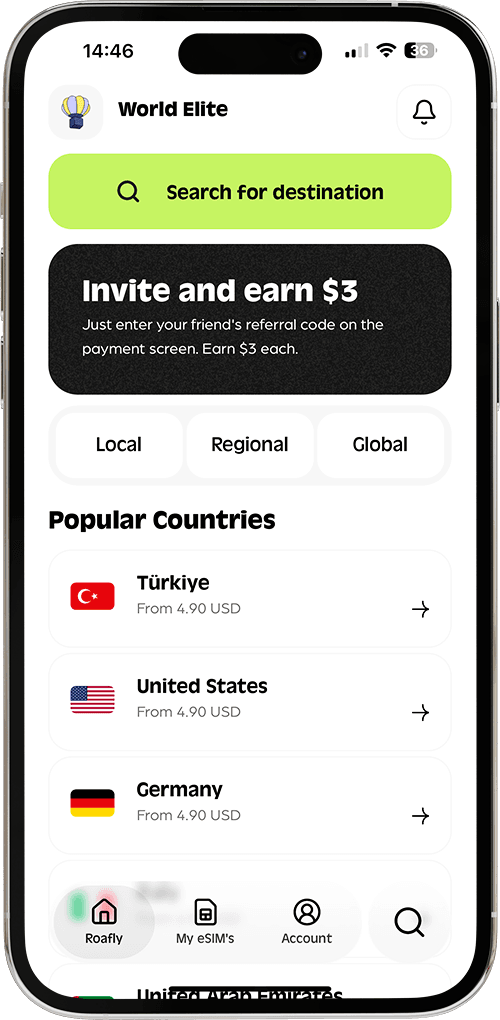
Create your order quickly
See your eSIM details
Track your remaining data
Download the App and manage your eSIMs easily
Create your order quickly
See your eSIM details
Track your remaining data
Sail to Saona, explore Santo Domingo’s historic streets, hike to waterfalls or watch humpback whales. Discover which Dominican Republic experiences fit your interests, travel dates and the region where you’re staying.

Ethan Brooks
Updated Oct 21, 2026
11 min read
Save 15% on your Roafly eSIM
Stay connected on your next trip. Use the code below at checkout.
View All DestinationsJump to section
👇Save 15% on your Roafly eSIM
Stay connected on your next trip. Use the code below at checkout.
View All Destinations
Manage your eSIM in the app
Install, top up and track data.
The best things to do in the Dominican Republic depend heavily on your base. Bayahíbe puts you close to Saona’s boat departures, Samaná combines rainforest and coastal experiences, and the north coast suits waterfall adventures and water sports.
Start with one experience you particularly want, then build around nearby places. During a short beach holiday, a well-chosen excursion can add more than several long journeys across the country.
Use this table to narrow your options before booking transport or tours.
| Where you’re staying | Experiences to prioritize | Time worth setting aside | Main consideration |
|---|---|---|---|
| Punta Cana or Bávaro | Macao surf lesson; Saona excursion via Bayahíbe | Half a day for surfing; a full day for a typical Saona outing | Hotel transfers add time to the activity |
| Bayahíbe or La Romana | Saona; Catalina snorkeling or diving | A day for your chosen island trip | Compare boat routes and time in the water |
| Santo Domingo | Colonial Zone, chocolate experience, Los Tres Ojos | Half a day for the historic centre; longer with additional attractions | Los Tres Ojos requires a separate journey |
| Samaná Peninsula | Los Haitises, El Limón, Playa Rincón, seasonal whale watching | Separate outings across several days | Your town and departure harbour affect each journey |
| Puerto Plata or Cabarete | Damajagua waterfalls, surfing or kitesurfing | Half a day or longer per activity | Physical demands and conditions vary |
| Jarabacoa | Rafting, waterfalls and mountain scenery | An activity day within a mountain stay | Allow time to enjoy the inland setting |
| Pedernales or Cabo Rojo | Bahía de las Águilas | A beach day within a southwest stay | Remote access and limited beach facilities |
These are suggested planning allowances, assuming you are already staying in the relevant region. They are not fixed tour durations.
Your accommodation choice shapes what you can comfortably reach. Compare where to stay in the Dominican Republic before committing to a hotel far from your main interests. Trips focused on the southeast also benefit from comparing Punta Cana, Santo Domingo and La Romana airports.
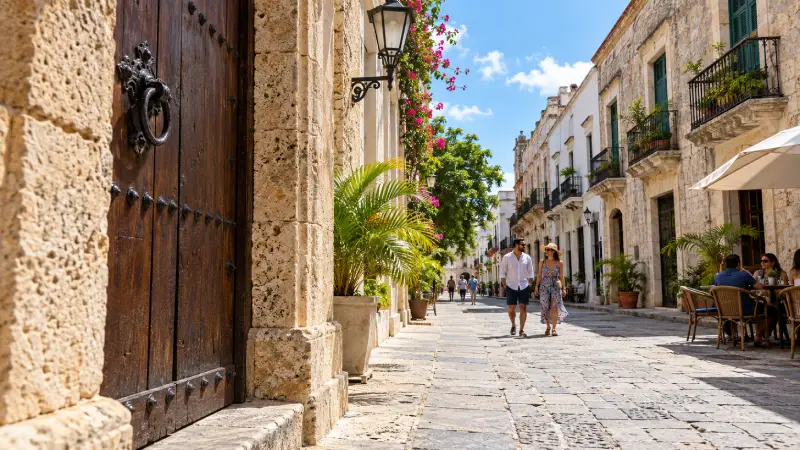
Santo Domingo deserves time for its historic streets, architecture and everyday city life. The UNESCO-listed Colonial Zone brings together stone façades, churches, museums, public squares and places to stop for a meal.
Walk along Calle Las Damas, spend time around Parque Colón and continue towards Plaza España. Allow half a day for an unhurried introduction, with more time if you want to visit museums or individual monuments.
Leave room for lunch rather than filling every hour with sightseeing. Exploring Dominican dishes to try helps turn a meal into part of the visit.
Kahkow Experience, in the Colonial Zone, offers chocolate-focused activities, including making your own bar. It provides an indoor change of pace between walks and gives visitors interested in food something more hands-on than another sightseeing stop. Select the workshop you want when reserving; the activities are separate experiences.
Los Tres Ojos lies east of the historic centre. Its limestone caves and freshwater lagoons offer a different side of the capital, with stairs leading down into the site and a small barge providing access towards a fourth lagoon.
Budget separately for transport and the visit. The entrance stairs and walking paths matter if anyone in your group has difficulty with steps; a shorter city outing may suit them better.
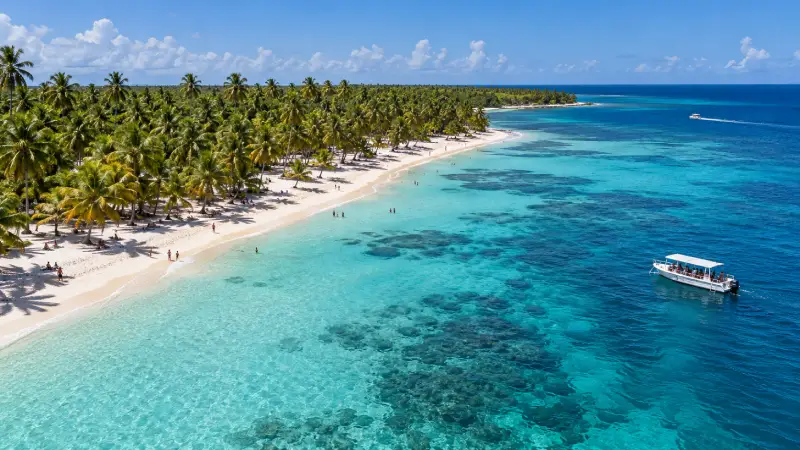
Saona is a strong choice for a Caribbean island day: pale beaches, coconut palms and stretches of shallow turquoise water. It forms part of Cotubanamá National Park, and most excursions depart from Bayahíbe.
The departure point matters. Booking a “Saona tour from Punta Cana” commonly means travelling overland to Bayahíbe before boarding. Compare the complete hotel-to-hotel schedule, especially if you dislike early pickups or long shared transfers.
Saona itineraries differ. Some emphasize beach time and a natural-pool stop; others include Mano Juan or additional stretches of coastline. Speedboat and catamaran combinations also create different experiences. Decide whether your priority is a leisurely boat journey, particular island stops or more time ashore.
Catalina, off La Romana, deserves consideration when snorkeling or diving is your main reason for taking a boat trip. Its reef and dive sites give the outing a stronger underwater focus.
With one excursion day available, choose between them by the activity you want most:
Saona: Island scenery, beaches and a varied boat outing.
Catalina: An excursion built around snorkeling or diving.
For either island, compare the actual water stops, equipment and beach time included. The island name alone tells you little about the full itinerary.

Macao gives visitors staying around Punta Cana a way to spend part of the day learning something active. Its surf setting makes an instructor-led lesson a more purposeful choice than arriving with a rented board and hoping for suitable conditions.
Macao Surf Camp offers two-hour private lessons with equipment and round-trip transportation included in that particular product. Hotel travel takes additional time, so keep a half-day window in your plans rather than treating the lesson length as the total outing.
Beginners start with technique and safety on the sand before entering the water. More experienced surfers can use individual coaching to work on specific skills.
Let the instructor match the session to the conditions and your ability. Surfing beaches also require a different approach from sheltered swimming spots; companions should assess the water independently rather than assuming the lesson area is suitable for a casual swim.
Samaná rewards several separate outings. Its attractions involve different departure points, landscapes and levels of effort, so give each enough time instead of treating the peninsula as a single excursion stop.
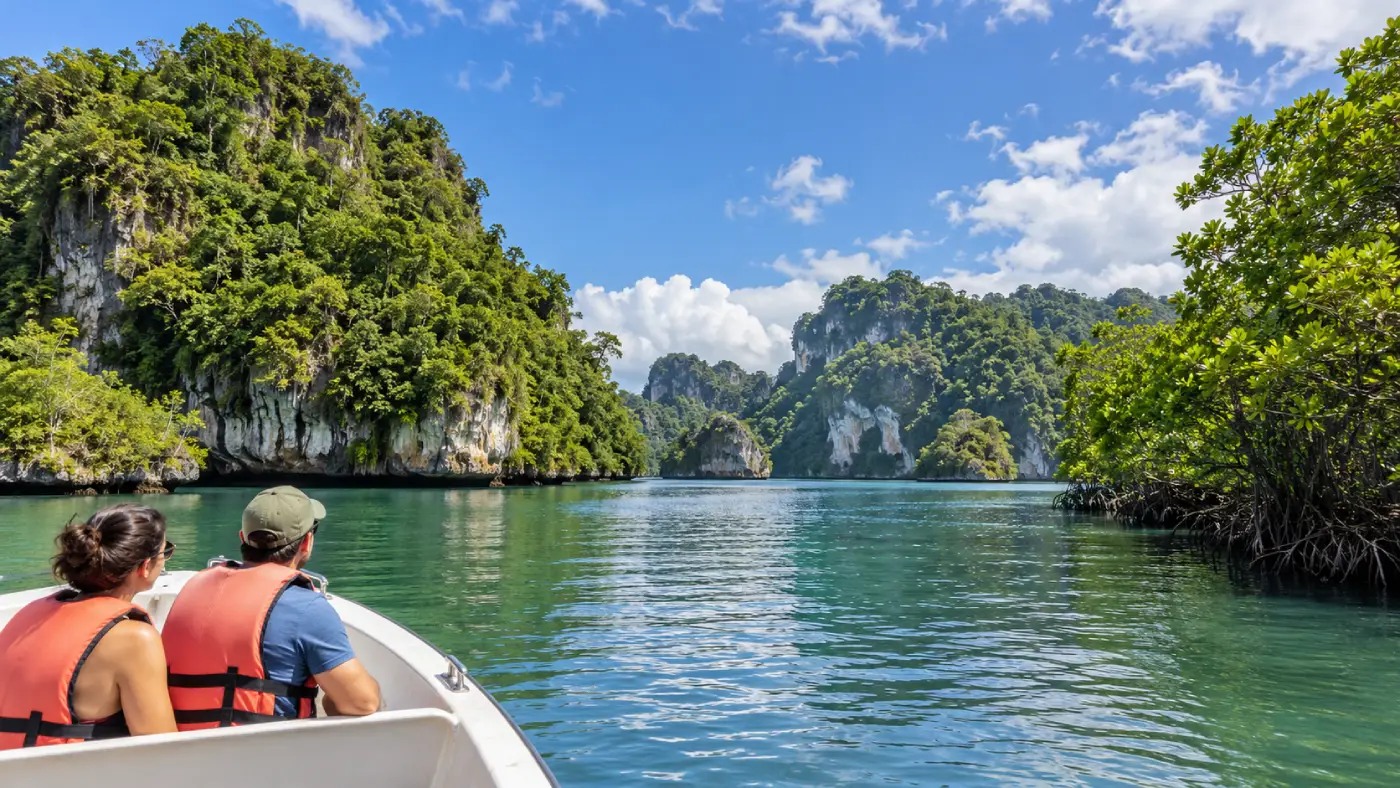
Boat travel through Los Haitises National Park reveals limestone formations rising from the water, mangrove edges and caves associated with Taíno pictographs and petroglyphs.
This is a good choice if you enjoy landscapes, birds and natural history. The boat journey and cave visits are central to the experience.
Excursions operate from the Samaná Bay area, including Samaná and Sabana de la Mar. Identify the actual departure harbour before comparing prices: a short-looking boat itinerary can involve a substantial transfer from your accommodation. Boat boarding and cave paths also deserve attention when assessing mobility needs.
El Limón combines a forest approach with a cascade dropping roughly 40 metres into a pool below. Reaching it involves hilly terrain, with walking and horseback options available.
Walking suits visitors who want the journey through the vegetation to be part of the outing. Allow a half-day window from a suitable peninsula base, including transport, the approach and time at the waterfall.
Ask about the specific trail your excursion uses if steep sections or uneven ground are a concern. Horseback travel changes part of the journey, but it should not be treated as a promise of effortless access.
Playa Rincón is a natural choice when staying around Las Galeras. It is reachable by road or boat and offers a long beach backed by palms.
Give it a relaxed half day or longer. Its appeal is the room to enjoy the setting without an overloaded activity schedule. Arrange the return journey before setting off, particularly when using a private driver or boat.
Humpback whale watching is one of the country’s most distinctive seasonal experiences. The main visitor season runs from January through March, when whales come to the Samaná area to breed and give birth.
If whales are a major reason for your trip, organize your dates and accommodation around the excursion. Departing locally keeps more of the day available for the experience itself.
Whale Samaná operates seasonal departures from the town’s main dock. Use the schedule for your intended travel dates when booking; operating calendars and departure times can vary.
Sightings involve wild animals, so neither a particular encounter nor dramatic breaching should be assumed. Consider your comfort with boat travel and leave some flexibility in your stay for conditions.
The wider best time to visit the Dominican Republic guide helps align whale watching with the rest of your trip.
The north coast offers two very different ways to spend an active day. Damajagua takes you inland through waterfalls and pools; Cabarete centres on wind, waves and instruction.
Damajagua involves a guided hike followed by sections of sliding, swimming and, where included and appropriate, jumping through a series of waterfalls and pools.
The name 27 Waterfalls describes the attraction. Many excursions cover seven falls. Iguana Mama’s seven-waterfall excursion, for example, is a specific circuit with its own participation requirements and included services.
Choose by the route and physical demands, not the highest number in an advertisement. Expect to get wet, follow the guide’s instructions and wear the required helmet, flotation equipment and suitable footwear.
Anyone uncomfortable in deep water or on uneven uphill paths should discuss those concerns before paying. Include return transport and secure handling of valuables in your Dominican Republic travel safety preparations.
Cabarete’s water-sports scene gives you access to instruction as well as a lively beach setting. Kite Beach is associated with kitesurfing, while nearby Playa Encuentro is a key surfing area.
Book an introductory lesson if you are new to the sport. Kitesurfing requires learning kite control and safety procedures, so treat a first session as an introduction; progress depends on conditions and practice.
Non-participants can enjoy the beachfront atmosphere, making Cabarete useful for a group whose members want different levels of activity.
Jarabacoa brings rivers, waterfalls and mountain landscapes into a trip otherwise focused on the coast. Rafting on the Yaque del Norte is a principal activity, alongside waterfall visits and time around the valley.
Give the area its own place in your route if the mountain setting appeals to you. An overnight stay leaves room for an activity, a slower meal and another stop without concentrating everything around a long return drive.
Rafting suits visitors comfortable with a guided water activity. Others can build a gentler day around cafés, scenery and a suitable waterfall visit, taking each site’s approach into account.
Independent travel offers flexibility between stops, but driving is a separate decision from choosing the destination. Read about renting a car in the Dominican Republic before deciding whether to drive yourself or arrange transport locally.
Bahía de las Águilas earns its place through its undeveloped coastal setting: clear water, pale sand and a rocky landscape within Jaragua National Park.
Its southwest location requires commitment. Pedernales is approximately five to six hours by road from Santo Domingo, before allowing for your final beach arrangements. We would include this experience within a southwest stay, with time around Pedernales or Cabo Rojo.
Boat trips provide access from the nearby coastal area. Organize the departure and return together, and bring drinking water, food and effective sun protection. The beach itself has no hotels, shops or restaurants, and natural shade is limited.
This is a worthwhile addition when remote coastline is a priority and you have time for the region. During a short Punta Cana holiday, the travel involved would consume a substantial share of your available days.
Compare the whole outing before comparing the headline price. Useful questions include:
Where does it actually begin? Distinguish your hotel pickup from the boat harbour, trail entrance or activity centre.
How long will you be away? Ask for the expected hotel-to-hotel duration, including shared pickups.
What is included? Identify admission, guiding, equipment, meals and transfers separately.
Which route are you buying? Look for named stops or the specific waterfall circuit, plus any age, swimming or mobility requirements.
What happens if conditions change? Understand weather cancellations, alternative routes and refund terms before payment.
Decide whether an organized excursion solves a genuine transport problem. The options for getting around the Dominican Republic vary by region, and independent travel can involve arranging several parts of the journey yourself.
Keep the seller’s name, agreed inclusions and payment receipt. Understanding common tourist scams in the Dominican Republic can help you assess an unfamiliar offer without treating every informal sales approach as fraudulent.
Allow for expenses outside the package when calculating your Dominican Republic trip budget. Prepare an appropriate mix of cash and card payments for meals, local transport and other purchases.
Save meeting points and booking details before leaving your accommodation. Useful Dominican Republic travel apps can help with daily coordination, while downloaded maps remain valuable away from a connection.
If you are choosing mobile data before departure, compare Dominican Republic eSIM options. Roafly’s Dominican Republic eSIM provides data for maps and messaging on compatible, unlocked phones; keep essential directions and reservation details available offline for remote areas and boat trips.
