

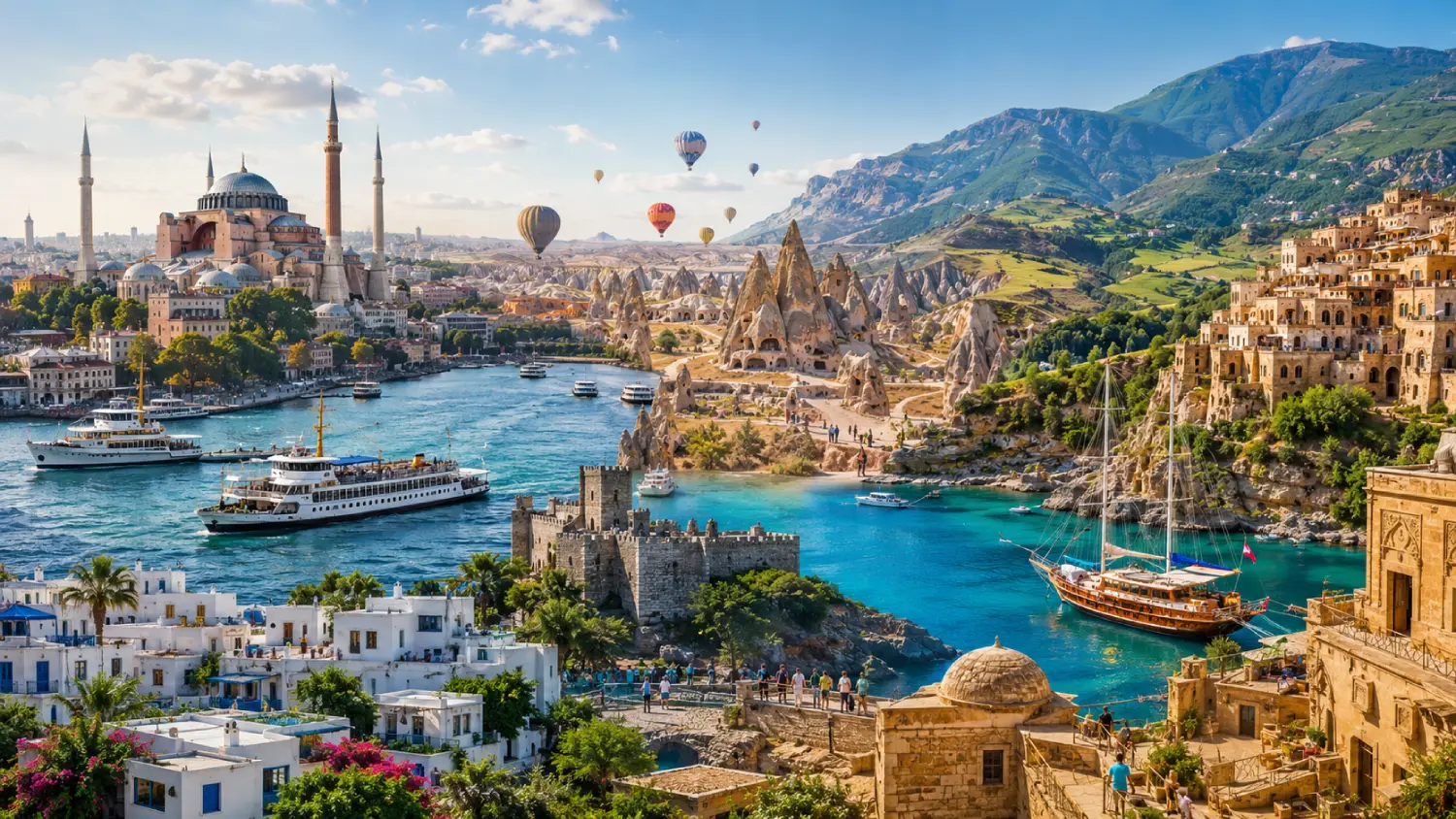

Choosing the right base in Türkiye determines whether your trip feels effortless or becomes a daily battle with traffic, transfers, steep streets, and long sightseeing journeys. The best neighborhood is not simply the closest to a famous landmark; it is the that matches your pace, transport needs, budget, and tolerance for crowds.
Before confirming accommodation, check the seasonal conditions in Best Time to Visit Turkey. Beach towns, central Anatolia, and Istanbul can feel like completely different destinations during the same week.
Quick Match: Where Should You Stay?
-
First-time visitors: Sultanahmet or Karaköy in Istanbul
-
Nightlife and dining: Beyoğlu, Kadıköy, Alaçatı, or Bodrum
-
Families: Antalya’s Lara Beach, Side, Fethiye, or Büyükada
-
Beach resorts: Lara, Belek, Side, Bodrum, or Çeşme
-
Boutique romance: Cappadocia, Alaçatı, Kaş, or Cunda
-
Budget travelers: Kadıköy, Selçuk, Antalya Old Town, or Göreme
-
Digital nomads: Kadıköy, İzmir, Fethiye, or Antalya
-
History-focused travelers: Sultanahmet, Selçuk, Safranbolu, or Şanlıurfa
-
Road-trip travelers: Kaş, Datça, Ayvalık, or the Black Sea highlands
Istanbul: Best for First-Time Visitors, Culture and City Energy
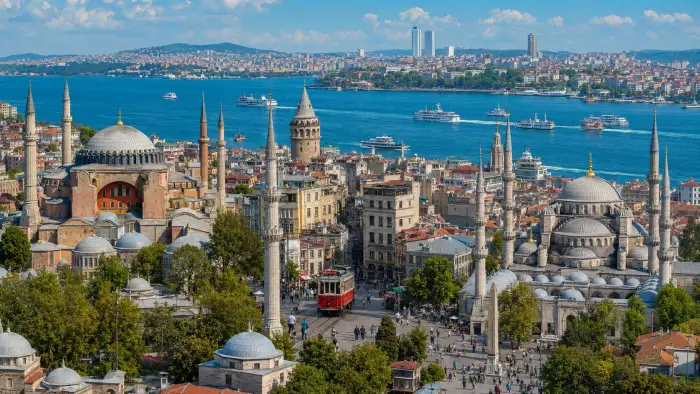
The Vibe: A vast, fast-moving metropolis where Ottoman landmarks, contemporary neighborhoods, ferry routes, nightlife, and daily local life overlap.
Who it’s for: First-time visitors, food lovers, history enthusiasts, city-break travelers, shoppers, nightlife seekers, and anyone beginning a longer Türkiye itinerary.
Istanbul is not a destination where every central neighborhood is interchangeable. Staying on the wrong side of the city can add hours of commuting, especially during weekday traffic or when bridges and ferry routes are busy.
Sultanahmet: Best for Major Historic Sights
Sultanahmet places you within walking distance of Hagia Sophia, the Blue Mosque, Topkapı Palace, the Basilica Cistern, and the Hippodrome. It is the most practical base for travelers with two or three days who want to prioritize the historic peninsula.
The area becomes noticeably quieter after tour groups leave in the evening. That makes it peaceful, but travelers seeking cocktail bars, contemporary restaurants, or late-night energy may find it too subdued.
Pros
-
Walkable access to Istanbul’s most famous landmarks
-
Convenient connection to the T1 tram
-
Large selection of boutique hotels and restored historic properties
-
Excellent for short stays and first visits
Cons
-
Restaurants around the main tourist streets can be overpriced
-
Limited nightlife
-
Cobblestones and slopes can be difficult with heavy luggage
-
Crowded during daytime sightseeing hours
Reality Check: Avoid restaurants whose staff aggressively pull customers from the pavement. Confirm menu prices before ordering seafood, alcohol, mixed grills, or dishes priced by weight.
Karaköy and Galata: Best for Cafés, Design and Couples
Karaköy sits between the historic peninsula and modern Beyoğlu, making it of the city’s most balanced bases. You can cross Galata Bridge, take ferries, use the tram, or climb toward Galata Tower and İstiklal Avenue.
The neighborhood mixes historic buildings with design hotels, coffee shops, bakeries, galleries, and fashionable restaurants. Rooms near nightlife streets can be noisy, while hotels higher toward Galata may require steep daily walks.
Pros
-
Strong transport connections
-
Excellent food and café scene
-
Easy access to both old and modern Istanbul
-
Attractive for couples and younger travelers
Cons
-
Steep streets around Galata
-
Weekend noise
-
Boutique rooms can be smaller than photographs suggest
-
Prices rise sharply around fashionable streets
Reality Check: Ask whether the hotel has an elevator. Many atmospheric historic buildings have narrow staircases, compact lifts, or rooms spread across several uneven levels.
Beyoğlu, Cihangir and Taksim: Best for Nightlife
Beyoğlu is ideal for travelers who want restaurants, bars, live music, shopping, and late-night activity. Cihangir feels more residential and creative, while Taksim offers practical transport but can feel hectic and commercial.
Choose accommodation a few streets away from İstiklal Avenue rather than directly above its busiest venues. Soundproofing matters more here than a rooftop view.
Pros
-
Huge restaurant and nightlife selection
-
Metro access from Taksim and Şişhane
-
Energetic atmosphere at almost every hour
-
Good choice for repeat visitors
Cons
-
Noise and dense crowds
-
Steep streets
-
Pickpocketing risk in congested areas
-
Some nightlife venues use aggressive pricing tactics
Reality Check: Be cautious when a stranger invites you to a bar or claims to know a special local venue. Inflated drink bills and pressure-based nightlife scams remain more relevant than violent street crime in central tourist districts.
Kadıköy and Moda: Best for Local Life and Digital Nomads
On the Asian side, Kadıköy offers food markets, casual bars, ferries, neighborhood cafés, and a less monument-focused experience. Moda is greener and calmer, with waterfront walking paths and a strong café culture.
This is a better choice for travelers who have already seen Istanbul’s main landmarks or plan to stay for a week or longer. Ferry journeys are scenic, but crossing to Sultanahmet every morning can become tiring.
Pros
-
Excellent casual dining
-
Lively but more local atmosphere
-
Good value compared with the most tourist-heavy European districts
-
Strong ferry, metro, and Marmaray connections
Cons
-
Less convenient for early-morning historic sightseeing
-
Ferries may be affected by severe weather
-
Busy nightlife streets can be noisy
-
Longer airport journeys depending on arrival airport
Reality Check: Istanbul has two major passenger airports. Confirm whether your flight uses Istanbul Airport or Sabiha Gökçen Airport before choosing a side of the city.
For detailed movement advice, read Türkiye Transport Guide. Istanbul’s scale means a cheap hotel can become expensive in lost time and repeated transport costs.
Cappadocia: Best for Cave Hotels, Sunrises and Romance
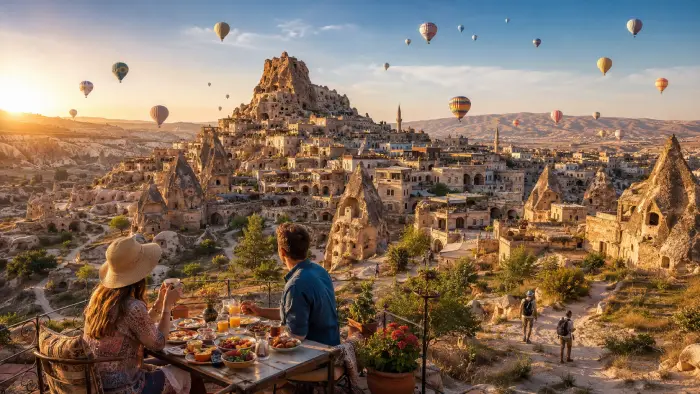
The Vibe: A surreal volcanic landscape of cave rooms, stone villages, valleys, viewpoints, and dawn balloon flights.
Who it’s for: Couples, photographers, honeymooners, hikers, boutique-hotel travelers, and visitors seeking of Türkiye’s most distinctive landscapes.
Cappadocia is a region rather than a single town. Your choice between Göreme, Uçhisar, Ürgüp, Ortahisar, and Mustafapaşa changes your access to restaurants, viewpoints, trails, and evening activity.
Göreme: Best for Convenience and Budget Travelers
Göreme has the widest selection of cave hotels, backpacker rooms, tour offices, restaurants, and shuttle services. Several hiking routes and viewpoints are accessible directly from town.
It is also the region’s busiest base. Central streets can feel crowded at breakfast time, and highly photographed hotel terraces may prioritize staged photo sessions over privacy.
Pros
-
Broadest accommodation range
-
Easy tour pickups
-
Walkable restaurants and cafés
-
Convenient for travelers without a car
Cons
-
Busy and commercial
-
Uneven roads and steep paths
-
Variable cave-room ventilation
-
Sunrise noise from rooftop activity and tour departures
Uçhisar: Best for Luxury and Panoramic Views
Uçhisar is quieter, more polished, and known for premium cave properties overlooking Pigeon Valley. It suits couples and luxury travelers who value views and privacy over nightlife.
Pros
-
Outstanding valley panoramas
-
Sophisticated boutique hotels
-
Quieter evenings
-
Romantic atmosphere
Cons
-
Higher accommodation prices
-
Fewer casual dining options
-
Less convenient without private transport
-
Significant slopes
Ürgüp and Ortahisar: Best for a Quieter Stay
Ürgüp has a more developed town center, wine culture, and restored stone mansions. Ortahisar feels more intimate and traditional, centered around its dramatic rock fortress.
Reality Check: A cave room is not automatically luxurious. Some rooms have limited natural light, humidity, uneven temperatures, low ceilings, or no conventional air-conditioning.
Balloon flights are weather-dependent and can be canceled even when the sky looks clear from the ground. Do not book a single-night stay solely around balloon morning.
Antalya Coast: Best for Resorts, Families and Easy Beaches
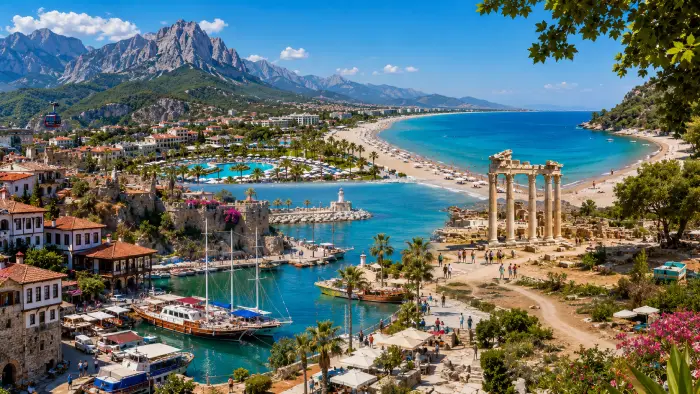
The Vibe: A sunny Mediterranean region combining all-inclusive resorts, historic centers, family beaches, ancient ruins, and long summer seasons.
Who it’s for: Families, resort travelers, beach lovers, package-holiday visitors, and travelers wanting warm weather with straightforward tourism infrastructure.
Antalya is both a large city and the gateway to a much wider coastal province. Staying in central Antalya is a different experience from booking a resort in Lara, Belek, Side, Kemer, or Alanya.
Kaleiçi: Best for History and Boutique Hotels
Kaleiçi, Antalya’s old town, is filled with Ottoman-era houses, courtyard hotels, restaurants, and lanes descending toward the marina. It is atmospheric and walkable, but not the best choice for a traditional sandy-beach holiday.
Pros
-
Historic character
-
Restaurants and nightlife nearby
-
Good base for short city stays
-
Boutique guesthouses with personality
Cons
-
Limited vehicle access
-
Nighttime noise
-
Uneven streets
-
Small pools and compact rooms
Reality Check: Some taxis and transfers cannot reach hotel doors inside the pedestrianized old town. Confirm the exact luggage drop-off point before arrival.
Lara Beach: Best for Easy Resort Holidays
Lara is known for large beachfront hotels, family facilities, pools, entertainment programs, and airport convenience. The experience is resort-centered rather than culturally immersive.
Pros
-
Close to Antalya Airport
-
Strong family facilities
-
Large pools and private beach zones
-
Convenient all-inclusive packages
Cons
-
Limited local atmosphere
-
Resort extras may cost more than expected
-
Less suitable for independent exploration
-
Summer temperatures can be intense
Belek and Side: Best for Families and Golf
Belek specializes in upscale resorts, golf courses, spas, and controlled holiday environments. Side combines beach access with a historic center and ancient ruins, making it more varied for travelers who dislike staying entirely inside a resort.
Kemer and Çıralı: Best for Mountains and Nature
Kemer offers resorts, marinas, and active nightlife beneath dramatic mountains. Çıralı is quieter, greener, and better for small pensions, nature, and access to the ruins of Olympos.
Reality Check: Distances along the Antalya coast are larger than they appear on hotel booking maps. A property advertised as being in Antalya may sit far outside the city center.
Fethiye, Ölüdeniz and Kaş: Best for Scenic Coastal Adventures
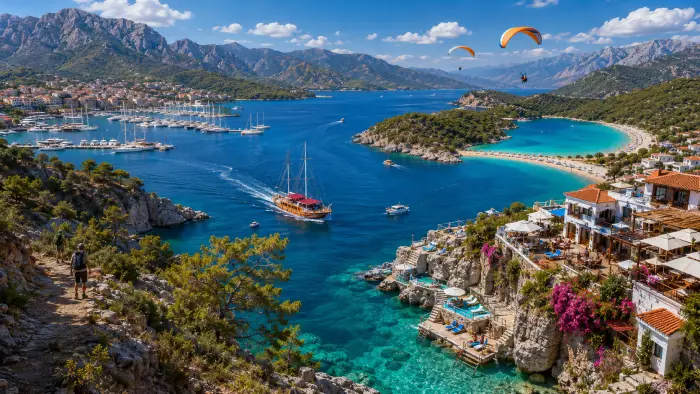
The Vibe: Turquoise bays, boat trips, paragliding, hiking routes, small marinas, and relaxed Mediterranean evenings.
Who it’s for: Active couples, independent travelers, hikers, sailors, road-trippers, and visitors who want scenery without an enormous resort complex.
Fethiye: Best for Transport and Longer Stays
Fethiye is a practical working town with a marina, markets, supermarkets, bus connections, and access to nearby beaches. It is a sensible base for travelers planning boat trips, day excursions, or several weeks on the coast.
Pros
-
Good local services
-
Wide accommodation range
-
Useful transport hub
-
Attractive waterfront
Cons
-
No major sandy beach in the town center
-
Summer traffic
-
Less intimate than Kaş
-
Waterfront rooms may face evening noise
Ölüdeniz and Hisarönü: Best for Beaches and Paragliding
Ölüdeniz is the most convenient base for the famous lagoon and paragliding activities. Hisarönü sits uphill and offers more nightlife, package hotels, and easy access to both Ölüdeniz and Fethiye.
Reality Check: The lagoon and main beachfront can become extremely crowded during high summer. Properties described as being near Ölüdeniz may sit on steep hills or require shuttle transport.
Kaş: Best for Couples and Boutique Coastal Living
Kaş has whitewashed streets, rooftop restaurants, swimming platforms, boat trips, and a sophisticated independent-travel atmosphere. It is particularly attractive for couples who prefer small hotels over all-inclusive compounds.
Pros
-
Beautiful town center
-
Excellent diving and boat excursions
-
Strong boutique-hotel selection
-
Relaxed evening scene
Cons
-
Limited sandy beaches
-
Steep terrain
-
Long airport transfers
-
High prices in peak season
Reality Check: Kaş is scenic but remote. Travelers with early flights from Dalaman or Antalya should not underestimate transfer times.
Bodrum Peninsula: Best for Nightlife, Luxury and Beach Clubs
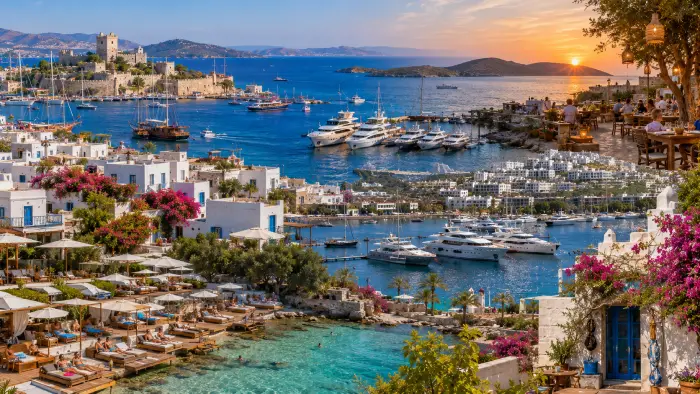
The Vibe: Whitewashed towns, marinas, seafood restaurants, luxury resorts, stylish beach clubs, and late-summer nightlife.
Who it’s for: Couples, groups of friends, luxury travelers, nightlife seekers, sailors, and travelers interested in high-end coastal dining.
Bodrum Town: Best for Nightlife and First Visits
Bodrum Town provides the peninsula’s strongest combination of history, restaurants, marina access, shopping, and nightlife. Stay near the center for walkability, but avoid rooms directly above bar streets unless late-night noise is part of the plan.
Yalıkavak: Best for Marina Luxury
Yalıkavak attracts yacht travelers, luxury shoppers, upscale diners, and visitors seeking polished waterfront accommodation. Prices can be dramatically higher than in less fashionable peninsula towns.
Gümüşlük and Bitez: Best for Relaxed Evenings
Gümüşlük is known for sunset seafood restaurants and a bohemian atmosphere. Bitez offers a calmer beach environment with easier access to Bodrum Town.
Pros
-
Wide range of coastal personalities
-
Excellent dining and nightlife
-
Strong luxury-hotel market
-
Attractive marina culture
Cons
-
Heavy summer traffic
-
Expensive taxis and restaurants
-
Beaches vary significantly by town
-
Popular venues may require reservations
Reality Check: The Bodrum Peninsula is spread out. A hotel with “Bodrum” in its address may be a long drive from Bodrum Town, particularly during July and August congestion.
İzmir, Çeşme and Alaçatı: Best for Food, Local City Life and Stylish Weekends
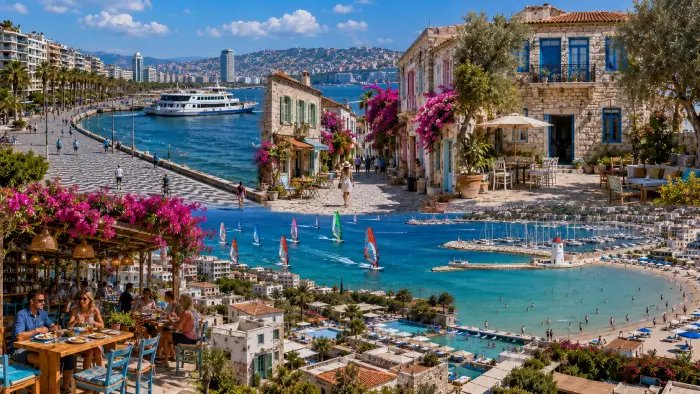
The Vibe: A relaxed Aegean combination of urban waterfront life, beach clubs, windsurfing, stone houses, seafood, and fashionable summer crowds.
Who it’s for: Food-focused travelers, couples, digital nomads, repeat visitors, weekend travelers, and those combining cities with beaches.
Alsancak and Konak: Best for Central İzmir
Alsancak offers cafés, nightlife, restaurants, and access to İzmir’s waterfront promenade. Konak is more convenient for historic markets, ferries, and transport connections.
İzmir works well as a practical city base, but travelers expecting a beach resort in the city center may be disappointed. The strongest swimming areas are outside central İzmir.
Alaçatı: Best for Boutique Hotels and Nightlife
Alaçatı is famous for stone houses, bougainvillea-filled lanes, courtyard hotels, restaurants, and windsurfing. It is highly photogenic but can feel packed and expensive on summer weekends.
Pros
-
Attractive boutique accommodation
-
Excellent restaurants
-
Stylish nightlife
-
Access to Çeşme Peninsula beaches
Cons
-
High peak-season prices
-
Weekend congestion
-
Limited parking
-
Significant nightlife noise in central lanes
Çeşme and Ilıca: Best for Beach Access
Çeşme provides marina activity and a broader town environment, while Ilıca is known for a long sandy beach and shallow water that can work well for families.
Reality Check: Central Alaçatı is not directly on the beach. Confirm whether accommodation offers a beach shuttle or whether you will need taxis, minibuses, or a rental car.
Selçuk and the Aegean Heritage Route: Best for Ancient History
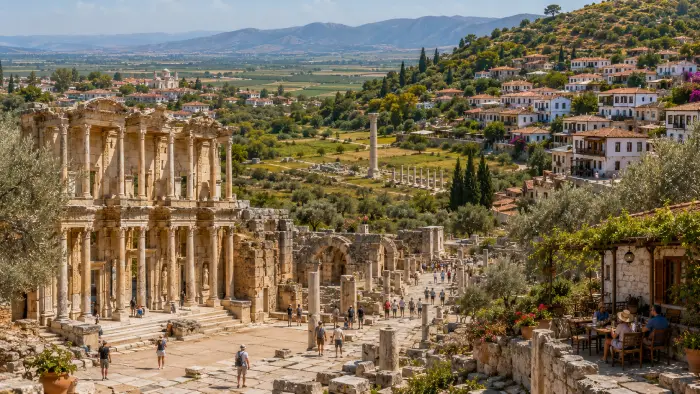
The Vibe: A slower, history-rich region of ancient ruins, traditional towns, vineyards, rural guesthouses, and manageable day trips.
Who it’s for: History lovers, archaeology enthusiasts, road-trippers, families, and travelers seeking quieter nights than coastal party towns.
Selçuk: Best for Visiting Ephesus
Selçuk is the practical base for Ephesus, the Ephesus Archaeological Museum, and nearby historical sites. It offers affordable guesthouses, train connections, and local restaurants without the atmosphere of a large resort.
Şirince: Best for Rural Romance
Şirince is a hillside village of stone houses, small hotels, tasting rooms, and countryside views. It becomes busy with day-trippers but grows quieter in the evening.
Pros
-
Convenient access to major archaeological sites
-
Better value than luxury coastal towns
-
Relaxed pace
-
Suitable for or two nights
Cons
-
Limited nightlife
-
Very hot summer sightseeing conditions
-
Uneven village streets
-
Fewer full-service hotels
Reality Check: Visit exposed archaeological sites early in the morning. Shade is limited, distances are considerable, and midday heat can make a casual visit physically demanding.
Black Sea Coast: Best for Green Landscapes and Cooler Summers
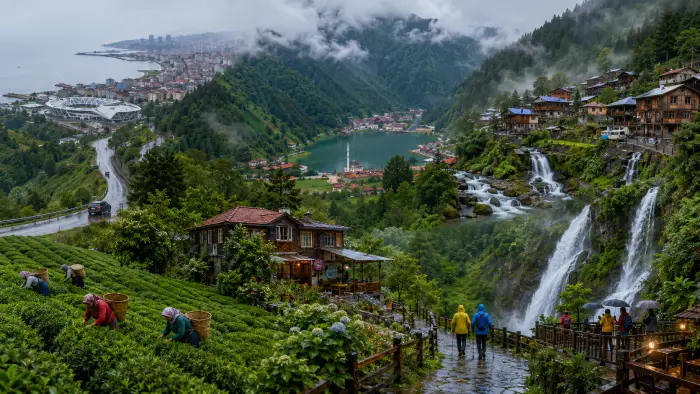
The Vibe: Forested mountains, tea fields, misty plateaus, waterfalls, coastal towns, and a wetter climate than most visitors associate with Türkiye.
Who it’s for: Nature travelers, photographers, domestic-culture enthusiasts, hikers, and road-trippers comfortable with changing weather.
Trabzon: Best for Transport and Regional Access
Trabzon is the main gateway for the eastern Black Sea. It is practical for flights, car rentals, and excursions, although many travelers use it mainly as a transit base.
Uzungöl and Ayder Plateau: Best for Mountain Scenery
Uzungöl offers dramatic lake-and-mountain views but has become highly developed. Ayder Plateau provides forest scenery, thermal traditions, and access to highland landscapes.
Pros
-
Cooler summer temperatures
-
Lush scenery
-
Distinctive regional food
-
Excellent road-trip potential
Cons
-
Frequent rain and fog
-
Limited English in rural areas
-
Winding mountain roads
-
Weekend and holiday congestion
Reality Check: Weather can change quickly, and mobile coverage may weaken in remote valleys. Do not rely on clear skies at the coast as proof that mountain conditions are safe.
Southeastern Türkiye: Best for Food, Archaeology and Experienced Travelers
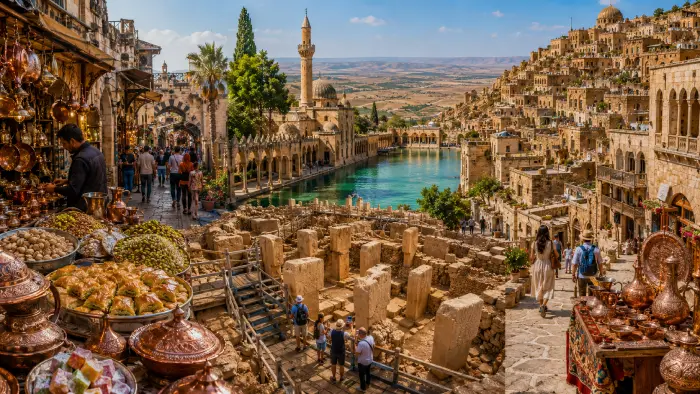
The Vibe: Deep history, monumental archaeology, stone architecture, powerful regional cuisine, and culturally rich cities far from the standard beach itinerary.
Who it’s for: Experienced independent travelers, food lovers, archaeology enthusiasts, and visitors comfortable monitoring regional conditions.
Gaziantep: Best for Culinary Travel
Gaziantep is a major food destination known for kebabs, pistachio-based desserts, markets, and an important mosaic museum. Stay centrally for easier restaurant access, but prepare for hot summer conditions.
Şanlıurfa: Best for History and Traditional Atmosphere
Şanlıurfa offers historic bazaars, courtyard architecture, religious heritage, and access to Göbeklitepe. Conservative social norms are more visible than in Istanbul or the Aegean resorts.
Mardin: Best for Architecture and Views
Mardin’s old city climbs a steep hillside overlooking the Mesopotamian plains. Restored stone hotels can be beautiful, but stairs, vehicle restrictions, and uneven streets require careful planning.
Pros
-
Exceptional regional cuisine
-
Major archaeological significance
-
Distinctive architecture
-
Fewer international tour crowds
Cons
-
Intense summer heat
-
Longer transport connections
-
More conservative local customs
-
Regional security conditions require attention
Reality Check: Avoid border districts, military areas, demonstrations, and any location covered by an active travel warning. Conditions can differ significantly between established tourist cities and remote southeastern areas.
Read Is Türkiye Safe? What Tourists MUST Know before creating a southeastern road trip. Travelers should also review photography restrictions, conduct expectations, and prohibited behavior in Turkey Tourist Bans & Laws.
Accommodation Reality Check: 2026 Advice
Türkiye’s accommodation market changes dramatically by season. Cave hotels in Cappadocia, central properties in Istanbul, and premium Aegean or Mediterranean resorts can sell out well ahead of spring holidays and the July–August peak.
Confirm what is included in the displayed rate. Breakfast, airport transfers, beach access, parking, spa facilities, local taxes, and resort services may be listed separately depending on the property and booking platform.
In 2026, Türkiye’s accommodation tax was temporarily reduced from two percent to percent for stays between May and December. Travelers should still verify whether the tax is included in the prepaid total or collected by the property.
Room descriptions also require careful reading. A “sea-view” room may offer a partial angle, a “cave suite” may lack windows, and an old-town hotel may be accessible on foot.
Check these details before paying:
-
Whether the building has an elevator
-
Whether air-conditioning is available in the actual room
-
Whether reception operates for late arrivals
-
Whether breakfast is included
-
Whether the hotel is accessible by vehicle
-
Whether beach facilities require an additional payment
-
Whether the room faces a bar, road, mosque, or construction site
-
Whether airport transfer prices are fixed in advance
Avoid paying outside the booking platform unless you have independently verified the property. Keep written confirmation of the room category, cancellation policy, payment amount, and included services.
The Universal Rule: Connectivity Is Survival
Hotel Wi-Fi in Türkiye may work well in a city lobby and disappear inside a thick-walled room, stone mansion, basement restaurant, mountain valley, or cave hotel. Resort networks can also become overloaded when hundreds of guests connect during the evening.
Need data in Türkiye? Get an eSIM!
Choose the perfect data plan for your trip

Manage your eSIM in the app
Install, top up and track data.
Continuous mobile data is especially important when navigating Istanbul’s transport system, finding the correct airport terminal, checking ferry disruptions, translating addresses, coordinating hotel arrivals, or driving between coastal towns. It also helps travelers confirm routes before accepting a taxi journey and locate verified transport services in unfamiliar districts.
Türkiye eSIM keeps you connected seamlessly from the second you land, without spending your first hour searching for a physical SIM counter. Compare current options in Best eSIM for Turkey and review setup alternatives in How to Get Mobile Internet in Turkey.
Final Area Checklist
- Choose Sultanahmet for a short, landmark-focused Istanbul visit.
- Choose Karaköy for the best balance of sightseeing, restaurants, and transport.
- Choose Kadıköy for local life, food, and longer city stays.
- Choose Göreme for convenient Cappadocia tours and varied budgets.
- Choose Uçhisar for luxury cave hotels and panoramic views.
- Choose Lara or Belek for an uncomplicated family resort holiday.
- Choose Kaş for boutique coastal romance and boat trips.
- Choose Bodrum for nightlife, marinas, and luxury travel.
- Choose Alaçatı for stylish hotels, restaurants, and summer energy.
- Choose Selçuk for Ephesus and affordable historical sightseeing.
- Choose the Black Sea highlands for cool landscapes and nature.
- Choose Gaziantep, Şanlıurfa, or Mardin for food, archaeology, and a more advanced independent itinerary.