

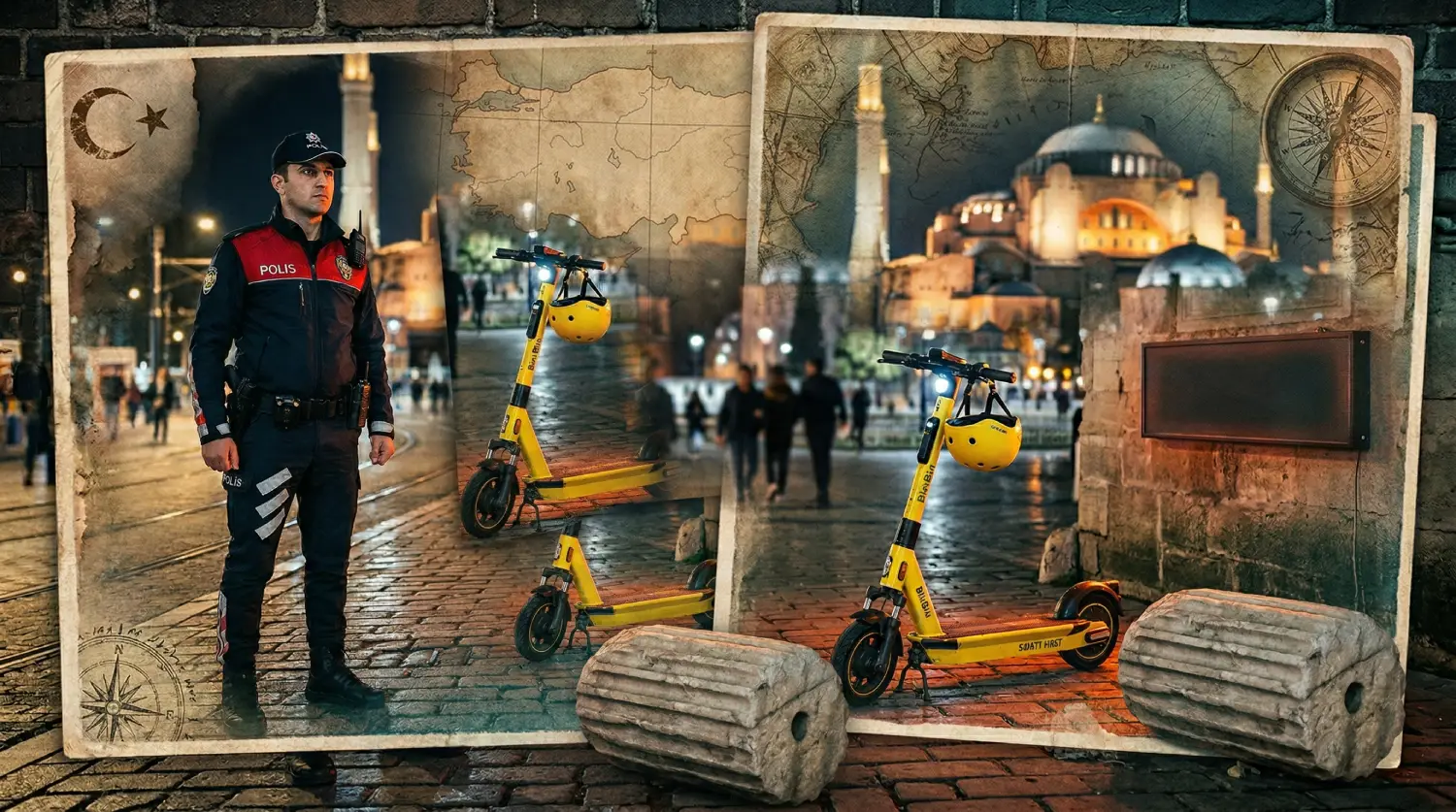

Turkey (officially Türkiye) is of the most welcoming and heavily visited countries in the world. As a nation bridging Europe and Asia, it offers an incredible mix of liberal, modern coastal cities and deeply traditional, conservative heartlands. However, this unique blend means tourists often misjudge the line between "relaxed holiday vibe" and "strict legal boundary." Ignorance is never an excuse in the eyes of Turkish law enforcement. Police actively patrol tourist hotspots like Sultanahmet, Taksim, and the coastal resorts of Antalya, and they will not hesitate to enforce the rules on foreigners who step out of line. For official travel advisories and general tourism information, you should always bookmark the official Go Türkiye government tourism portal. But for the street-smart, unvarnished truth about what can get you arrested, fined, or scammed, keep reading.
The "Big Red Line": Disrespecting the Nation, the Flag, and Atatürk
If there is absolute, non-negotiable rule in Turkey, it is this: do not insult the republic, the Turkish flag, the President, or the founding father of modern Turkey, Mustafa Kemal Atatürk.
While many Western countries have relaxed laws regarding freedom of speech and the burning or defacing of national symbols, Turkey enforces strict penal codes protecting its national dignity. Under Article 301 of the Turkish Penal Code, it is a criminal offense to publicly denigrate the Turkish Nation, the State of the Republic of Turkey, or its government institutions. Furthermore, Law No. 5816 specifically protects the memory of Atatürk.
What does this mean for a tourist?
-
Do not deface or disrespect currency: Turkish Lira features the face of Atatürk. Tearing, burning, or intentionally stepping on money is a criminal offense.
-
Watch your social media: The authorities actively monitor digital platforms. If you post a joke or an insulting meme about Turkish leaders, the flag, or the military, you can be arrested at the airport upon arrival or departure.
-
Respect the flag: Never sit on a towel or blanket that looks like the Turkish flag, and never mock it.
-
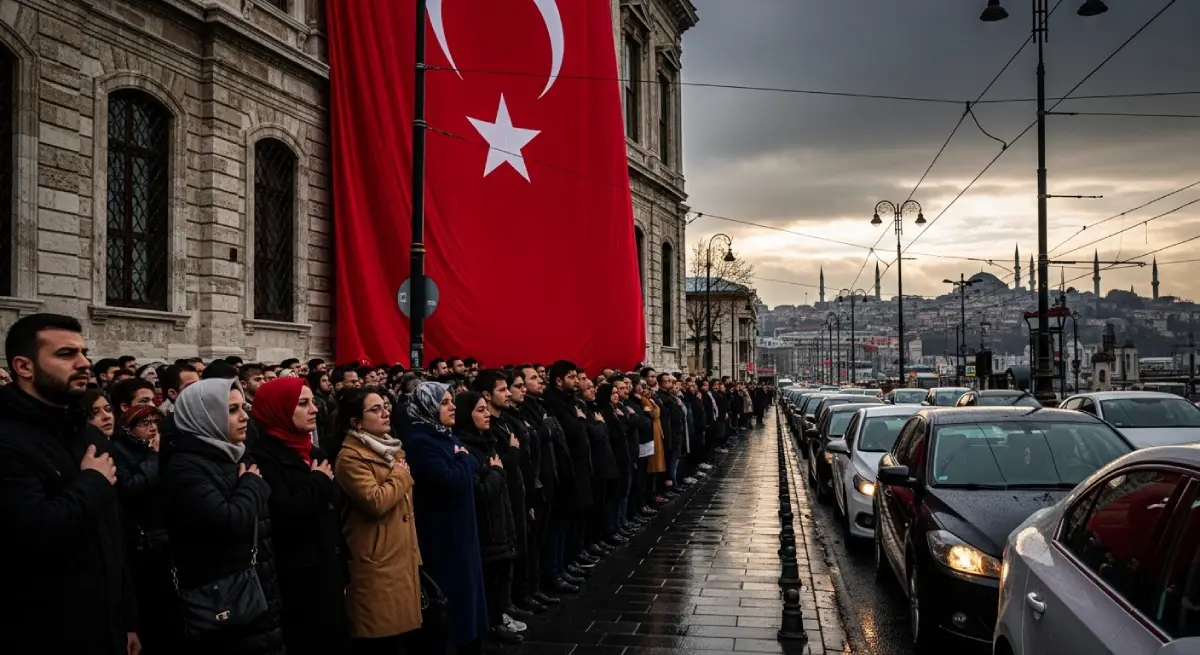
Stand still for the siren: On November 10th at 9:05 AM, the entire country stops to observe a minute of silence for the anniversary of Atatürk's death. Traffic halts, and pedestrians stand at attention. If you are caught walking, laughing, or ignoring this, you will face extreme public hostility and potential police intervention.
If you are planning your trip and want to know when national holidays or solemn days like this occur, check out our comprehensive guide on the Best Time to Visit Turkey (Türkiye) so you can be prepared for local customs and public sentiment.
Traffic & Scooter Rules (The Tourist Trap)
Navigating Turkish traffic requires high situational awareness. While the infrastructure is highly developed, the driving culture can be aggressive and unpredictable for a tourist.
If you plan to rent a car, an International Driving Permit (IDP) is required along with your home country's driver's license if you stay longer than six months, though rental companies often ask for it immediately if your license is not printed in the Latin alphabet.
However, the real tourist trap involves the booming e-scooter and e-bike market. Apps like Martı and BinBin are everywhere in Istanbul, Izmir, and Antalya.
-
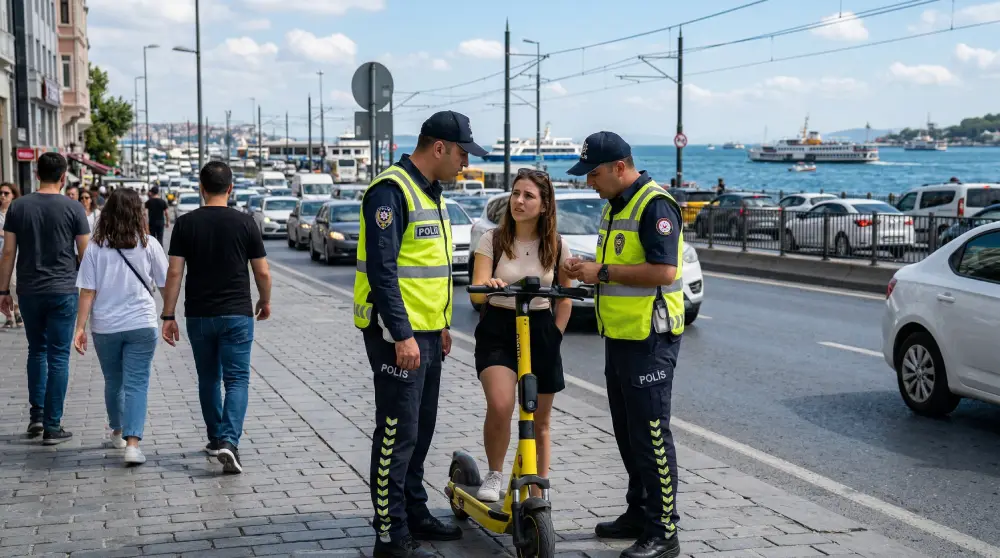
The Sidewalk Ban: It is strictly illegal to ride e-scooters on sidewalks. You must use bike lanes or the right side of the main road. Police in Istanbul frequently set up checkpoints and hand out on-the-spot fines to tourists riding on pedestrian paths.
-
Age and Passenger Limits: You must be at least 15 years old to ride an e-scooter, and carrying a second passenger is illegal.
-
The Taxi Hustle: While not a "law" you break, be aware of the laws taxis break. Always insist the driver turns on the "taksimetre" (meter). If they claim it is broken or offer a fixed price, get out. The law mandates meter usage, and tourists are the primary targets for this scam.
Substance Regulations (Vaping, Alcohol & Meds)
Turkey has a complex relationship with substances. While it produces world-famous local beers and wines, it also imposes strict regulations and massive taxes on alcohol and tobacco products.
Is Vaping Legal? (2026 Status)
The law regarding vaping in Turkey is notoriously gray and often confusing for tourists. The sale, import, and distribution of e-cigarettes and vape liquids are completely illegal in Turkey. You will not find official vape shops, and buying from underground markets exposes you to dangerous, unregulated counterfeit products.
However, using a vape is not legally penalized. As a tourist, you are allowed to bring a reasonable amount (typically device and a small amount of liquid) for personal use. But do not try to bring in bulk, or it will be confiscated by customs for suspected smuggling. For the exact allowances and current border policies, read our detailed breakdown of Turkey Airport Customs Rules: Alcohol, Cigarettes & Vaping. Furthermore, remember that the same smoking bans apply to vaping: you cannot vape indoors, on public transport, or in covered outdoor dining areas.
Alcohol Restrictions
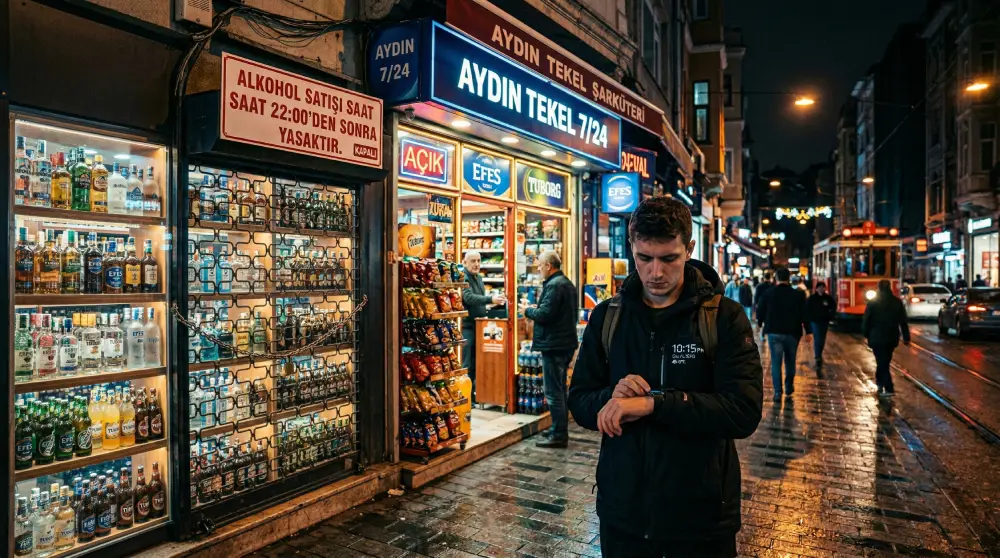
Alcohol is legal and widely available in supermarkets, bars, and restaurants, especially in western and coastal regions. However, there are strict retail laws:
-
The 10 PM Rule: Supermarkets, off-licenses (known locally as Tekel shops), and convenience stores are legally forbidden from selling alcohol between 22:00 and 06:00. If you want a late-night drink, you must go to a licensed bar or restaurant.
-
Public Drinking: While not explicitly outlawed nationwide, drinking alcohol on the street, in parks, or at the beach is heavily frowned upon and can lead to police intervention for "disturbing the peace," especially in more conservative cities like Konya, Bursa, or the central neighborhoods of Istanbul (like Fatih). Stick to licensed establishments.
Medicine & Drugs
Turkey has a zero-tolerance policy for illegal drugs. Do not buy, sell, or consume narcotics. Prisons here are notoriously tough, and the legal system moves slowly.
When it comes to prescription medication, Turkey is exceptionally strict about drugs containing stimulants or strong narcotics (like Adderall, Ritalin, or heavy painkillers). If you must travel with these, you must carry the original prescription, a doctor's letter explaining why you need them, and enough for the duration of your stay. Failure to provide documentation can result in the medication being seized or, worse, drug trafficking charges.
Weird & Niche Laws (Must Research)
Beyond the obvious, Turkey has several specific laws that frequently catch tourists off guard.

-
The Antiquities Trap (Do Not Take Stones): This is of the most critical warnings. Turkey sits on layers of ancient civilizations (Roman, Greek, Byzantine, Ottoman). It is strictly illegal to export any antiquities or historical artifacts. Tourists have been arrested and faced severe prison sentences simply for picking up an "interesting stone" or a piece of broken pottery from a beach, a dirt path, or an ancient ruin like Ephesus. Leave the rocks where they are. Do not buy "antiques" from street vendors without official government certification allowing their export.
-
Mandatory ID Law: Under Turkish law, everyone (citizens and tourists alike) must carry official photo identification at all times. For tourists, this means your original passport, not a photocopy. Police frequently conduct random identity checks in tourist areas, metro stations, and busy streets. If you cannot produce your passport, you can be detained until your identity is verified.
-
Drone Restrictions: Do not bring a drone to Turkey without registering it first. Flying drones without approval from the Directorate General of Civil Aviation (SHGM) is illegal, especially near airports, military bases, or crowded historical sites. If you fly a drone over the Bosphorus or near a government building, it will be confiscated, and you will be heavily fined.
Cultural Taboos (Don't Be Rude)
Turkish people are intensely proud of their culture and deeply hospitable, but understanding the local etiquette will save you from dirty looks and hostile encounters.
-
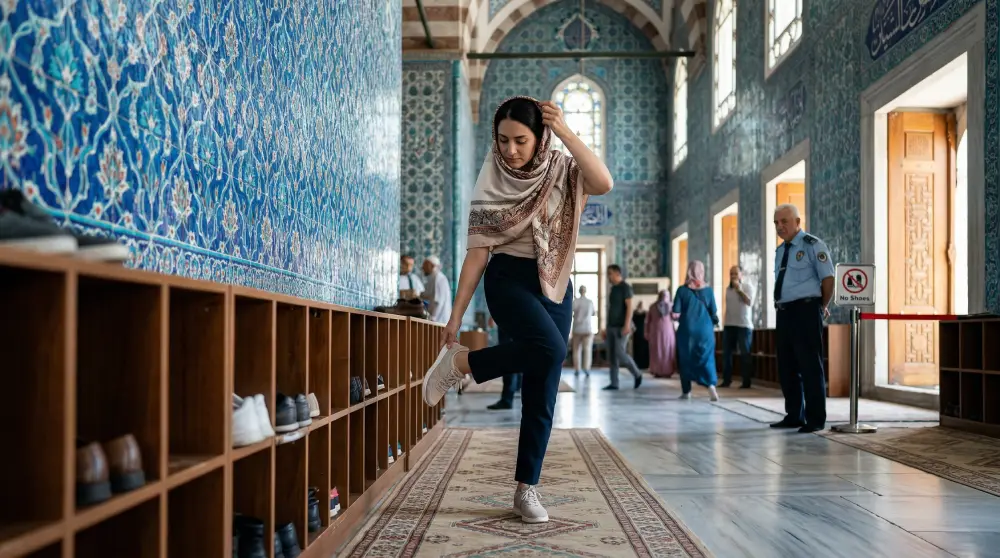
Mosque Etiquette: Mosques are active places of worship, not just tourist attractions. You cannot enter wearing shorts, sleeveless shirts, or revealing clothing. Women must cover their hair with a scarf. Shoes must always be removed before stepping the mosque carpets. Avoid visiting during the five daily prayer times, especially on Fridays at noon.
-
Public Displays of Affection (PDA): While holding hands is perfectly fine in modern areas like Kadıköy, Beşiktaş, or Bodrum, passionate kissing or heavy PDA is considered deeply offensive and inappropriate, particularly in rural areas or conservative neighborhoods.
-
Shoes Indoors: Never wear your shoes inside a Turkish home. This is considered incredibly dirty and disrespectful. You will almost always be offered slippers (terlik) by your host at the door.
-
Blowing Your Nose: Loudly blowing your nose in public, especially at a restaurant or dining table, is considered extremely vulgar. Sniffle until you can excuse yourself to the restroom.
Stay Connected to Stay Safe
Navigating foreign laws, translating menus, checking e-scooter zones, or quickly pulling up your digital embassy documents requires a stable internet connection. Relying on public Wi-Fi in Turkey is a security risk and highly impractical when you need immediate access to Google Maps to avoid an aggressive taxi scam or to translate a police officer's instructions during a random ID check.
Need data in Türkiye? Get an eSIM!
Choose the perfect data plan for your trip

Manage your eSIM in the app
Install, top up and track data.
The smartest way to protect yourself and stay compliant with local rules is to ensure you have data from the minute you land. To understand your options, check out our guide on How to Get Mobile Internet in Turkey
To bypass the hassle of physical SIM cards and language barriers at the airport, we highly recommend getting a reliable eSIM. Not does it keep you connected for emergencies, but it also helps you cross-reference local laws on the go. Compare the top options in our Best eSIM for Turkey guide, and grab a tailored plan for your trip right here:
Make sure you are prepared by securing your Turkey eSIM
Summary Checklist (Don't Be That Tourist)
-
Never insult Atatürk, the flag, or the Republic: Keep your opinions and social media posts respectful.
-
Leave the rocks alone: Do not pick up or try to take home any stones, fossils, or artifacts from historical sites or beaches.
-
Carry your passport: Photocopies are not legally sufficient; you must carry your physical passport at all times for police spot checks.
-
Buy your alcohol before 10 PM: Retail sales stop strictly at 22:00.
-
Dress appropriately for mosques: Cover your shoulders, knees, and hair (for women), and always take your shoes off.
-
Don't ride e-scooters on the sidewalk: Stick to the road or bike lanes to avoid instant police fines.