Download the App and manage your eSIMs easily
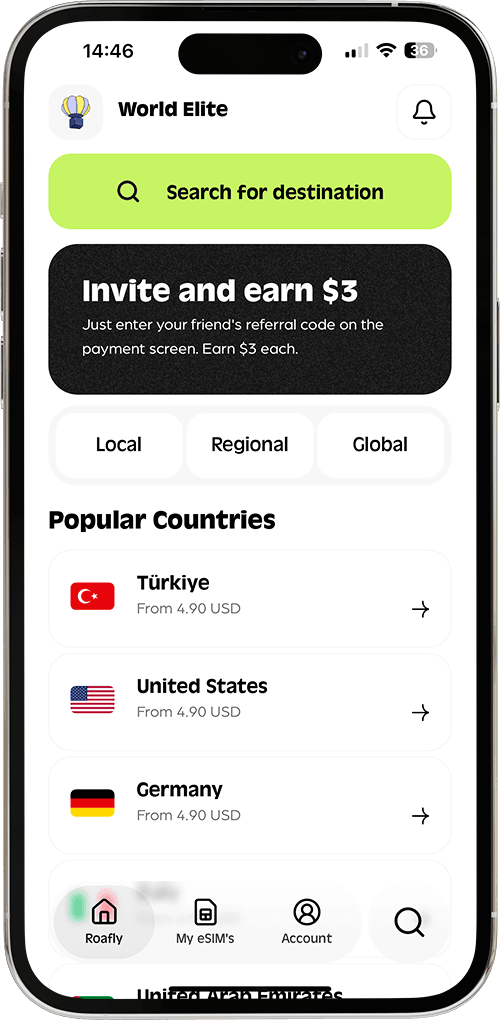
Create your order quickly
See your eSIM details
Track your remaining data
Download the App and manage your eSIMs easily
Create your order quickly
See your eSIM details
Track your remaining data
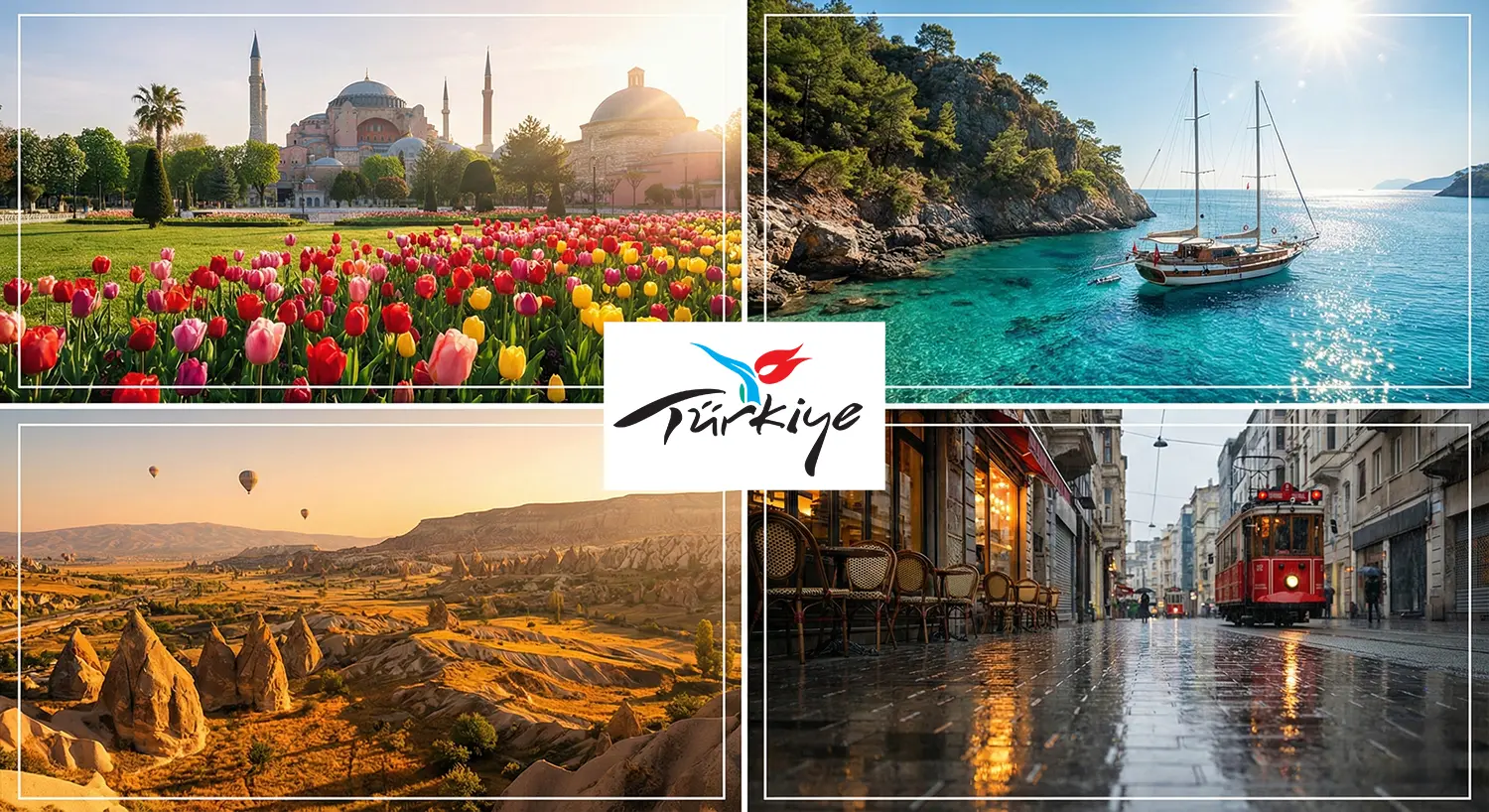
Turkey is one of the rare destinations that works in every season—sun-soaked coasts in summer, city breaks and food in winter, and near-perfect sightseeing in spring and fall. With visitor numbers consistently in the tens of millions each year, the country is built for tourism at scale, especially along the Aegean and Mediterranean in peak summer.

Sophie Callahan
Updated Dec 22, 2025
6 min read
Save 15% on your Roafly eSIM
Stay connected on your next trip. Use the code below at checkout.
View All DestinationsJump to section
👇Save 15% on your Roafly eSIM
Stay connected on your next trip. Use the code below at checkout.
View All Destinations
Manage your eSIM in the app
Install, top up and track data.
You’ll see both names. “Türkiye” is the country’s official name at the United Nations after a formal request in 2022. In English, “Turkey” remains widely used in travel planning, airline searches, and most guidebooks, so travelers shouldn’t be surprised if both appear on signs, tickets, or travel content.
For your trip, this is the practical takeaway: search “Turkey” for the broadest range of travel results, and recognize “Türkiye” as the official modern label you’ll increasingly encounter in formal contexts.
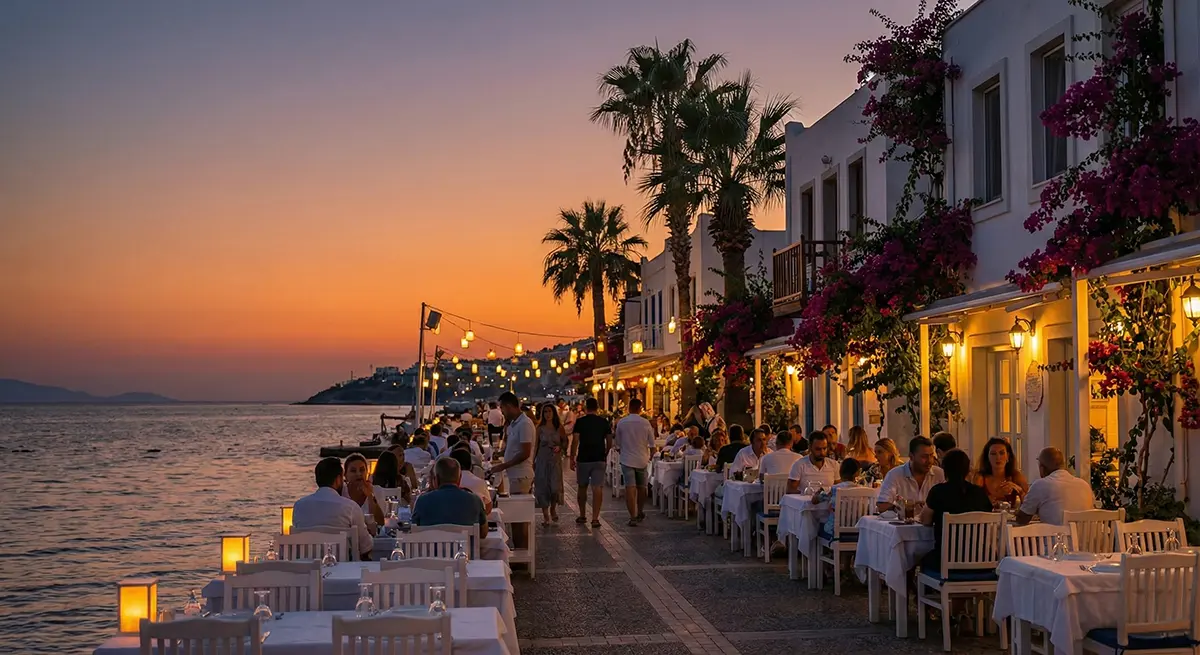
If you’re asking “when is Turkey most visited?” the answer is straightforward: summer. June through August is peak season on the coast (Antalya, Bodrum, Fethiye, Marmaris, Kaş), with packed flights, fully booked beach resorts, and higher prices.
So why do people keep recommending spring and fall? Not because summer is quiet—it isn’t. It’s because spring and fall are often the most comfortable months to move around. Many reputable travel guides point to April–May and September–October as ideal for ruins, cities, and hiking thanks to pleasant temperatures, while noting that summer is hotter—especially on the south coast—where beach time becomes the main event.
Think of it like this:
Summer is when Turkey is at its loudest and most social.
Spring and fall are when Turkey is at its most effortless.
Winter is when Turkey feels more local—especially in Istanbul.
| Month | What it feels like | Best for | Trade-offs |
|---|---|---|---|
| January | Cold in most cities; snowy mountains | Istanbul museums, hammams, ski breaks | Short days, occasional storms |
| February | Similar to January, slightly calmer | Budget-friendly city travel | Weather can be moody |
| March | Early spring, mixed days | Istanbul + Aegean towns waking up | Pack layers; rain possible |
| April | Mild and fresh | Walking-heavy itineraries, parks, Cappadocia | Demand rises around holidays |
| May | Warm and balanced | “Best all-round” classic route | Popular hotels sell out early |
| June | Early summer | Coast + culture combo | Heat starts building inland |
| July | Peak summer | Beaches, boat days, nightlife | High prices + serious heat on the south coast |
| August | Peak summer | Pure beach mode | Crowds, traffic, peak pricing |
| September | Still warm, slightly softer | Warm sea + better city weather | Early September still busy |
| October | Mild, golden light | Cappadocia, Istanbul, food trips | Cooler evenings |
| November | Cooler, quieter | Value travel, museums, slower pace | More rain in some regions |
| December | Winter city vibe | Istanbul cafés, festive season | Wind and rain can surprise |
Winter is underrated in Turkey. Istanbul becomes a “do it slowly” destination: markets, museums, long breakfasts, and hammams. If you want snow, Turkey has established ski areas and winter resorts that make a short add-on trip easy.
Best style of itinerary: Istanbul-focused, with day trips, and flexible indoor plans.
March is a strong pick if you want fewer crowds than April/May but still want the country to feel alive again. It’s ideal for travelers who enjoy walking cities and don’t mind a few mixed-weather days.
April is where many travelers feel Turkey “click.” It’s comfortable for long days outside—city neighborhoods, coastal promenades, and historical sites—without the intensity of summer heat.
May is often the easiest month to recommend for a first trip because you can realistically combine:
Istanbul (city culture)
Cappadocia (landscapes)
Aegean/Mediterranean (coastal time)
…and rarely feel like you’re fighting the weather.
June is the “early summer” sweet spot. The coast is already in full rhythm, and you can still do sightseeing if you structure your days well (early starts, shade breaks, late dinners).
Yes—this is when Turkey pulls huge tourist volumes, especially to the coast. Beaches, boat trips, nightlife, and long warm evenings are exactly the point. The trade-off is that inland sightseeing can feel punishing at midday, and prices are at their highest. Many travel guides explicitly describe summer as very hot on the south coast, which is perfect for sea-and-pool itineraries, but less comfortable for all-day ruins hopping.
If you visit in July or August, plan like locals do:
Sightsee early
Rest midday
Do your best dining and exploring after 5pm
September is a favorite for travelers who want the sea to stay warm but prefer a calmer rhythm than August. It’s also one of the best months for combining coast plus Istanbul without feeling exhausted.
October is a top-tier month for Cappadocia, Istanbul, and food-focused travel. The light is softer, evenings are cooler, and it’s comfortable for long walks again.
Late fall and early winter are for travelers who prefer atmosphere over beach clubs. Istanbul works exceptionally well here, and you’ll often find better availability than in peak months.
If you’re specifically planning Istanbul around the holidays, New Year’s Eve has its own rhythm and weather considerations
Istanbul is year-round. Summer is busy and humid; spring and fall are ideal for walking; winter is cozy and cultural. If your plan is museums, food, neighborhoods, and markets, you can visit anytime—just dress for the season.

Cappadocia is best when you want long outdoor days without extremes. Spring and fall are popular for comfort, while winter can be spectacular for mood and snowy scenery (with colder mornings). Balloon activity is weather-dependent, so flexibility always helps.
This is where Turkey’s peak season is most obvious. Summer is absolutely the main event: beach clubs, swimming, boat days, and late-night dining. September is a calmer extension of summer, while June is a strong early-season compromise.
If your focus is nature, road trips, or mountain landscapes, late spring through early fall tends to be most practical. Winter can be beautiful but more weather-sensitive.
For the coast: late June or September often feels like “summer without maximum pressure.”
For Istanbul: March, May, October, and November balance comfort and energy.
For July–August: lock in hotels earlier and accept that popular beach towns will feel busy—because that’s the season.
Turkey has strong mobile infrastructure in major cities and tourism corridors. Independent network analytics regularly compare operator performance and experience across the country, showing measurable differences between Turkcell, Vodafone, and Türk Telekom depending on metric and location.
If you want a quick reality check on costs, airport SIM pricing can be noticeably higher than buying in town—multiple recent travel guides cite steep airport markups in Istanbul.
For local prepaid tourist packs, official operator pages publish current package structures and prices in Turkish lira:
Turkcell Tourist Welcome Pack: 20GB for 28 days listed at 1,500 TL.
Using the USD/TRY rate shown on 22 Dec 2025 (about 42.81 TRY per 1 USD), those example prices are roughly $35 for 1,500 TL
If you’d rather sort data before you land and keep things lightweight, Turkey eSIM plans are another option for maps, messaging, and bookings—without turning your trip into a telecom project. Roafly’s Turkey (Türkiye) eSIM plans are here.
If you’re doing side trips beyond Turkey, Northern Cyprus can also be a natural add-on in some itineraries.
Check the latest eSIM packages for Turkey and choose a plan that matches your trip length and map-heavy days.
