

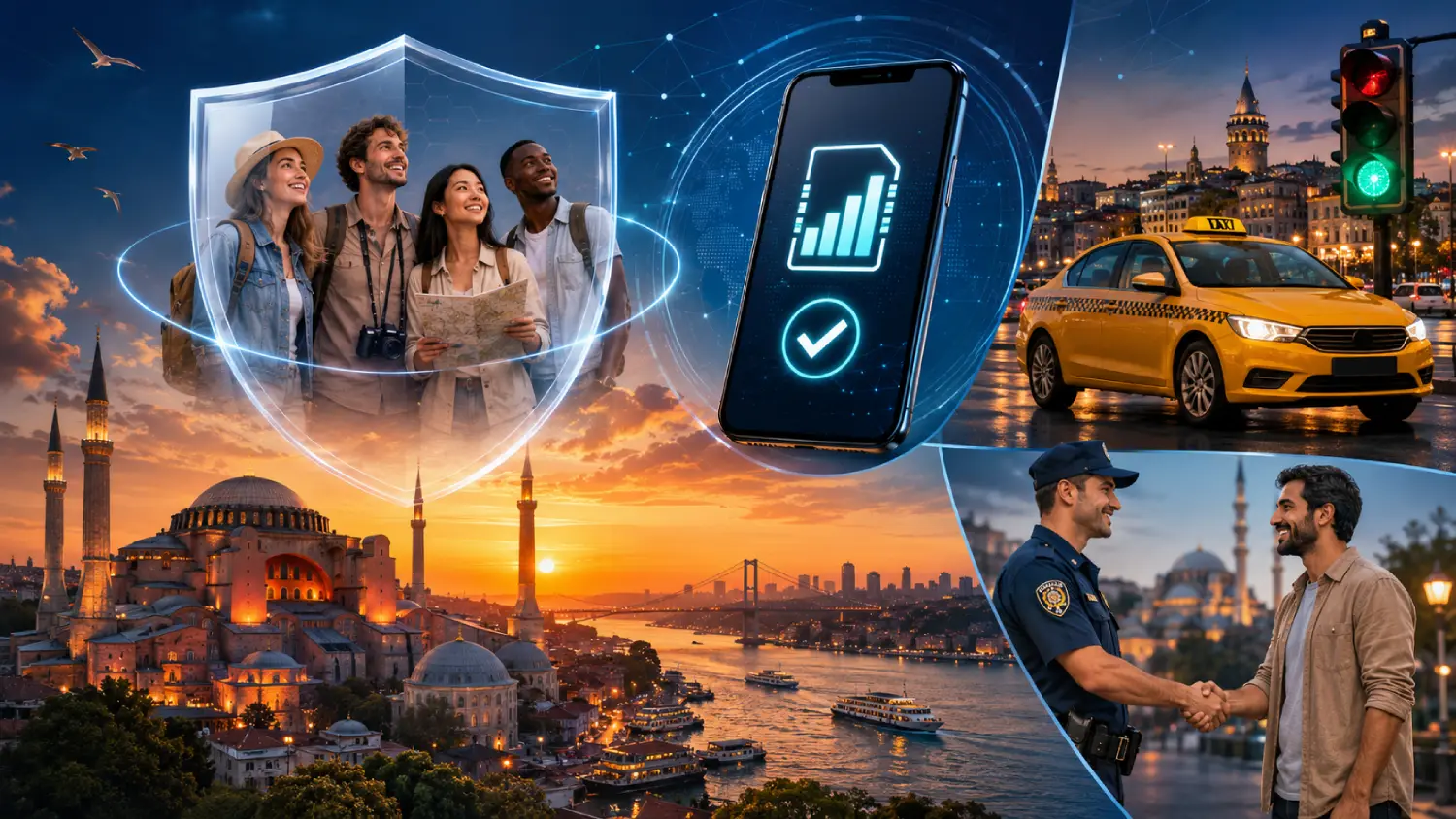

The short answer is an absolute, undeniable yes. Türkiye has completely transformed its security landscape, making it of the safest major tourist destinations in the world right now. In 2026, you are far more likely to be forcefully fed fresh baklava by a hospitable local than to experience any real danger.
The outdated narratives of border conflicts and terrorism have completely vanished from daily life here. Whether you are wandering the streets of Istanbul at midnight or hiking the Lycian Way, the atmosphere is incredibly relaxed and secure. However, being totally safe does not mean you can leave your urban common sense at home.
The Current Reality: Setting the Record Straight on Crime and Politics
Let us clear the air immediately about the political and security situation. There is zero active war or terrorism threat affecting the vast tourist regions of this beautiful country in 2026. The national government has poured massive resources into ensuring tourist safety across the board.
Violent crime against tourists is practically nonexistent. You can comfortably walk through most major cities late at night without looking over your shoulder. The local culture places a heavy emphasis on hospitality, meaning locals are incredibly protective of foreign guests.
The police presence in tourist hubs like Sultanahmet and Taksim Square is highly visible but exceptionally polite. Tourist Police units speak excellent English and are strictly there to assist you. Before you arrive, it is highly recommended to review our guide on Turkey Tourist Bans & Law to completely understand local regulations.
Petty theft, like pickpocketing, is surprisingly low compared to European capitals like Paris or Rome. While you should still zip up your bags in crowded bazaars, the aggressive street crime found elsewhere is not tolerated here. The biggest "crime" you will face is an overly enthusiastic rug merchant trying to sell you a carpet.
Regional Breakdown: The Safe Havens and Areas to Skip
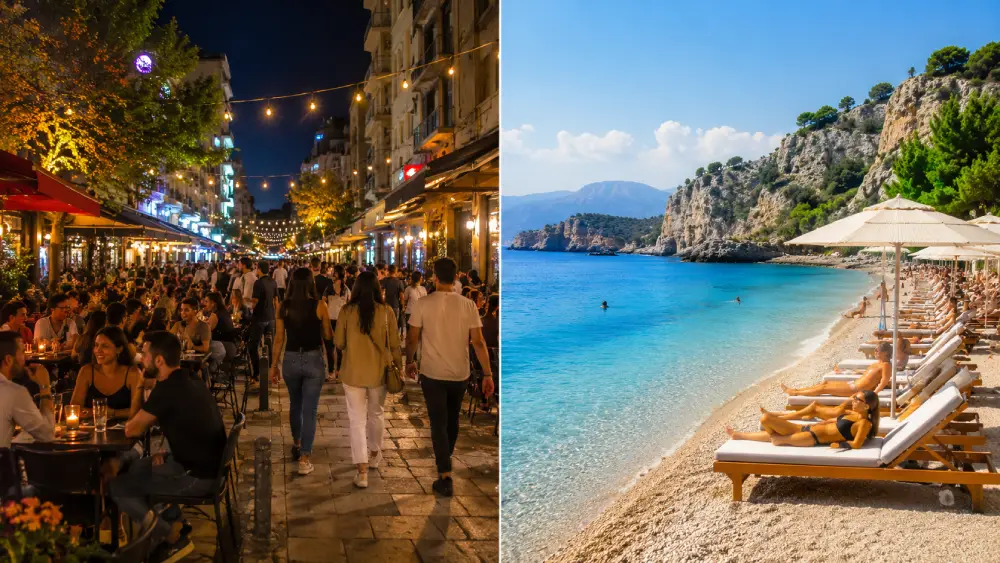
Türkiye is massive, and safety dynamics can vary slightly depending on your exact coordinates. Istanbul, the beating cultural heart, is remarkably safe across almost all of its neighborhoods. Kadıköy, Karaköy, and Nişantaşı are incredibly vibrant, secure, and packed with locals enjoying life late into the night.
The historic peninsula, including the Grand Bazaar and Hagia Sophia, is heavily monitored and flawlessly safe for tourists. There are very few genuine "no-go" zones in the city center, though wandering deep into unlit alleys of Tarlabaşı at 3 AM is not advised. Use standard urban common sense, and you will absolutely thrive here.
Down on the Turkish Riviera, spots like Antalya, Bodrum, and Fethiye are luxurious, tranquil, and virtually crime-free. These coastal havens are designed purely for relaxation, meaning the security is air-tight and perfectly suited for families. If you are planning your coastal getaway, be sure to check our Best Time to Visit Turkey for ideal weather windows.
The regions requiring elevated caution are the immediate 10-kilometer buffer zones along the Syrian and Iraqi borders. Tourists have absolutely zero reason to venture into these remote military zones anyway. Stick to the glorious western, central, and northern regions, and your trip will be completely flawless.
Navigating the Chaos: Transportation Safety in 2026
Getting around this vast country is generally safe, highly efficient, and incredibly modern. The domestic flight network is flawless, and the intercity buses are luxurious, serving tea and snacks on board. you land, knowing the Turkey Airport Customs Rules will save you a massive headache at baggage claim.
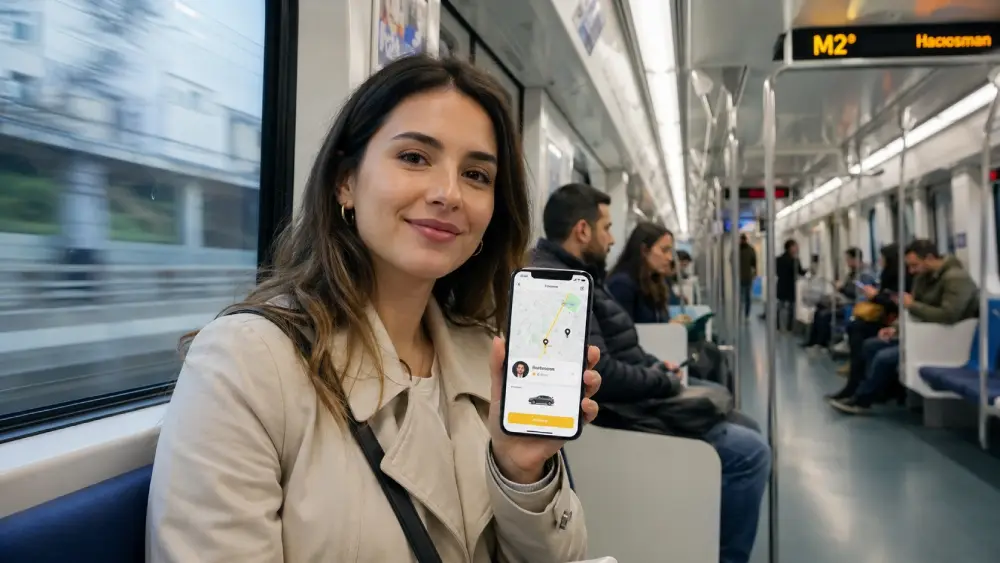
When it comes to local transit, the Istanbul Metro and Marmaray train systems are world-class. They are impeccably clean, heavily guarded, and entirely safe for solo travelers at any hour of operation. Ferries crossing the Bosphorus are not just breathtakingly scenic; they are also the safest commute you will ever experience.
The Yellow Taxi hustle is your biggest obstacle. While not physically dangerous, some rogue taxi drivers are notorious for taking the "scenic route" to drastically inflate the meter. Always demand the driver turns on the "taksimetre" before shutting the car door.
To avoid taxi stress entirely, stick to ride-hailing apps like Uber or BiTaksi. These apps lock in the route and provide accountability, virtually eliminating the chance of being overcharged. If you are ever forced to hail a street cab, rely on your GPS to track the route actively.
The New Threat: Tourist Scams and Financial Traps
Violent crime is off the table, but the financial hustle is definitely real in the major tourist bazaars. Opportunistic scammers rely on your politeness to separate you from your travel funds. Stay alert, and you will find these tricks incredibly easy to spot and avoid.
-
The Dropped Brush Scam: A friendly shoeshine man will casually drop his brush while walking past you. If you pick it up for him, he will offer a "free" shoeshine out of gratitude. the shine is done, he will aggressively demand an exorbitant tip for his services.
-
The "Let's Have a Drink" Trap: A charismatic local will strike up a conversation and invite you to his "favorite local bar" nearby. After a few drinks with some friendly strangers who suddenly join your table, you are handed a bill for hundreds of dollars. Intimidating bouncers will then force you to march to an ATM to pay this fabricated tab.
-
Currency Confusion: When shopping, always clarify if the price quoted is in Turkish Lira, Euros, or US Dollars. Unethical vendors might say "Fifty" assuming you will hand over Euros instead of Lira, pocketing a massive profit. Speaking of shopping, definitely read up on the Türkiye Tax-Free Rules to ensure you get your rightful money back at the airport.
-
Restaurant Menus Without Prices: Never sit down at a seafood restaurant near the Galata Bridge if the menu lacks printed prices. You will be served a modest plate of fish and handed an astronomical bill at the end. Always verify the exact cost of your meal before taking the first bite.
Solo Female Travel: Navigating Nightlife and Cultural Norms
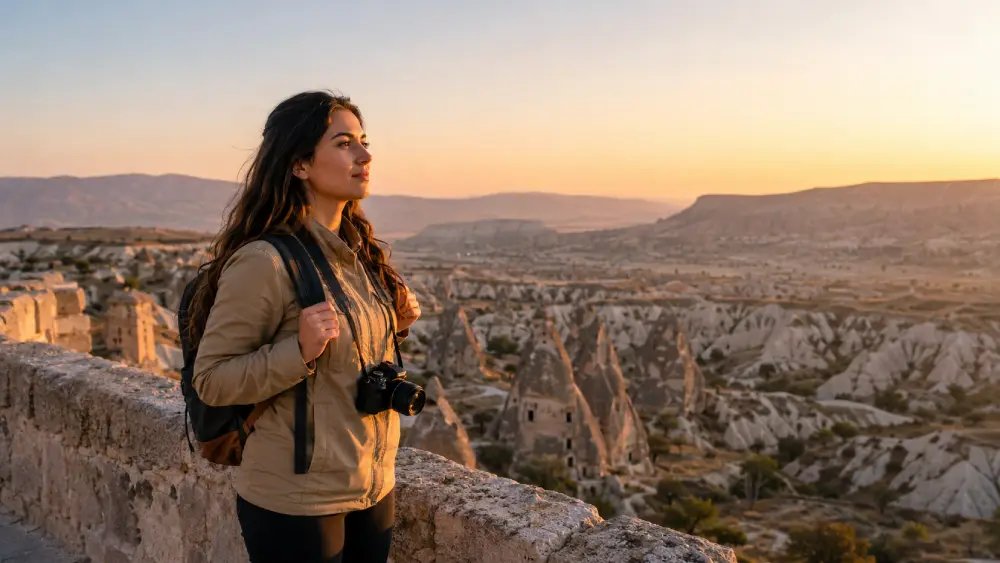
Türkiye is an exceptionally safe and welcoming destination for solo female travelers in 2026. Women travel independently across the country every single day with zero security issues whatsoever. The local culture deeply respects women, and public harassment is culturally frowned upon and extremely rare.
You might experience occasional "machismo" or persistent merchants inviting you into their shops for apple tea. This is almost always harmless salesmanship rather than predatory behavior. A firm, polite "No thank you" (or "Hayır, teşekkürler") is all it takes to be respectfully left alone.
Dress codes are highly relaxed in major cities and along the coastal resort towns. You can wear shorts, sundresses, and crop tops in Izmir or Istanbul without batting an eye. However, packing a lightweight scarf in your day bag is mandatory for entering magnificent religious sites like the Blue Mosque.
If you happen to be visiting during a holy month, cultural dynamics shift slightly. Respectful behavior is appreciated, so checking out our Visiting Turkey During Ramadan is a brilliant move. Nightlife in areas like Kadıköy remains totally safe, but always watch your drink and rely on verified Ubers to get home.
Health, Tap Water, and Mother Nature
Let us talk about your physical health and the local environment. Medical tourism is booming here for a reason; the private hospitals are spectacular, affordable, and staffed by English-speaking doctors. If you catch a stomach bug, local pharmacies (Eczane) are everywhere and can prescribe basic medications over the counter.
Can you drink the tap water? Technically yes, as it is heavily treated, but locals strictly avoid drinking it due to the harsh chlorine taste. It is perfectly safe for brushing your teeth or washing fresh fruit. Always stick to cheap, widely available bottled water for hydration to avoid a sour stomach.
Earthquakes are a geographical reality in this region, but tourist panic is completely unnecessary. The government has drastically overhauled building codes in tourist zones over the last several years. Hotels and major infrastructure are highly regulated, making your stay exceptionally secure.
You will undoubtedly notice the massive population of street dogs and cats roaming the sidewalks. They are the beloved unofficial mascots of the country and are generally incredibly sweet and docile. The government tags, vaccinates, and feeds them, so rabies is virtually unheard of in urban centers.
The Ultimate Safety Tool: Staying Connected
Getting gloriously lost in the winding, spice-scented alleys of the Grand Bazaar is a magical experience. However, it quickly becomes stressful if you cannot pull up a map to find your way back to your hotel. Having a reliable local internet connection is undeniably your most vital safety tool in 2026.
Need data in Türkiye? Get an eSIM!
Choose the perfect data plan for your trip

Manage your eSIM in the app
Install, top up and track data.
With mobile data, you can instantly translate a menu, track your taxi route, or summon an Uber to escape a chaotic street. Relying on public Wi-Fi in cafes is a massive security risk for your banking passwords. It also leaves you totally disconnected the second you step outside the cafe doors.
Before you board your flight, you need to figure out your mobile strategy by reading How to Get Mobile Internet in Turkey. The smartest move is downloading a digital data plan straight to your phone.
A Türkiye eSIM instantly connects you to the strongest local networks the second your plane touches down. Check out our comprehensive Best eSIM for Turkey to find the perfect secure plan.
Official Travel Advisories (2026 Update)
The global consensus heavily aligns with the reality that this country is remarkably safe right now. Here is exactly what the major government bodies are advising for 2026:
-
United States State Department: Maintains a standard "Exercise Increased Caution" advisory for the country overall. This is strictly due to historical context, while strongly prohibiting travel within six miles of the Syrian border.
-
UK Foreign, Commonwealth & Development Office (FCDO): Gives the vast majority of the country a solid green light for perfectly safe travel. They echo the advice to simply avoid the deep southeastern border regions where tourists never go anyway.
-
Government of Canada: Advises standard security precautions for major cities and popular tourist zones. They simply remind travelers to stay vigilant in massive crowds and rely on official public transportation.
The Verdict: Is Türkiye Safe?
Without a shadow of a doubt, Türkiye is incredibly safe, welcoming, and secure for travelers in 2026. The historic fears of terrorism or war have completely vanished, replaced by a fiercely protective and hospitable local culture. As long as you keep your wits about you to dodge the occasional overpriced taxi, you will absolutely have the trip of a lifetime.
-
Never hail a taxi off the street: Always use Uber or BiTaksi to lock in your route and fare.
-
Ignore the friendly shoe shiners: If a brush drops in front of you, keep walking; it is a classic hustle.
-
Respect the local dress code: Keep a lightweight scarf in your bag for spontaneous mosque visits.
-
Verify prices before consuming: Always demand a printed menu with Lira prices before ordering food or drinks.
-
Stay connected securely: Download a local eSIM before arrival so you never have to rely on sketchy public Wi-Fi.
Note: Travel safety situations can change rapidly. This information is accurate as of May 2026. Always exercise street smarts and consult official advisories before your trip.