Download the App and manage your eSIMs easily
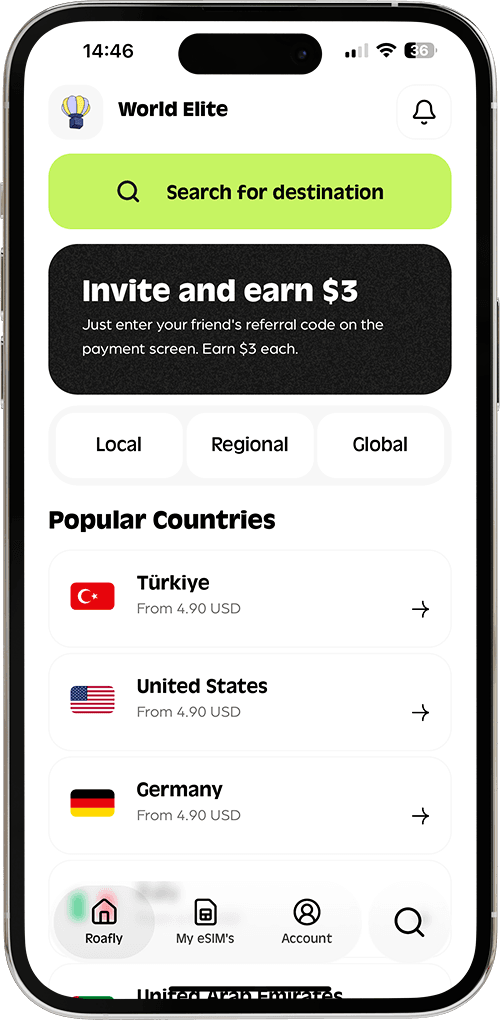
Create your order quickly
See your eSIM details
Track your remaining data
Download the App and manage your eSIMs easily
Create your order quickly
See your eSIM details
Track your remaining data
Is it safe to drink water on the street? Can I find a beer in Istanbul? Will restaurants be closed for lunch?

Ethan Brooks
Updated Feb 16, 2026
9 min read
Save 15% on your Roafly eSIM
Stay connected on your next trip. Use the code below at checkout.
View All DestinationsJump to section
👇Save 15% on your Roafly eSIM
Stay connected on your next trip. Use the code below at checkout.
View All Destinations
Manage your eSIM in the app
Install, top up and track data.
If you are planning a trip to Turkey between February 19 and March 18, 2026, you might be asking these questions.
Here is the good news: Turkey is not Egypt, Morocco or Saudi Arabia. While Ramadan (Ramazan) is a holy month observed by millions, Turkey is a secular republic with a vibrant, modern lifestyle. Life does not stop here; it simply shifts gears.
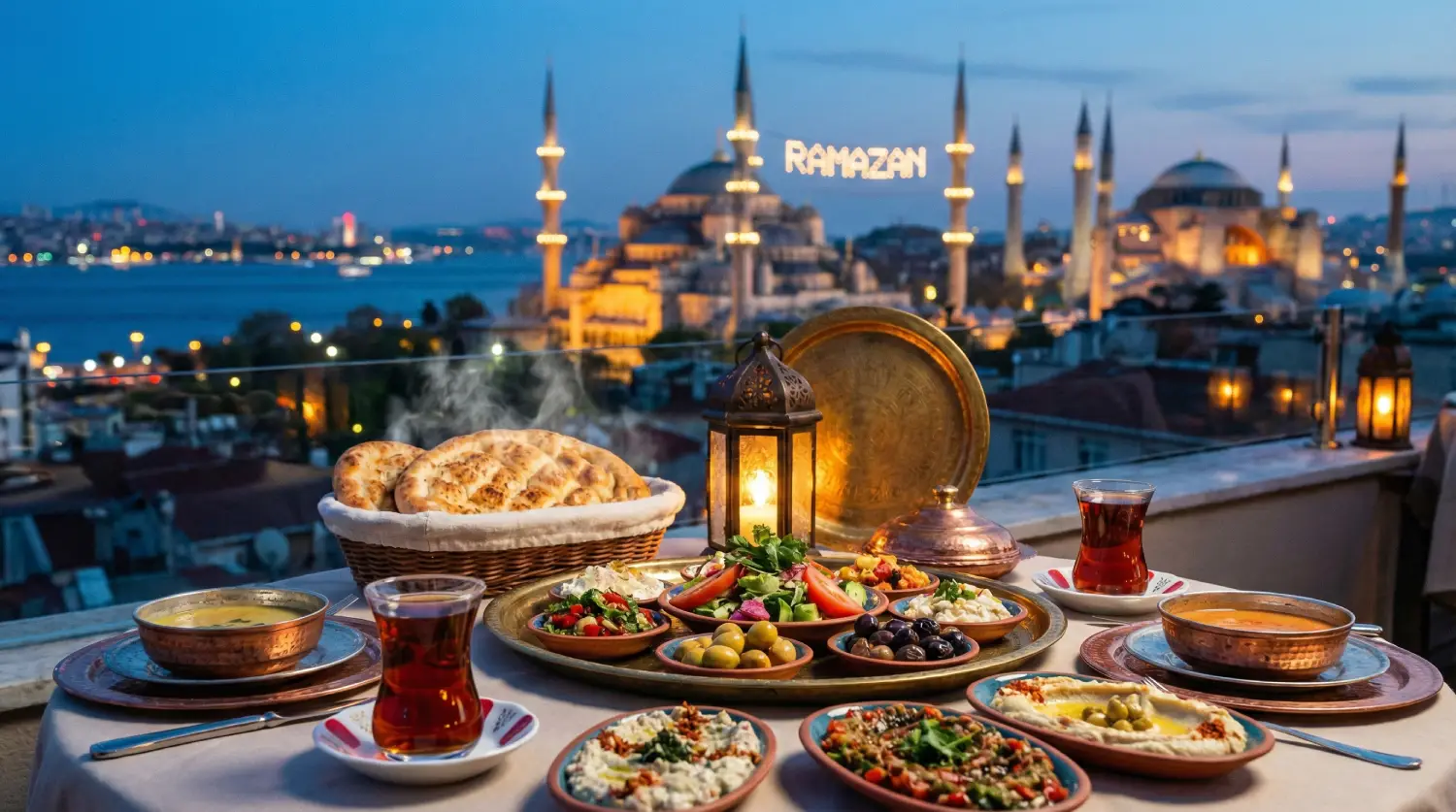
In fact, visiting during this time offers a unique cultural bonus: warm pide bread, festive lights (mahyas) connecting minarets, and a nightlife that stays awake until dawn.
Here is everything you need to know about eating, drinking, and traveling in Turkey during Ramadan 2026.
Starts: Around February 19, 2026 (Dates depend on the lunar calendar).
Ends: Around March 18, 2026.
The Big Holiday (Eid al-Fitr / Şeker Bayramı): Starts immediately after Ramadan ends. This is a 3-day national holiday where banks and government offices close, but tourist sites remain bustling.
🍂 Weather Check: Ramadan 2026 falls in late winter/early spring. It will be crisp and cool. To pack the right clothes, check our guide on the Best Time to Visit Turkey (Türkiye): A Month-by-Month Travel Guide
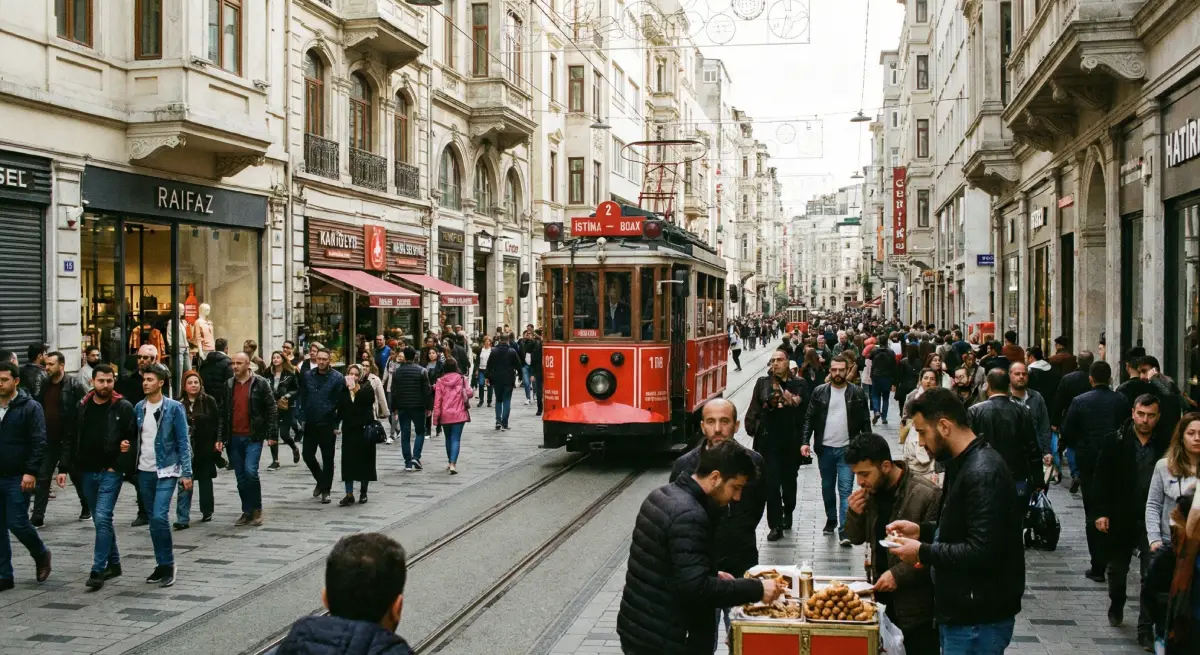
Let’s bust this myth immediately. In major cities like Istanbul, Izmir, Ankara, and tourist hubs like Cappadocia, Antalya, and Bodrum, restaurants remain OPEN all day.
Unlike in some Gulf countries where eating in public is illegal, in Turkey, it is business as usual.
Tourist Areas: In Sultanahmet, Taksim, or along the Bosphorus, you won't even notice it's Ramadan during the day.
Local Neighborhoods: In more conservative districts (like Fatih or Üsküdar), some smaller, family-run restaurants might close for lunch or cover their windows with curtains out of respect. But you will never go hungry.
Yes. Turkey does not ban alcohol sales during Ramadan.
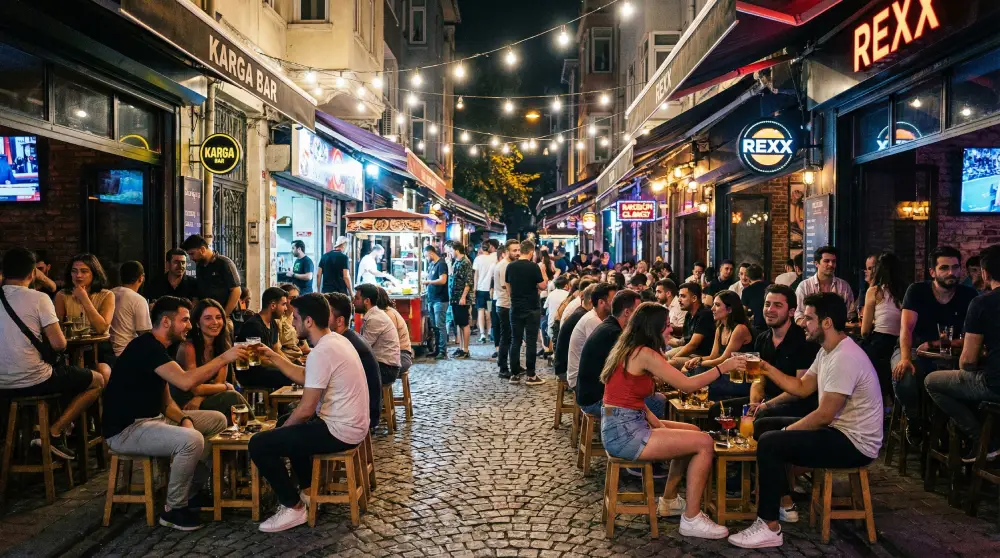
Bars & Clubs: In nightlife districts like Kadıköy, Beşiktaş, Şişli, Karaköy, and Beyoğlu, the bars are full, music is playing, and people are drinking Raki or beer just like any other month.
Supermarkets: "Tekel" shops (liquor stores) and supermarkets sell alcohol as normal until 10:00 PM (the standard law year-round).
Hotels: Your hotel bar will absolutely serve you a cocktail by the pool.
The Nuance: You might find that a few traditional restaurants that usually serve alcohol might stop serving it only during Ramadan, but these are rare exceptions in tourist zones.
This is the only real operational challenge you will face. Iftar is the meal to break the fast at sunset. About an hour before sunset, traffic in Istanbul becomes chaotic as everyone rushes home or to a restaurant.
The Rule: Do not plan to take a taxi or Uber between 5:00 PM and 7:00 PM. You will get stuck. Use the Metro or Tram.
Reservations: Famous kebab restaurants get fully booked for the Iftar dinner. If you want to eat at a popular spot at sunset, make a reservation days in advance.
📲 Navigation Tip: To check live traffic and find open restaurants, you need data. Don't rely on hotel Wi-Fi. Check our comparison of the Best eSIM for Turkey 2026: Prices, Coverage & Tourist Comparison to stay connected 24/7.
Visiting during Ramadan is actually a privilege because you get to taste things that don't exist the rest of the year.
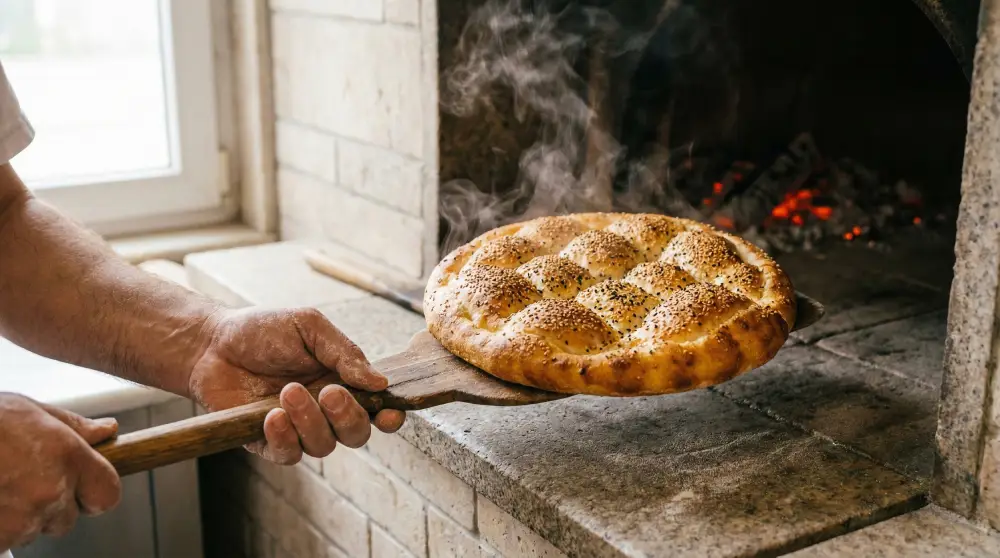
Ramazan Pidesi: This round, flat, fluffy bread is only baked during this month. Bakery lines snake around the block an hour before sunset. Join the line; it’s worth it.
The Mahya Lights: Look up at the mosques (like the Blue Mosque or Suleymaniye). You will see illuminated messages strung between the minarets. It’s a 400-year-old Ottoman tradition.
The Drummers (Davulcu): Don't be alarmed if you hear loud drumming in the street at 3:00 AM. These traditional drummers walk through neighborhoods to wake people up for Sahur (the pre-dawn meal). It’s noisy, but it’s culture!
Absolutely not. Nobody expects you to fast.
Eating in Public: It is perfectly fine to eat or drink water on the street in tourist areas. In very conservative areas, it’s polite (though not required) to be slightly discreet, but nobody will confront you.
Smoking: Smoking is huge in Turkey. While locals abstain during the day, you’ll still see people smoking outside cafes in Beyoğlu.
The 3 days following Ramadan are a National Holiday.
Sweet Overload: It is called the "Sugar Feast" for a reason. You will be offered baklava, candy, and chocolate everywhere.
Museums: On the first day of the holiday, museums might open in the afternoon (around 1:00 PM). Check schedules beforehand.
Grand Bazaar: Usually closed during the Bayram holidays. Plan your shopping accordingly.
🎁 Bringing Gifts? If you plan to bring your own duty-free alcohol or gifts for local friends, make sure you know the limits. Read our Turkey Airport Customs Rules 2026: Alcohol, Cigarettes & Vaping guide to avoid hassles at IST airport.
Ramadan turns eating into an event.
Iftar is not just dinner; it is a feast. Most restaurants offer "Fix Menus" (Set Menus) during this hour.
What to Expect: As soon as the call to prayer (Ezan) is heard, you start with dates (hurma) and soup. Then comes a parade of meze, pastries (börek), main courses (kebabs or stew), and finally, desserts like Güllaç (a milky, rose-water dessert unique to Ramadan).
Price Warning: Set menus can be pricey. If you just want a simple Döner, look for "Esnaf Lokantası" (tradesmen restaurants) rather than fancy Bosphorus view spots.
This is a unique Istanbul experience. Between 2:00 AM and 4:00 AM, thousands of people are awake.
Where to Go: Head to the Beşiktaş Breakfast Street (Kahvaltıcılar Sokağı) or specific 24/7 venues in Karaköy. They will be packed with young people eating eggs, cheese, and tea before the sun rises. It’s a surreal, lively atmosphere in the middle of the night that you won't see in any other European city.
Ramadan in Turkey is visual and auditory.
The "Ramazan Davulcusu" (Drummer): If you wake up at 3:30 AM to the sound of loud rhythmic drumming in the street, don't panic! It is not a protest. It is the Ramazan Davulcusu. These drummers wander through neighborhoods in traditional Ottoman attire, beating drums and reciting poems to wake residents up for Sahur. It is a tradition that dates back centuries, long before alarm clocks existed. Feel free to tip them if you see them during the day; it’s good luck!
The "Mahya" Lights: Look up at the minarets of the grand imperial mosques (Blue Mosque, Süleymaniye, Eyüp Sultan). You will see glowing messages strung between the towers. These are called Mahya. In the past, they were oil lamps; today, they are LED lights. They spell out phrases like "Hoşgeldin Ramazan" (Welcome Ramadan) or moral messages. It’s a beautiful, uniquely Turkish art form perfect for night photography.
As Ramadan draws to a close, the shopping fever hits. The "Ramazan Bayramı" (Eid al-Fitr) is like Christmas in terms of gift-giving and new clothes.
The Sales: Shopping malls (like Istinye Park, Zorlu Center, or Kanyon) and high streets (Istiklal Avenue) will have massive "Bayram Sales" in the last week of Ramadan. It’s a great time to buy Turkish brands like Mavi or LC Waikiki.
Grand Bazaar Hours: The Grand Bazaar and Spice Bazaar remain open throughout Ramadan. However, they CLOSE for the 3 days of the Bayram holiday immediately following Ramadan.
Strategy: Do your carpet and spice shopping during Ramadan, not after.
In Istanbul, reliable mobile internet is not just for posting Instagram stories of the Blue Mosque; it is a logistical necessity, especially during Ramadan.
Why You Need It More Now:
The "Iftar Traffic" Hack: Around 6:00 PM, traffic in Istanbul paralyzes as millions rush home for Iftar. Trying to find a taxi without an app like Bitaksi or Uber is impossible. You need data to hail a ride or check real-time Metro schedules on Citymapper.
Restaurant Reservations: Many restaurants change their hours or require reservations for special Iftar set menus. You’ll need to browse Google Maps or TheFork to find open tables, check prices, and call ahead.
Translation: While English is widely spoken in Sultanahmet, having Google Translate ready for deciphering "Sahur Menüsü" (pre-dawn meal menu) at a local cafeteria is a lifesaver.
Your Options for Internet:
Local SIM Cards: You can buy a tourist SIM from Turkcell or Vodafone at Istanbul Airport (IST). However, be warned: Airport prices are significantly higher (often double) than city center shops, and you will waste an hour in line registering your passport.
Roaming: Using your home carrier (AT&T, Verizon, EE) usually costs $10/day or more. For a 10-day trip, that’s $100—enough to buy 50 delicious Lahmacun.
The Smart Choice (eSIM): For most travelers, an eSIM is the most efficient method. You can install it before you fly, activate it the moment you land, and avoid the passport registration hassle entirely. It connects to local networks like Turk Telekom or Turkcell instantly.
To see which data package offers the best value for heavy Instagram users versus casual map users, read our in-depth comparison: How to Get Mobile Internet in Turkey: The Complete Tourist Guide to SIM Cards & eSIMs
100% Yes.
Turkey during Ramadan is not a "quiet" version of itself; it is an amplified version. The hospitality is warmer, the nights are longer, and the food is more celebratory. You get the best of both worlds: a modern, secular European city that functions perfectly during the day, and a mystical, traditional Eastern atmosphere at night.
So, pack your bags, download your Turkey eSIM, and get ready to eat the best pide of your life.
