

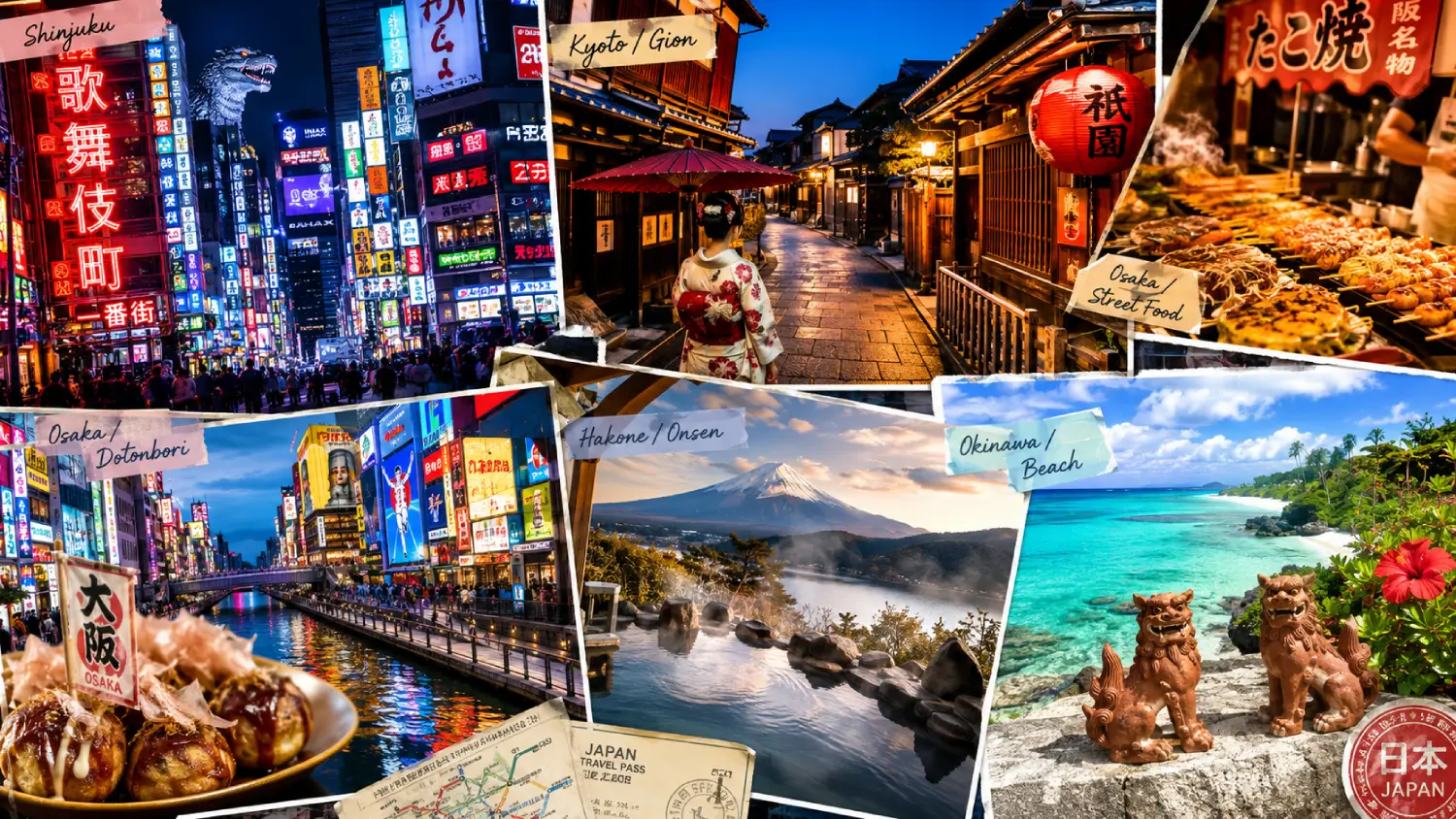

Finding the right base camp in Japan is the single most important decision you will make. Your hotel's location dictates whether you end your night sipping craft cocktails steps from your bed, or sprinting to catch the last midnight train home. If you are still deciding exactly when to book your flights, read our Best Time to Visit Japan to time your trip perfectly.
-
First-Time Visitors: Tokyo (Shinjuku) and Kyoto (Downtown)
-
Food & Nightlife Hunters: Osaka (Minami) and Tokyo (Shibuya)
-
Traditional Culture Seekers: Kyoto (Higashiyama) and Asakusa (Tokyo)
-
Luxury & Convenience: Tokyo (Ginza) and Tokyo Station Area
-
Families & Slower Pace: Osaka (Tennoji) and Kyoto (Arashiyama)
Tokyo: The Neon Metropolis & Global Hub
Tokyo is not a single city, but rather a massive collection of dense, interconnected mini-cities. Staying near a major station on the JR Yamanote Line is the golden rule for navigating this concrete jungle efficiently.
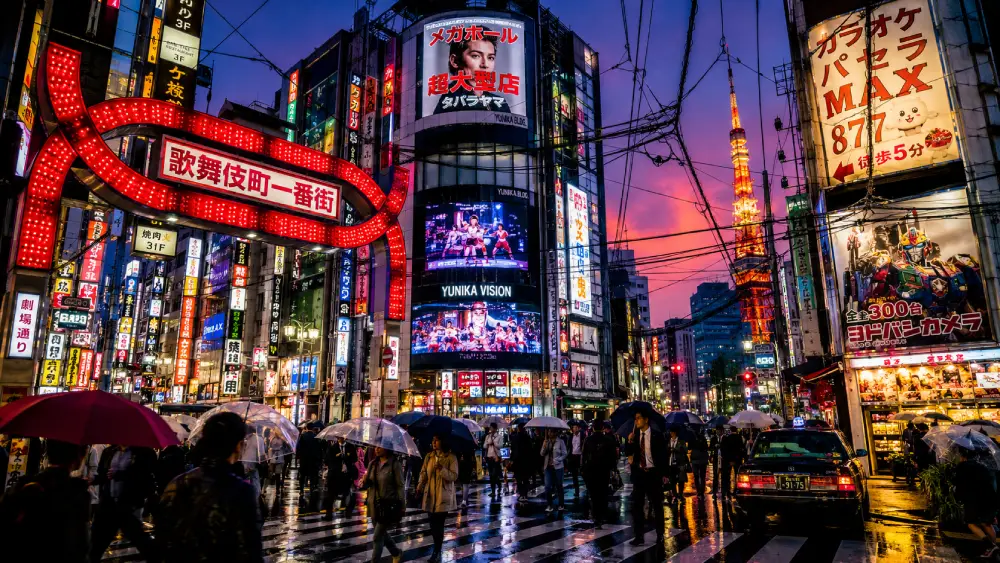
Shinjuku
The Vibe: An intoxicating, neon-drenched labyrinth that never sleeps.
-
Who it’s for: First-timers, nightlife lovers, and travelers taking multiple day trips.
-
The Pros:
-
Unbeatable access to transit via Shinjuku Station, the world's busiest transport hub.
-
Endless late-night dining options in Omoide Yokocho and Golden Gai.
-
Direct train access to Mount Fuji, Hakone, and Kamakura.
-
-
The Cons:
-
Can be overwhelmingly crowded and chaotic for families or anxious travelers.
-
The station itself is a massive maze that takes days to figure out.
-
-
Reality Check/Warnings: Shinjuku's eastern side houses Kabukicho, the famed red-light district. While generally secure, aggressive street touts will try to lure you into overpriced bars; read our Is Japan Safe for Tourists? Earthquakes & Scams guide to avoid losing thousands of dollars to drink-spiking scams.
Shibuya
The Vibe: Youthful, fiercely fashionable, and relentlessly energetic.
-
Who it’s for: Younger travelers, pop-culture enthusiasts, and fashion shoppers.
-
The Pros:
-
Home to the iconic Shibuya Crossing and a vibrant street-culture scene.
-
Incredible boutique shopping in nearby Harajuku and Omotesando.
-
Fantastic mid-range boutique hotels, like the highly-rated Trunk Hotel.
-
-
The Cons:
-
Severely lacks budget accommodations and cheap hostels.
-
The immediate station area is currently undergoing massive, noisy construction.
-
-
Reality Check/Warnings: Shibuya has enacted strict public drinking bans around the station, particularly during Halloween and New Year's Eve.
Ginza & Tokyo Station Area (Marunouchi)
The Vibe: Polished, sophisticated, and ruthlessly efficient.
-
Who it’s for: Luxury travelers, business travelers, and older couples wanting easy logistics.
-
The Pros:
-
The absolute best spot for high-end dining and flawless luxury service.
-
Immediate access to the Shinkansen (bullet train) at Tokyo Station.
-
Spotlessly clean, wide avenues that are closed to cars on weekends.
-
-
The Cons:
-
Nightlife essentially dies after 10:00 PM.
-
Accommodation here leans heavily toward expensive, five-star luxury brands.
-
-
Reality Check/Warnings: If you plan to drop serious cash on luxury goods here, do not forget to bring your physical passport. You will need it on hand; brush up on the Japan Tax-Free Rules to save significant money.
Asakusa
The Vibe: Old-world Tokyo charm anchored by ancient temples and rickshaws.
-
Who it’s for: Budget travelers, culture seekers, and families wanting a quieter pace.
-
The Pros:
-
Incredible traditional atmosphere near Senso-ji Temple.
-
Some of the best budget hotels, hostels, and modern Ryokan (traditional inns) in Tokyo.
-
Direct airport train access via the Keisei Line to Narita.
-
-
The Cons:
-
Not on the Yamanote Line, meaning you must transfer to reach western Tokyo.
-
The main tourist streets get uncomfortably packed by 10:00 AM.
-
-
Reality Check/Warnings: Asakusa shuts down extremely early compared to the rest of Tokyo. If you want a late-night meal, you will be relying on convenience stores or taking a taxi back from other districts.
Kyoto: The Cultural Heart & Ancient Capital
Kyoto is not a city where "anywhere central" works equally well. The city relies heavily on buses, meaning your neighborhood dictates how much time you spend stuck in notorious Kyoto traffic. If you are debating visiting in the spring, be sure to check our Japan vs. South Korea breakdown.
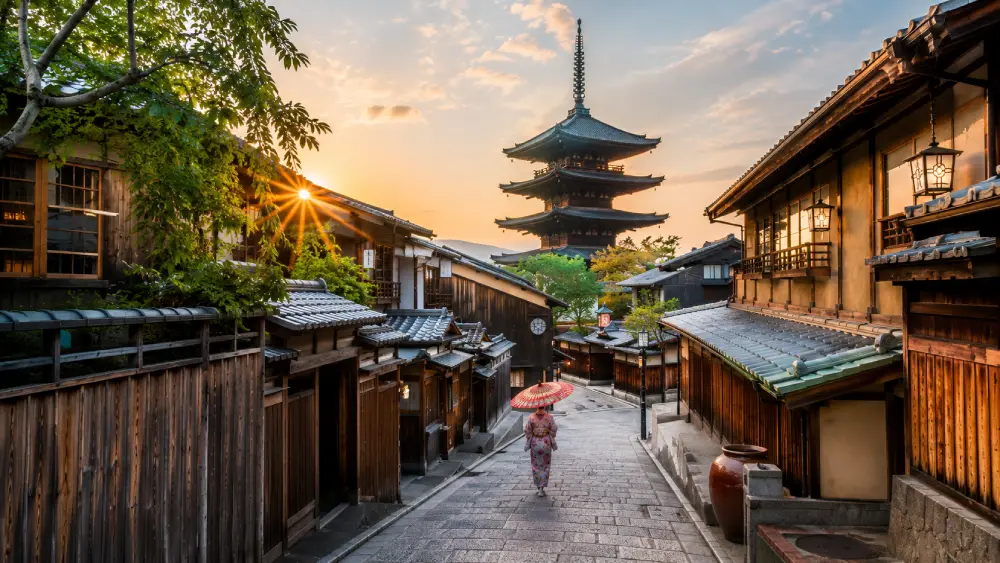
Downtown Kyoto (Kawaramachi & Karasuma)
The Vibe: The ultimate sweet spot of traditional charm and modern convenience.
-
Who it’s for: First-time Kyoto visitors, foodies, and those who love to walk.
-
The Pros:
-
Walking distance to the Nishiki Market and the beautiful Kamo River.
-
Hundreds of excellent restaurants and izakayas right outside your door.
-
Access to two major subway lines and the Hankyu railway line.
-
-
The Cons:
-
Hotels here book up months in advance for autumn foliage and spring cherry blossoms.
-
Can be louder than the serene temple districts on the outskirts.
-
-
Reality Check/Warnings: Sidewalks in Downtown Kyoto are narrow and incredibly crowded. Avoid wheeling massive suitcases through the shopping arcades during peak daytime hours.
Southern Higashiyama & Gion
The Vibe: Cinematic, lantern-lit alleyways where geishas still entertain.
-
Who it’s for: Honeymooners, photographers, and luxury ryokan seekers.
-
The Pros:
-
Surrounded by Kyoto’s most famous sights, including Kiyomizu-dera and Yasaka Shrine.
-
The absolute best area for a high-end, multi-course Kaiseki dining experience.
-
Waking up early allows you to photograph the preserved streets completely empty.
-
-
The Cons:
-
Extremely poor access to the subway and train lines.
-
Restaurant prices in this district carry a heavy premium.
-
-
Reality Check/Warnings: The local government has strictly closed several private alleys in Gion due to tourist harassment of geishas. Do not risk hefty fines by ignoring signs; familiarize yourself with the Japan Tourist Bans & Laws before exploring.
Kyoto Station Area
The Vibe: Utilitarian, modern, and highly practical.
-
Who it’s for: Travelers doing daily side-trips, families with heavy luggage, and budget seekers.
-
The Pros:
-
Instant access to the Shinkansen, local buses, and airport express trains.
-
A massive concentration of affordable business hotels with reliable amenities.
-
Endless cheap dining options inside the station's sprawling underground mall.
-
-
The Cons:
-
Completely lacks the traditional, wooden-temple atmosphere people expect from Kyoto.
-
The area directly south of the station can feel slightly sterile and corporate.
-
-
Reality Check/Warnings: Kyoto Station is the city's main bus terminal, and lines for popular temple routes can take an hour just to board. Mastering the subway system here is essential to avoid the bus crowds.
Osaka: The Kitchen of Japan & Nightlife Capital
Osaka is Tokyo’s grittier, friendlier, and more food-obsessed sibling. The city is broadly divided into two main hubs: Kita (North) and Minami (South), connected by the central Midosuji subway line.
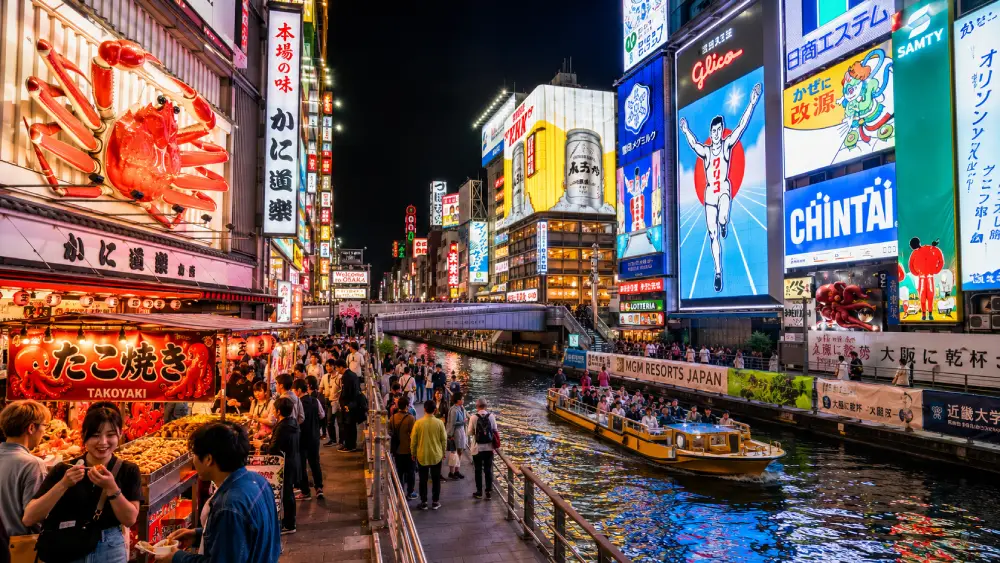
Minami (Namba, Dotonbori, & Shinsaibashi)
The Vibe: A chaotic sensory overload of street food, neon crabs, and late-night revelry.
-
Who it’s for: Food lovers, nightlife seekers, and those wanting the classic Osaka energy.
-
The Pros:
-
Steps away from the iconic Dotonbori Canal and Kuromon Market.
-
Incredible late-night energy where locals drink and eat until dawn.
-
Direct train access to Kansai International Airport (KIX) via the Nankai Line.
-
-
The Cons:
-
Can be incredibly loud, especially on weekends around the central canal.
-
The sheer density of crowds can be exhausting after a long day of touring.
-
-
Reality Check/Warnings: While Osaka is safe, the areas around Americamura and Namba can get rowdy with intoxicated locals and tourists late at night. Keep your wits about you and secure your belongings in crowded bars.
Kita (Umeda)
The Vibe: A sleek, sprawling vertical labyrinth of shopping malls and upscale dining.
-
Who it’s for: Travelers taking day trips to Kobe or Himeji, and luxury hotel fans.
-
The Pros:
-
Unmatched transport connectivity via Osaka Station and multiple private railways.
-
Home to some of the city's most stunning luxury properties, like the Conrad Osaka.
-
Incredible underground food halls (depachika) perfect for picking up high-end bento boxes.
-
-
The Cons:
-
Umeda Station is a notoriously confusing underground maze that easily baffles tourists.
-
Lacks the traditional street-food grit that makes southern Osaka so famous.
-
-
Reality Check/Warnings: Navigating the Kansai rail network from Umeda requires understanding different train operators. Before you arrive, study up via our Japan Transport Guide to master the IC cards and train passes.
Hakone: The Ultimate Fuji View & Hot Spring Escape
Located just 90 minutes from Tokyo, Hakone is the most popular getaway for those wanting to soak in a traditional hot spring (Onsen) while catching glimpses of Mount Fuji.
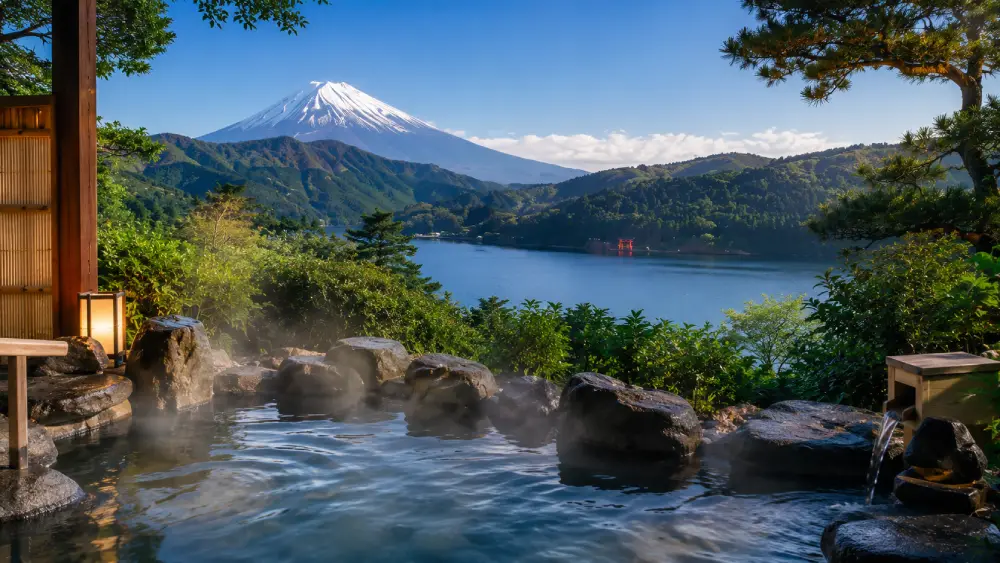
Hakone-Yumoto & Gora
The Vibe: A misty, forested retreat dedicated strictly to relaxation and traditional hospitality.
-
Who it’s for: Couples, ryokan enthusiasts, and anyone needing a break from city neon.
-
The Pros:
-
Hakone-Yumoto is incredibly convenient for luggage drop-offs right off the train from Tokyo.
-
Gora offers a quieter, more elevated mountain experience with boutique ryokans.
-
The region utilizes a seamless loop of cable cars, ropeways, and pirate ships for sightseeing.
-
-
The Cons:
-
Accommodations here are significantly more expensive than standard city hotels.
-
The entire town largely shuts down for dinner by 6:00 PM.
-
-
Reality Check/Warnings: Most traditional ryokans serve dinner precisely at 6:00 PM or 6:30 PM, and if you arrive late, you will forfeit your meal without a refund. Plan your travel from Tokyo accordingly to arrive by mid-afternoon.
Okinawa: The Tropical Frontier
Japan’s southernmost prefecture offers a completely different world of white-sand beaches, coral reefs, and unique Ryukyu culture.
Naha & The Central Coast
The Vibe: A laid-back island mix of Japanese efficiency and tropical resort living.
-
Who it’s for: Beach bums, scuba divers, and families looking for resort amenities.
-
The Pros:
-
Naha offers great city conveniences, historic castle ruins, and monorail access.
-
The Onna Coast is lined with massive, family-friendly beach resorts and pristine water.
-
Incredible local cuisine that heavily features pork, bitter melon, and sweet potato.
-
-
The Cons:
-
Public transport outside of Naha is virtually non-existent.
-
Typhoon season (late summer to early autumn) can completely derail a beach vacation.
-
-
Reality Check/Warnings: To truly explore Okinawa's best hidden beaches and northern forests, you must rent a car. Ensure you have an International Driving Permit secured before you leave your home country, as rental agencies are unforgiving without.
Accommodation Reality Check
The Japanese hotel market is experiencing unprecedented demand, heavily favoring those who book months in advance. You must understand the difference between hotel classes before hitting confirm. Business hotels (like APA, Dormy Inn, and Toyoko Inn) offer excellent value and prime locations, but their rooms are notoriously microscopic; you will literally struggle to open two large suitcases simultaneously.
If you want a traditional Ryokan experience, understand that these are treated as full-board cultural events, not just places to crash. You are paying for the multi-course meals, the immaculate hot springs, and the personalized service, which is why they cost significantly more. Additionally, be aware that many boutique eco-lodges and older traditional stays might lack central air conditioning or strict soundproofing.
Finally, do not get caught off guard by local accommodation taxes and rigid policies. Cities like Kyoto and Tokyo levy a small nightly tourist tax payable directly at the hotel front desk. Furthermore, Japanese hotels are completely inflexible regarding check-in times; if check-in is at 3:00 PM, they will not hand you a key at 2:45 PM, though they will gladly hold your luggage. Before packing for your stay, check the Japan Airport Customs Rules to ensure your over-the-counter sleep aids or pain meds won't be confiscated.
The Universal Rule: Connectivity is Survival
In Japan, attempting to navigate without constant internet access is a self-inflicted nightmare. Hotel Wi-Fi is fine for watching videos in bed, but the moment you step outside, you are at the mercy of complex train schedules and hidden restaurant alleys. You cannot rely on public or cafe Wi-Fi to load Google Maps when you are lost in the underground labyrinths of Shinjuku or Umeda Station.
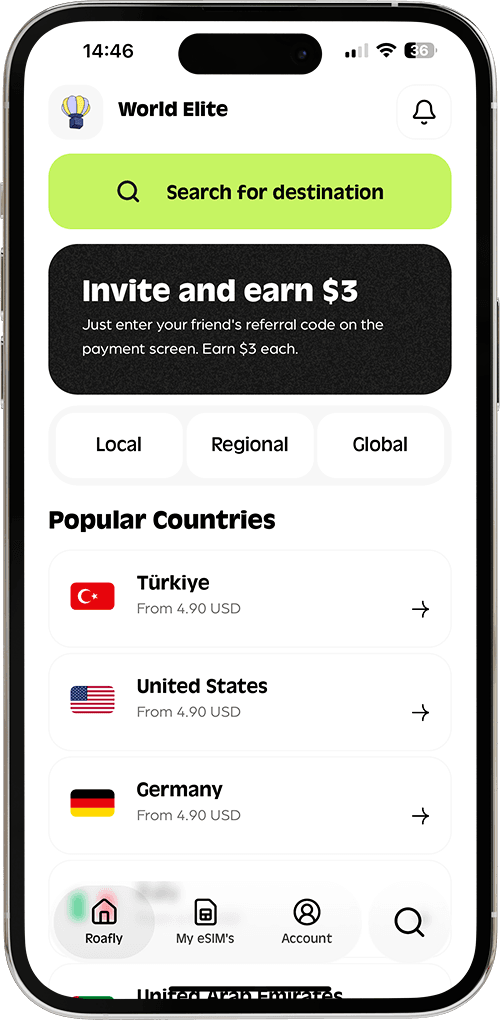
Need data in Japan? Get an eSIM!
Choose the perfect data plan for your trip

Manage your eSIM in the app
Install, top up and track data.
Continuous, high-speed data is strictly required for using digital transit maps, translating kanji menus on the fly, and ordering verified ride-shares late at night. Getting a Japan eSIM ensures you bypass the massive, hour-long lines for physical SIM cards at Narita and Haneda airports. You remain connected effortlessly from the exact second your plane touches down on the runway.
To fully prepare your phone for the trip, read How to Get Mobile Internet in Japan to understand your options. For a deep dive into data packages, review our Best eSIM for Japan to find your perfect fit.