

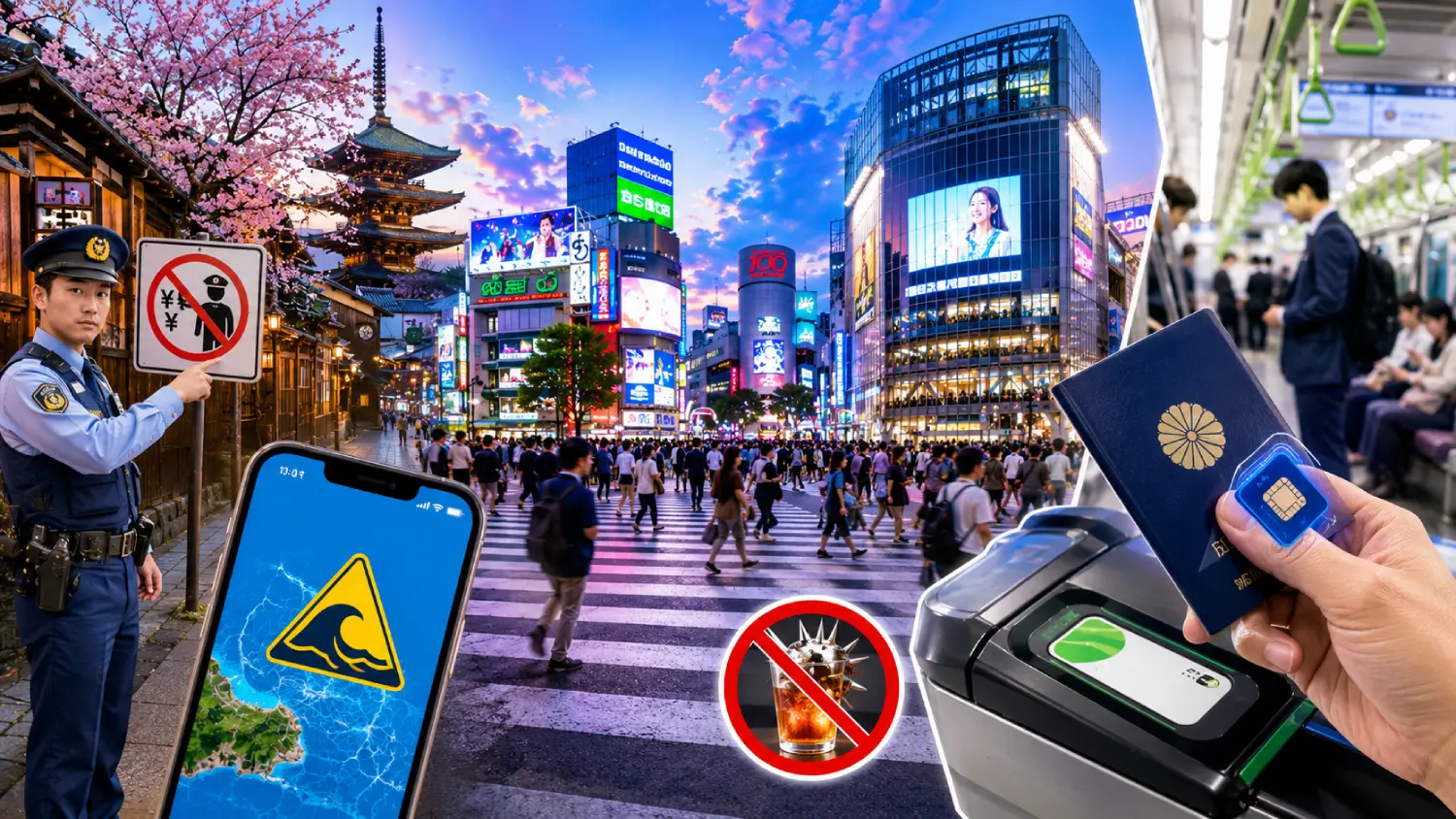

The short answer is a resounding Yes. Japan remains of the safest countries on the planet for foreign travelers, but the nature of the "danger" has shifted significantly. Instead of worrying about muggings or cartels, modern travelers must navigate sophisticated extortion scams in entertainment districts, strict new cultural laws, and the ever-present threat of seismic activity.
The Current Reality: Low Crime, High Fines & Overtourism
Japan’s reputation for absolute safety is well-earned, but the political climate regarding tourism has hardened considerably in 2026. After years of record-breaking visitor numbers, local municipalities have implemented strict crackdowns to combat overtourism. You are far more likely to face a massive fine for breaking a local ordinance than you are to be a victim of a violent crime.
For example, Kyoto has fully enacted a ban on tourists entering private alleys in the Gion district. Wandering down the wrong street in search of a geisha photo can result in immediate ¥10,000 fines. If you want to know exactly what can get you arrested or fined, read our complete guide to Japan Tourist Bans & Laws.
Police in Japan are highly visible, strictly enforce the law, and have broad powers to detain individuals without charge for an extended period. Ignorance of the law is never accepted as an excuse, especially regarding customs. You must familiarize yourself with the latest Japan Airport Customs Rules to avoid immediate deportation for bringing in banned prescription drugs.
Regional Breakdown: Safe Zones vs. Areas to Avoid
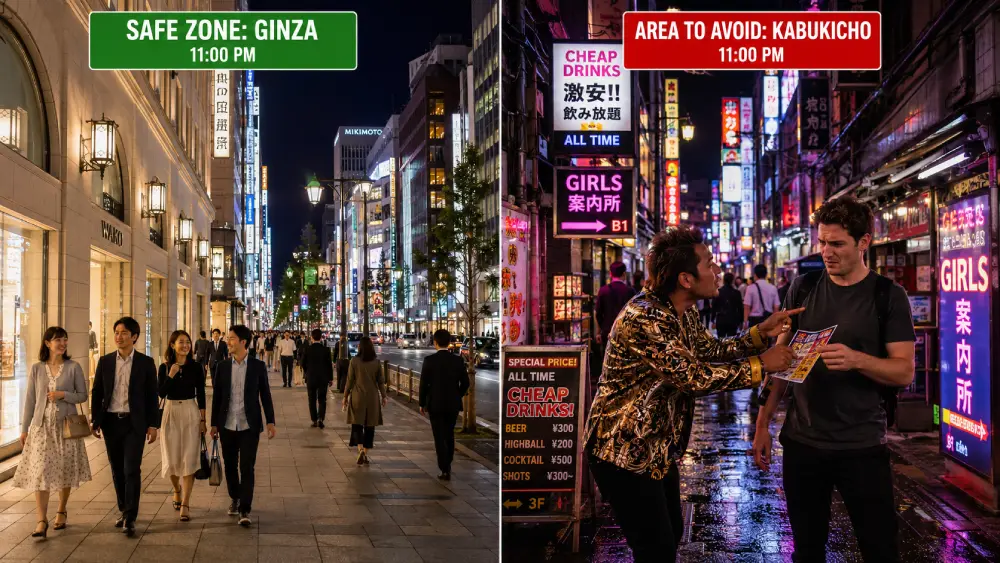
Almost the entirety of Japan is considered a "safe zone" by international standards. You can confidently walk through Tokyo, Osaka, and Kyoto at 2 AM without fearing for your physical safety. Neighborhoods like Shibuya, Ginza, and Asakusa in Tokyo are incredibly secure, heavily policed, and exceptionally welcoming to tourists.
However, there are specific nightlife and red-light districts where you must maintain a heightened state of alert. In Tokyo, Kabukicho (Shinjuku) and Roppongi are notorious for drink-spiking, extortion, and aggressive touts. Golden Gai is generally safe but has seen a rise in bar disputes that quickly escalate when tourists refuse to pay hidden cover charges.
In Osaka, the Kamagasaki (Airin-chiku) neighborhood in Nishinari Ward is often cited as Japan's largest slum. While it is not violently dangerous like bad neighborhoods in the Americas, it is gritty, visually depressing, and not recommended for late-night tourist wandering. If you are debating whether to visit Osaka or head across the sea, compare the safety and vibes in our Japan vs. South Korea guide.
If you are heading to Okinawa or the southern islands, the primary physical risk is the ocean itself. Rip currents are extremely common, and tourists often underestimate the raw power of the Pacific. Always swim at lifeguarded beaches and adhere to local weather warnings before getting into the water.
Transportation Safety: Trains, Taxis & Late-Night Logistics
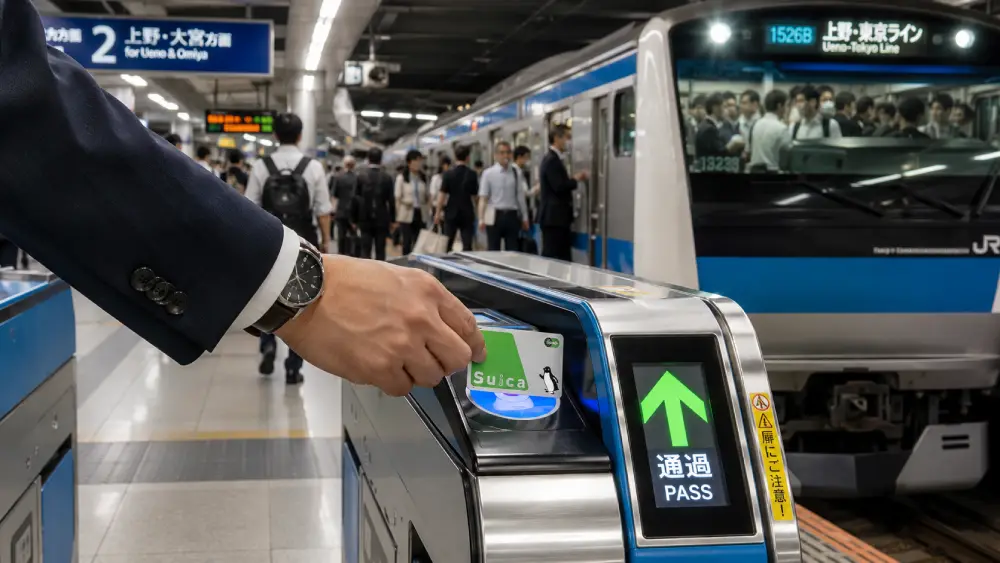
Public transportation in Japan is the absolute gold standard for global safety and efficiency. The Shinkansen (bullet trains) and local subway networks are immaculately maintained, perfectly timed, and extremely secure. Derailments or violent attacks on trains are incredibly rare, making rail the best way to cross the country.
The biggest risk on public transit is not physical danger, but logistical confusion and the danger of missing the last train around midnight. If you miss your train, you will be forced to rely on expensive taxis or wait in a 24-hour cafe until morning. To navigate the complex web of transit options safely, read our Japan Transport Guide: Trains, Uber Prices & Suica Tips.
Taxis are highly regulated, impeccably clean, and driven by licensed professionals who will never try to kidnap you or take you to a fake destination. Ride-sharing apps like Uber exist but primarily dispatch licensed local taxis rather than private drivers. There is absolutely zero risk of fake taxi cartels or highway banditry in Japan.
Renting a car is perfectly safe, but you must acquire an International Driving Permit before arriving in the country. The roads are immaculately maintained, but they are incredibly narrow, and tolls are notoriously expensive. Drunk driving laws are so strict that even a single sip of alcohol can result in jail time and immediate deportation.
Tourist Scams: The New Nightlife Threat
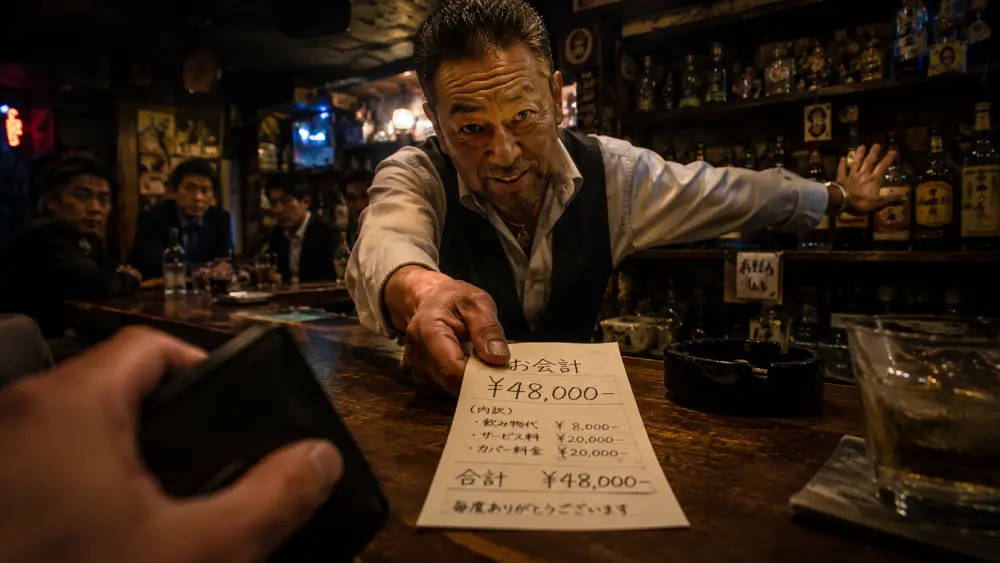
While violent robbery is practically non-existent, financial extortion in entertainment districts has reached epidemic proportions in 2026. The most prevalent threat is the Drink Spiking & Extortion Scam in places like Kabukicho and Roppongi. Friendly promoters or "touts" will approach you on the street, promising cheap drinks and beautiful women at a nearby club.
Once inside, tourists are served heavily spiked drinks, rendering them semi-conscious or completely blacked out. The victims are then taken to an ATM, or their credit cards are repeatedly charged for thousands of dollars. When the victim wakes up, the bar bouncers use intimidation or physical force to ensure the massive "bill" is paid before letting them leave.
Another common trap is the Hidden Cover Charge Scam. You sit down at a tiny bar, order drink, and are handed a bill for $200 because of an unlisted "seating fee" or "foreigner tax." Always ask for the cover charge (otoshi) upfront before sitting down to avoid aggressive disputes.
Finally, beware of the Fake Monk Scam around major temples in Kyoto and Tokyo. Individuals dressed as Buddhist monks will aggressively demand donations in exchange for cheap trinkets, preying on tourists' politeness. Legitimate monks will never aggressively solicit cash on the street.
Another issue popping up in major transit hubs is the Fake Taxi Dispatcher Scam. Individuals standing near the taxi queues will try to usher you into an unmarked, private vehicle while claiming the official line is closed. Always wait in the designated taxi line, as legitimate drivers will never solicit you on the footpaths.
Women's Safety & Solo Travel: The Realities of "Chikan"
Japan is universally praised as of the best destinations in the world for solo female travelers. Women can safely dine alone, hike rural trails, and walk home late at night with virtually zero fear of catcalling, aggressive machismo, or street harassment. The societal emphasis on privacy and respect means solo travelers are generally left in absolute peace.
However, the major safety issue for women is Chikan, the Japanese term for groping on crowded public transportation. This happens predominantly during rush hour when subway cars are packed shoulder-to-shoulder. To combat this, all major transit networks offer Women-Only Train Cars during peak hours, which are heavily enforced and highly recommended for female travelers.
In nightlife scenarios, solo women should exercise the exact same precautions regarding spiked drinks as men. Do not accept drinks from strangers, and never follow a street tout into a basement bar. If you ever feel unsafe, you can instantly duck into any of the thousands of brightly lit, 24-hour convenience stores (konbini) to seek help from the staff.
Health, Tap Water & Natural Disasters
You can absolutely drink the tap water anywhere in Japan. It is heavily purified, strictly regulated, and completely safe for foreign stomachs. Food safety is also paramount; getting food poisoning from street food or a convenience store is incredibly rare.
If you plan on doing serious shopping after eating well, you should review the Japan Tax-Free Rules: How to Claim VAT Refunds. This will save you significant money on large purchases across the country without dealing with shady vendors.
The real health and safety threats in Japan come from Mother Nature. Japan is of the most seismically active countries on earth, experiencing hundreds of minor earthquakes every year. You must know the basic drill: drop, cover, and hold on to something sturdy.
Download the "Yurekuru Call" app or rely on Japan's mandatory emergency mobile alerts for early earthquake warnings. During the summer months, Japan faces extreme heat waves, high humidity, and powerful typhoons that can ground flights and flood coastal areas. To plan around the worst weather and typhoon seasons, check out our Best Time to Visit Japan.
While the cities are safe from wildlife, rural Japan has experienced a significant increase in bear encounters in recent years. If you are hiking in Hokkaido or the Japanese Alps, you must carry a bear bell and make noise on the trails. Never hike alone in deep mountainous regions during dawn or dusk when wildlife is most active.
The Ultimate Safety Tool: Staying Connected
In a country where natural disasters strike without warning and street addresses are notoriously confusing, a reliable internet connection is your greatest safety lifeline. You need data to instantly translate signs, use Google Maps to avoid getting lost at night, and receive emergency earthquake alerts. Relying on public Wi-Fi is a massive security risk that exposes you to data theft.
Need data in Japan? Get an eSIM!
Choose the perfect data plan for your trip

Manage your eSIM in the app
Install, top up and track data.
A secure Japan eSIM ensures you are connected to local cellular networks the moment your plane lands. This allows you to immediately contact emergency services, verify train schedules, or navigate away from a sketchy nightlife district without hunting for an unencrypted cafe connection. For a deep dive into staying securely, read our guide on How to Get Mobile Internet in Japan.
If you are trying to figure out which provider offers the fastest emergency data, you must compare options in our Best eSIM for Japan. Do not travel to a seismically active country without a digital backup plan.
Official Travel Advisories (2026 Update)
-
United States (State Department): Currently ranks Japan at Level 1: Exercise Normal Precautions. The advisory heavily emphasizes the severe risks of drink spiking, credit card fraud, and extortion in Tokyo's entertainment districts like Roppongi and Shinjuku.
-
United Kingdom (FCDO): Advises that Japan is generally very safe, but warns British nationals to remain vigilant regarding petty crime in crowded areas. The FCDO also stresses the absolute necessity of preparing for sudden natural disasters, including earthquakes, tsunamis, and typhoons.
-
Canada (Government of Canada): Recommends taking normal security precautions while traveling in Japan. The Canadian government explicitly warns travelers against following street touts into bars and highlights the severe legal consequences of bringing prohibited prescription medications into the country.
The Verdict: Is Japan Safe?
Japan remains an incredibly safe, clean, and welcoming destination for travelers in 2026. The primary threats are no longer violent street crime, but rather falling victim to sophisticated nightlife extortion, running afoul of strict new overtourism laws, or being unprepared for a sudden natural disaster. As long as you respect the local culture, completely avoid shady bar promoters, and stay connected to emergency alerts, your Japanese adventure will be entirely secure.
-
Avoid the Touts: Never, under any circumstances, follow a street promoter into a bar or club in Kabukicho or Roppongi.
-
Respect the Rules: Do not trespass in private alleys in Kyoto, and never fly drones without explicit permits.
-
Prepare for Quakes: Always know your hotel's evacuation route and keep your phone charged for emergency seismic alerts.
-
Secure Your Meds: Check Japan's notoriously strict medication laws before packing your everyday prescription drugs.
-
Use Women-Only Cars: Female travelers should utilize the designated pink train cars during chaotic rush hour commutes.
Note: Travel safety situations can change rapidly. This information is accurate as of May 2026. Always exercise street smarts and consult official advisories before your trip.