

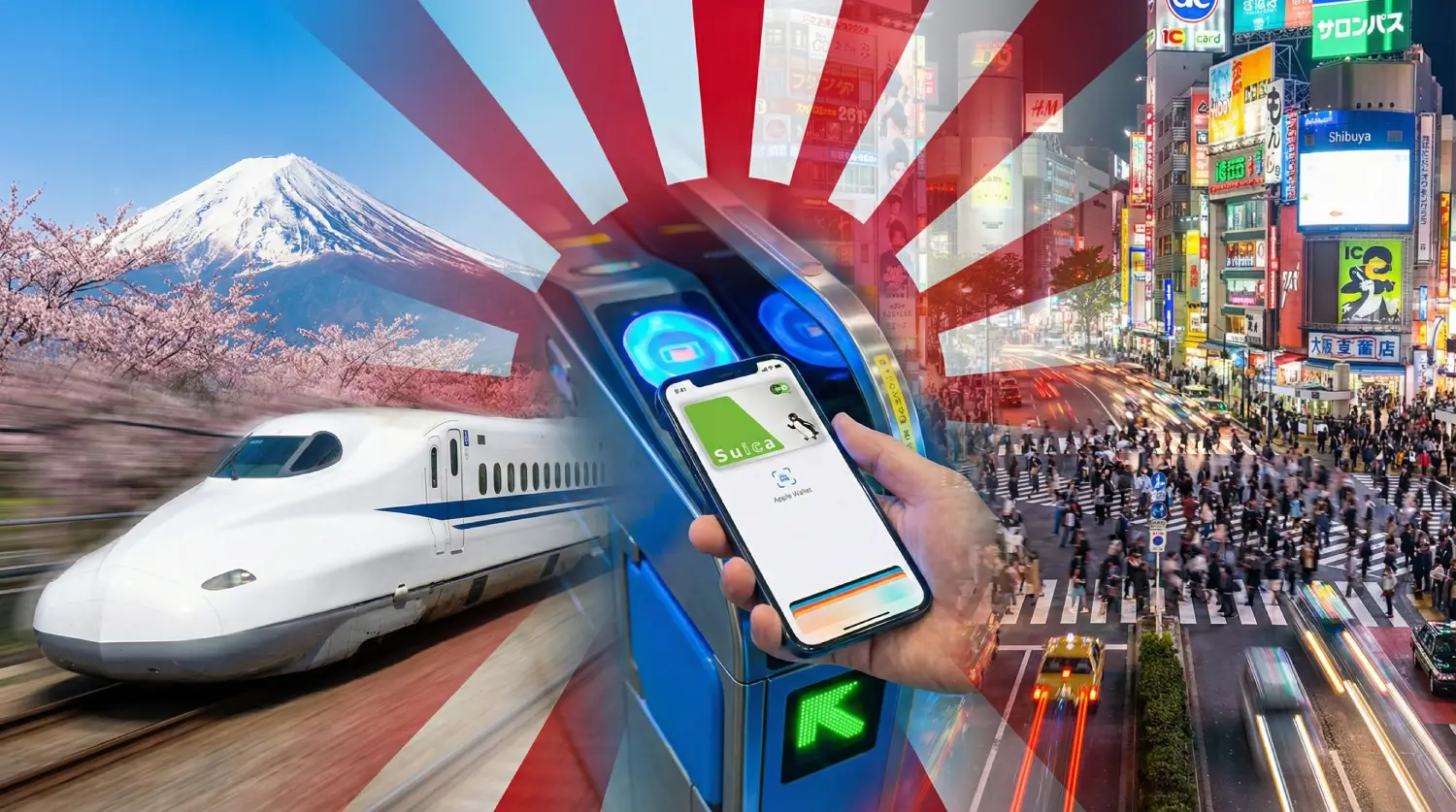

Welcome to Japan. Home to the world's most efficient, punctual, clean, and terrifyingly complex public transport system.
For a first-time visitor in 2026, navigating Japan is a genuine challenge. The famous JR Pass price has skyrocketed (making it less useful for many), physical Suica cards are still hard to find due to chip shortages, and taking a taxi from the airport can literally bankrupt your daily budget.
But don't panic. you understand the logic behind the chaos, it is a joy to use.
In this comprehensive survival guide, we break down everything: Why you probably shouldn't take an Uber, how to put a metro card on your iPhone to skip ticket lines, how to survive the "Shinjuku Station Dungeon," and the unwritten rules of train etiquette that will save you from dirty looks.
1. The Basics: Understanding the "Split" System
The biggest confusion for tourists is thinking "The Train" is single system. It is not. Tokyo’s rail network is a mix of rival companies that don't always play nice together.
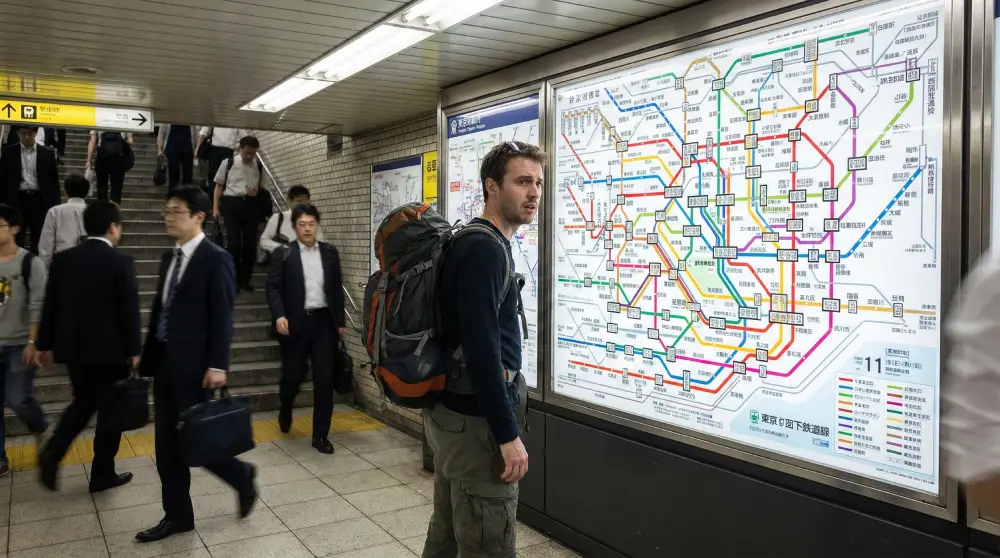
JR Lines (Japan Railways)
Think of this as the "Surface" network.
-
The Icon: The famous green Yamanote Line loop that circles Tokyo.
-
Best For: Getting across the city fast (e.g., Shinjuku to Tokyo Station, or Shibuya to Ueno) and inter-city travel (Shinkansen).
-
Payment: Accepts JR Pass and IC Cards.
The Subways (Underground)
There are two completely separate subway companies in Tokyo:
-
Tokyo Metro (9 Lines)
-
Toei Subway (4 Lines)
-
The Trap: If you transfer from a Tokyo Metro line to a Toei line, you have to exit the gates and pay a second fare (unless you have a special pass).
-
Best For: Short distances within central Tokyo (Ginza, Roppongi, Asakusa).
-
Important: A standard "JR Pass" usually does not work on these subways!
Private Railways
Lines like Odakyu (to Hakone) or Keisei (to Narita Airport) are private companies. They have their own pricing.
💡 The Solution to the Chaos: Don't try to buy individual paper tickets for every transfer. You will go crazy. You need an IC Card.
2. The Golden Rule: IC Cards (Suica, Pasmo & ICOCA)
Forget paper tickets. In 2026, you need an IC Card. These are rechargeable smart cards used for everything: Trains, buses, vending machines, lockers, and even paying for snacks at 7-Eleven.
The Problem: "Chip Shortage" Continues
Due to global chip shortages, finding a standard physical Suica or Pasmo card at the airport kiosks is still hit-or-miss. You might find a "Welcome Suica" (valid for 28 days), but don't count on it.
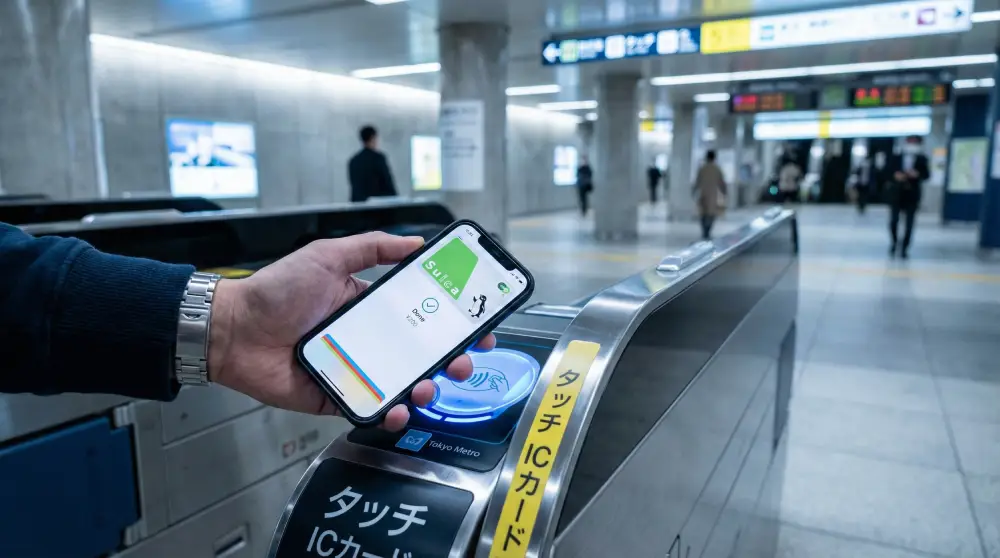
The Hack: "Mobile Suica" (iPhone & Android)
This is the #1 travel tip for Japan. You can create a card directly on your phone.
-
iPhone: Open Apple Wallet > Tap "+" > Transit Card > Search "Suica" or "ICOCA".
-
Android: Requires a phone with "Osaifu-Keitai" (Japanese NFC) chip, which most foreign Androids don't have. Android users might need to hunt for a physical card or use Pasmo Passport.
-
To Ride: Just tap your phone on the gate reader. You don't even need to wake the screen up.
The "Top-Up" Trap (Connectivity is Key)
Here is where tourists get stuck. You generally cannot reload your Mobile Suica with cash at a standard ticket machine. You must reload it via the app using your credit card (Mastercard/Amex work best; Visa sometimes fails).
-
The Risk: To reload money your digital card, your phone needs an active internet connection. If your data runs out while you are inside the subway system, you cannot top up, and the gate won't open to let you out. You are trapped.
-
The Fix: Ensure you have a reliable data connection underground. Check our guide on How to Get Mobile Internet in Japan to compare your options and avoid getting stuck at the turnstile.
3. Airport Transfers: Narita & Haneda
Your first test is getting from the airport to your hotel. Do NOT take a taxi unless you have money to burn.
From Narita (NRT) - Far Away
Narita is 60km from Tokyo. A taxi can cost $200-$250 USD.
-
Fastest: Keisei Skyliner (36 mins to Ueno).
-
Most Convenient: Narita Express (N'EX). It goes directly to major hubs like Shinjuku, Shibuya, and Tokyo Station.
-
Budget: Limousine Bus. Great if you have heavy luggage, as they drop you directly at major hotel lobbies.
From Haneda (HND) - Close to City
Haneda is much closer. A taxi is affordable here ($50-$70), but trains are faster.
-
Monorail: Scenic and fast to Hamamatsucho station.
-
Keikyu Line: Connects directly to the subway system.
🛂 Arrival Tip: Before you worry about trains, you need to clear customs. Japan has strict rules about what you can bring in (especially medications like Vicks or Sudafed). Read our Japan Airport Customs Rules 2026 to avoid fines before you even reach the train station.
4. The Shinkansen (Bullet Train): Speed & Rules
Riding the Bullet Train is a bucket-list experience. But there are strict rules in 2026.
The "Oversized Baggage" Rule
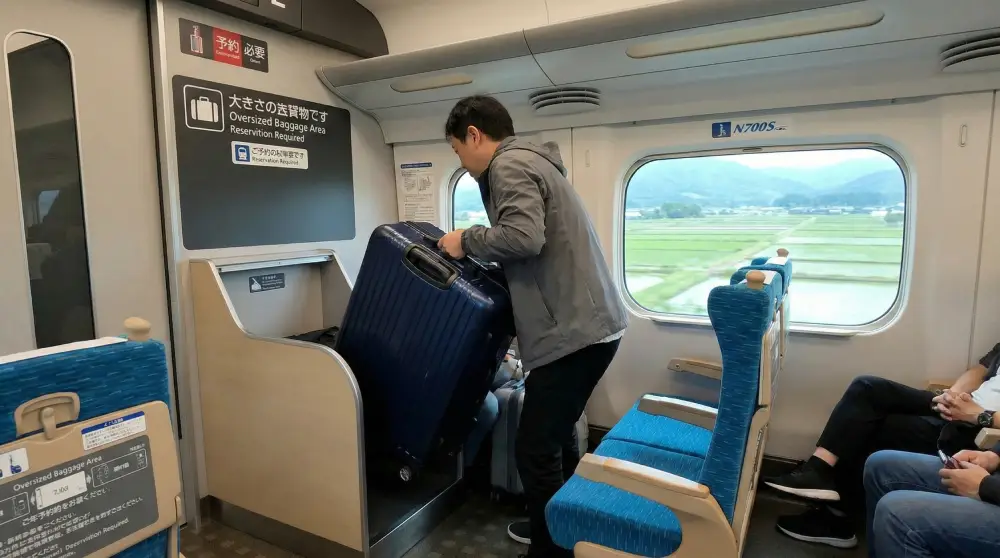
This catches everyone off guard. If your suitcase is huge (total dimensions L+W+H over 160cm), you MUST reserve the "Oversized Baggage Area" seats (usually the last row of the carriage).
-
The Penalty: If you bring a huge bag without a reservation, you will be fined 1,000 JPY and forced to move your bag to a designated area (if available).
-
How to Book: Use the SmartEX app or buy at the "Green Window" (ticket office) specifically asking for baggage space.
Buying Tickets
-
Online: Use the SmartEX App. (Requires internet to show QR code).
-
Station: Use the ticket machines. They have an English button.
5. The "JR Pass" Dilemma: Is It Worth It in 2026?
For decades, the "Japan Rail Pass" was a no-brainer. You bought it, and you saved money. That changed. The prices increased by roughly 70%, and in 2026, the math is strict.
-
Do NOT buy it if: You are just doing the classic "Golden Route" (Tokyo -> Kyoto -> Osaka -> Tokyo) over 10-14 days. Buying single Shinkansen tickets is now cheaper than the 7-day pass.
-
DO buy it if: You are doing a very fast, long-distance trip (e.g., adding Hiroshima, Fukuoka, or Kanazawa) within 7 days.
Alternatives: Look into "Regional Passes" (like the JR Kansai Pass or JR East Pass), which still offer incredible value.
6. The "Last Mile": Navigation & The Exit Strategy
In Japan, "Where is the station?" is the wrong question. The right question is: "Which Exit?"
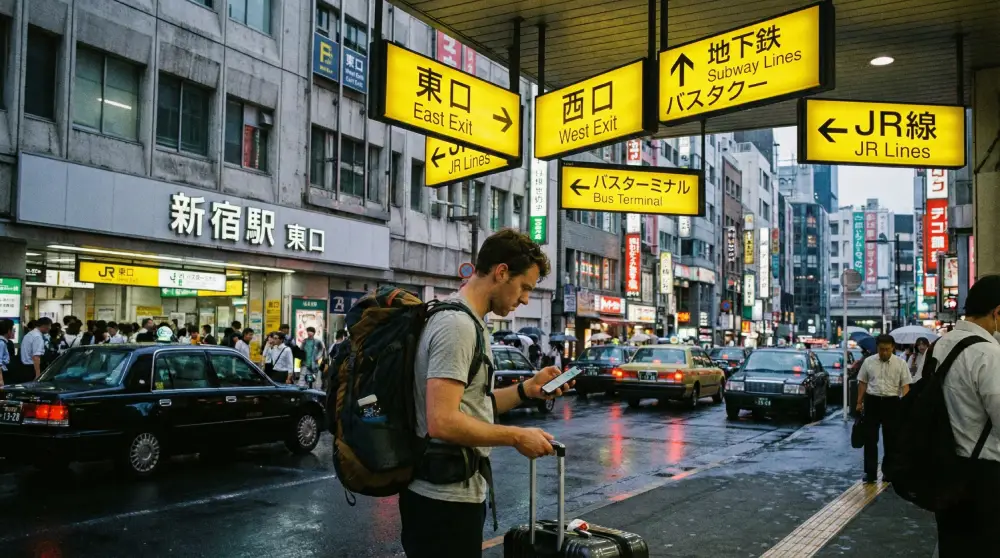
Stations like Shinjuku (the busiest in the world) or Tokyo Station are underground cities. Shinjuku has over 200 exits.
-
The Nightmare: If Google Maps says "Take East Exit," and you take the "West Exit," you might be 20 minutes away from your hotel on foot, separated by a highway you can't cross.
-
The Signage: Look for the yellow hanging signs. They are your lifeline.
Google Maps vs. Navitime
-
Google Maps: Great for walking and general train routes. It tells you exactly which Car Number to board for the fastest transfer.
-
Japan Travel by NAVITIME: The pro app. It allows you to filter routes by "JR Pass" (so you don't accidentally take a train your pass doesn't cover).
📱 Navigation Needs Data: GPS signals can be jumpy among skyscrapers, so you need reliable data to recalibrate your route. Unsure which provider has the best coverage underground? Check our Best eSIM for Japan comparison to find the most reliable option for Tokyo.
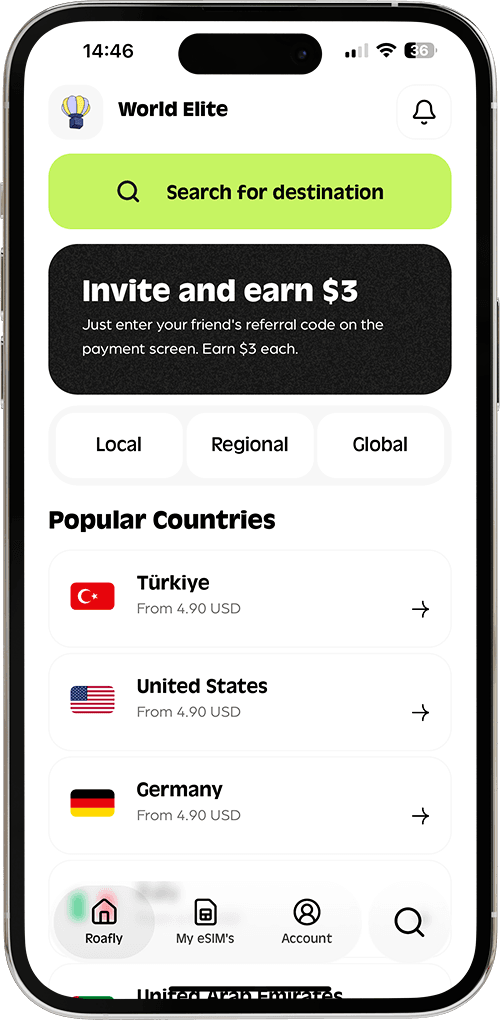
Need data in Japan? Get an eSIM!
Choose the perfect data plan for your trip

Manage your eSIM in the app
Install, top up and track data.
7. Taxis & Uber: The Budget Killer
Unlike Southeast Asia, taxis in Japan are a luxury service.
The Cost Reality
-
Start Price (Flag fall): Around 500-600 JPY ($3.50 - $4.00) just for sitting down.
-
The Meter: It jumps fast. A 20-minute ride across Tokyo can easily cost $40-$50 USD.
What About Uber?
In Japan, Uber is not a ride-share service like in the US.
-
When you call an Uber, a licensed Taxi shows up.
-
The price is the same as a taxi (plus a pickup fee). It is not a budget option.
-
Use it when: You have heavy luggage, it's raining, or the trains have stopped (after midnight).
💡 Cultural Tip (The Door): DO NOT touch the taxi door. The driver opens and closes the rear door automatically with a lever. If you try to slam it, they will get upset.
8. Train Etiquette: Don't Be "That" Tourist
Japan runs on social harmony. Breaking these rules will get you dirty looks.
-
Silence: Do not talk on your phone. Keep your voice down when talking to friends.
-
Eating: Eating is generally frowned upon on subway trains. On the Shinkansen (long-distance), eating a Bento box is perfectly fine and encouraged.
-
Priority Seats: Never sit in the "Priority Seats" (usually marked with different colored fabric) if you are young and healthy, especially if the train is crowded.
-
Backpacks: On crowded trains, wear your backpack on your front.
Want to know what else is forbidden? Check our guide on Japan Tourist Bans & Laws 2026 to avoid cultural faux pas.
9. When to Travel? (Avoiding the Crowds)
Transport during peak seasons is a war zone. Trains sell out, and stations are gridlocked.
-
Golden Week: (End of April / Early May). Avoid if possible. The whole country travels.
-
New Year: (Jan 1-3). Trains are packed.
-
Sakura Season: (Late March). Beautiful, but crowded.
Still planning your dates? Read our Best Time to Visit Japan guide to find the sweet spot between good weather and fewer crowds.
10. Summary Checklist: 2026 Transport Tips
-
Add Suica to Apple Wallet: Do this before you fly to skip lines.
-
Check JR Pass Math: Use a calculator. Single tickets are likely cheaper.
-
Book Baggage Seats: Mandatory for large suitcases on Shinkansen.
-
Avoid Taxis: Unless it's an emergency.
-
Watch the Clock: Trains stop around midnight. There are no 24-hour trains in Tokyo.
-
Stay Connected: A Roafly Japan eSIM costs less than short taxi ride and saves you from getting lost in the subway maze.
Need data in Japan? Get an eSIM!
Choose the perfect data plan for your trip
Manage your eSIM in the app
Install, top up and track data.
Navigating Japan’s transport system is an adventure in itself. It is complex, yes, but it is also a marvel of engineering. Master the IC card, download Google Maps, and enjoy the ride!