Download the App and manage your eSIMs easily
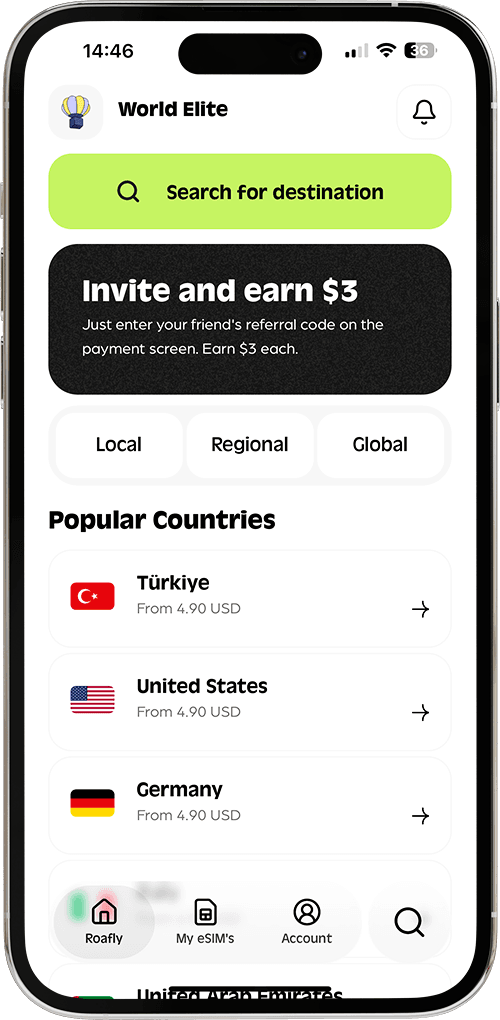
Create your order quickly
See your eSIM details
Track your remaining data
Download the App and manage your eSIMs easily
Create your order quickly
See your eSIM details
Track your remaining data
Waiting between flights at Mexico City Airport? Find the right terminal facilities, compare lounges and sleeping options, and work out whether a city visit fits your connection.

Lena Hartley
Updated Oct 21, 2026
11 min read
Save 15% on your Roafly eSIM
Stay connected on your next trip. Use the code below at checkout.
View All DestinationsJump to section
👇Save 15% on your Roafly eSIM
Stay connected on your next trip. Use the code below at checkout.
View All Destinations
Manage your eSIM in the app
Install, top up and track data.
Mexico City’s Benito Juárez Airport offers several ways to spend a layover: eat near your departure area, use a lounge, book a sleeping capsule or stay in a terminal hotel. Exploring the city can also work, provided entry formalities and the return journey leave you meaningful time outside.
Start with your departure terminal and the procedures your connection requires. Terminal 1 and Terminal 2 have separate facilities, and a lounge or hotel elsewhere in the airport may involve more movement than its address suggests.
Check the airport code on both flights. This guide covers Benito Juárez International Airport, MEX, also called AICM. Felipe Ángeles International Airport, NLU, is a separate airport; travelling between them requires a ground transfer.
Before deciding how to spend your layover, establish four things:
Arrival and departure terminals: use your airline’s current flight information.
Ticket arrangement: identify whether both flights are on one booking or were purchased separately.
Checked baggage: ask where you must next collect your bags and whether any collection or recheck is required at MEX.
Departure requirements: note any remaining check-in, document inspection, bag-drop and security steps.
Keep your boarding pass, booking reference and baggage receipt accessible offline. Once you know the departure area and remaining formalities, you can judge how much time is actually available for food, rest or sightseeing.
Mexico’s entry requirements matter even when the country is only a stop between flights. Staying inside the airport should never be treated as a blanket exemption from visa requirements.
Your passport and any qualifying visa, residence document or applicable authorization determine the documents needed. Mexico’s visitor-visa guidance includes transit among the covered purposes. Review the applicable Mexico entry requirements before booking a connection that depends on entering the country.
International-to-domestic connections, international connections and separate-ticket transfers can involve different procedures. Follow the connection signs and airline instructions for your particular itinerary.
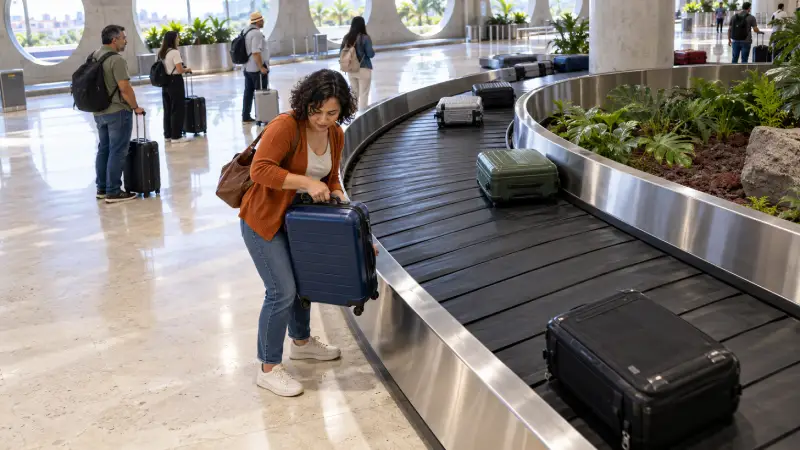
Ask the airline a precise question at your original check-in: “Do I need to collect or recheck this bag in Mexico City?” Keep the answer separate from the destination printed on the baggage tag, because an intermediate collection requirement can still matter.
With separate tickets, establish whether the airlines have agreed to transfer the bag. Otherwise, plan for collection and a new bag drop, including the next airline’s acceptance window and deadline.
If your connection involves customs clearance, review Mexico’s airport customs rules for restricted items and declarations. Immigration, customs and airline baggage handling are separate steps.
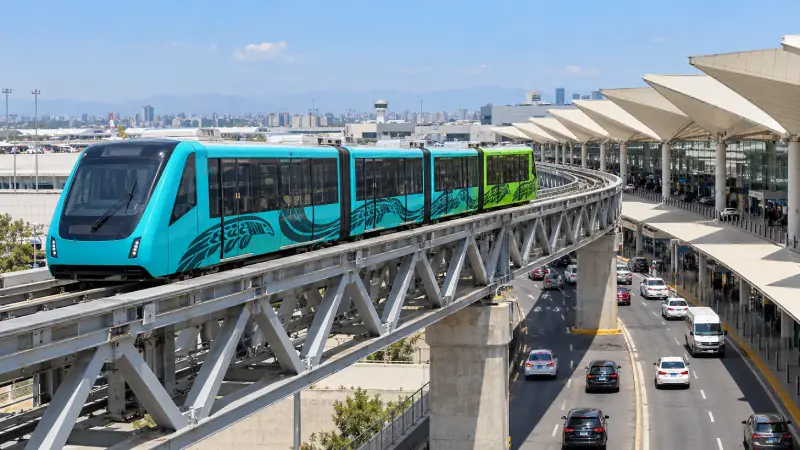
The Aerotrén connects MEX’s two terminals and is free for eligible passengers. Keep your boarding pass ready for access and follow signs for the train in your terminal.
The ride itself is only part of the transfer. You also need time to reach the station, wait, walk through the next terminal and complete any departure checks. Prioritize that move before settling into a restaurant or lounge.
Night connections need particular attention. The airport’s official pages give conflicting closing times, so establish the evening service arrangements with an information desk instead of relying on a last-train time copied from a travel guide. The Aerotrén service page provides the airport’s access information.
Interterminal road transport is another option. Ask airport staff for the operating service, boarding point and fare, particularly when the train is unavailable or your documents or baggage make another transfer more suitable.
MEX’s free Wi-Fi network is #AICM_FREE_WIFI. It serves both terminals, including public areas and departure lounges. Sessions last up to two hours; after that, accepting the terms again allows you to continue.
Use the connection to download your next boarding pass, message your accommodation and save essential booking details. Keep those documents available offline so you can reach them while moving between terminals.
Carry your charging cable and plug adapter. Lounges and sleeping capsules offer charging facilities, but access to a particular outlet in a public waiting area depends on where you sit and what is available.
Pick somewhere within easy reach of your departure area. Crossing into another part of the airport for a meal can add walking and security time.
Terminal 1 has food options in its public international-area food courts and corridors. In Terminal 2, the mezzanine before the departure lounges includes restaurants and cafés such as Toks and Chili’s. Their opening hours differ, so buy water and something to eat before settling down for a late-night wait.
Budget for airport meals separately from city prices. Understanding paying in pesos, card use and ATM choices also helps when paying for storage or transport.
Airport Wi-Fi is useful while you wait. If you will continue travelling in the country, the broader internet options in Mexico include local SIMs, travel eSIMs and roaming.
Buying a physical SIM can take time out of a connection. Review the SIM card options at Mexico City Airport before making a shop visit part of your layover.
Select a lounge you can reach from your departure area. Terminal location, security access and admission conditions matter as much as the lounge’s opening hours.
VIPort Lounge in Terminal 2 is after security near Gate 75 and operates around the clock. However, its different entry methods have different time allowances:
| Entry method at VIPort T2 | Published allowance | Practical implication |
|---|---|---|
| Priority Pass | Maximum three-hour stay | Suitable for part of a longer wait; admission remains subject to capacity |
| Direct VIPort Day Pass | Five hours, MXN 800 | Gives a longer visit, but still has a defined time limit |
VIPort’s direct price and Priority Pass conditions checked on 21 October 2026. The five-hour allowance belongs to the direct Day Pass.
Priority Pass access can involve a waiting list when the lounge is full. Build a meal-and-seating alternative into your plans instead of making lounge admission essential to the connection.
VIPort also operates in Terminal 1. Use the location and access details attached to your membership or booking to select the appropriate lounge before moving through security.
Lounges suit eating, working and spending a few quieter hours before departure. If lying down and sleeping is the main goal, compare capsules or a hotel room.
Book a dedicated sleeping space when rest is the priority, particularly before another long flight. MEX has capsules in both terminals and conventional hotels within the terminal buildings.
| Option | Location | Best suited to |
|---|---|---|
| izZzleep T1 | Terminal 1, near the airport bus-terminal area | Solo travellers wanting a capsule, shower and luggage storage |
| izZzleep T2 | Terminal 2, in the bus-terminal annex | Travellers wanting a capsule close to T2 |
| Hilton Mexico City Airport | Inside T1, Gate 8, third level | A private room near Terminal 1 |
| NH Collection Mexico City Airport T2 | Within the T2 building, reached from the arrivals area | A private room near Terminal 2 |
These are public-side accommodation options. International travellers must satisfy the applicable entry requirements to reach them, and returning to a departure gate involves the necessary security procedures.
izZzleep capsules are individual sleeping spaces with charging facilities. Shared bathroom areas contain private showers, and a luggage locker is included during your stay.
Children under 12 are not accepted. Guests aged 12–17 must be accompanied by a responsible adult, with each person using a separate capsule. Families with younger children should look at conventional rooms.
The properties operate 24 hours, but hourly naps and overnight bookings have different conditions. Hourly stays start from two hours; the T1 booking information restricts its nap service to a daytime window, subject to availability, without advance hourly reservations. Arrange the appropriate service rather than assuming a two-hour capsule will be available whenever you arrive.
Use the izZzleep booking and stay information to select the terminal and service. For arrivals after midnight, pay close attention to the reservation date: an overnight room needed at 2 a.m. generally belongs to the preceding night’s stay.
Hilton in T1 and NH Collection in T2 provide conventional private rooms. Staying near your next departure terminal can reduce the number of transfers around a short night’s sleep.
Standard check-in times also matter. An early-morning arrival requires a room arrangement covering that arrival time; a reservation beginning later the same afternoon may leave you waiting.
If you remain in public seating, keep luggage secured and your passport, phone and wallet on your person. Seating availability and comfort vary, so avoid building an overnight plan around finding an empty row.
Leaving a bag at the airport can make a city visit easier, especially when it would otherwise accompany you through busy streets and onto transport.
The airport’s storage directory identifies:
Terminal 1: Mexicana de Lockers, ground floor, unit E-41.
Terminal 2: Viajes Kokai, ground floor, units ALL45 and ALL46.
Both are listed as operating 24 hours. Obtain the price for your bag size and storage period before handing anything over, retain the receipt and allow time for collection before departure.
Keep your passport, boarding pass, medication and essential electronics with you. If your departing flight uses the other terminal, include the journey back to the storage point in your return plan.
You can consider a city visit if you are eligible to enter Mexico and have enough time after the required formalities. Make the decision once you know when you can actually leave the terminal.
Work backwards from your return time. MEX’s general airport-arrival guidance is two hours before domestic departures and three hours before international departures. Use that as a starting point for an excursion, while accounting for your airline’s own check-in, bag-drop and boarding deadlines.
Then subtract:
The return journey, including waiting for transport.
Extra time for traffic or disruption.
The outward journey.
Any baggage-storage or terminal-transfer tasks.
What remains is your usable city time.
Suppose you have completed arrival procedures and reached the public area at 10:30 a.m., with an international departure at 6 p.m.
| Planning item | Time allocation |
|---|---|
| Target return to the departure terminal | 3 p.m. |
| Available time between leaving and returning | 4 hours 30 minutes |
| Outward transport allowance | 1 hour |
| Return transport allowance | 1 hour |
| Additional contingency | 30 minutes |
| Time left in the city | 2 hours |
The transport figures are planning allowances, not promised journey times. Replace them with the conditions for your destination and travel time. Add storage or terminal changes separately. If the remaining visit becomes too short, use the airport facilities.
The historic centre offers a straightforward walking plan: Bellas Artes, Avenida Madero and the Zócalo, with a meal or coffee along the way. Choose a small part of that route if time is tight, and avoid making timed museum admission essential to the outing.
Metrobús Line 4’s Quetzalcóatl airport service connects both terminals with the historic centre and Amajac near Paseo de la Reforma. Authorized airport taxis provide another option. Compare the relevant transport choices in Mexico, then establish the return journey before starting your walk.
Prepare your route and departure-terminal details while still connected at the airport. The useful travel apps for Mexico can help with transport and navigation; review Mexico City safety advice when choosing where and when to explore.
Roafly’s Mexico eSIM provides mobile data for maps, messages and bookings on compatible, unlocked phones once you leave the terminal. If you are weighing providers and allowances before travelling, compare Mexico eSIM plans against the rest of your trip.
Set a firm time to start heading back. If arrival formalities run late or traffic reduces your available window, switch to a meal, lounge or rest break at MEX. During an overnight connection, a sleeping space near the departure terminal is usually the more useful choice.
