

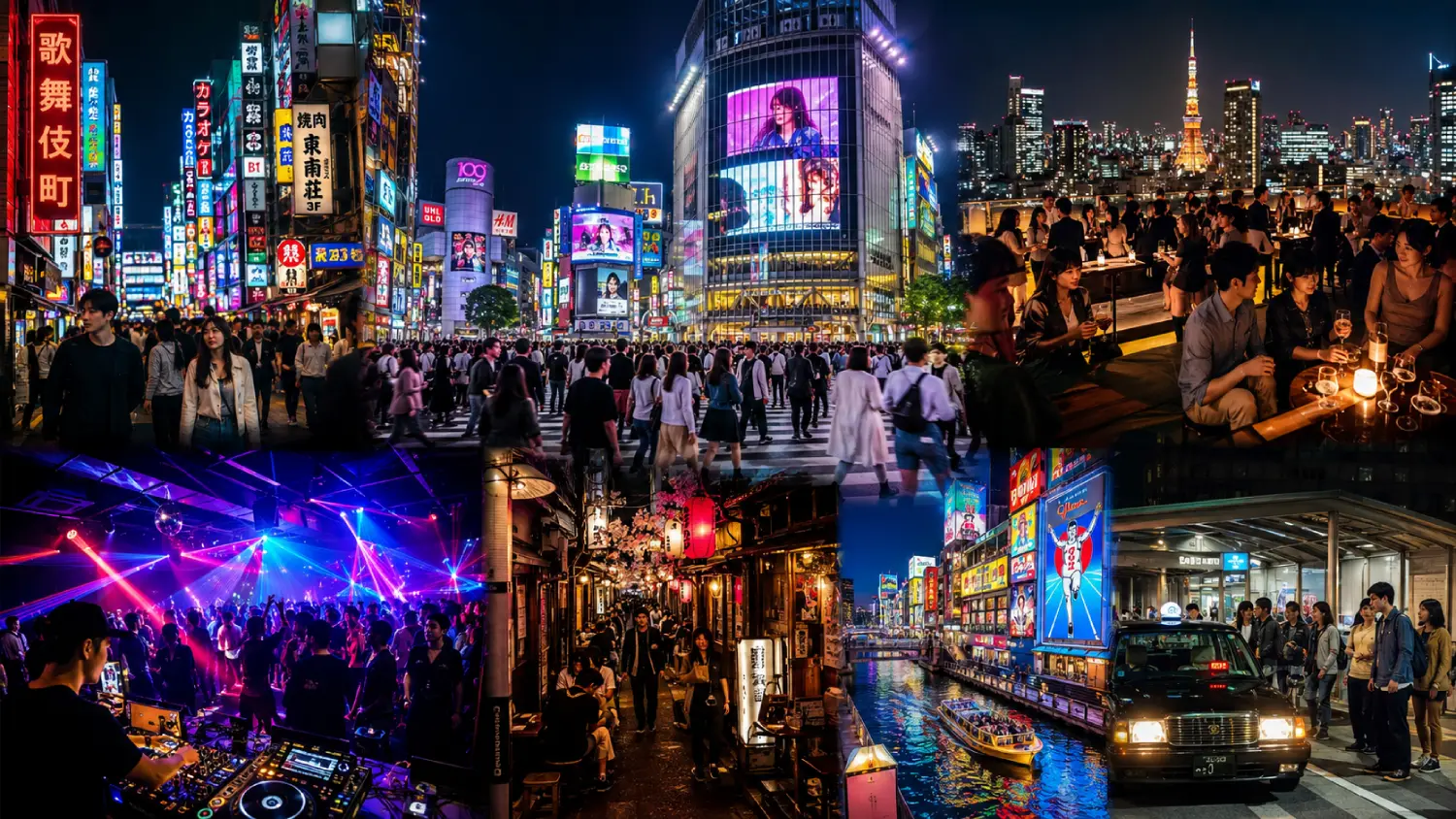

Japan does not have unified nightlife scene. It has several completely different worlds stacked on top of each other.
Tokyo delivers everything from underground techno and polished rooftop cocktails to chaotic entertainment districts filled with host clubs, touts and 24-hour karaoke. Osaka is louder, friendlier and usually cheaper, while Kyoto’s nightlife is smaller, more intimate and better for bar-hopping than full-scale club marathons.
The biggest mistake is assuming Japan closes early. Trains stop early, but many clubs, karaoke rooms, internet cafés and entertainment venues continue until the first morning services begin.
Tokyo Nightlife: The Main Event
Tokyo nightlife deserves the hype, but it is not effortless.
The city is enormous, the best districts are spread apart and most rail services stop around midnight. Pick main zone for the night unless you are prepared to spend heavily on taxis.
Tokyo’s major nightlife centers are Shibuya, Shinjuku and Roppongi, but each attracts a very different crowd.
Shibuya: Youth Culture, Techno and Controlled Chaos
The Vibe: Shibuya is Tokyo nightlife at its most recognizable: giant screens, packed crossings, fashion-conscious crowds and steep streets buzzing with izakayas, music bars and clubs.
The main action spreads through Dogenzaka, Maruyamacho and the streets behind Shibuya 109. It feels younger and more music-focused than Roppongi, with fewer aggressive touts than Kabukicho but plenty of drunk weekend crowds.
Shibuya is a strong choice for electronic music, hip-hop and travelers who want a real club rather than a tourist-oriented party bar.
WOMB
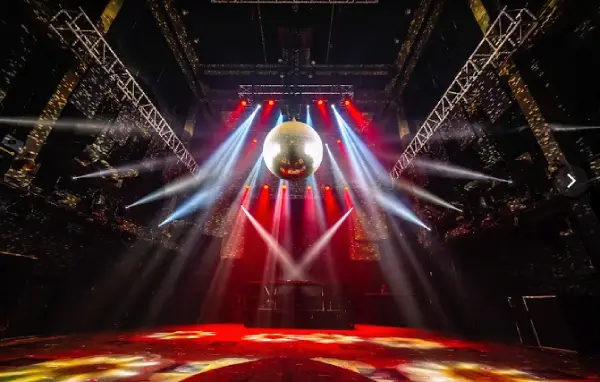
WOMB remains of Tokyo’s landmark electronic music venues. The multi-level club is known for techno, house, drum and bass and international DJ bookings rather than cheap commercial party music.
The main floor can feel intense and industrial when the room fills. Earlier hours may appear strangely quiet by European standards, but the energy often rises sharply after midnight.
Expect regular entry around ¥3,000–¥4,500, roughly $19–$28, depending on the event. A standard mixed drink commonly costs ¥800–¥1,100, around $5–$7, while beer is usually in a similar range.
CÉ LA VI Tokyo
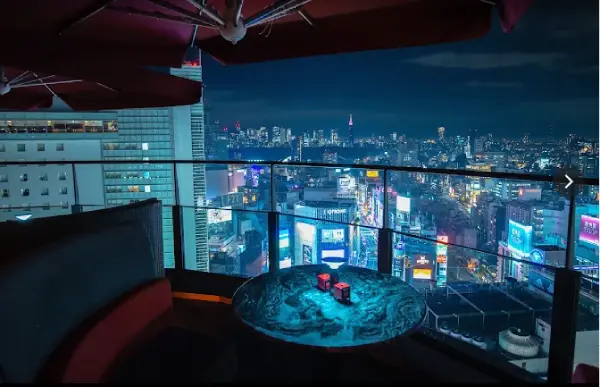
CÉ LA VI Tokyo offers the polished version of Shibuya nightlife. The rooftop setting, skyline views and fashionable crowd make it more about presentation, tables and cocktails than losing yourself in a dark basement.
Cocktails generally sit around ¥1,500–¥2,200, approximately $9–$14. Special events, table reservations and premium bottles can raise the cost dramatically.
Dress cleaner here than you would for WOMB. Sportswear, beach clothing and oversized luggage are poor choices.
TK Nightclub and ATOM Tokyo
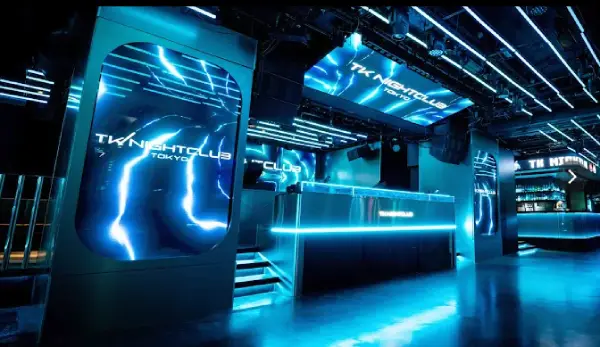
TK Nightclub and ATOM Tokyo attract younger crowds with EDM, hip-hop, pop remixes and accessible party formats. They are less musically demanding than Tokyo’s underground venues and easier for travelers who simply want a busy dance floor.
Entry commonly falls between ¥2,000 and ¥4,000, approximately $12–$25, sometimes including drink. Women may receive reduced admission on selected nights, while men are more likely to pay the full cover.
Price Check: A budget Shibuya night with convenience-store pre-drinks, club entry and two drinks can cost ¥5,000–¥8,000, around $31–$49.
A more comfortable night with dinner, several cocktails and a taxi can easily reach ¥15,000–¥25,000, approximately $93–$154.
Nightlife Scams & Traps: Shibuya is not scam-free. Ignore promoters promising suspiciously cheap unlimited drinking, unofficial VIP access or a “secret party” in an unnamed building.
Do not hand your card to someone who disappears with it. Check whether the displayed price includes tax, service charges and seating fees before ordering.
Shinjuku: Kabukicho, Golden Gai and Dawn-Level Madness
The Vibe: Shinjuku is not nightlife district. It is a collection of radically different experiences compressed into a few blocks.
You can drink quietly in a six-seat bar, watch drag performances in Ni-chome, enter a huge electronic club or accidentally follow a tout into of Tokyo’s most notorious tourist traps.
Kabukicho
Kabukicho is the giant neon entertainment zone northeast of Shinjuku Station. It contains legitimate restaurants, cinemas, karaoke towers, bars, clubs, host and hostess venues, adult entertainment businesses and businesses designed to separate drunk visitors from their money.
The district looks more dangerous than most of Tokyo actually feels. The real danger is usually financial manipulation rather than random street violence.
ZEROTOKYO
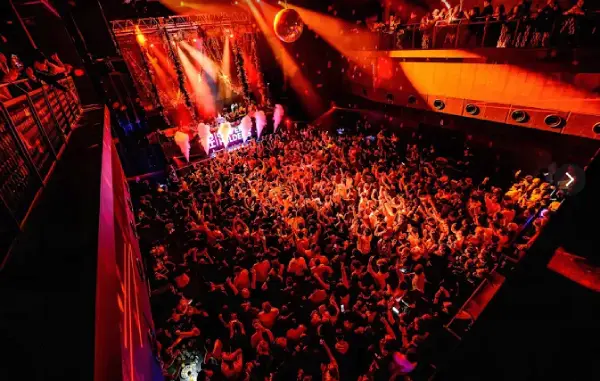
Located beneath the Tokyu Kabukicho Tower complex, ZEROTOKYO is of the city’s largest contemporary nightlife venues. Multiple rooms allow it to host electronic music, hip-hop, live performances and large branded events.
Expect entry around ¥3,000–¥5,000, approximately $19–$31, with higher prices for major international artists. Drinks generally cost around ¥800–¥1,200, or $5–$7.50.
The crowd is mixed and comparatively international. Check the night’s lineup before going because the experience can change completely depending on which rooms and promoters are operating.
WARP Shinjuku
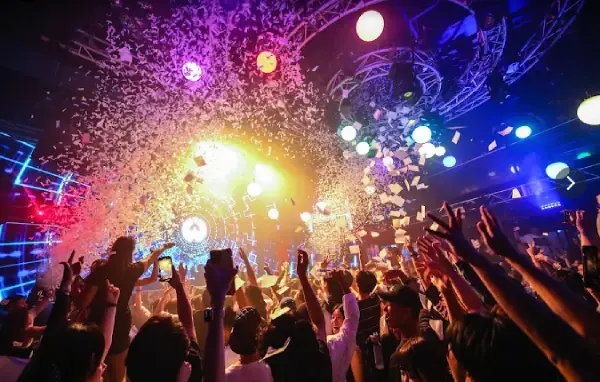
WARP Shinjuku delivers polished production, lasers, commercial EDM and a highly accessible party atmosphere. It is popular with younger visitors and groups looking for a straightforward big-club experience.
Admission commonly ranges from ¥2,000 to ¥4,000, around $12–$25. Promotions vary significantly by arrival time, gender and event.
Golden Gai
Golden Gai is a maze of narrow lanes packed with extremely small bars, many holding fewer than ten customers. This is not a clubbing zone; it is a drinking and conversation zone.
Some bars welcome tourists enthusiastically. Others are effectively regulars-only, which is usually made clear through signs, closed doors or the staff’s response.
Many venues charge a seating fee of around ¥500–¥1,500, approximately $3–$9, before drinks. Ask before sitting down because a cheap-looking whisky can become expensive cover charges are added.
Shinjuku Ni-chome
Shinjuku Ni-chome is Tokyo’s best-known LGBTQ nightlife district. It contains compact gay bars, lesbian bars, mixed venues, drag spaces and dance clubs.
Not every venue is designed for every visitor. Some bars cater specifically to Japanese-speaking regulars, specific genders or particular communities, so respect door policies without arguing.
The Kabukicho Scam Reality
Never follow a street tout into a bar in Kabukicho.
The classic approach begins with promises of cheap drinks, free entry, attractive company or an unlimited-drinking package. inside, victims may face invented service fees, inflated bills, unauthorized card transactions, intimidation or drink spiking.
Foreign-government travel guidance and recent reports have highlighted drink-spiking and credit-card fraud risks in Kabukicho, Roppongi, Shibuya and Ikebukuro, with Kabukicho appearing repeatedly in victim reports.
Do not assume a friendly English-speaking promoter is safer because he appears helpful. Street recruitment is the red flag.
Price Check: A normal Kabukicho izakaya meal with drinks may cost ¥3,000–¥6,000, roughly $19–$37 per person.
A legitimate club night may cost another ¥4,000–¥8,000, around $25–$49. Scam-bar demands can reach tens or even hundreds of thousands of yen.
Roppongi: International Crowds and High-Spend Partying
The Vibe: Roppongi is Tokyo’s most internationally oriented nightlife district. English is widely heard, foreign residents mix with tourists and venues often favor commercial house, EDM, hip-hop and bottle-service culture.
It is easier to meet other travelers here than in many Japanese nightlife districts. It is also of the easiest areas in which to overspend or be targeted by aggressive promoters.
SEL OCTAGON TOKYO
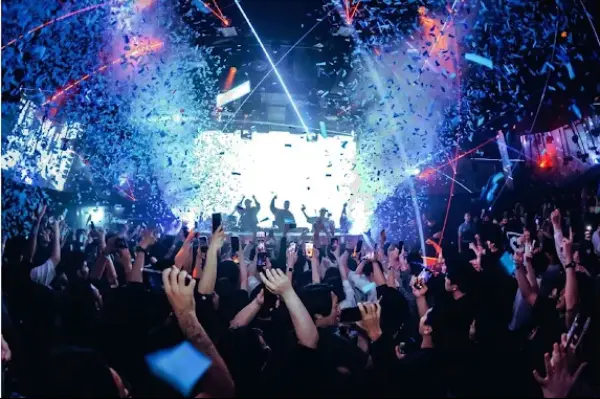
SEL OCTAGON TOKYO is of Roppongi’s major electronic clubs, with high-end production, EDM-focused nights and visiting DJs.
Standard entry commonly ranges from ¥3,000–¥5,000, around $19–$31. Cocktails and spirits generally begin around ¥900–¥1,300, approximately $6–$8.
Door staff may enforce age, ID and clothing requirements more strictly during major events. Bring your physical passport rather than relying on a photograph.
1OAK Tokyo and Luxury Lounges
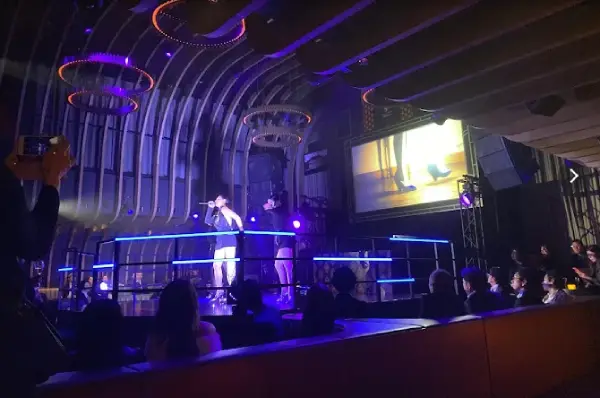
Roppongi and nearby Azabu-Juban contain higher-end lounges where table spending matters more than the admission price. Bottle packages can begin around ¥30,000–¥60,000, approximately $185–$370, and climb rapidly.
The strongest door policies appear at celebrity-oriented or table-driven venues. Clean shoes, fitted clothing and a balanced group improve your chances.
Roppongi Bar Traps
Do not enter an unknown Roppongi bar with a street promoter.
Some venues advertise free admission but hide charges for seating, companionship, service, ice, mixers or minimum spending. Ask for a written menu and confirm the complete price before ordering.
Avoid any place that refuses to explain its charges clearly. Never let staff repeatedly run your card after claiming the first transaction failed.
Price Check: A local beer in a standard bar costs around ¥700–¥1,000, approximately $4–$6.
Cocktails in fashionable lounges typically cost ¥1,200–¥2,000, around $7–$12. A complete Roppongi night can easily exceed ¥20,000, or about $123, before a taxi.
Ebisu, Daikanyama and Aoyama: The Grown-Up Alternative
The Vibe: These neighborhoods are calmer, more stylish and less aggressively tourist-facing. Expect cocktail bars, wine bars, listening rooms and electronic venues with a stronger focus on sound and design.
VENT in Aoyama is known for serious electronic programming and a crowd that attends for the music. It is a better fit for techno and house fans than groups looking for bottle-service theatrics.
Ebisu works well for dates and bar-hopping. Daikanyama feels fashionable and controlled, with fewer visible signs of nightlife chaos.
Cocktails typically cost ¥1,200–¥2,000, around $7–$12, while specialized whisky bars may charge much more. Some venues also add a cover or table charge.
Ginza: Cocktail Precision and Serious Bills
The Vibe: Ginza is where bartending becomes ceremony. Tiny counters, immaculate ice, rare whisky and quiet service replace lasers and packed dance floors.
A cocktail in a respected Ginza bar often costs ¥1,800–¥3,000, approximately $11–$19, before a cover charge. Luxury hotel bars may be more expensive.
This is not the district for loud groups, pub crawls or visibly intoxicated behavior. Speak quietly, dress neatly and treat the bartender’s space with respect.
Osaka Nightlife: Louder, Friendlier and Usually Cheaper
Osaka’s nightlife feels less formal than Tokyo’s. Strangers talk more easily, street food remains available late and the atmosphere around Namba, Shinsaibashi and Dotonbori is openly social.
Namba and Shinsaibashi
The Vibe: Bright signs, food smoke, crowds, comedy energy and bars stacked vertically inside anonymous buildings.
GIRAFFE Japan offers a large, multilingual-friendly club experience in the Dotonbori and Soemoncho area. Club JOULE remains an important name for electronic events and larger touring artists.
Entry usually runs around ¥2,000–¥4,000, approximately $12–$25. Beer costs roughly ¥600–¥900, around $4–$6, while club cocktails sit near ¥800–¥1,200, about $5–$7.50.
Scams & Traps: Avoid unofficial promoters offering private drinking rooms or unclear all-you-can-drink deals. In izakayas, confirm whether a table charge and mandatory appetizer will be added.
Do not confuse the relaxed Osaka personality with permission to become aggressive. Staff will remove loud or confrontational customers quickly.
Kyoto Nightlife: Small Bars Before Mega-Clubs
Kyoto becomes dramatically quieter after the sightseeing crowds disappear. The nightlife is concentrated around Kiyamachi, Pontocho, Gion-Shijo and the central Kawaramachi area.
Kiyamachi and Pontocho
The Vibe: Riverside drinking, tiny cocktail bars, student pubs, hidden staircases and intimate venues rather than a giant party district.
A beer generally costs ¥600–¥900, around $4–$6. Cocktails commonly cost ¥900–¥1,500, approximately $6–$9.
KITSUNE KYOTO and WORLD KYOTO
KITSUNE KYOTO provides a foreigner-friendly, open-format club experience and operates into the early morning. Published admission prices vary by day and gender, with standard fees generally starting around ¥1,000–¥2,000 before special-event increases.
WORLD KYOTO is the more music-driven alternative, regularly hosting techno, house and guest-DJ events. Event-specific covers can reach approximately ¥2,500–¥3,500, around $15–$22.
Scams & Traps: Kyoto has fewer aggressive nightlife scams than central Tokyo, but hidden table charges still exist. Do not enter members-only or regulars-only bars after staff clearly indicate that the venue is not accepting you.
What You Can & Can’t Do: Nightlife Laws
Japan’s legal drinking age is 20. The same minimum age applies to purchasing tobacco products.
Clubs may request a physical passport or Japanese government-issued identification. Screenshots, photocopies and photographs of identification may be rejected.
Japan does not impose nationwide closing time on every bar. Operating hours depend on the venue, licensing conditions and local rules, which is why some bars close near midnight while major clubs operate until around 5 AM.
Convenience stores and supermarkets commonly sell alcohol late into the night, but individual retailers can restrict sales. Public drinking is not universally prohibited nationwide, yet disruptive drunken behavior, littering and drinking in locally restricted areas can attract police attention.
Cannabis is not a casual legal gray area in Japan. Cannabis use became a criminal offense following legal reforms that took effect in December 2024, while possession, importation and distribution remain severely punished.
Do not bring cannabis products, THC oils, gummies or residue-contaminated equipment into Japan. A product being legal or prescribed in another country does not automatically make it legal at the Japanese border.
Nicotine vaping liquid is heavily restricted. Personal import allowances and pharmaceutical rules can apply to nicotine-containing liquids, while selling unapproved nicotine e-liquid domestically is restricted.
Do not vape inside clubs, restaurants or bars unless the venue provides a designated smoking area. Street smoking is also restricted in many central districts.
Japan has strict drug laws and little tolerance for excuses involving accidental possession. Before packing medication, read Japan Tourist Bans & Laws: Things Not To Do & Illegal Items.
Street Safety & Late-Night Etiquette
Japan is generally very safe, but nightlife safety is not the same thing as daytime sightseeing safety. Read Is Japan Safe for Tourists? Earthquakes & Scams before assuming that low street-crime statistics make every entertainment venue trustworthy.
Never follow touts in Kabukicho or Roppongi. This single rule prevents a large percentage of serious nightlife problems.
Keep your drink in sight and do not accept open drinks from strangers. Stop drinking immediately when you feel unusually confused, weak or sleepy.
Use payment card with a low spending limit rather than carrying every bank card you own. Enable instant transaction notifications.
Japanese trains usually stop around midnight and resume around 5 AM, although exact times vary by line and station. Tokyo taxis operate through the night, but a late-night surcharge generally applies between 10 PM and 5 AM.
A late-night taxi across central Tokyo can cost ¥4,000–¥10,000, approximately $25–$62, depending on distance and traffic. Longer trips can cost much more.
Use established taxi ranks or apps such as GO and Uber rather than accepting an unofficial ride. Japan’s app-based services commonly dispatch licensed taxis rather than operating exactly like private-driver ridesharing in other countries.
Plan where you sleep before the first drink. Staying near Shibuya, Shinjuku or Roppongi can save more money than booking a cheaper hotel across the city and paying for taxis every night.
Compare party districts with Where to Stay in Japan: Best Areas & Towns Guide and understand the last-train system through Japan Transport Guide: Trains, Uber Prices & Suica Tips.
Do not shout on residential streets after leaving a venue. Do not block pavements, sit in private doorways or leave cans outside convenience stores.
Avoid public arguments. Japanese police may struggle to determine what happened when everyone is intoxicated and communication is poor.
Navigating the Night: Why Data Is a Lifeline
Tokyo becomes much harder when your phone loses data at 2:30 AM.
Club Wi-Fi is often overloaded, password-protected or unavailable outside the entrance. That is exactly when you need maps, translation, payment notifications and transport apps.
Need data in Japan? Get an eSIM!
Choose the perfect data plan for your trip

Manage your eSIM in the app
Install, top up and track data.
An active connection lets you verify your hotel address, call a licensed taxi, check the first train, translate instructions and send your location to friends. It also allows you to freeze a card immediately after a suspicious charge.
Japan eSIM is the ultimate safety tool for a night out because it keeps your transport and communication options alive after trains stop. Compare providers in Best eSIM for Japan and review setup choices in How to Get Mobile Internet in Japan.
Install and activate your data plan before going out. Do not wait until you are standing outside a Shinjuku club with low battery and no connection.
Japan’s seasons also affect nightlife planning. Tokyo’s humid summer nights, rainy periods and cold winter taxi queues can completely change the experience, so check Best Time to Visit Japan.
Summary: The Golden Rules of Japan Nightlife
-
Never follow street touts into bars in Kabukicho or Roppongi.
-
Carry physical identification because Japan’s drinking age is 20 and major clubs may reject digital copies.
-
Choose nightlife district per evening or budget heavily for post-midnight taxis.
-
Keep your drink visible and activate instant card-payment alerts.
-
Treat cannabis, recreational drugs and restricted vaping products as serious legal risks.
-
Use a Japan eSIM, save your hotel address and keep enough battery to arrange a safe ride home.