Download the App and manage your eSIMs easily
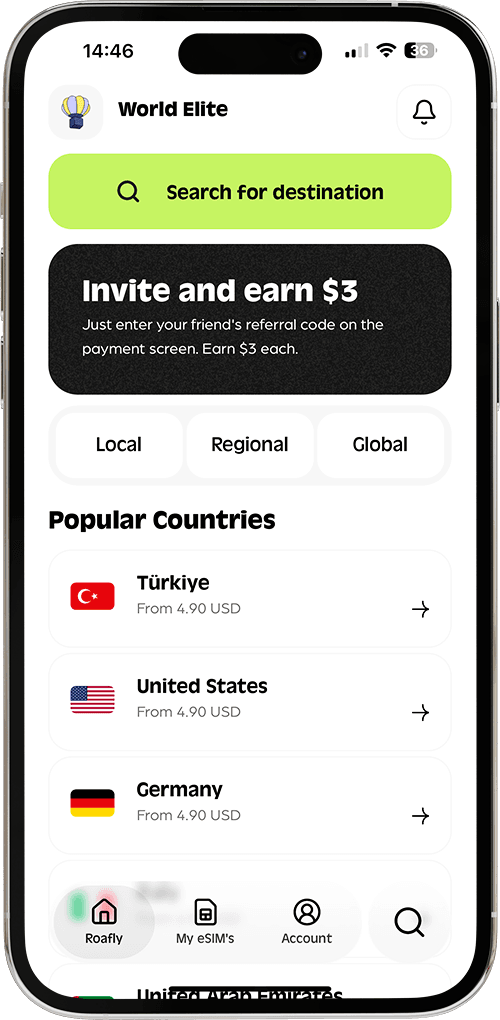
Create your order quickly
See your eSIM details
Track your remaining data
Download the App and manage your eSIMs easily
Create your order quickly
See your eSIM details
Track your remaining data
Budget roughly MXN 1,100–1,750 (US$60–95) per person for a day and a shared hotel night on an economical Mexico City trip. Comfortable city stays, independent beach holidays and all-inclusive resorts require different calculations, particularly once meals, transfers and excursions enter the picture.

Sophie Callahan
Updated Oct 20, 2026
9 min read

Save 15% on your Roafly eSIM
Stay connected on your next trip. Use the code below at checkout.
View All DestinationsJump to section
👇Save 15% on your Roafly eSIM
Stay connected on your next trip. Use the code below at checkout.
View All Destinations
Manage your eSIM in the app
Install, top up and track data.
Mexico’s biggest budget decision is where you stay and how you spend your days. Walking between museums and neighbourhood restaurants creates a different bill from staying beside a Caribbean beach and taking organised excursions.
These planning ranges assume two adults sharing one private room, travelling outside major holiday periods. They separate the room price from each person’s other spending.
| Trip style | Room per night, for two | Other spending per person, per day | One day + one night, per person |
|---|---|---|---|
| Economical Mexico City stay | MXN 900–1,400 | MXN 650–1,050 | MXN 1,100–1,750 / US$60–95 |
| Comfortable Mexico City stay | MXN 2,600–3,600 | MXN 1,100–1,800 | MXN 2,400–3,600 / US$130–195 |
| Independent Cancún–Riviera Maya stay | MXN 2,400–4,000 | MXN 1,150–2,200 | MXN 2,350–4,200 / US$128–228 |
| All-inclusive Cancún stay | MXN 4,500–7,500 | MXN 300–900 | MXN 2,550–4,650 / US$138–252 |
These are planning allowances informed by accommodation and menu samples checked on 20 October 2026, including advertised October–November stays. They are not national averages or bookable packages. USD equivalents use MXN 18.42 per US$1 and are rounded.
“Other spending” covers food, local transport and activities. In the all-inclusive row, it covers spending outside the package, such as meals away from the resort, transfers and excursions.
The ranges overlap deliberately. An independent beach holiday with frequent restaurant meals and paid outings can cost as much as an all-inclusive stay. Equally, an economical city trip can remain substantially cheaper than either.

Mexico City’s economical model allows MXN 900–1,400 per room per night. Its comfortable model raises that allowance to MXN 2,600–3,600, giving more room for hotel facilities and preferred locations.
Those are spending targets, not promises about a particular neighbourhood or hotel. Compare the full stay price, room type, cancellation terms and breakfast inclusion before deciding that two offers are equivalent.
Location can also change the rest of the budget. Saving on a room may be worthwhile if the places you want to visit remain easy to reach. It becomes less useful when every outing requires a long paid journey. Review relevant safety considerations in Mexico alongside the location and transport options.
The independent beach model allows MXN 2,400–4,000 per room per night, with meals and outings budgeted separately. The all-inclusive model allows MXN 4,500–7,500 for two adults, assuming the selected rate includes their main meals.
Compare the cost of the holiday you intend to take:
Mostly resort days: Included meals and drinks can make an all-inclusive rate easier to manage.
Frequent excursions: You may spend on restaurant meals and activities while leaving included resort services unused.
Independent exploring: A room-only stay gives more freedom to choose where and when you eat.
Read the actual inclusions. Airport transfers, premium drinks, spa treatments and off-site activities belong in the calculation only when the selected package covers them.

The economical city budget sets aside MXN 450–650 per person per day for food and drinks. The comfortable city model uses MXN 700–1,000, while the independent Caribbean model allows MXN 700–1,100.
These are daily allowances, not the price of a fixed three-meal menu. Breakfast included with your room leaves more of the allowance for lunch and dinner.
Mexico City offers useful lower-cost reference points. La Casa de Toño’s own ordering menu showed simple chilaquiles at MXN 98, chicken enchiladas at MXN 118 and café de olla at MXN 49 when checked. Those are online ordering prices; dine-in totals and branch availability can differ.
Restaurant drinks can make a noticeable difference. La Parrilla’s downtown Cancún menu listed a classic margarita at MXN 250. One such drink each day adds MXN 1,750 per person over seven days, before any tip you choose to leave.
The all-inclusive model instead allocates MXN 100–300 per person per day for food and drinks outside the package. Increase that allowance if exploring restaurants is a central part of the trip.

Mexico City’s Metrobús costs MXN 6 for a standard journey and MXN 30 for the airport service. Those fares make public transport useful for keeping costs down, although the best option depends on your accommodation, luggage and arrival time.
The city models allocate:
MXN 100–200 per person per day for an economical mix of public transport and occasional paid rides.
MXN 200–400 per person per day for more frequent paid rides and greater flexibility.
These are allowances averaged across the trip. Airport journeys can use a larger share on arrival and departure days.
In Cancún, the ADO airport service to Punta Cancún starts at approximately MXN 170 per person one way, with the final fare depending on the departure selected. It arrives at a fixed stop in the Hotel Zone rather than at individual hotels.
That last distinction matters. Two bus tickets plus another ride to a distant hotel may narrow the saving against a direct transfer. Compare the cost from the terminal to your accommodation, not just the first ticket.
The independent beach model allows MXN 200–450 per person per day for transport. The resort model uses MXN 100–250, reflecting fewer everyday journeys.
Before booking flights, weigh Cancún versus Tulum airports against your accommodation’s location. For a trip combining several destinations, use the Mexico transport guide to price the connections separately; the budgets here assume one main base.
Paid outings can change a beach budget faster than everyday meals. Decide which excursions you actually want before treating the remaining money as spare spending.
The daily models include the following activity allowances, averaged across the week:
Economical city trip: MXN 100–200 per person.
Comfortable city trip: MXN 200–400 per person.
Independent beach trip: MXN 250–650 per person.
All-inclusive stay: MXN 100–350 per person for activities outside the package.
Spend those allowances across your itinerary. Free sightseeing on one day can leave more for a paid attraction on another. Several large park visits or private excursions may require a higher activity budget.
For Chichén Itzá excursions, establish whether the tour includes the full admission charge. Entry involves federal and Yucatán state components, so a transport-and-guide price alone is not enough to compare tours fairly.
Foreign tourists visiting Quintana Roo must also account for VISITAX. Use the official payment route for the applicable amount; an all-inclusive hotel booking should not be treated as proof that this separate obligation has been covered.
Visa-related spending depends on your circumstances. Review Mexico’s entry requirements before adding an assumed visa fee to every traveller’s budget.
Check whether your existing mobile plan includes usable data in Mexico before buying anything extra. Its allowance and terms determine whether you need another connection. Our guide to internet options in Mexico explains the main alternatives.
Roafly’s Mexico eSIM offers 5 GB for US$16 or 10 GB for US$24.90, both valid for 30 days. These are data-only plans with hotspot support and top-ups available.
The weekly examples below reserve MXN 300 per person for mobile data, approximately enough for the US$16 plan at the reference exchange rate. That is a budget allowance, not a peso-denominated product price.
If you are deciding between providers or allowances, compare Mexico eSIM plans before selecting a package.
These examples use seven days and six hotel nights. Each person pays half the room cost, seven days of the other spending allowance, and MXN 300 for mobile data.
| Trip style | Core budget per person | Core budget for two | Approximate USD per person |
|---|---|---|---|
| Economical Mexico City stay | MXN 7,550–11,850 | MXN 15,100–23,700 | US$410–645 |
| Comfortable Mexico City stay | MXN 15,800–23,700 | MXN 31,600–47,400 | US$860–1,285 |
| Independent Cancún–Riviera Maya stay | MXN 15,550–27,700 | MXN 31,100–55,400 | US$845–1,505 |
| All-inclusive Cancún stay | MXN 15,900–29,100 | MXN 31,800–58,200 | US$865–1,580 |
The model includes accommodation, the stated food/transport/activity allowances and mobile data. Use tax-inclusive accommodation quotes where available. Add international or domestic flights, insurance, applicable visa costs, VISITAX, separately payable accommodation charges and shopping. USD totals are rounded to the nearest US$5.
The lower economical-city example works as follows:
Six nights × MXN 450 lodging per person + seven days × MXN 650 other spending + MXN 300 data = MXN 7,550 per person.
That calculation explains why multiplying the daily figure by seven would overstate the accommodation cost: this itinerary contains six hotel nights.
Solo visitors keeping the same private room must pay the full room price. Food and activity costs do not double simply because the room is no longer shared.
Start with the room and itinerary. Reducing a room rate by MXN 300 per night saves a couple MXN 1,800 over six nights. That is a more predictable saving than trying to reduce every small purchase after arrival.
Match the meal plan to your days. Breakfast inclusion can help on a city trip. All-inclusive dining is more valuable when you expect to spend substantial time at the resort.
Price your must-do activities early. Keep the excursions you care about, then build lower-cost days around them. This gives the activity allowance a purpose instead of letting it become an undefined reserve.
Compare dates within the same region. Major holidays, festivals and busy weekends need their own accommodation quotes. The best time to visit Mexico depends on the destination and the conditions you want, so weigh seasonal trade-offs alongside the room price.
Keep payment costs visible. ATM charges, currency conversion and your bank’s fees can add to the trip total. Our guide to paying and withdrawing cash in Mexico covers those decisions separately.
Once your hotel and main activities are priced, replace the allowances with those actual amounts. You will then have a Mexico budget built around your trip, with a clear view of which remaining choices can still change the total.
