

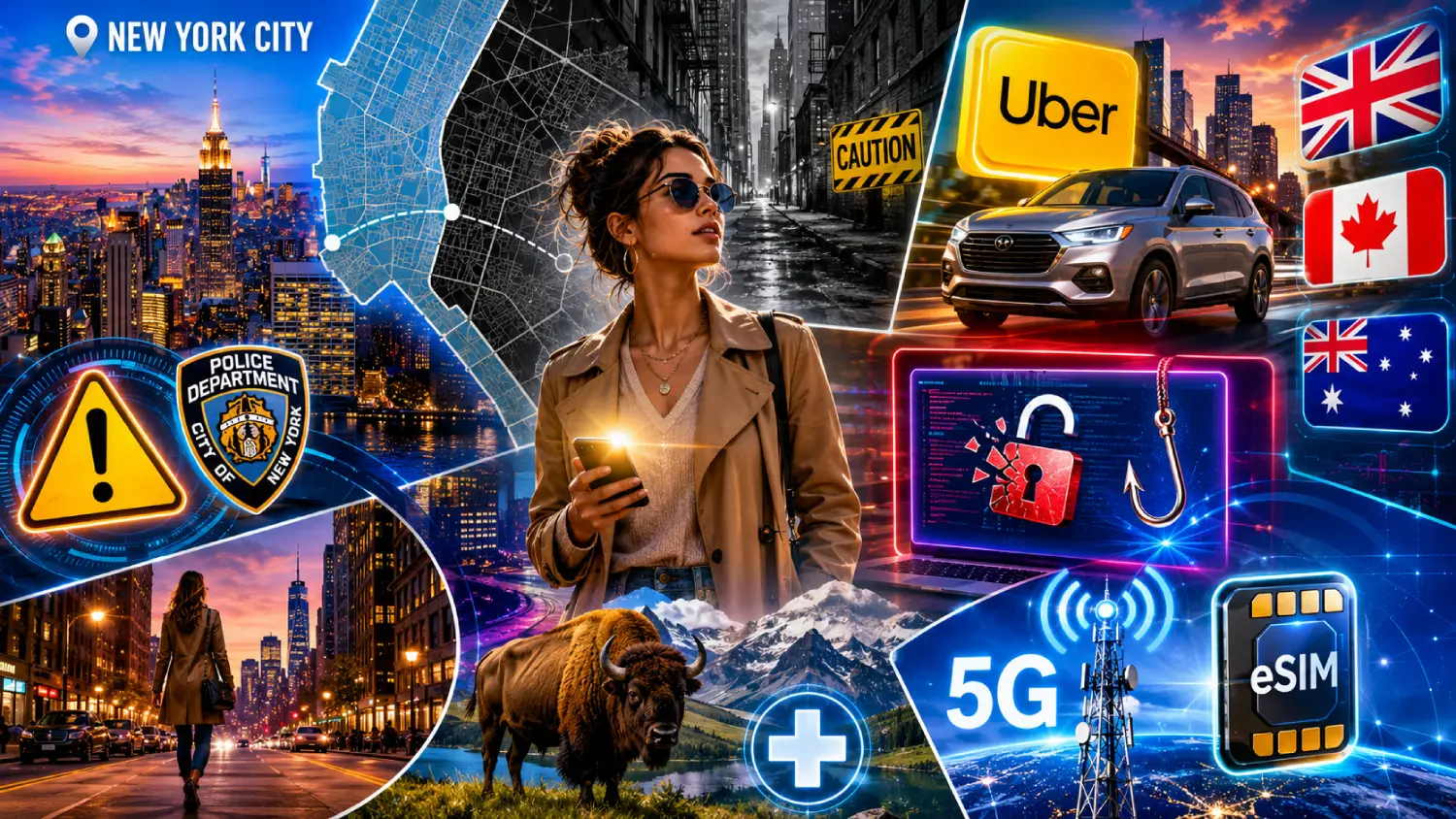

The short answer is yes, the United States is generally safe for tourists, but it requires a much higher level of situational awareness than most European or Asian destinations. While violent crime dominates the news cycle, the statistical reality is that tourists are rarely targeted by random violence. However, property crime, car break-ins, and complex financial scams are at an all-time high in major tourist hubs. The "danger" in the US has shifted from generalized city-wide risk to highly concentrated micro-neighborhoods that you can easily avoid with proper planning.
The Reality on the Streets: Guns, Crime, and Law Enforcement
Understanding the American landscape requires accepting that the US is essentially 50 different countries bound together by federal laws. The rate of firearm possession is exceptionally high, and open-carry laws vary drastically from state to state. While the threat of mass shootings generates global anxiety, the statistical probability of a tourist being caught in is astronomically low.
What you actually need to worry about is property crime. "Smash-and-grab" car break-ins have reached epidemic proportions in major West Coast cities. If you leave a bag visible in a rental car in San Francisco or Los Angeles, your window will likely be shattered within minutes. Law enforcement response times vary wildly; in wealthy tourist districts, police presence is heavy and responsive, but in struggling urban areas, police are often understaffed and overwhelmed.
Before navigating the complex legal landscape of different states, make sure you review our USA Tourist Bans & Laws: Things Not To Do guide to avoid accidental infractions that could cut your trip short.
Regional Breakdown: Safe Zones vs. Areas to Avoid
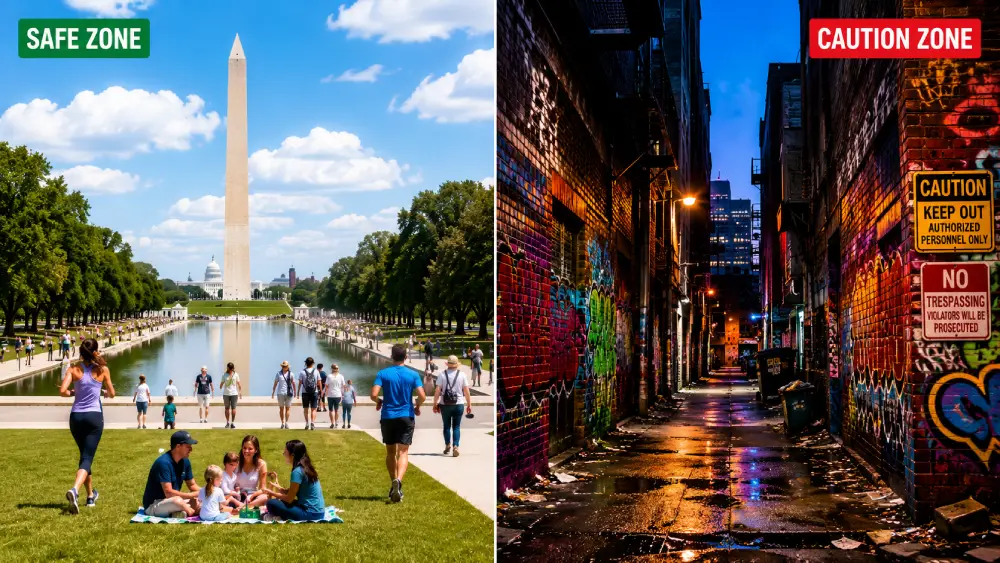
The golden rule of US travel in 2026 is that danger is highly localized. A city can have a pristine, ultra-safe tourist district just three blocks away from a neighborhood struggling with severe gang violence and narcotics crises.
The Safest Tourist Hubs:
-
New York City (Manhattan below 96th Street): Despite its gritty reputation, NYC remains of the safest large cities in the US for tourists. Areas like Midtown, the West Village, and FiDi are heavily policed and bustling at all hours.
-
Washington D.C. (The National Mall & Northwest): The areas surrounding the monuments, museums, and Georgetown are extremely secure, functioning under federal jurisdiction with multiple overlapping police forces.
-
Honolulu, Hawaii: Known for low violent crime rates, the primary risks here are ocean safety and minor beach theft, not urban violence.
Urban Zones Requiring Extreme Caution:
-
Memphis & St. Louis: Statistically holding the highest violent crime rates in the country, tourists should stick strictly to well-lit commercial districts (like Beale Street in Memphis) and avoid wandering into residential neighborhoods.
-
Los Angeles (Skid Row & Parts of Downtown): The homelessness crisis is severe. While tourist areas like Santa Monica and West Hollywood are generally safe, walking through DTLA at night requires strict situational awareness.
-
San Francisco (The Tenderloin): Bordering the popular Union Square shopping district, this neighborhood struggles openly with a severe fentanyl crisis and property crime. Never walk through it, especially at night.
Transportation Safety: Navigating the Urban Sprawl
Getting around the US is heavily reliant on cars, as public transit infrastructure in most cities outside the Northeast corridor is lacking. Before you rent a car or hail a ride, brush up on our USA Transport Guide: Uber, Taxis, Trains & Driving Rules to understand the landscape.
-
Rideshares (Uber/Lyft): This is generally the safest and most reliable way to navigate unfamiliar cities after dark. Always verify the license plate and driver's name before getting in.
-
Public Transit (Subways and Buses): Systems in NYC, Boston, and Chicago are essential and generally safe during the day. However, late-night rides can expose you to erratic behavior and petty crime. Keep your headphones off and stay in cars with other passengers.
-
Rental Cars: Highway robbery ploys are a rising concern. Criminals may try to flag you down, claiming your car has a flat tire, or throw debris at your windshield. Never pull over on a dark highway; turn on your hazard lights and drive to a well-lit gas station or police precinct.
The New Threat: 2026 Tourist Scams
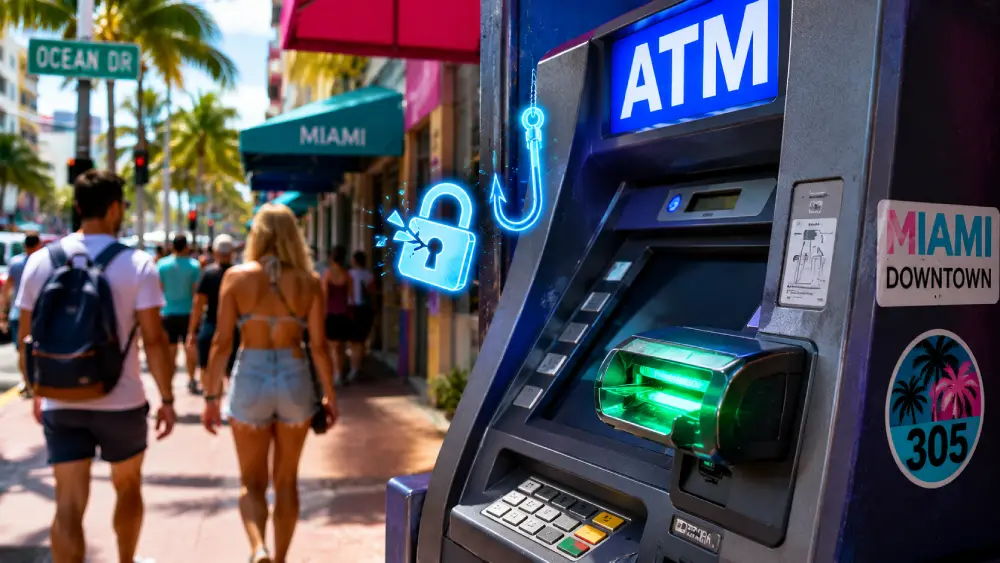
Violent crime might miss tourists, but sophisticated scammers are specifically targeting them. The financial traps are evolving, heavily utilizing technology to separate you from your travel funds.
-
AI-Generated Travel Scams: Scammers are using AI to create incredibly realistic fake booking websites, airline customer service lines, and even voice-cloned emergency calls claiming a family member is in trouble. Always verify numbers directly from official apps.
-
The Highway Breakdown Hustle: Mentioned above, this involves criminals forcing you to pull over to "help" with a fake mechanical issue, to grab valuables from your unlocked doors.
-
ATM Skimmers and Bluetooth Fraud: Urban centers are flooded with advanced card skimmers that are nearly invisible. Always use ATMs located inside bank lobbies, never standalone machines on the street or in corner stores.
-
Fake Parking Attendants: In cities like Miami and Los Angeles, scammers wear generic high-vis vests and charge you $20-$50 to park in a lot they do not actually own. Always look for official signage and automated payment kiosks.
Before heading to the airport to head home, make sure you aren't scammed out of your eligible savings by checking our USA Tax Refund: Rules & Airport Steps breakdown.
Women’s Safety & Solo Travel
The United States is generally a very safe destination for solo female travelers, but standard urban precautions are mandatory. "Machismo" culture isn't a dominant national trait, but catcalling and street harassment do occur in major metropolitan areas.
Nightlife requires vigilance. Drink spiking remains a persistent threat in bars and clubs across the country. Never leave your drink unattended, and avoid accepting drinks from strangers unless you see the bartender pour it. When traveling solo, avoid walking alone late at night, even in "safe" neighborhoods. Utilize rideshares to move point-to-point. Dress codes are generally non-existent—the US is highly casual—but blending in with local fashion can help you avoid looking like an obvious tourist target.
Health, Tap Water & Nature
You can confidently drink the tap water in nearly every major US city; it is strictly regulated and safe. The exceptions are specific rural areas or cities with known infrastructure issues, though these rarely impact major tourist hotels.
The real natural threats depend entirely on your geography:
-
Wildlife: National Parks are wild ecosystems. Tourists are routinely injured in places like Yellowstone because they attempt to take selfies with bison or bears. Keep a strict distance.
-
Extreme Weather: The Gulf Coast and Florida face severe hurricanes from June through November. California battles extreme wildfires in late summer and fall, which can ruin air quality for hundreds of miles.
-
Healthcare Costs: The US healthcare system is notoriously expensive. A minor emergency room visit can cost thousands of dollars. Never travel to the US without comprehensive travel medical insurance. Also, understand what you can legally bring into the country by reading our USA Airport Customs Rules: State Laws, Cash Limits & Food Bans guide.
The Ultimate Safety Tool: Staying Connected
In the United States, your smartphone is your ultimate safety device. Local internet is a literal lifeline. You need data to call an Uber to escape a sketchy neighborhood, use Google Maps to avoid walking into a known danger zone, and translate signs if English isn't your first language. Relying on public Wi-Fi is a massive security risk, as hackers frequently set up fake hotspots in airports and coffee shops to steal credit card data.
A United States eSIM solves all of these problems instantly, giving you secure, encrypted 5G data the moment your plane touches down. Check out our How to Get Mobile Internet in the USA and read our comprehensive review on the Best eSIM for USA to find the right plan.
Don't risk getting disconnected in an unfamiliar city. Secure your data now with a United States eSIM.
Need data in United States? Get an eSIM!
Choose the perfect data plan for your trip

Manage your eSIM in the app
Install, top up and track data.
Official Travel Advisories (2026 Update)
Global governments maintain realistic, updated advisories regarding travel to the US. Here is what major allies are currently advising:
-
United Kingdom (FCDO): Advises standard precautions. They specifically warn British nationals about the risk of mass shootings and note that violent crime is more common than in the UK, urging vigilance in unfamiliar urban areas.
-
Canada: Advises citizens to take normal security precautions. The Canadian government specifically warns about high rates of firearm possession and notes that violent crime often occurs in poor neighborhoods from dusk to dawn, urging tourists to verify neighborhood crime statistics.
-
Australia: Recommends exercising normal safety precautions. They highlight the risk of gun violence and active shooter incidents, alongside warnings about extreme weather events like hurricanes and wildfires.
The Verdict: Is the United States Safe?
Yes, the United States is safe for tourists in 2026, provided you do your homework. The sheer size of the country means that sweeping generalizations about danger are usually inaccurate. By avoiding notorious micro-neighborhoods, relying on secure transportation, and protecting your digital and financial assets, you can experience the best of America without incident.
Golden Rules for 2026:
-
Never leave anything visible in a rental car: Not a charger, not a jacket, and definitely not a bag. "Smash and grabs" are the most common crime against tourists.
-
Research neighborhoods block-by-block: Safety in US cities can change drastically just by crossing a single street. Know exactly where you are going before you start walking.
-
Use rideshares after dark: Do not rely on walking or public transit late at night in major cities unless you are in a highly populated, heavily policed tourist district.
-
Get comprehensive health insurance: Do not gamble with the US healthcare system. A minor injury without insurance can lead to financial ruin.
-
Stay digitally secure: Avoid public Wi-Fi for banking or booking. Always use a secure cellular connection via an eSIM to protect your data.
Note: Travel safety situations can change rapidly. This information is accurate as of June 2026. Always exercise street smarts and consult official advisories before your trip.