

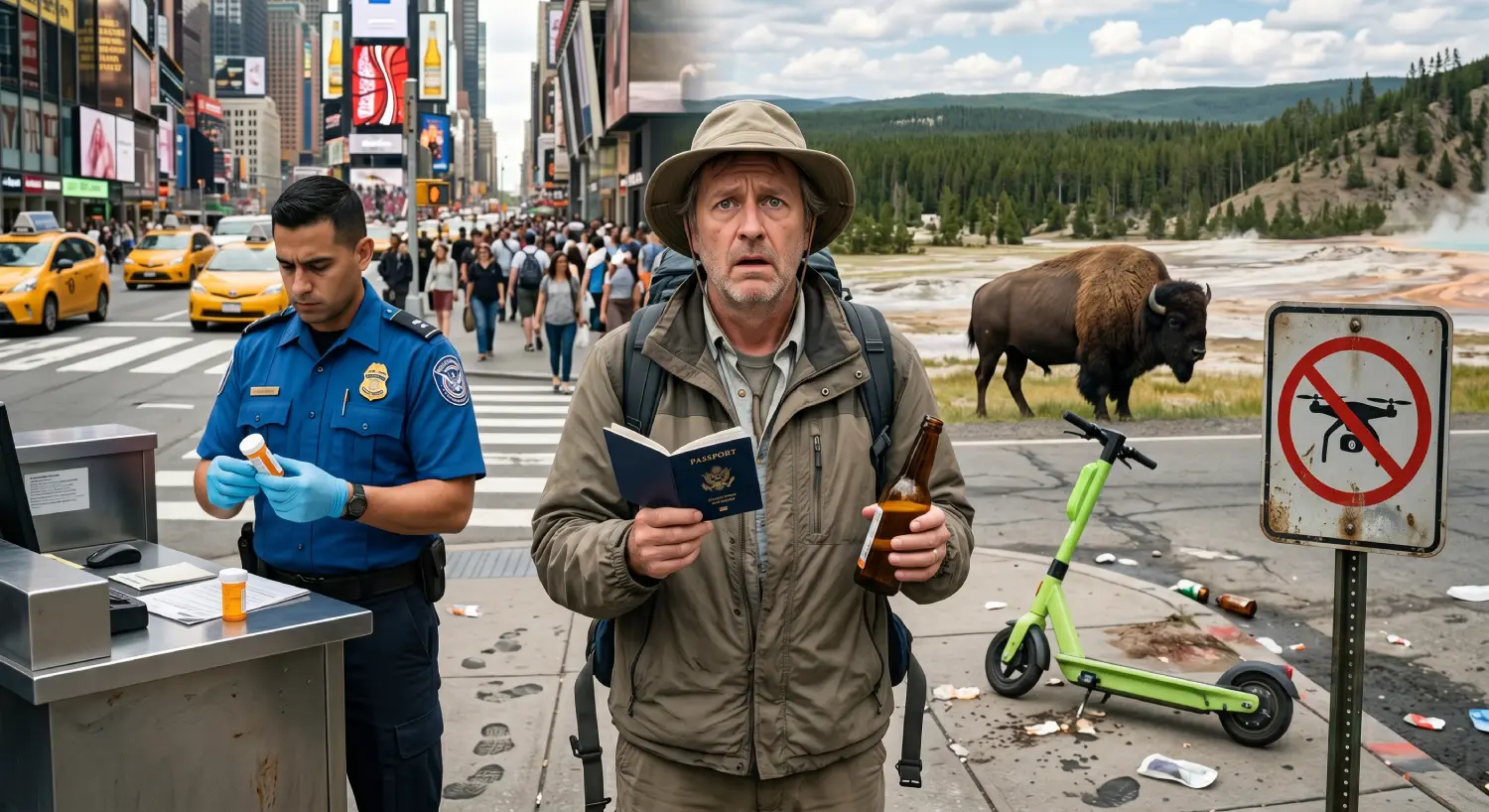

Welcome to the land of the free, where the rules change every time you cross a state line. Ignorance of the law is never an excuse in the United States. Whether you are renting a car in Florida or flying a drone in New York, navigating the legal landscape is entirely your responsibility.
The Ultimate Trap: State vs. Federal Law
The most common mistake tourists make is assuming a law applies countrywide. The United States functions with dual legal systems: federal laws (nationwide) and state laws (specific to of the 50 states). What is perfectly legal in California might land you in a jail cell in Texas.
Cannabis is the biggest trap for tourists in 2026. While recreational marijuana is legal in states like New York, California, and Colorado, it remains 100% illegal at the federal level. Because airports and border crossings are federal jurisdictions, carrying legally purchased cannabis into an airport will result in confiscation, heavy fines, or immediate deportation.
Never attempt to cross state lines with heavily restricted goods, even if driving. If you want to dive deeper into what you can and cannot bring into the country, check out our comprehensive guide on USA Airport Customs Rules: State Laws, Cash Limits & Food Bans.
Prescription Meds: The Customs Gauntlet
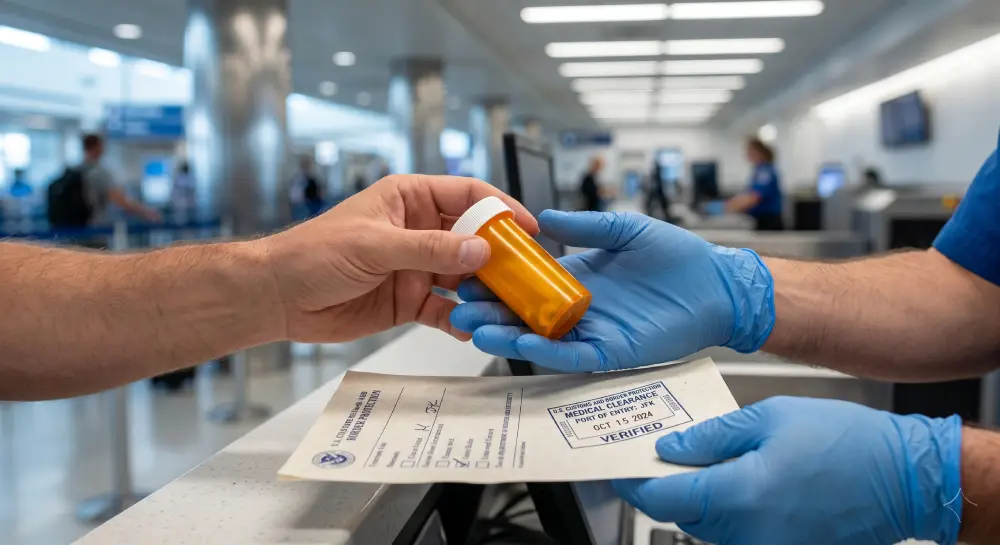
Do not casually pack your daily medication without verifying its legal status in the U.S. first. Many common foreign medications, particularly ADHD treatments and strong painkillers, are classified as controlled substances. Bringing unauthorized amphetamines like Adderall without proper documentation can lead to drug trafficking charges.
To safely enter the country, your medication must remain in its original, clearly labeled pharmacy bottle. You must also carry a formal, translated letter from your doctor detailing your diagnosis and the medical necessity of the drug. According to the official guidelines from U.S. Customs and Border Protection, tourists are generally allowed to bring a maximum 90-day supply of personal medication.
Over-the-counter medicines from your home country might also be banned. For example, certain cold medicines containing pseudoephedrine are heavily regulated due to their use in illicit drug manufacturing. Always declare your medical items at the border to avoid disastrous fines.
The Drone Dilemma: Severe Federal No-Fly Zones
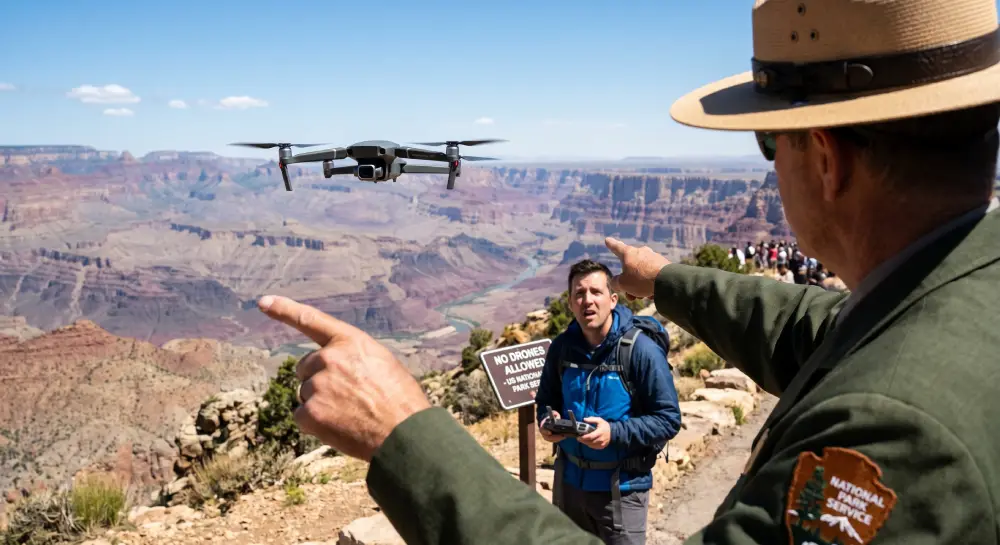
The U.S. boasts some of the most breathtaking landscapes on earth, but capturing them from the sky is strictly regulated. All drones weighing over 250 grams must be registered with the Federal Aviation Administration (FAA) before you ever take flight. Failing to present your FAA registration to a police officer can result in immediate confiscation.
National Parks are absolute no-fly zones for drones of any size. If you launch a drone in the Grand Canyon, Yosemite, or Yellowstone, you face a $5,000 fine and up to six months in federal prison. Park Rangers actively track drone signals and have zero tolerance for tourists claiming they "didn't know the rule."
Urban areas are equally strict, especially near major landmarks. Flying a drone anywhere near Washington D.C., major sports stadiums, or commercial airports will trigger an immediate security response. Always use the FAA's official B4UFLY app to check local airspace restrictions before powering on your device.
Road Trip Ruiners: IDPs, Scooters, and Traffic Laws
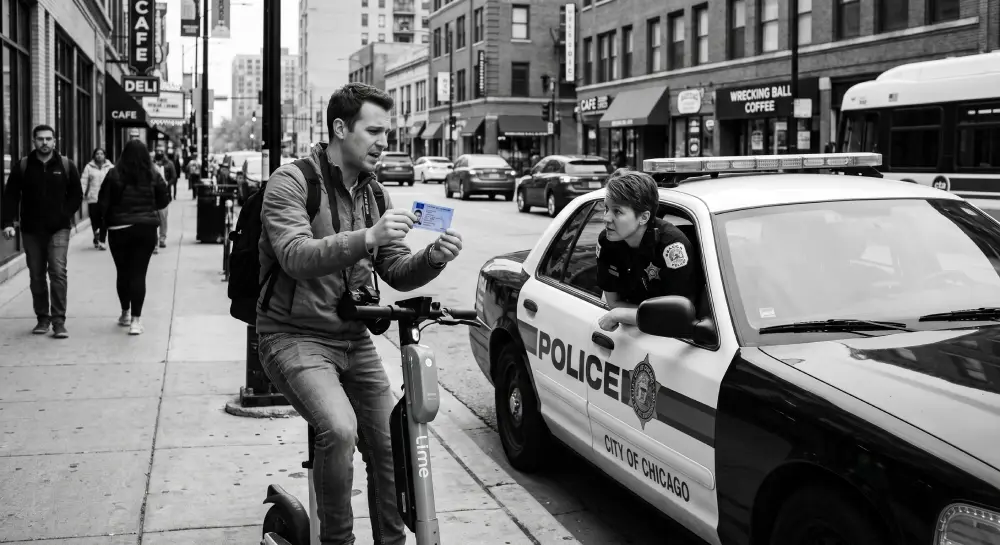
Renting a car for a great American road trip requires more than just your home country's driver's license. Many states legally require you to carry an International Driving Permit (IDP) alongside your original license. If you are pulled over in a state like Georgia without an IDP, police treat it as driving without a valid license, resulting in fines, impoundment, or arrest.
Electric scooters (like Lime and Bird) are scattered across major cities, but they are not toys. You must follow standard traffic laws, including yielding to pedestrians and stopping at red lights. Riding an e-scooter under the influence of alcohol is a criminal offense, and tourists frequently receive DUI (Driving Under the Influence) charges for doing so.
Traffic laws vary wildly, but a few critical rules apply everywhere. You must always stop for a school bus when its red lights are flashing, often regardless of which side of the road you are on. Additionally, if a police officer pulls you over, you must stay inside the vehicle, keep your hands visible on the steering wheel, and wait for their instructions.
State-by-State Cheat Sheet: The Tourist Trap Matrix
Because state laws override general expectations, what you pack, how fast you drive, and how you behave must change the moment you cross state lines. A tourist enjoying a legal joint in New York will face jail time if they take that same joint on a flight to Miami.
Below is a quick-reference survival matrix for the most visited U.S. states in 2026. Remember: Federal law still applies in all airports and national parks within these states.
| Destination State | Recreational Cannabis (State Level) | Max Highway Speed Limit | The Biggest Local Tourist Trap / Ban |
| California | Legal (Age 21+) | 65 - 70 mph | Wildlife Feeding: Heavy fines ($1,000+) for feeding squirrels, birds, or seals. E-scooter riders under 18 must wear helmets. |
| Florida | ILLEGAL (Medical) | 70 mph | Spring Break Curfews: Miami Beach strictly enforces alcohol curfews and bans alcohol completely on public beaches. |
| New York | Legal (Age 21+) | 65 mph | Airbnb Bans: NYC's Local Law 18 effectively bans short-term tourist rentals. Booking an illegal stay leaves you stranded. |
| Nevada | Legal (Age 21+) | 80 mph | Pigeon Feeding & Glass: Feeding pigeons in Las Vegas is a misdemeanor. Glass bottles are banned on the Strip. |
| Hawaii | ILLEGAL (Decriminalized) | 60 mph | Reef-Toxic Sunscreen: It is strictly illegal to sell or use sunscreens containing oxybenzone or octinoxate. |
| Texas | ILLEGAL | 75 - 85 mph | Open Containers: Absolutely no open alcohol in cars, even if parked. Driving limits are strictly enforced by Highway Patrol. |
Always double-check local county ordinances, as city laws (like Los Angeles vs. rural California) can introduce even stricter local bans.
Alcohol Restrictions: The "Open Container" Illusion
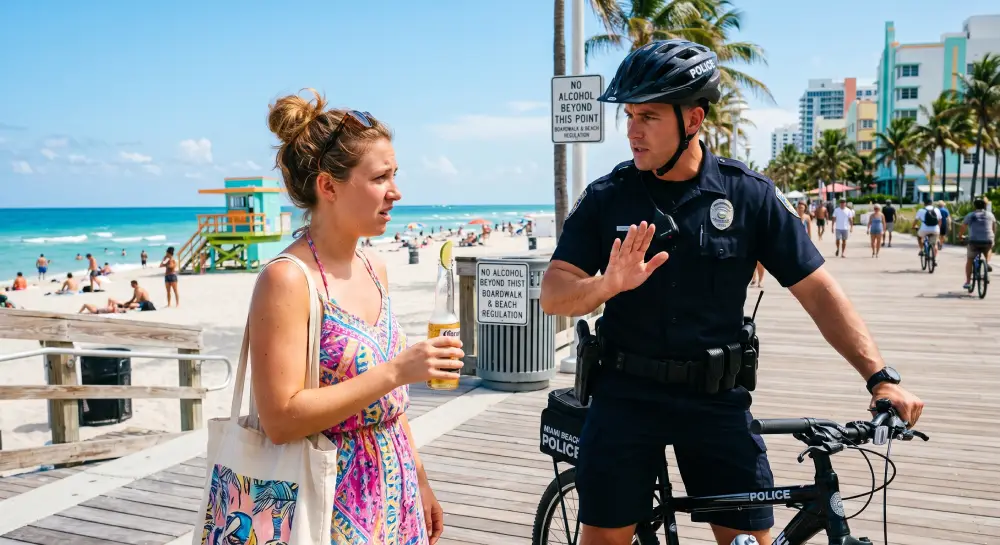
The legal drinking age in the United States is strictly 21 years old, with absolutely no exceptions for tourists. Bartenders, waiters, and store clerks will aggressively check your physical passport or ID, even if you visibly look older. Using a fake ID is a serious crime that will lead to arrest and potential visa cancellation.
Unlike many European or Asian countries, drinking alcohol in public parks, on beaches, or walking down the street is illegal in most of the U.S. This is known as an "Open Container Law," and carrying an unsealed beer or cocktail on the sidewalk will quickly earn you a $200 to $500 fine. There are very few exceptions to this rule, limited to specific entertainment districts like Las Vegas Boulevard or Bourbon Street in New Orleans.
Driving with an open container of alcohol anywhere in the passenger cabin of a car is also illegal. Even if the passengers are drinking, the driver will face severe legal penalties. Always transport purchased, unsealed alcohol in the trunk of your vehicle.
Environmental & Wildlife Fines: Leave No Trace
American authorities aggressively protect their natural environment from tourist damage. Taking natural souvenirs, such as sand from Hawaiian beaches or rocks from the Petrified Forest, is a federal offense. Baggage scanners at local airports frequently catch tourists smuggling natural items, resulting in massive fines.
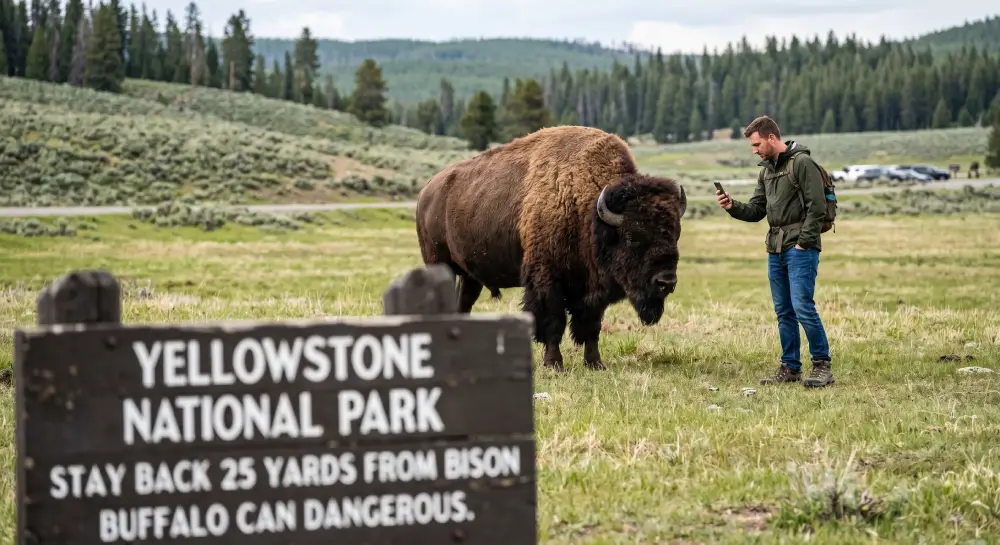
Approaching wildlife is incredibly dangerous and highly illegal. Every year, tourists in Yellowstone National Park are gored by bison or attacked by bears because they got too close for a selfie. Federal guidelines mandate staying at least 100 yards away from bears and wolves, and 25 yards away from all other wildlife.
Some states have specific environmental bans you must prepare for before packing. Hawaii, for instance, strictly prohibits the sale and use of sunscreens containing oxybenzone and octinoxate to protect their fragile coral reefs. Bringing illegal sunscreen into the state can result in confiscation and environmental fines.
Cultural Taboos and Photography Risks
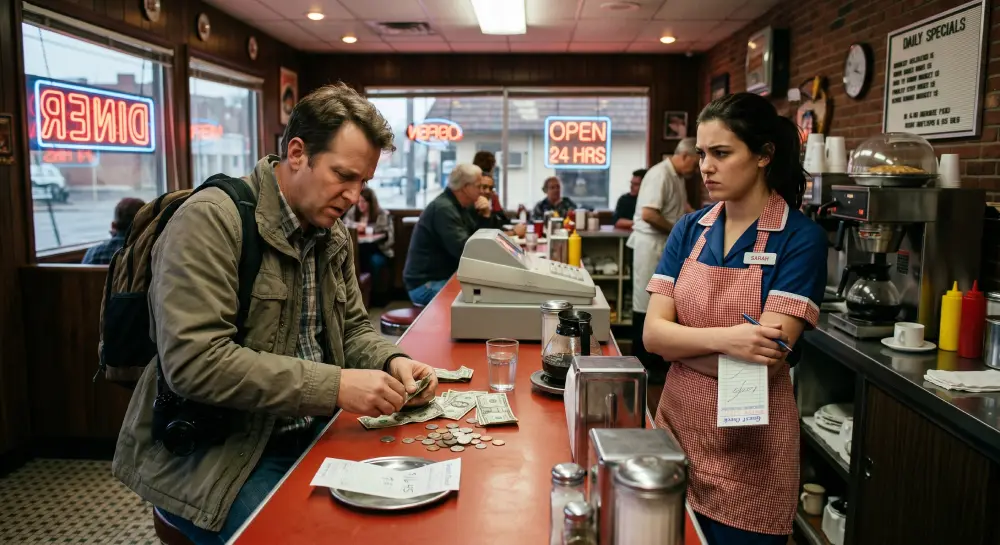
The United States has a massive tipping culture that is socially enforced as a mandatory fee. Waitstaff, bartenders, and taxi drivers rely on tips to make a living wage. Failing to tip 18% to 25% on your restaurant bill is considered a severe cultural offense and will result in public confrontation.
Photography is generally protected as a First Amendment right, but there are hard limits. Taking photos or recording videos of military bases, nuclear facilities, or sensitive government buildings is illegal and will prompt immediate questioning by federal agents. You must also avoid photographing TSA security checkpoints at airports.
Be mindful of personal space and small talk. Americans value a larger bubble of personal space compared to many other cultures, so standing too close in lines can cause friction. Conversely, cashiers and strangers may engage in highly friendly small talk; ignoring them is viewed as incredibly rude.
Stay Connected to Stay Safe
Navigating state borders, confusing traffic laws, and emergency protocols in a foreign country requires constant internet access. Having a reliable connection is the ultimate safety tool for quickly translating warning signs, pulling up your digital IDP, or checking FAA drone maps. If you are preparing for massive upcoming events, you can read our World Cup 2026 Travel Reality Check: Visas, Borders & Logistics to understand how vital connectivity will be.
Need data in United States? Get an eSIM!
Choose the perfect data plan for your trip

Manage your eSIM in the app
Install, top up and track data.
Relying on public Wi-Fi is dangerous and leaves you vulnerable to data theft, while international roaming charges will bankrupt your travel budget. Purchasing a local data plan before you even board your flight ensures you hit the ground running. You can easily compare options with our guide on the Best eSIM for USA.
For maximum safety and convenience, we highly recommend downloading a USA eSIM directly to your phone. If you need a broader overview of physical SIMs versus digital options, our deep dive into How to Get Mobile Internet in the USA: eSIM, SIM Card and Roaming Guide for Travelers has everything you need.
Summary Checklist (Don't Be That Tourist)
-
Never mix federal and state laws: Do not bring cannabis across borders or into airports, even in states where it is legal.
-
Keep meds in original bottles: Carry a translated doctor's note for any controlled prescriptions like ADHD medication.
-
Register your drone: Never fly over National Parks or near airports; fines reach up to $5,000.
-
Get an IDP: Secure an International Driving Permit before arrival to avoid "driving without a license" fines.
-
Keep alcohol sealed in public: Avoid drinking on sidewalks or beaches unless you are in a designated zone like Las Vegas.
-
Don't touch the wildlife: Stay far away from bison, bears, and protected marine life to avoid physical injury and federal charges.
-
Always tip: Budget an extra 20% for all service workers to avoid aggressive cultural confrontations.
Note: Travel laws and fines can change. This information is accurate as of April 2026. Always consult official local authorities before your trip.