Download the App and manage your eSIMs easily
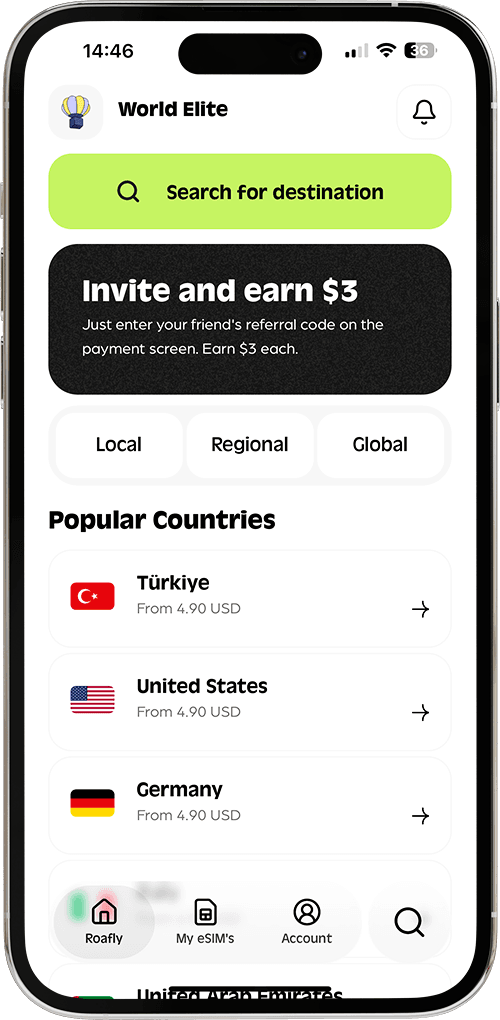
Create your order quickly
See your eSIM details
Track your remaining data
Download the App and manage your eSIMs easily
Create your order quickly
See your eSIM details
Track your remaining data
May and September are useful starting points for a first USA trip combining cities and lower-elevation sightseeing. September–October also works well for many autumn itineraries, while summer offers broader access to northern mountain parks and Alaska. South Florida and the hottest desert landscapes follow a different calendar: cooler months often make outdoor sightseeing more comfortable.

Lena Hartley
Updated Oct 9, 2026
11 min read
Save 15% on your Roafly eSIM
Stay connected on your next trip. Use the code below at checkout.
View All DestinationsJump to section
👇Save 15% on your Roafly eSIM
Stay connected on your next trip. Use the code below at checkout.
View All Destinations
Manage your eSIM in the app
Install, top up and track data.
May and September are useful starting points for a first USA trip combining cities and lower-elevation sightseeing. September–October also works well for many autumn itineraries, while summer offers broader access to northern mountain parks and Alaska. South Florida and the hottest desert landscapes follow a different calendar: cooler months often make outdoor sightseeing more comfortable.
The deciding factor is your route. New York, Yellowstone and Miami can have very different conditions during the same week. Even California can combine a cool, foggy coast, hot inland valleys and mountain roads affected by snow.
Start with the places and experiences you care about most. Then choose dates around the part of the trip with the shortest usable season.
These windows are starting points based on typical seasonal conditions. Mountain access, local events and your preferred activities can change the choice.
| Region or trip | Useful travel window | Main advantage | Main trade-off |
|---|---|---|---|
| New York and Northeast city breaks | May–June; September–October | Comfortable conditions for substantial outdoor sightseeing | Spring rain, warmer June days and busy event periods |
| New England fall colors | Late September–October | Autumn foliage and scenic drives | Timing shifts with location and weather; popular towns attract crowds |
| Chicago and the Great Lakes | Late spring–early fall | Lakefront activities, outdoor events and longer days | Summer is popular; spring can remain cool |
| California coast | Spring; September–October | Pleasant sightseeing conditions in many coastal areas | Coastal fog and major differences between north and south |
| Southwest canyon country | Spring; October–November | Cooler conditions than midsummer | Cold nights, elevation differences and seasonal trail restrictions |
| Death Valley hiking | November–March | More manageable temperatures at low elevations | High mountain routes can have snow |
| Pacific Northwest and northern mountain parks | Summer–early September | Broader access to outdoor routes | Peak demand, possible smoke and changing mountain weather |
| South Florida and the Everglades | December–April | Generally drier weather and lower humidity | Winter is a busy visitor season |
| Alaska | June–August | Long daylight and the widest choice of summer services | High demand and advance-booking pressure |
| Hawaii | Year-round; May–October for generally drier conditions | Warm coastal weather across the year | Rainfall and surf vary sharply between coasts and seasons |
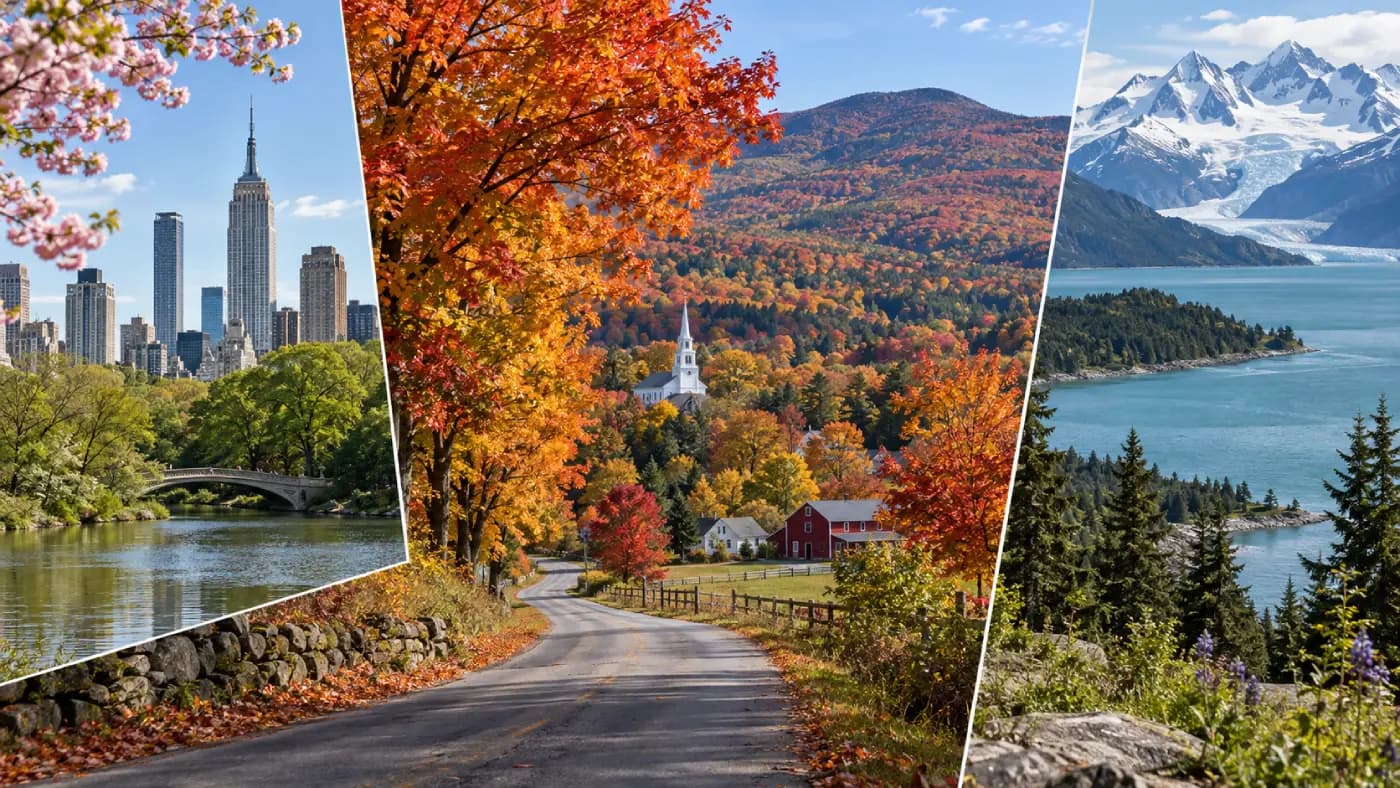
May suits a New York trip built around neighborhood walks, parks and outdoor sightseeing. June offers warmer days, while September and October provide another useful window before winter.
New England foliage needs more precise planning. Northern areas and higher elevations generally change first, with color moving south and downhill. Vermont’s strongest colors commonly arrive from late September into early or mid-October, although the exact timing varies.
Keep some flexibility in your driving route instead of treating one town and weekend as a guaranteed peak. The typical progression of Vermont’s fall colors helps explain why nearby areas can look different on the same day.
Summer earns its popularity in Chicago. Lakefront activities, outdoor dining and festivals give the city a different feel from its colder months.
Late spring or early fall may suit visitors who prioritize walking and architecture over beach weather. Winter works better for a trip centered on museums, performances and restaurants, with shorter outdoor stretches between them.
California needs more than one seasonal recommendation. Spring works well for many coastal and city itineraries, while September–October can bring particularly appealing conditions around San Francisco and the North Coast, which often experience summer fog.
Mountain access changes the calculation. A spring visit to Yosemite Valley is different from a trip requiring high-country roads and trails. Snow can restrict the latter well after lower elevations have warmed.
Decide whether your essential experience is coastal sightseeing, waterfalls, mountain hiking or skiing before selecting the month.
Spring and autumn are useful starting points for Southwest trips, but elevation matters as much as latitude.
Zion’s lower canyon can be warm while higher routes remain affected by snow. Spring snowmelt can also restrict access to the Narrows. October–November generally brings cooler hiking conditions, although daylight and operating hours shorten.
Death Valley deserves a separate decision: November–March is the stronger window for low-elevation hiking. Even spring and autumn can be excessively hot there. Comfortable sightseeing weather elsewhere in California says little about conditions on the desert floor.
December–April is a strong choice for South Florida and the Everglades if your priority is outdoor sightseeing with lower humidity. The Everglades’ dry season is also its busy season.
Summer brings heat, humidity, frequent storms and more mosquitoes. It can suit a different style of trip, but long outdoor days require more adjustment.
Southern cities have their own patterns. New Orleans is generally more comfortable for walking in spring and later autumn than in midsummer. September can still feel hot, and festivals or sporting events can make otherwise attractive dates busy.
Summer and early September are useful windows for Washington’s outdoor destinations. Snowpack can linger on mountain routes into summer, even when lowland cities are enjoying mild weather.
Yellowstone offers a similar access-versus-demand trade-off. Summer provides broad road and visitor-service access. September brings cooler nights and changing wildlife activity, but it remains popular; some campgrounds and boating services begin closing.
Treat “the park is open” and “the route I want is accessible” as separate questions.
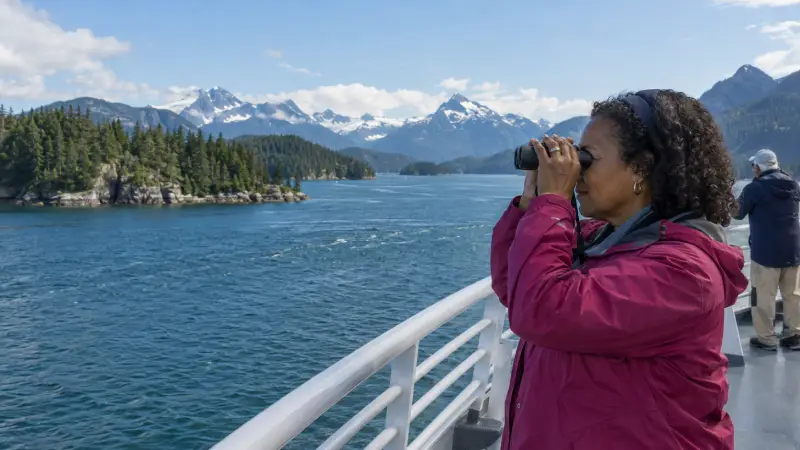
June–August gives most first-time Alaska visitors the widest choice of tours, accommodation and summer transport, alongside long daylight hours. Spring and autumn can offer different experiences, but seasonal services need closer attention. Northern lights trips require darker nights and a different itinerary from a midsummer visit.
Hawaii is warm throughout the year. May–October is generally the drier part of the calendar, while November–March is wetter. Your chosen coast matters: winter can bring powerful surf to north-facing beaches, and a sheltered swimming beach has different priorities from a surfing destination.
Use this calendar to identify promising trip types when your dates are fixed.
| Month | Trips worth considering | Important limitation |
|---|---|---|
| January | South Florida, Death Valley hiking, ski trips and indoor-focused city breaks | Northern road trips and mountain access can be difficult |
| February | Desert sightseeing, the Everglades and winter sports | Holiday periods can affect demand; high-country routes remain restricted |
| March | Southwest sightseeing, New Orleans and South Florida | Spring-break crowds; snow persists in northern mountains |
| April | California’s lower elevations, southern cities and the Everglades | Mountain roads may still be closed; conditions vary through the month |
| May | New York, California coast and mixed city itineraries | Early-season mountain access can remain limited |
| June | Alaska, Chicago and northern outdoor trips | Some high trails retain snow; summer demand builds |
| July | Alaska, Pacific Northwest trips and accessible mountain routes | Heavy demand and extreme heat in desert areas |
| August | Northern parks, lake trips and Alaska summer activities | Crowds, possible wildfire smoke and southern heat |
| September | Northeast cities, California coast and early-autumn northern routes | Early snow is possible; southern heat and hurricane season continue |
| October | New England foliage, Southwest canyon trips and many city breaks | Northern mountain services and roads may close |
| November | Death Valley hiking, later-autumn southern city trips and Hawaii | Shorter days; Atlantic hurricane season continues through month-end |
| December | South Florida, winter sports and festive city breaks | Holiday demand and possible winter travel disruption |
Build a park trip around seasonal access before optimizing for smaller crowds. A quieter month offers little benefit if the road, trail or accommodation central to your visit is unavailable.
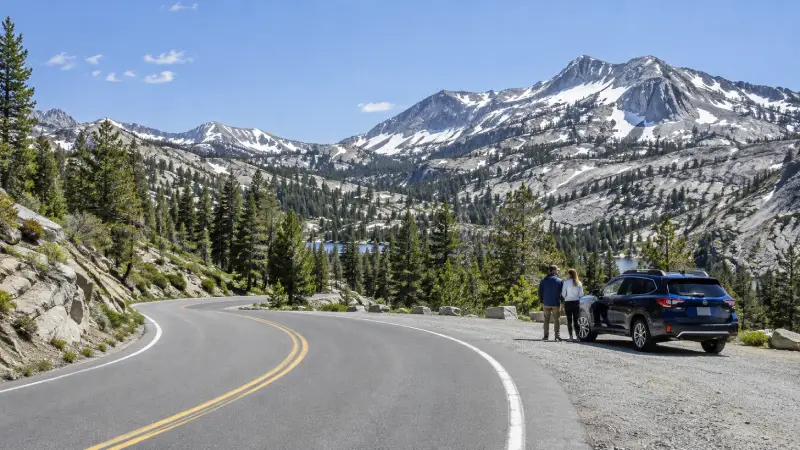
Yosemite illustrates the problem. Snow clearing on Tioga Road takes time, and an opening date cannot be reliably predicted far in advance. If your itinerary depends on crossing the Sierra through the park, use the Tioga Road seasonal-access information before committing to a fixed route.
For an autumn journey combining northern mountains and southwestern deserts, our starting approach would be to visit the northern or higher stops first, then move toward lower, warmer landscapes. The reasoning is practical: mountain access tends to narrow as autumn progresses, while desert sightseeing becomes more comfortable. Exact stops still determine whether that sequence works.
Transport choices matter too. Several city stays and a national-park loop involve very different logistics. Plan how you will get around the USA before deciding how many regions fit your dates.
Remote routes also need preparation beyond a mobile plan. Download maps and essential booking details before leaving reliable service. Our guide to internet options and road-trip coverage in the USA explains the connectivity choices behind that preparation.
There is no single cheapest month for the whole country. Winter can be a useful value period for a New York city break while remaining a busy season in South Florida. Autumn may bring attractive weather without lower demand in foliage destinations.
New York’s recurring winter tourism promotions illustrate why January and February are worth comparing if you are comfortable with cold weather. California’s spring shoulder period can also offer better value in some destinations before summer demand builds. Neither pattern establishes a nationwide airfare or hotel-price rule.
Compare complete versions of the trip:
Price the same route across several possible departure weeks.
Separate ordinary weekdays from holiday weekends and major events.
Include transport costs when comparing accommodation locations.
Check whether a cheaper seasonal rate comes with reduced services or restrictive cancellation terms.
Budget comparisons should also use the final payable amount. Taxes, property charges, parking and tipping can change what a trip actually costs. The guide to travel money, cards and tipping in the USA covers those practical spending details.
Crowds deserve their own check. Yellowstone includes September among its busiest periods, while New England attracts visitors specifically for autumn color. Spring-break demand can be significant in canyon country. “Outside summer” is a starting point for research, not a reliable promise of quiet.
Major holiday weekends can also affect otherwise sensible dates. If your plans are flexible, compare the weeks around Memorial Day, Independence Day and Labor Day rather than automatically selecting the long weekend itself.
Seasonal averages help you choose a travel window. Forecasts and operating notices determine what you can do during the actual visit.
Atlantic hurricanes: The official season runs from June 1 to November 30. This is especially relevant to Florida and other exposed Atlantic and Gulf destinations. It does not mean continuous bad weather, but a storm can disrupt flights, accommodation and park access. The Everglades’ weather and hurricane guidance explains the local seasonal pattern and possible closures.
Desert heat: Plan strenuous outdoor activities around the destination’s cooler season. A cheaper summer room is a poor trade if the conditions prevent you from doing the hikes that motivated the trip.
Mountain snow: Snow can affect spring access and return during autumn. Road access, hiking access and available visitor services may change at different times.
Wildfire smoke: Western itineraries can be affected by smoke and fire-related restrictions. Keep room to change outdoor plans instead of making every day depend on distant views or one exposed route.
Coastal conditions: Hawaii’s surf and California’s coastal fog demonstrate why an air-temperature average cannot answer every beach question. Select the coast and activity as carefully as the month.
Once you have chosen a likely season, settle the details that could force a change.
Confirm your entry route. Review the USA entry requirements for your passport and trip before committing to non-refundable travel. Allow the necessary time for whichever authorization or visa applies.
Identify the least flexible experience. It may be a particular park road, seasonal tour, mountain hike or event. Let that requirement guide the rest of the itinerary.
Check access and accommodation together. An available hotel room does not establish that the nearby route or attraction will be operating.
Compare the full trip cost. Moving your dates is useful only if the flights, rooms, transport and activities still work together.
Prepare mobile access for your route. You can compare eSIM options for your USA trip once you know your destinations and trip length.
During the journey, a USA eSIM can help you access weather updates, road information and changed reservations wherever supported coverage is available. Keep essential route information available offline for remote stretches.
The most useful booking decision is to match your dates to the experience you would least want to miss. Prioritize summer access for an Alaska or northern mountain trip, cooler months for desert hiking, and a more flexible spring or autumn window for many city-focused itineraries.
