

'/%3e%3c/defs%3e%3cpath fill='%23fff' d='M-120-80h240V80h-240z'/%3e%3cpath d='M-120-80h240v48h-240z'/%3e%3cpath fill='%23060' d='M-120 32h240v48h-240z'/%3e%3cg id='b'%3e%3cuse xlink:href='%23a' stroke='%23000'/%3e%3cuse xlink:href='%23a' fill='%23fff'/%3e%3c/g%3e%3cuse xlink:href='%23b' transform='scale(-1 1)'/%3e%3cpath fill='%23b00' d='M-120-24v48h101c3 8 13 24 19 24s16-16 19-24h101v-48H19C16-32 6-48 0-48s-16 16-19 24z'/%3e%3cpath id='c' d='M19 24c3-8 5-16 5-24s-2-16-5-24c-3 8-5 16-5 24s2 16 5 24'/%3e%3cuse xlink:href='%23c' transform='scale(-1 1)'/%3e%3cg fill='%23fff'%3e%3cellipse rx='4' ry='6'/%3e%3cpath id='d' d='M1 5.85s4 8 4 21-4 21-4 21z'/%3e%3cuse xlink:href='%23d' transform='scale(-1)'/%3e%3cuse xlink:href='%23d' transform='scale(-1 1)'/%3e%3cuse xlink:href='%23d' transform='scale(1 -1)'/%3e%3c/g%3e%3c/svg%3e)
Quick Answer: The Practical Takeaway
-
Best Overall Time: July to October. This is the prime dry season and the absolute best window to witness the Great Wildebeest Migration in the Masai Mara.
-
Best for Budget: March to May (the "Long Rains"). Luxury lodges slash their prices, and the parks are incredibly lush, but you must be prepared for heavy, daily downpours.
-
Best to Avoid Crowds: November to mid-December (the "Short Rains") or January to February. You get fantastic game viewing without the peak-season vehicle traffic at the major river crossings.
Kenya by Season: What You Really Get
Kenya's climate is primarily dictated by its rainy and dry seasons rather than traditional summer and winter. Because the country sits squarely on the equator, daytime temperatures remain relatively consistent throughout the year. However, the timing of the rainfall completely transforms the landscape, the wildlife movements, and the price of your safari.
Knowing exactly what each season brings is the key to setting realistic expectations for your 2026 trip. The dry season brings the crowds and the dust, while the wet seasons bring the mud, the babies, and the vibrant greenery.
| Season (Months) | Typical Conditions | Crowds | Costs | Best For |
| Long Dry Season (Jul – Oct) | Cool mornings, clear sunny days, very little rain. | Very High | Peak | Great Migration, reliable safaris, beach weather. |
| Short Rains (Nov – Dec) | Brief afternoon or evening showers, rising humidity. | Low to Moderate | Moderate | Birdwatching, lush photography, newborn wildlife. |
| Short Dry Season (Jan – Feb) | Hot, dry days and warm nights. Excellent visibility. | Moderate | High | Big cat sightings, clear skies, escaping winter. |
| Long Rains (Mar – May) | Heavy torrential downpours, muddy roads, high humidity. | Very Low | Lowest | Budget travelers, extreme solitude, vibrant greenery. |
Regional Differences (Microclimates & Geography)
Kenya's tremendously diverse geography means you can be shivering in the misty highlands and sweating on a tropical coast on the exact same day. Altitude plays a massive role in temperature, and understanding these regional microclimates is vital. If you are packing for a multi-region itinerary, you will definitely need to bring layers.
The Masai Mara & Rift Valley
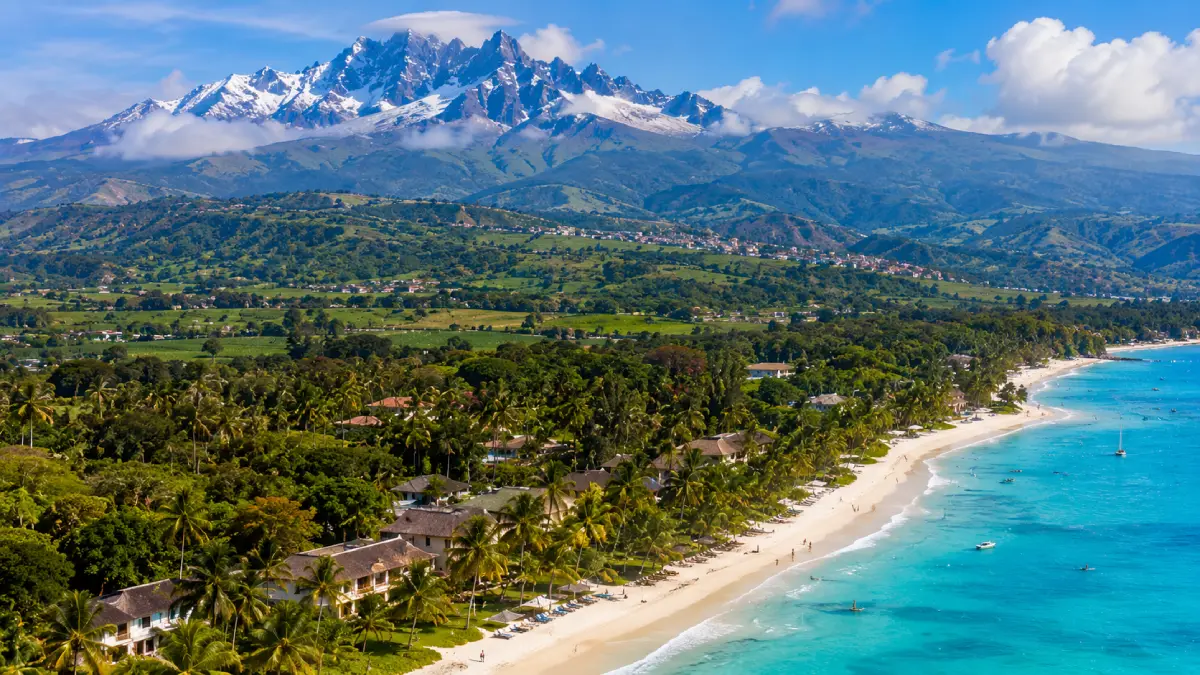
Located at a much higher altitude, the Mara features warm, pleasant days but surprisingly chilly mornings year-round. From June to August, nighttime temperatures can drop sharply, making a thick fleece essential for early morning game drives in open-sided vehicles. This region is the theater for the Great Migration, making it the most heavily visited sector in the dry months.
The Coast (Mombasa, Diani, Watamu, Lamu)
Kenya's spectacular Indian Ocean coastline is a classic tropical paradise, remaining hot and highly humid throughout the entire year. The best beach weather runs from October to March, when the ocean is perfectly calm and crystal clear for diving. Avoid the coast during the heavy rains of May, as some boutique hotels close completely and seaweed can wash ashore due to the strong Kuzi winds.
Northern Kenya (Samburu & Laikipia)
The northern reserves are geographically much hotter and drier than the rest of the country. Even during the official rainy seasons, rainfall is generally lower here, making it a highly reliable year-round safari destination. The dry season here is incredibly intense, forcing rare, desert-adapted wildlife like Grevy's zebras and reticulated giraffes to congregate closely around the Ewaso Nyiro River.
Month-by-Month Cheat Sheet
-
January: Hot and perfectly dry. Fantastic for spotting predators in the Masai Mara and Samburu, as the sparse vegetation leaves them nowhere to hide.
-
February: The hottest month of the year across the country. Ideal for combining a dusty, thrilling safari with a cooling, relaxing trip to Diani Beach.
-
March: The humidity begins to spike as the "Long Rains" loom toward the end of the month. Wildlife viewing remains solid early on before the heavy clouds roll in.
-
April: The absolute peak of the rainy season. Expect heavy, daily torrential downpours, deeply muddy tracks, and several seasonal lodge closures.
-
May: Still very wet, but the landscape turns a brilliant, vibrant shade of green. A veritable paradise for budget travelers who do not mind navigating the mud.
-
June: The rains finally taper off, and the long dry season officially begins. The national parks start drying out, and the tourist crowds are still highly manageable.
-
July: The Great Migration typically begins arriving in the Masai Mara from Tanzania. The weather is cool, dry, and perfect for spending long days in the bush.
-
August: Absolute peak safari season. Expect dramatic river crossings, massive thundering herds, and very high vehicle density at the popular Mara viewing points.
-
September: The migration continues in full force, and daytime temperatures start to warm up slightly. Widely considered of the absolute best months for a classic Kenya safari.
-
October: The massive herds start slowly moving back south toward the Serengeti. A beautiful, quiet transition month before the short rains eventually arrive.
-
November: The "Short Rains" begin, usually arriving in the form of brief, heavy afternoon thunderstorms. Excellent for photography as the rain instantly settles the atmospheric dust.
-
December: A festive and incredibly busy month. The rains taper off, thousands of migratory birds arrive, and adorable baby animals are born everywhere on the savannah.
Best Time to Visit by Traveler Type
For the Great Migration & Big Cats
If witnessing millions of wildebeest plunging across the crocodile-infested Mara River is on your bucket list, you must visit between July and October. August and September are the most historically reliable months for the dramatic river crossings. Because the grass is cropped short and water is scarce, apex predators like lions, leopards, and cheetahs are also incredibly easy to spot.
For Beaches & Swimming
The Kenyan coast is truly spectacular from October to March. During this long window, the Kaskazi winds blow gently from the northeast, creating calm, exceptionally clear waters that are perfect for snorkeling and scuba diving. If you are reading up on local guidelines before hitting the beach, check our Kenya Tourist Bans & Laws guide.
For Budget Travelers
To score the most exclusive luxury lodges at a fraction of the cost, aim for the "Green Season" in April and May. You will have to navigate heavy rain and potentially muddy, slippery roads, but the parks are beautifully lush and completely empty of tourists. November is a fantastic middle-ground, offering lower seasonal prices without the extreme, relentless rainfall of May.
For Birdwatching & Photography
November to April is the ultimate window for dedicated birders. Millions of migratory birds arrive from Europe and Asia, filling the Rift Valley lakes and northern reserves with incredible color and song. The short rains of November wash away the dust, creating crisp, dramatic skies and phenomenal lighting that landscape photographers absolutely dream of.
Festivals & Special Dates to Plan Around (2026)
The Great Wildebeest Migration (July – October)
While obviously not a human festival, this is the single biggest event on Kenya's calendar and dictates the entire tourism industry. Lodge prices in the Masai Mara triple, and bed availability vanishes many months in advance. If you are traveling during this window, you must book your safari up to a year ahead of time. Ensure you review the Is Kenya Safe for Tourists guide to secure reputable, highly-rated operators.
Easter & Christmas Holidays
Kenya has a massive and thriving domestic tourism scene, and locals flock to the coast and national parks during the Easter weekend (April) and the Christmas/New Year period. Expect a massive spike in domestic flight prices, packed beaches in Mombasa, and fully booked family lodges. If you plan to travel during these major holidays, lock down your itinerary very early.
Lamu Cultural Festival (Late November)
Held on the historic, car-free Lamu Island, this vibrant annual festival celebrates traditional Swahili culture with thrilling dhow sailing races, donkey races, and poetry readings. It is a fantastic cultural immersion, but accommodation on the tiny island sells out almost instantly. If you are flying in for it, read the Kenya Airport Customs Rules to ensure a totally smooth arrival process.
A Quick Note on Staying Connected
Whether you need to coordinate a bush flight, check the live weather radar, or instantly share a video of a dramatic lion kill, immediate internet access is essential in Kenya. Navigating Nairobi's notorious traffic or communicating directly with your safari guide relies heavily on apps like WhatsApp. You absolutely do not want to be caught at the airport hunting for a local physical SIM card after an exhausting international flight.
Need data in Kenya? Get an eSIM!
Choose the perfect data plan for your trip

Manage your eSIM in the app
Install, top up and track data.
The easiest and most reliable setup for your trip is downloading a Kenya eSIM before you even board your plane. It activates the exact moment you land, giving you instant, secure data across the country's major cellular networks. For a deep dive into your connectivity options, check out How to Get Internet in Kenya and our comprehensive Best eSIM for Kenya guide.
FAQ: Best Time to Visit Kenya
What is the cheapest month to visit Kenya?
April and May are by far the cheapest months to visit. Because of the heavy "Long Rains," many top-tier lodges drop their nightly rates significantly to attract the few travelers willing to brave the mud.
When is the rainy season in Kenya?
Kenya essentially has two distinct rainy seasons. The "Long Rains" occur from March to May, bringing heavy, sustained downpours. The "Short Rains" occur in November and December, featuring brief but heavy afternoon showers.
When is the best time to see the Great Migration?
The absolute peak window to see the Great Migration in the Masai Mara is from August to September. The wildebeest herds typically arrive in July and begin heading back south to Tanzania by late October.
Is it worth visiting Kenya in November?
Absolutely. November brings the "Short Rains," which translates to lush emerald scenery, incredible birdwatching, and lower accommodation prices. The rain usually falls in brief afternoon bursts, rarely ruining an entire day on safari.
When is the best time for a beach holiday in Kenya?
October to March is the prime time to visit Kenya's spectacular coast. The weather is hot, the Indian Ocean is incredibly clear, and the sea conditions are perfectly calm for snorkeling and diving.
Do I need warm clothes in Kenya?
Yes, especially if you are visiting the Masai Mara, Mount Kenya, or the Great Rift Valley. Early morning game drives in open vehicles can be shockingly cold, so packing a warm fleece or windbreaker is absolutely essential.