

'/%3e%3c/defs%3e%3cpath fill='%23fff' d='M-120-80h240V80h-240z'/%3e%3cpath d='M-120-80h240v48h-240z'/%3e%3cpath fill='%23060' d='M-120 32h240v48h-240z'/%3e%3cg id='b'%3e%3cuse xlink:href='%23a' stroke='%23000'/%3e%3cuse xlink:href='%23a' fill='%23fff'/%3e%3c/g%3e%3cuse xlink:href='%23b' transform='scale(-1 1)'/%3e%3cpath fill='%23b00' d='M-120-24v48h101c3 8 13 24 19 24s16-16 19-24h101v-48H19C16-32 6-48 0-48s-16 16-19 24z'/%3e%3cpath id='c' d='M19 24c3-8 5-16 5-24s-2-16-5-24c-3 8-5 16-5 24s2 16 5 24'/%3e%3cuse xlink:href='%23c' transform='scale(-1 1)'/%3e%3cg fill='%23fff'%3e%3cellipse rx='4' ry='6'/%3e%3cpath id='d' d='M1 5.85s4 8 4 21-4 21-4 21z'/%3e%3cuse xlink:href='%23d' transform='scale(-1)'/%3e%3cuse xlink:href='%23d' transform='scale(-1 1)'/%3e%3cuse xlink:href='%23d' transform='scale(1 -1)'/%3e%3c/g%3e%3c/svg%3e)
However, before you book that ticket, a quick Google search will reveal a different side of the story. You will see foreign government advisories warning about border terrorism, health alerts regarding malaria, and you will undoubtedly come across the infamous nickname for the country's capital: "Nairobbery."
So, what is the reality on the ground in 2026? Is Kenya actually safe for foreign tourists?
The short answer is Yes—but with major caveats. Kenya is not a destination where you can just wander aimlessly with a massive DSLR camera hanging around your neck. It requires a high level of situational awareness, an understanding of local scams, preparation for invisible health threats, and strict adherence to specific geographical "no-go" zones.
This comprehensive, deep-dive guide will break down exactly what you need to know to stay safe in the cities, survive the deep bush, avoid cultural landmines, and bypass massive legal fines at the airport.
1. The Reality of "Nairobbery": City Crime & Scams
Nairobi is a booming, modern, and incredibly vibrant metropolis. It is the undisputed tech and financial hub of East Africa. However, the wealth disparity is extreme, which leads to high rates of opportunistic street crime. While violent crime against tourists is rare, petty theft is practically an industry.
Here is how to navigate the capital safely:
-
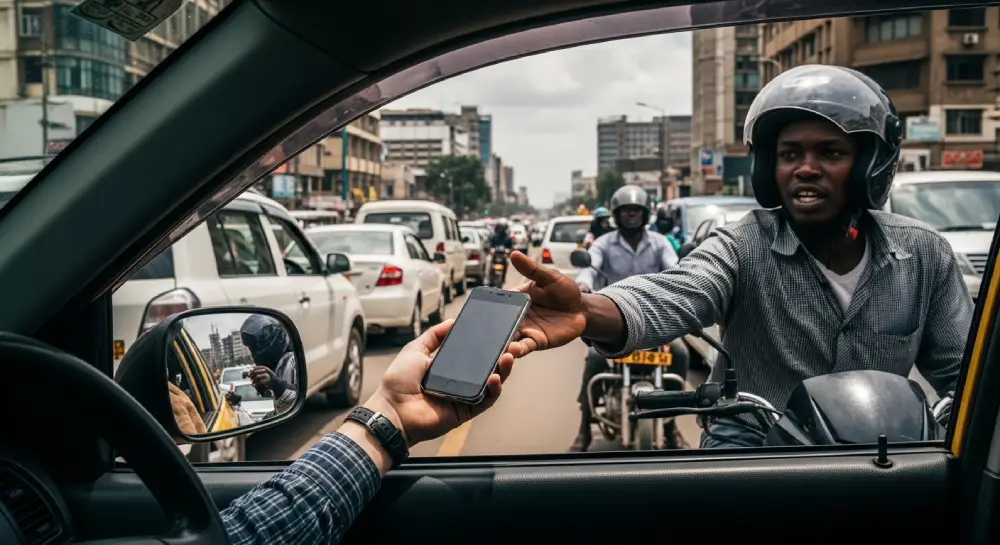
The "Snatch and Grab": The most common crime tourists face is having their phone snatched. Do not walk down a busy street in downtown Nairobi staring at your phone. If you are sitting in a taxi stuck in traffic, roll up your windows and lock your doors. Thieves on motorcycles (boda-bodas) are known to reach into open car windows and snatch phones, bags, and sunglasses in broad daylight.
-
Safe Zones vs. Red Zones: Where you stay matters. Neighborhoods like Karen, Westlands, and Gigiri (the diplomatic quarter) are heavily guarded, modern, and highly secure. Conversely, under no circumstances should a tourist wander into informal settlements (slums) like Kibera, Mathare, or Eastleigh without a trusted, organized local tour group.
-
Nighttime Rules: Never walk anywhere after dark. Even if your restaurant is three blocks from your hotel, take an Uber.
-
The "Fake Safari" Scam: A major danger in Nairobi happens before you even leave the city. Scammers set up fake tour agencies offering heavily discounted Maasai Mara safaris. Tourists pay thousands of dollars in cash, for the "guide" to never show up. Always book through verified operators listed on the Kenya Association of Tour Operators (KATO) website.
2. Transportation: Why You Shouldn't Drive
Getting around Kenya is a completely different experience than renting a car in Europe or North America.
-
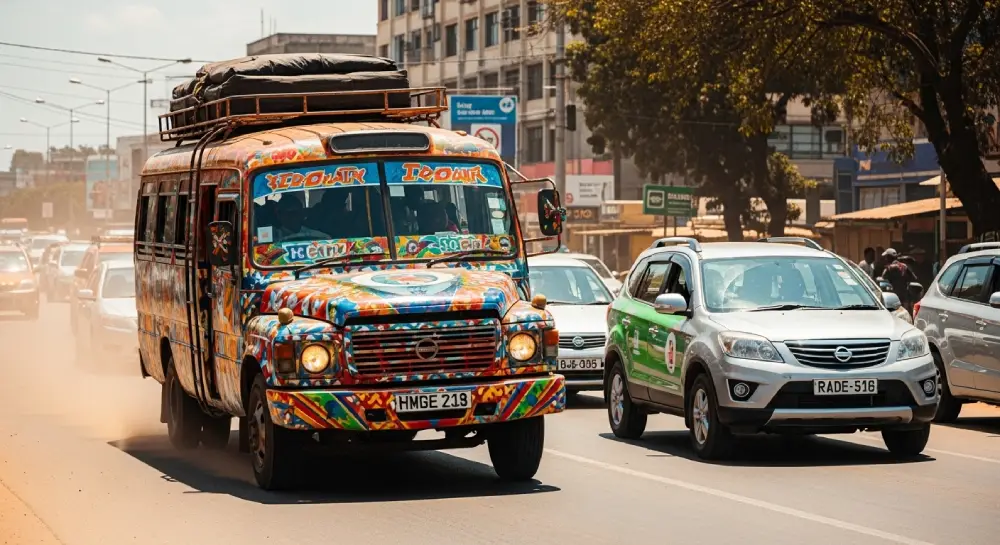
Uber vs. Matatus: Public transportation in Kenya is dominated by Matatus (privately owned, brightly decorated minibuses). While they are a fascinating cultural experience and blast incredible music, they are notorious for reckless driving, overcrowding, and pickpockets. As a tourist, your safest, most reliable way to get around Nairobi or Mombasa is by using ride-share apps like Uber or Bolt.
-
The Danger of Self-Driving: Renting a car to drive to the national parks is highly discouraged for first-timers. The highways are plagued by massive, tire-destroying potholes, aggressive truck drivers, and unpredictable wildlife crossing the roads.
-
Corrupt Traffic Police: If you do choose to drive, be prepared for frequent police checkpoints. Unfortunately, corruption is an issue, and police may threaten to impound your rental car for minor or fabricated infractions (like an expired fire extinguisher) unless you pay "tea money" (a bribe). Hiring a local driver/guide bypasses all of this stress.
3. Health & Medical Safety: The Invisible Threats
In Kenya, the biggest threat to your life isn't a lion or a mugger; it is microscopic.
-
Malaria & Yellow Fever: Large parts of Kenya (especially the coast and the lake regions) are high-risk zones for Malaria. You must visit a travel clinic before your trip to get Malaria prophylaxis pills. You should also check if you need a Yellow Fever vaccination certificate to enter the country, depending on where you are flying from.
-
Don't Drink the Tap Water: The tap water in Kenya is not safe for foreign stomachs. Drinking it can lead to severe traveler’s diarrhea, Cholera, or Typhoid. drink bottled or strictly filtered water, and use bottled water to brush your teeth. Avoid ice cubes in cheap restaurants.
-
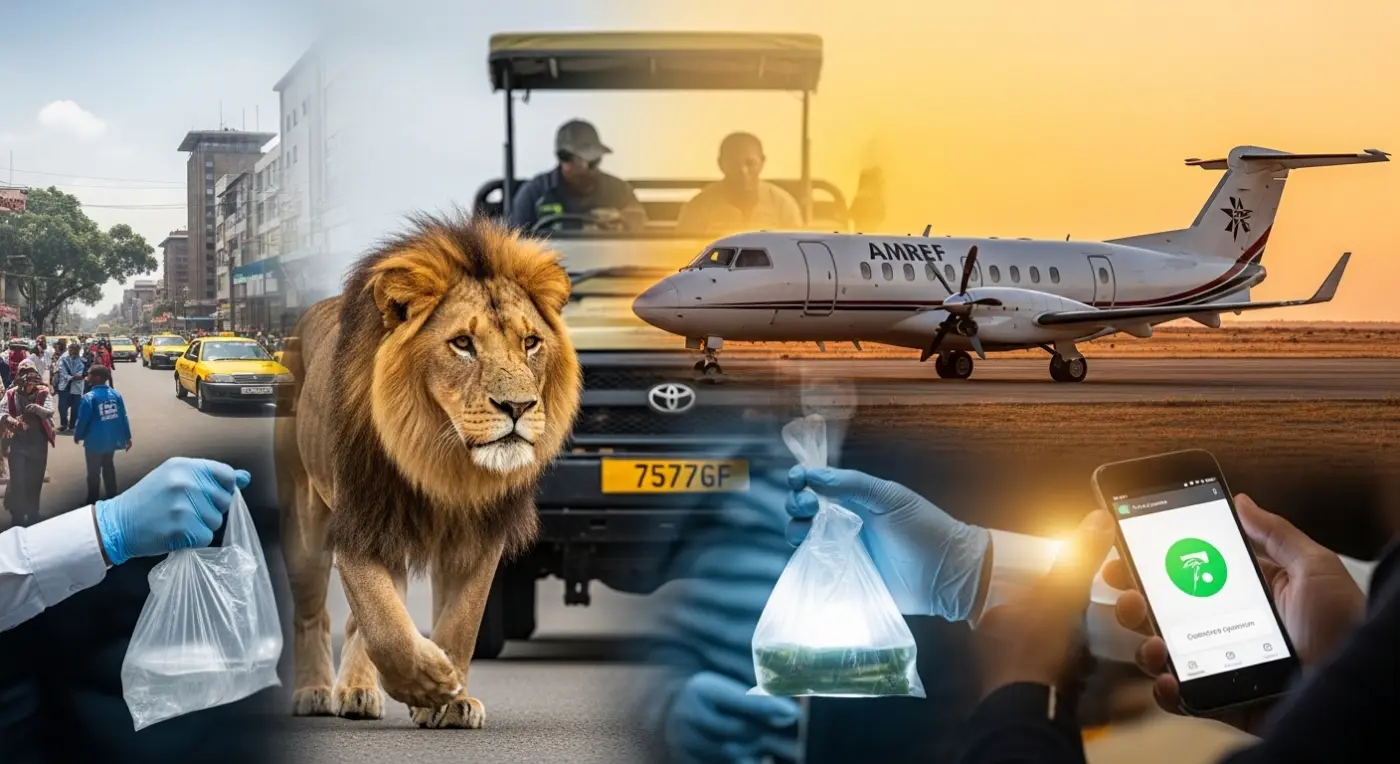
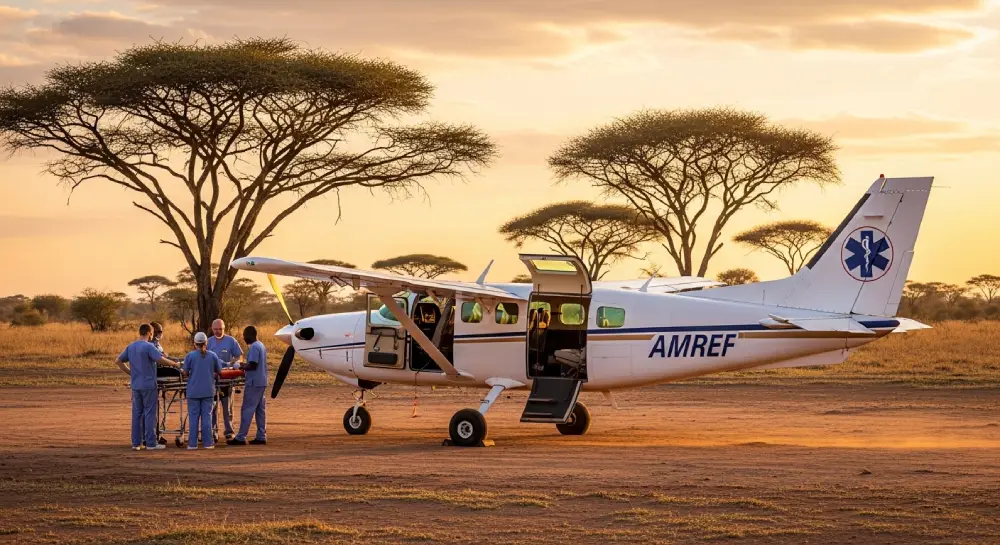
AMREF Flying Doctors: If you get severely injured or fall ill while deep in the bush on a safari, an ambulance cannot reach you. The smartest safety investment you can make is a temporary membership with the AMREF Flying Doctors (roughly $15-$30 USD). This guarantees you an emergency helicopter or light aircraft medical evacuation from the national parks directly to a top-tier hospital in Nairobi (like the Aga Khan University Hospital).
4. Safari Safety: Surviving the Deep Bush
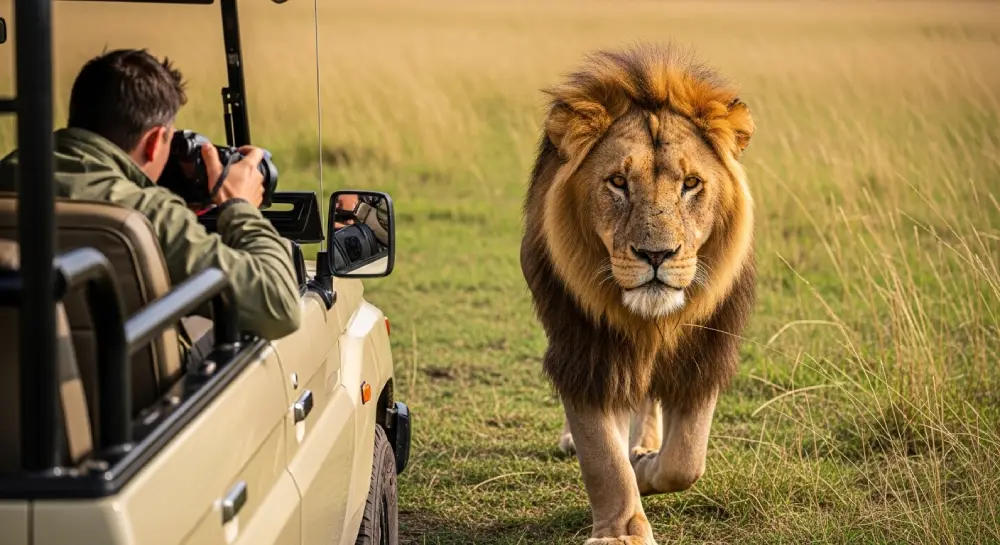
Going on a safari in national parks like the Maasai Mara, Amboseli, or Tsavo is generally very safe. The lodges are heavily guarded, and the animals view safari vehicles as large, non-threatening entities. However, the wilderness is real, and the rules are unforgiving.
-
Stay in the Vehicle: Tourists are severely injured or killed in Africa every year because they step out of their jeep to get a better photo of an elephant. Unless your Maasai guide explicitly tells you it is safe to step out, your feet must not touch the ground.
-
Nighttime in the Camp: Many luxury tented camps are completely unfenced. Hippos, hyenas, and leopards walk right through the camp at night. If you need to leave your tent after dark, you must use a flashlight or radio to call an Askari (Maasai guard) to escort you.
-
Tsetse Flies: These nasty, biting flies inhabit the bush and carry sleeping sickness. Their bite feels like a needle. They are attracted to dark blue and black colors, which is why traditional safari clothing is khaki, olive, and tan. Pack strong insect repellent containing DEET.
5. Coastal Safety & Cultural Laws
Kenya’s coastline (Mombasa, Malindi, Diani Beach) is breathtaking, but it operates under a different cultural and safety dynamic than Nairobi.
-
The "Beach Boys": If you walk along the public beaches in Diani or Mombasa, you will be relentlessly approached by "Beach Boys" selling cheap bracelets, boat tours, or sometimes drugs. While mostly just annoying, they can be aggressive. A firm, polite "No thank you" (or "Hapana asante" in Swahili) and walking away is the best tactic.
-
Conservative Dress Codes: The Kenyan coast has a large, traditional Muslim population. While bikinis are perfectly fine inside your resort or on the private beach, walking into a coastal town or supermarket in beachwear is deeply offensive. Dress modestly when leaving the hotel.
-
LGBTQ+ Laws: Kenya is a highly conservative country. Homosexual activity is illegal and punishable by up to 14 years in prison. LGBTQ+ travelers must exercise extreme caution and entirely avoid public displays of affection (PDA). In fact, PDA is generally frowned upon even for heterosexual couples in rural areas.
-
Camouflage is Illegal: Leave your military-style camo clothing at home. In Kenya, wearing camouflage is strictly reserved for the military, and civilians caught wearing it can be arrested.
6. The "No-Go" Zones: Terrorism and Borders
While the central tourist circuits are heavily protected, Kenya shares a porous border with Somalia to the east. The Somalia-based terrorist group Al-Shabaab frequently conducts attacks in these border regions. Because of this, the US State Department and the UK Foreign Office have strict "Do Not Travel" advisories for specific areas.
Where You Must Avoid in 2026:
-
The Somali Border: Do not travel to Mandera, Wajir, or Garissa counties.
-
The Northern Coast (Mainland Lamu): While the historic tourist island of Lamu is safe if you fly directly into Manda Airport, driving through mainland Lamu County or Tana River County is highly dangerous and vulnerable to ambushes.
-
Turkana (The Deep North): The far northern border near Ethiopia and South Sudan is prone to violent, armed tribal clashes over cattle and resources.
7. The Airport Trap: The World's Strictest Plastic Ban
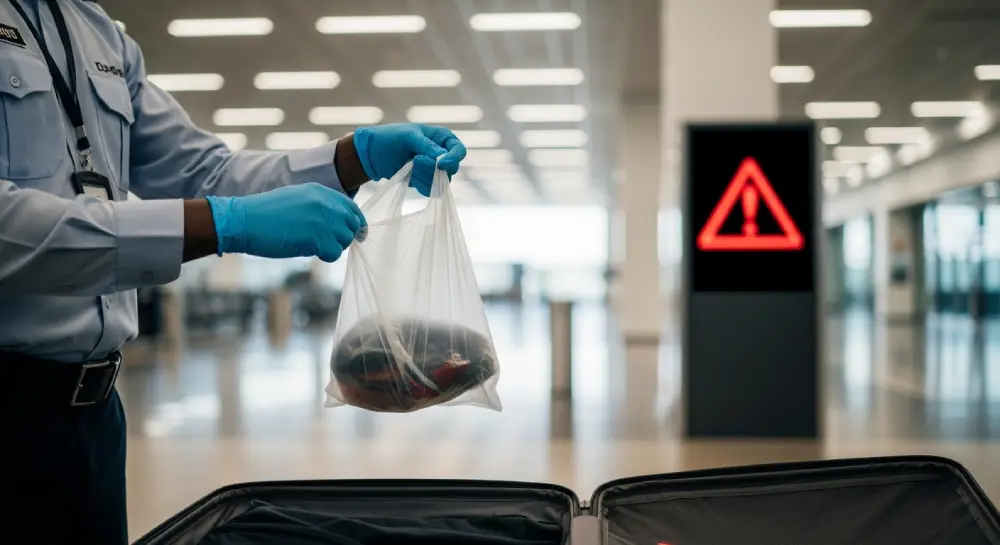
You might survive the streets of Nairobi and the lions of the Maasai Mara, to get arrested at Jomo Kenyatta International Airport for carrying a grocery bag.
In a massive effort to protect its environment, Kenya implemented the strictest plastic bag ban on the planet. Bringing single-use plastic bags into Kenya is illegal.
If customs agents find plastic bags in your luggage (even duty-free bags or the bags you used to wrap your shoes), you can face astronomical fines of up to $38,000 USD or even jail time. You must pack using reusable fabric bags or clear, durable toiletry bags.
Before you pack a single item, you must review our comprehensive guide on Kenya Airport Customs Rules to ensure you don't break strict environmental laws the moment you land.
8. Digital Safety: Why You Cannot Be Offline in Kenya
In Kenya, mobile data is not just for posting safari pictures on Instagram; it is your primary safety and survival tool.
Getting lost in Nairobi is dangerous. Hailing a random street taxi at night instead of tracking a verified Uber is a major security risk. Relying on spotty hotel Wi-Fi means you are completely vulnerable the moment you step outside.
Need data in Kenya? Get an eSIM!
Choose the perfect data plan for your trip

Manage your eSIM in the app
Install, top up and track data.
To stay safe, you need a high-speed data connection to:
-
Order verified Ubers or Bolts from anywhere to avoid street crime.
-
Keep your GPS active so you don't accidentally wander into a dangerous slum neighborhood.
-
Translate Swahili phrases in emergencies.
-
Use M-Pesa (Kenya’s ubiquitous mobile money system, which requires an active phone connection to pay for goods without carrying dangerous amounts of cash).
How to Stay Connected: You have several options when landing in Nairobi, from standing in long lines at the Safaricom kiosk to renting portable routers. To understand the safest methods, read our breakdown on How to Get Internet in Kenya
The Ultimate Travel Hack: Do not wait until you leave the secure zone of the airport to figure out your internet. The smartest, safest travelers download a travel eSIM before they even board their flight. The moment you land in Nairobi, your phone instantly connects to local 4G networks, allowing you to call an Uber safely from the arrivals terminal.
Skip the research and find the most reliable data plans for the bush and the city in our guide to the Best eSIM for Kenya 2026
👉 Secure your digital lifeline before you fly: Grab your Kenya eSIM right now.
Final Verdict: Is Kenya Safe?
Yes, Kenya is safe for foreign tourists—provided you travel with common sense, intense preparation, and a deep respect for local laws and nature.
The Kenyan people are famously warm, hospitable, and protective of their visitors. If you stick to the major safari circuits, use ride-share apps in the city, respect the wild animals, take your malaria pills, and leave your plastic bags at home, you will experience of the most breathtaking, life-changing destinations on Earth.
Pack smart, stay connected, and get ready for the magic of the African bush. Karibu Kenya! (Welcome to Kenya!)