

'/%3e%3cuse xlink:href='%23a' transform='rotate(144 450 300)'/%3e%3cuse xlink:href='%23a' transform='rotate(216 450 300)'/%3e%3cuse xlink:href='%23a' transform='rotate(288 450 300)'/%3e%3c/svg%3e)
Here is the quick, practical takeaway for planning your 2026 trip:
-
Best Overall Time: October to early December. You get clear skies, low humidity, and perfect walking temperatures.
-
Best for Budget Travelers: July and August. You will battle the heat and rain, but hotels offer massive discounts and flight prices drop.
-
Best for Hiking & Outdoors: November to February. The trails are dry, and the crisp winter air makes steep climbs highly enjoyable.
-
Crucial Pre-Trip Step: Before you pack your bags for any season, make sure you are fully updated on the Hong Kong Airport Customs Rules to ensure a smooth arrival.
Hong Kong by Season: What You Really Get
Hong Kong has four distinct seasons, which is rare for a destination located this deep in the subtropics. The humidity is the ultimate wildcard, drastically changing how the actual temperature feels on your skin.
| Season (Months) | Typical Conditions | Crowds | Costs | Best For |
| Spring (Mar - May) | Warming up (17–29°C), rising humidity, spring showers. | Moderate | Medium | City parks, cultural festivals, photography. |
| Summer (Jun - Aug) | Hot (26–32°C+), intense humidity, heavy rain, typhoons. | Low (Tourists) / High (Locals) | Low | Budget deals, indoor shopping, museum hopping. |
| Autumn (Sep - Nov) | Cooling down (19–28°C), crisp air, clear blue skies. | High | High | First-timers, outdoor sightseeing, peak hiking. |
| Winter (Dec - Feb) | Cool and dry (14–20°C), breezy, mostly sunny. | High | Medium to High | Theme parks, holiday lights, Chinese New Year. |
Spring: The Awakening (March to May)
Spring brings a mix of beautiful blooming flowers and unpredictable drizzle. The humidity slowly ramps up, making late May feel significantly heavier than early March. This is an excellent time for photographers wanting to capture the city's lush greenery before the extreme summer heat arrives.
Summer: The Steamy Tropics (June to August)
Summer in Hong Kong is famously intense, characterized by soaring temperatures, relentless humidity, and the peak of typhoon season. You will sweat the moment you step outside. However, this is the prime season for massive shopping mall sales, eating endless mango desserts, and scoring the cheapest luxury hotel rooms of the year.
Autumn: The Golden Window (September to November)
Autumn is universally considered the absolute best time to explore the city. The oppressive humidity vanishes, replacing sticky afternoons with crisp, clear skies and cool breezes. Because the weather is flawless, you will face peak hotel pricing and larger crowds at popular attractions like the Star Ferry and Victoria Peak.
Winter: The Festive Chill (December to February)
Winter is surprisingly cool and dry, requiring a light jacket or sweater for evening harbor strolls. The city transforms with spectacular Christmas light displays, followed immediately by vibrant Chinese New Year preparations. While wandering the bustling night markets, you might wonder about local security; rest assured, our guide on Is Hong Kong Safe for Tourists? What You Must Know covers everything you need to feel secure.
Regional Differences (Microclimates & Geography)
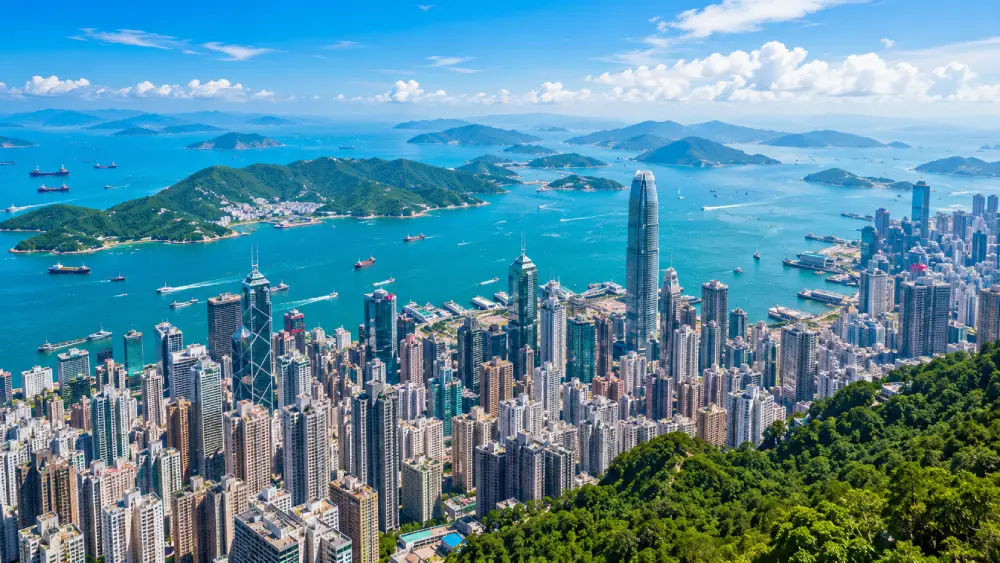
Hong Kong is much more than just a concrete jungle of towering skyscrapers. The territory is broken up into distinct geographical zones, each interacting with the weather in its own unique way.
Kowloon & Hong Kong Island (The Urban Core)
The dense urban centers of Central, Causeway Bay, and Tsim Sha Tsui are year-round destinations. In the peak of summer, these areas become "AC hopping" zones where locals dart between ultra-chilled malls, MTR stations, and restaurants. During autumn and winter, these walkable neighborhoods are brilliant for urban exploration and open-air street markets.
The Outer Islands (Lantau, Lamma, Cheung Chau)
Hong Kong's outer islands offer a laid-back escape from the city buzz. Autumn and Winter are the best times to visit these islands for hiking, visiting the Big Buddha, and exploring traditional fishing villages. In summer, the islands are sweltering, but they remain highly popular for weekend seafood feasts and swimming at public beaches.
The New Territories (Nature & Hiking)
Making up the vast majority of Hong Kong's landmass, the New Territories are rugged, green, and full of country parks. If you plan to hike Tai Mo Shan or explore the Sai Kung peninsula, November through February is mandatory. Attempting these long, exposed trails in the July heat is dangerous due to the extreme humidity and lack of shade.
Month-by-Month Cheat Sheet
-
January: Cool, dry, and comfortable (14–19°C). Perfect for hiking, visiting Disneyland, and enjoying the buildup to Lunar New Year.
-
February: Still cool and dry (15–20°C). Chinese New Year often falls here, bringing vibrant parades but also closed mom-and-pop shops for a few days.
-
March: Spring begins (17–22°C). Expect a mix of sunny days and sudden spring showers. Great for exploring the city's blooming parks and outdoor markets.
-
April: Warmer and wetter (20–26°C). Humidity becomes noticeable, but crowds are manageable. It is a solid shoulder-season month for general sightseeing.
-
May: The rainy season officially starts (23–29°C). Expect heavy downpours and thick humidity, but also massive cultural events like the Bun Festival.
-
June: Hot, wet, and sticky (26–31°C). Typhoon season begins. Spend your time eating dim sum, visiting museums, and taking advantage of indoor attractions.
-
July: Peak summer heat (27–32°C). High risk of typhoons and torrential rain. Book a luxury hotel at a discount and enjoy the world-class air conditioning.
-
August: The wettest month of the year (27–32°C). Sweating is unavoidable. If you visit now, pack light clothes, a sturdy umbrella, and stay hydrated. No matter what month you visit, familiarizing yourself with the Hong Kong Tourist Bans & Laws will keep you out of trouble.
-
September: Rain begins to ease toward the end of the month (26–31°C). The Mid-Autumn Festival brings beautiful lantern displays to the city.
-
October: The best month of the year (23–28°C). Humidity drops, skies turn blue, and the weather is flawless for outdoor sightseeing.
-
November: Absolutely perfect weather (19–25°C). Dry, crisp, and comfortable. This is the ultimate time to hike the Dragon's Back or ride the Peak Tram.
-
December: Festive and cool (16–22°C). The city is decked out in spectacular holiday lights, and the cool weather is ideal for endless walking tours.
Best Time to Visit by Traveler Type
For Foodies & Nightlife
Hong Kong is a culinary capital year-round, so there is no bad time to eat. However, the summer months (June to August) offer the perfect excuse to dive into the city's indoor dining scene. You can spend rainy afternoons indulging in long dim sum lunches, exploring underground speakeasies, and eating shaved ice desserts without guilt.
For Hiking & The Great Outdoors
Hong Kong boasts some of the best urban hiking in the world, but the weather dictates when you can safely enjoy it. November through February is the undisputed best time for hikers. The crisp air and dry trails make conquering Lion Rock or Lantau Peak an absolute joy, rather than a sweaty survival mission.
For Theme Parks (Disneyland & Ocean Park)
If you are traveling with family to visit Hong Kong Disneyland or Ocean Park, aim for mid-week in November, December, or January. The cooler weather means you will not be dripping with sweat while waiting in line. Avoid local school holidays and Chinese New Year, as the parks reach maximum capacity and wait times explode.
For Budget Travelers
If saving money is your top priority, August and September are your target months. While you will have to navigate intense heat, humidity, and the threat of typhoons, you will be rewarded with the cheapest flights and hotel rates of the year. Use the savings to upgrade your dining experiences or book extra indoor attractions.
For Luxury & Skyline Views
To guarantee those iconic, crystal-clear views of Victoria Harbour from your five-star hotel room, October and November are essential. The summer haze and rain clouds vanish, leaving sharp, panoramic views of the skyline. You will pay peak rates during this golden window, but the flawless photography conditions are worth every penny.
Festivals & Special Dates to Plan Around (2026)
Hong Kong's cultural calendar is packed with ancient traditions that transform the modern city. Timing your trip to align with these events offers a profound look into local heritage.
The Spring Festivals (May 2026)
Spring 2026 is incredibly dense with traditional celebrations. May 9, 2026, marks the Birthday of Tin Hau, the Goddess of the Sea, where vibrant parades fill coastal neighborhoods. Shortly after, on May 24, 2026, the city simultaneously celebrates Buddha's Birthday and the thrilling Cheung Chau Bun Festival, culminating in the famous midnight bun-scrambling competition.
The Dragon Boat & Mid-Autumn Festivals
On June 19, 2026, the Dragon Boat Festival (Tuen Ng) takes over the waterways with fierce, colorful boat races and rhythmic drumming. Later in the year, the Mid-Autumn Festival lands on September 25, 2026. The city glows with thousands of paper lanterns, and families gather to share dense, sweet mooncakes under the full moon.
National Holidays & Golden Weeks
Be highly aware of major public holidays when planning your itinerary. July 1 is Hong Kong SAR Establishment Day, and October 1 is National Day, both bringing massive crowds and spectacular fireworks to the harbor. Additionally, the first week of October is China's "Golden Week," resulting in a massive influx of mainland tourists and heavily booked hotels.
A Quick Note on Staying Connected
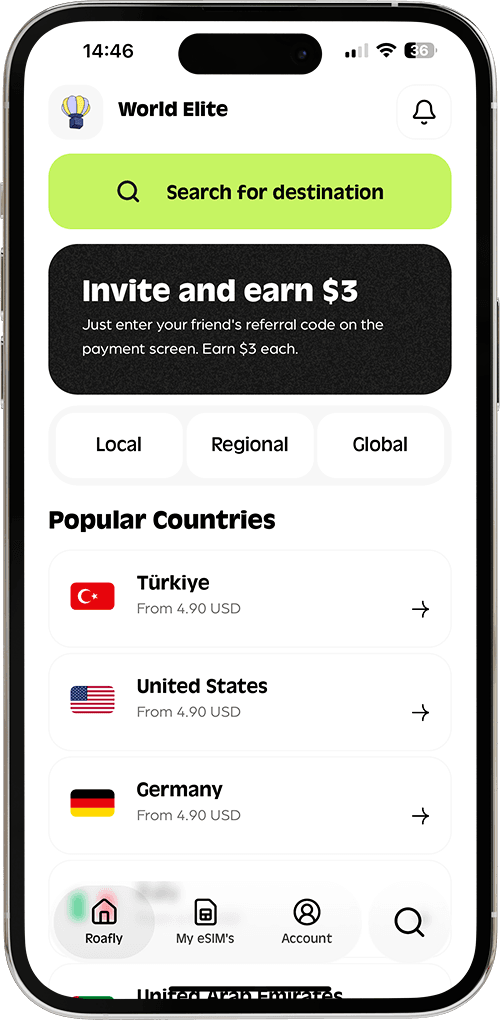
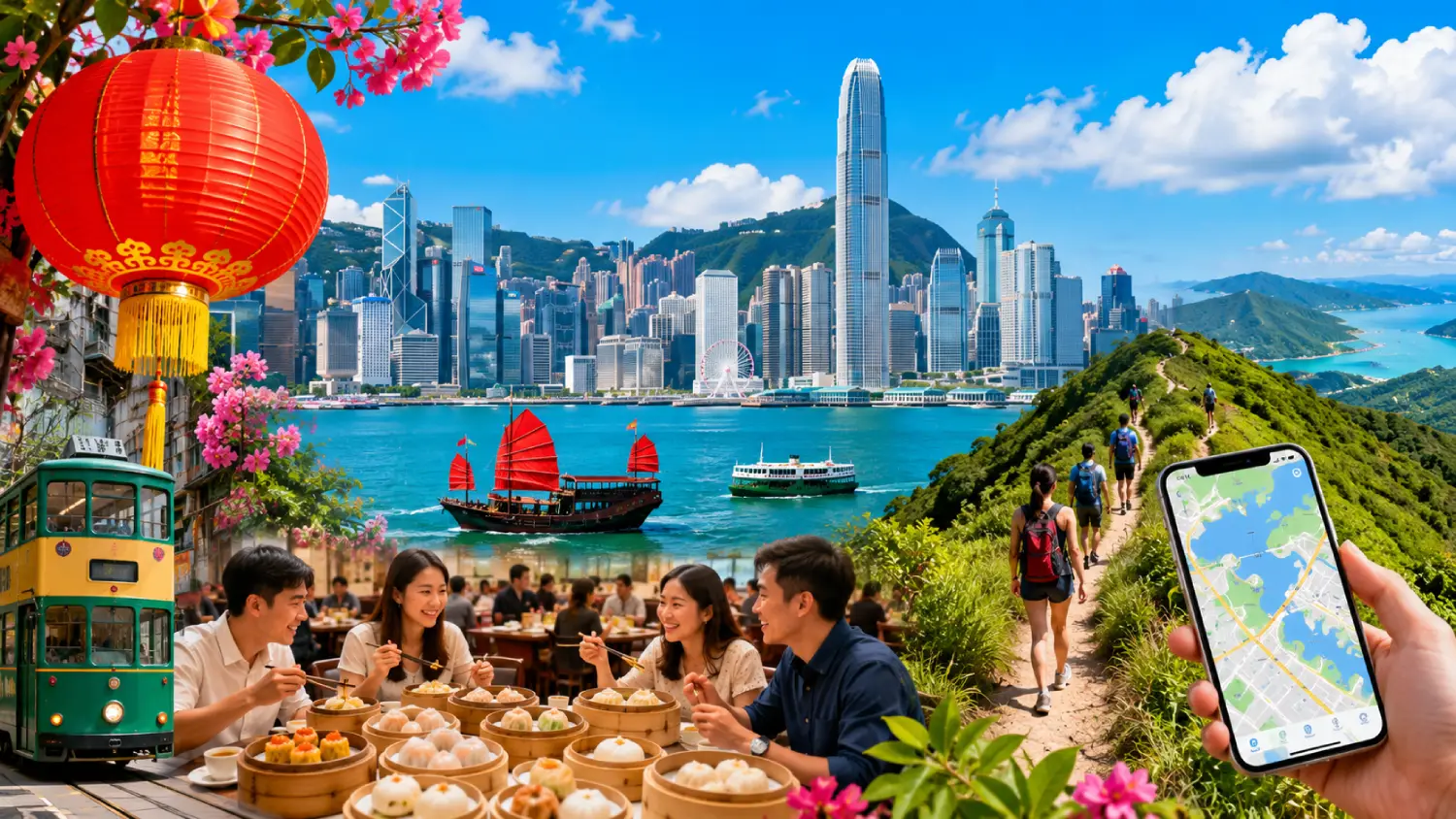
Navigating Hong Kong requires immediate, reliable internet access the moment you land. You will need data to use Google Maps in the winding streets of Central, check real-time MTR schedules, and translate menus at local cha chaan tengs (diners). Relying solely on hotel Wi-Fi will leave you disconnected and frustrated while exploring the city.
Need data in Hong Kong? Get an eSIM!
Choose the perfect data plan for your trip

Manage your eSIM in the app
Install, top up and track data.
The smartest and most efficient way to get is by using a Hong Kong eSIM. It allows you to skip the physical SIM card kiosks at the airport and activate your data plan before you even step off the plane. For a deep dive into all your connectivity options, check out our guide on How to Get Internet in Hong Kong, or find the perfect digital plan in our review of the Best eSIM for Hong Kong.
FAQ: Best Time to Visit Hong Kong
What is the absolute best month to visit Hong Kong?
October is widely considered the best month to visit. The extreme summer heat and typhoon threats are gone, leaving behind clear blue skies, low humidity, and temperatures sitting comfortably around 23–28°C.
When is typhoon season in Hong Kong?
Typhoon season officially runs from June to October, with the highest risk of severe storms occurring in July, August, and September. If a Typhoon Signal 8 is hoisted, businesses, transport, and attractions will temporarily shut down.
Is it worth visiting Hong Kong in the summer?
Yes, if you enjoy indoor activities and want to save money. Summer brings massive sales to the shopping malls, and luxury hotels offer deep discounts, but you must be prepared for extreme humidity and heavy rain.
What is the cheapest time to go to Hong Kong?
August is generally the cheapest month for flights and accommodation. The hot, wet weather drives away peak-season tourists, allowing budget travelers to score fantastic deals on high-end hotels.
When should I visit for the best hiking weather?
November through February offers the best conditions for hiking in Hong Kong. The trails are completely dry, the skies are clear, and the cool temperatures prevent the dangerous heat exhaustion common in summer.
Is December a good time to visit Hong Kong?
December is a fantastic time to visit. The weather is cool and breezy, and the city is highly festive with elaborate Christmas light displays covering the skyscrapers in Central and Tsim Sha Tsui.
When is the worst time to visit Hong Kong?
For travelers who hate extreme heat and humidity, July and August are the worst times to visit. The combination of 30°C+ heat, 80% humidity, and frequent torrential downpours makes outdoor sightseeing incredibly uncomfortable.