

'/%3e%3cuse xlink:href='%23a' transform='rotate(144 450 300)'/%3e%3cuse xlink:href='%23a' transform='rotate(216 450 300)'/%3e%3cuse xlink:href='%23a' transform='rotate(288 450 300)'/%3e%3c/svg%3e)
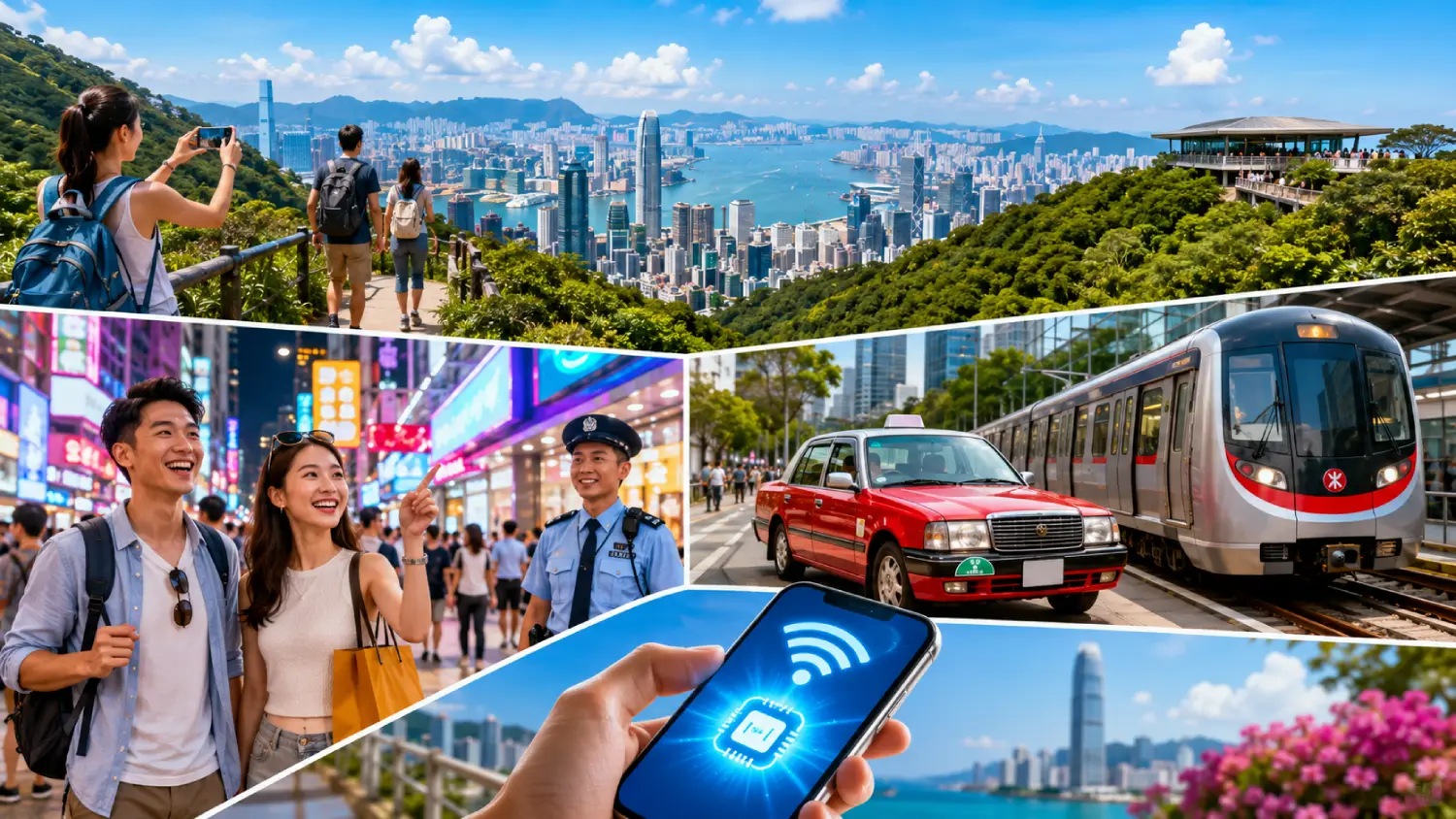
The short answer is a resounding yes, Hong Kong is incredibly safe when it comes to traditional street crime. You are far less likely to be mugged, assaulted, or pickpocketed here than in Paris, New York, or London. However, the true "danger" in Hong Kong has shifted dramatically from physical threats to legal and bureaucratic.
The introduction of sweeping new security laws over the past few years means that tourists must be hyper-aware of what they say, what they post, and what they pack in their luggage. Navigating Hong Kong in 2026 is less about clutching your wallet in a dark alley and more about understanding strict local regulations. If you follow the rules, your trip will be seamlessly safe, but ignorance of the law is no longer tolerated.
The Reality on the Streets: Crime, Police, and New Laws
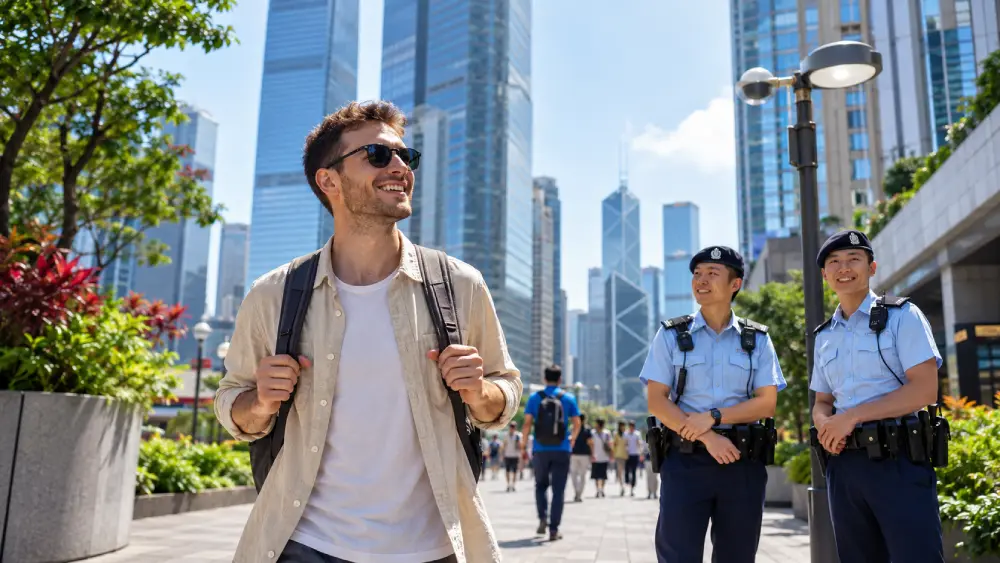
Hong Kong remains of the safest major metropolitan areas on the planet when evaluating violent crime. Homicides, armed robberies, and violent assaults against tourists are statistically microscopic. You can generally walk around most neighborhoods at 2:00 AM without constantly looking over your shoulder.
The heavy police presence across the city acts as a major deterrent to petty crime. Law enforcement officers are highly visible, strictly professional, and generally speak enough English to assist tourists in an emergency. However, this same police force is also tasked with enforcing the strict new political and security regulations that have reshaped the city's vibe.
The National Security Law (2020) and the recently enacted Safeguarding National Security Ordinance (2024) have completely altered the legal landscape for everyone, including foreign visitors. These laws cover offenses like secession, subversion, and collusion with foreign entities. While this might sound like spy-movie material, the reality is that casual political commentary, attending unauthorized protests, or even wearing clothing with banned political slogans can lead to severe consequences.
Authorities now have the power to stop individuals, search electronic devices like smartphones or laptops, and demand passwords. Refusing a search is considered a criminal offense. Because of this, it is highly recommended to scrub your social media of sensitive political posts regarding the local government before you land.
Beyond politics, everyday laws have also tightened significantly. Vaping is strictly prohibited, and carrying any product containing CBD is considered drug trafficking, which carries massive prison sentences. Before you even pack your bags, you need to understand exactly what will get you detained at the border. We highly recommend reviewing our comprehensive breakdown on Hong Kong Airport Customs Rules: Vaping & CBD Bans to avoid a nightmare scenario upon arrival.
Additionally, items that might be legal or considered self-defense in your home country—like pepper spray, stun guns, or even certain types of pocket knives—are strictly classified as illegal arms here. Carrying them will result in immediate arrest. For a complete list of what not to bring, consult our guide on Hong Kong Tourist Bans & Laws so you don't inadvertently break the law.
Regional Breakdown: Tourist-Safe Zones vs. Areas to Exercise Caution
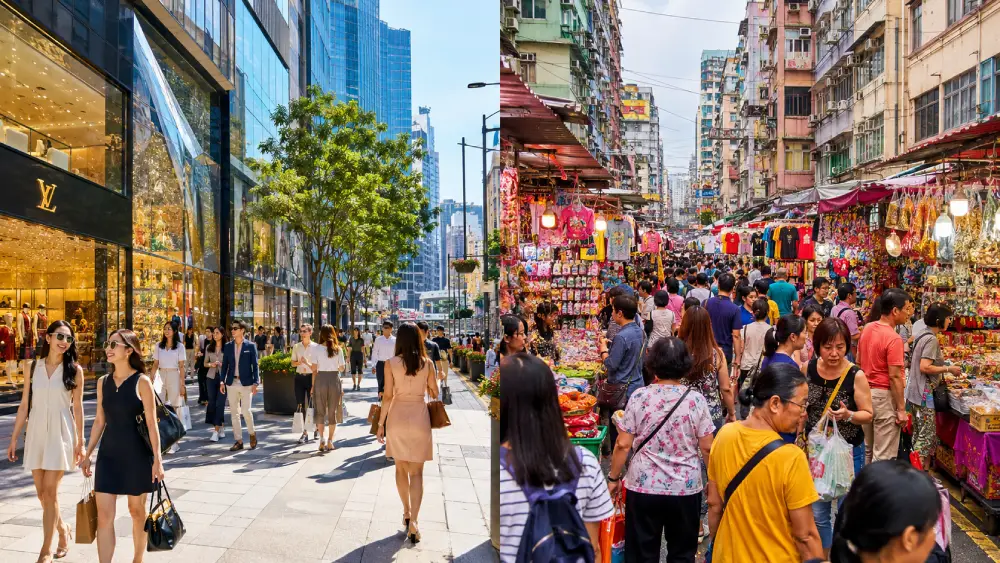
Hong Kong does not have "no-go zones" in the way that many Western cities do. You will not accidentally wander into a neighborhood controlled by violent gangs. However, different districts present different levels of chaos, petty crime, and general hassle for tourists.
The Safest Tourist Hubs:
-
Central & Admiralty: The gleaming financial heart of the city. Extremely safe, heavily monitored, and packed with luxury hotels.
-
Causeway Bay: A retail paradise that is busy day and night. The biggest risk here is losing your group in the massive crowds.
-
Tsim Sha Tsui (TST): The prime tourist district in Kowloon. While very safe, it requires a bit more situational awareness due to aggressive street touts trying to sell fake watches or custom suits.
Areas Requiring Extra Vigilance:
-
Chungking Mansions (TST): This massive, labyrinthine building is famous for cheap currency exchange and budget guesthouses. During the day, it is a fascinating cultural melting pot. Late at night, the entrance can attract loiterers, petty thieves, and individuals offering illicit goods. Keep a firm grip on your belongings if visiting.
-
Lan Kwai Fong (LKF): The epicenter of Hong Kong's nightlife. Violent crime is rare, but alcohol-fueled brawls, spiked drinks, and opportunistic pickpocketing peak here after midnight.
-
Sham Shui Po & Mong Kok: These working-class districts offer incredible street food and markets but are notoriously crowded. The sheer density of people makes them the prime hunting ground for professional pickpockets working the distracted tourist crowds.
-
Wan Chai (Late Night): Historically known as a red-light district, parts of Wan Chai still feature aggressive bar promoters and "honey trap" scams aimed at intoxicated travelers.
Transportation Safety: Navigating the Urban Jungle
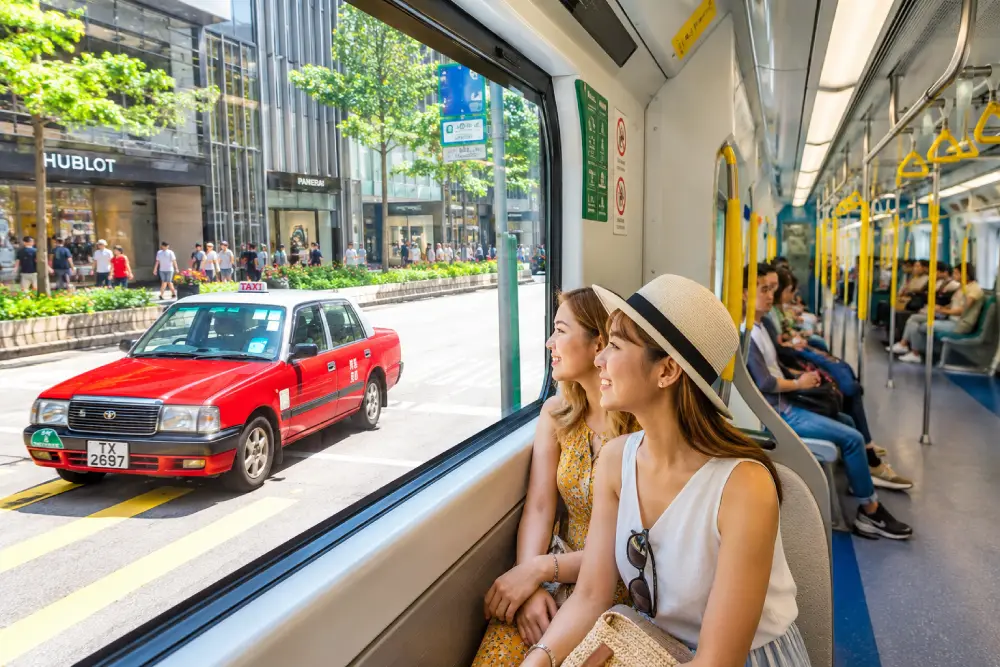
Getting around Hong Kong is an absolute breeze, but each mode of transport comes with its own minor quirks and safety considerations. The public transit infrastructure is arguably the best in the world.
The MTR (Mass Transit Railway) is spotless, ruthlessly efficient, and incredibly safe at all hours. Violent incidents on the MTR are exceedingly rare. The real danger is the crushing wave of humanity during peak rush hour (8:00 AM and 6:00 PM), where you might get shoved or targeted by a slick pickpocket. Keep your backpack on your front when the train is packed.
Taxis are strictly regulated, metered, and generally safe, but there are a few caveats. Taxis are color-coded (Red for urban areas, Green for New Territories, Blue for Lantau Island). Always ensure the driver turns the meter on. Some rogue drivers operating near late-night nightlife spots like LKF will try to refuse the meter and quote an exorbitant flat rate. If this happens, simply get out and find another cab.
Red Minibuses are a unique local experience, but they are not for the faint of heart. These private buses have no set routes or stops, and the drivers are notorious for treating the highways like a Formula 1 track. Unless you speak Cantonese and know exactly where you are going, it is best to stick to the MTR or double-decker city buses.
Ride-sharing apps like Uber operate in a legal gray area in Hong Kong but are widely used, reliable, and entirely safe for tourists. They offer the added security of GPS tracking and cashless payment, which prevents any disputes over change or language barriers.
Tourist Scams: The New Financial Traps

Because violent crime is low, criminals in Hong Kong focus entirely on separating you from your money through deception. Scams here are often sophisticated and prey on polite tourists.
The Tea House Scam: You will be approached by friendly "students" or locals wanting to practice their English. They will invite you to a traditional tea house or café. After a seemingly pleasant conversation, you will be handed a bill for hundreds or even thousands of dollars. The establishment is in on the scam, and intimidating bouncers will force you to pay before leaving.
Fake Monks & Charity Touts: Individuals dressed as Buddhist monks may approach you in tourist areas like the Peak or the Star Ferry terminal. They will aggressively place a bracelet on your wrist or hand you a golden medallion, then demand a steep "donation." Real Buddhist monks do not aggressively panhandle on the streets. Firmly hand the item back and walk away.
Bait-and-Switch Electronics: Shopping for cameras or tech gear in the neon-lit stores of Tsim Sha Tsui or Mong Kok requires extreme caution. A shop will advertise a camera at a shockingly low price. you hand over your credit card, they will claim that model is out of stock or "defective" and aggressively pressure you into buying a lesser-known brand at a massive markup. Always stick to official brand stores or massive, reputable chain retailers.
Counterfeit Currency: While less common than it used to be, receiving fake 500 or 1000 HKD banknotes as change from unscrupulous market vendors or rogue taxi drivers still happens. Familiarize yourself with the holographic security features on the local bills, and try to use an Octopus Card (the local transit and payment card) for small purchases to avoid handling cash altogether.
Women’s Safety & Solo Travel
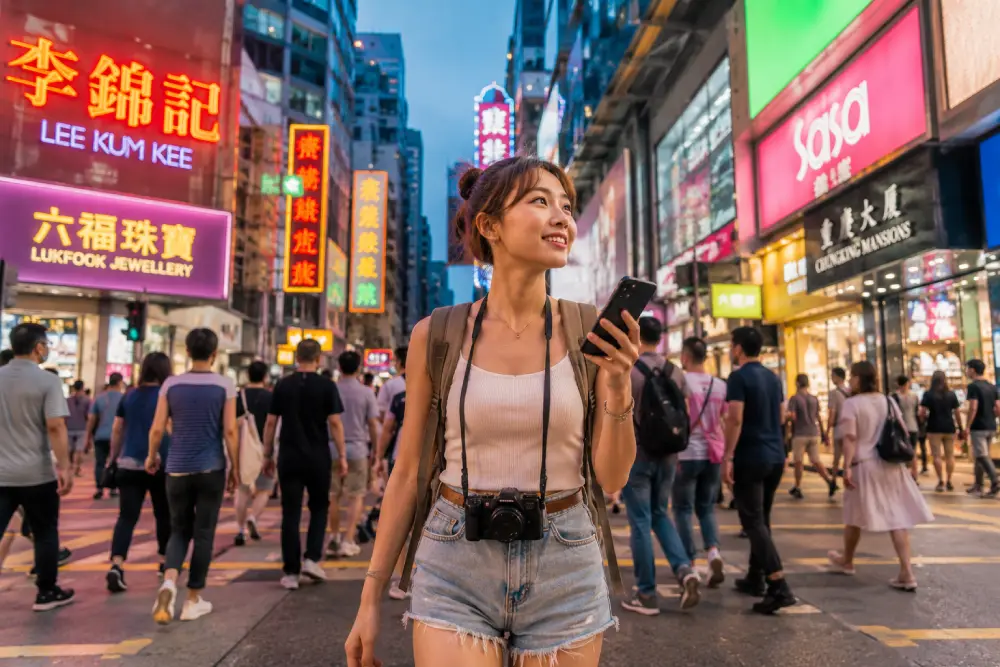
Hong Kong is consistently ranked as of the safest cities in the world for solo female travelers. The concept of "machismo" or aggressive street harassment is virtually non-existent here. Catcalling is incredibly rare, and women can generally walk alone at night without feeling threatened.
Dress codes are heavily influenced by the humid weather and cosmopolitan vibe. You can wear shorts, tank tops, and summer dresses without attracting unwanted attention. The culture is very modern, and locals are generally entirely focused on their own busy lives rather than judging tourists.
However, nightlife requires the standard global precautions. In party districts like Lan Kwai Fong or Wan Chai, drink spiking is a known issue. Never leave your drink unattended, and do not accept drinks from strangers unless you saw the bartender pour it.
If you are a solo traveler, utilize the MTR to get home at night. It is well-lit, heavily populated, and monitored by CCTV. If you are out past the MTR closing time (usually around 1:00 AM), rely on official taxi stands or use a ride-hailing app rather than jumping into unmarked vehicles.
Health, Tap Water & Nature
Health and hygiene standards in Hong Kong are world-class, but the tropical environment brings its own set of challenges. Medical facilities are excellent, though private hospitals can be astronomically expensive, making comprehensive travel insurance mandatory.
Can you drink the tap water? Technically, the water leaving the treatment plants is perfectly safe to drink. However, Hong Kong is filled with aging high-rise buildings, and the old plumbing systems often contaminate the water with heavy metals or rust by the time it reaches the tap. It is strongly advised to boil tap water before drinking it, or stick to bottled and filtered water during your stay.
Typhoons and Black Rainstorms: Hong Kong's primary natural threat is extreme weather. Typhoon season runs from May to November. The city has an incredibly efficient warning system issued by the Hong Kong Observatory. If a "Typhoon Signal 8" or a "Black Rainstorm Warning" is issued, the entire city shuts down. Shops close, public transit stops, and you must stay indoors. Do not go to the waterfront to watch the waves; tourists have been swept away doing this.
Mosquitoes and Heat: The humidity from May to September is oppressive, leading to a high risk of heatstroke. Hydrate constantly and utilize the city's ubiquitous air-conditioning. Furthermore, mosquitoes are a nuisance in the city parks and a real threat on hiking trails. Dengue fever, while rare, does occur. Always pack heavy-duty insect repellent if you plan to hike the Dragon's Back or visit Lantau Island.
The Ultimate Safety Tool: Staying Connected
In a city as densely packed and fast-paced as Hong Kong, losing your internet connection is a massive safety liability. You need data to navigate the labyrinth of streets, translate Cantonese menus, check real-time typhoon warnings, or hail an Uber if you find yourself stranded late at night.
Need data in Hong Kong? Get an eSIM!
Choose the perfect data plan for your trip

Manage your eSIM in the app
Install, top up and track data.
Relying on public Wi-Fi is a dangerous game. Hackers frequently set up unsecured, fake networks in popular cafes and tourist hubs to steal banking credentials and passwords. To protect your digital security and ensure you always have a lifeline, you need your own private, encrypted connection.
Securing a Hong Kong eSIM before you even board your flight ensures your phone connects to the safest local towers the moment you land. No hunting for kiosks, no fumbling with tiny plastic SIM cards, and zero risk of Wi-Fi hacking.
For a deep dive into the exact data plans available and how to avoid exorbitant roaming charges, check out our guide on the Best eSIM for Hong Kong. If you are weighing all your connectivity options, we also break down the pros and cons in How to Get Internet in Hong Kong.
Official Travel Advisories (2026 Update)
Global governments frequently update their stance on Hong Kong due to the shifting political climate. Here is what the major diplomatic offices are officially stating as of May 2026:
-
United States (State Department): Advises a Level 2: Exercise Increased Caution. The U.S. heavily emphasizes the risk of arbitrary enforcement of local laws, noting that the National Security Law can be applied broadly to foreigners, potentially leading to detention without standard legal recourse.
-
United Kingdom (FCDO): Echoes similar sentiments, urging citizens to remain vigilant. The UK advises that the broad nature of the security laws means everyday activities or posts could technically be deemed illegal, carrying the risk of arrest or deportation.
-
Canada: Recommends travelers Exercise a high degree of caution. The Canadian government explicitly warns about the possibility of arbitrary detention, the enforcement of bans and sanctions without public lists, and the severe penalties surrounding the possession of anything classified as a drug or weapon under the new ordinances.
The Verdict: Is Hong Kong Safe?
Hong Kong remains an incredibly vibrant, thrilling, and physically safe destination for travelers in 2026. The threat of street violence, muggings, or physical harm is astonishingly low compared to almost any Western equivalent. However, the definition of "safe" has evolved. The true risks today revolve around strict legal compliance, understanding severe new local ordinances, and avoiding sophisticated financial scams. If you respect the local laws, stay out of political discourse, and keep your wits about you in crowded markets, you will have a phenomenal trip.
Golden Rules for Hong Kong in 2026:
-
Scrub Your Devices: Delete sensitive political posts, memes, or commentary about the local or mainland government from your phone and social media before arriving.
-
Zero Tolerance on Banned Items: Double-check your luggage. Absolutely no vaping devices, CBD products, or self-defense items like pepper spray.
-
Always Carry Your ID: By law, you must carry your passport or official Hong Kong ID at all times. Police conduct random spot checks, and failure to produce ID is an offense.
-
Ignore the Touts: Walk purposefully past anyone trying to sell you a custom suit, a fake watch, or hand you a "free" bracelet on the street.
-
Stay Weather Aware: Download the official Hong Kong Observatory app to receive instant alerts about incoming typhoons or severe rainstorms during the summer months.
Note: Travel safety situations can change rapidly. This information is accurate as of May 2026. Always exercise street smarts and consult official advisories before your trip.