



As checked on 30 September 2026, the Entry/Exit System (EES) is operating, while ETIAS applications have not opened. Switzerland also shares the Schengen short-stay allowance: crossing from Italy or France does not give you a fresh 90 days.
Do you need a visa for Switzerland?
Start with your passport nationality, then consider any qualifying Schengen immigration document you already hold. These are representative examples for ordinary passports and short tourist visits, not complete country lists.
| Visitor group | Country or document examples | What applies |
|---|---|---|
| EU/EFTA citizens | France, Germany, Italy and Norway | Visa-free entry with a valid passport or recognised national identity card. Their free-movement rules are separate from the short-stay rules for other nationalities. |
| Visa-exempt visitors from outside the EU/EFTA | United States, United Kingdom (British citizens), Canada, Australia, Chile and Colombia | Usually up to 90 days in any rolling 180-day period across Schengen, subject to the other entry conditions. |
| Visitors who normally need a visa | India, China, Türkiye, Thailand and Indonesia | Arrange a Schengen short-stay visa in advance unless a qualifying exemption applies. The visa may authorise fewer than 90 days. |
| Holders of qualifying documents from another Schengen country | A recognised residence permit or valid long-stay category D visa, together with a valid travel document | These documents can remove the need for a separate Swiss visitor visa. Short visits to Switzerland remain subject to the applicable stay limit. |
Use the official Swiss requirements by nationality for your exact passport. Special and diplomatic passports, recognised travel documents and certain family-member situations have additional rules.
The visa-required examples above refer to ordinary passports. In particular, do not apply Türkiye’s ordinary-passport rule automatically to a special passport, or mainland China’s rule to a Hong Kong or Macao passport.
How the Schengen 90/180-day rule works
Eligible short-stay visitors generally have a maximum of 90 days in any rolling 180-day period across the Schengen area. Both the arrival date and departure date count.
Twenty consecutive days travelling through France, Italy and Switzerland use 20 Schengen days. They do not create a separate allowance for each country. Crossing the Italian–Swiss border during that trip is movement within Schengen.
Look backwards over the preceding 180 days on each day of your proposed stay. Earlier visits can reduce the time available, even if your Swiss trip is short.
Visa holders must also respect the validity dates, permitted entries and authorised duration printed on their visa. A visa valid for several years still does not authorise an uninterrupted stay of that length.
Passport validity and documents to carry
Most non-EU/EFTA tourists entering Schengen need a recognised passport that:
-
Was issued within the previous 10 years when they enter Schengen.
-
Remains valid for at least three months after their intended departure from the Schengen area.
Use your final Schengen departure date. Leaving Switzerland for Italy is not the departure that starts the three-month calculation.
Different document-validity conditions apply to qualifying holders of Schengen residence permits or category D visas: their travel document and immigration document must remain valid for the intended Swiss visit.
Accommodation, onward travel and money
Be ready to explain where you are staying, why you are visiting and how you will pay for the trip. Useful supporting documents include:
-
Hotel reservations or your host’s address and invitation.
-
Your return booking or onward itinerary, including permission to enter the next country where required.
-
Evidence of accessible funds.
-
Your visa, qualifying residence permit and insurance documents, as applicable.
Self-funded third-country visitors must be able to demonstrate at least CHF 100 per day for their Swiss stay. This is not a requirement to carry the entire amount in cash: credit cards and other accepted evidence can demonstrate financial resources.
Download your reservations and your host’s contact details before travelling. Decide how you will get internet in Switzerland for booking changes and onward transport, while keeping the essential documents accessible offline.
Travel medical insurance
Schengen visa applicants generally need medical insurance with at least €30,000 of cover, valid throughout Schengen for the required period. The cover must include emergency treatment and medical repatriation.
Visa-exempt visitors should also arrange adequate medical cover. Match the policy to the trip, including any mountain and weather risks in Switzerland relevant to skiing or hiking.
Applying for a Swiss tourist visa
Apply through Switzerland when it is your only destination or the main destination of your Schengen trip. For a tourism itinerary covering several countries, that will usually be the country where you spend the longest time. If the stays are equal, apply through the first country you will visit.
Your departure airport does not determine which country should handle the application. Spending most of the holiday in Switzerland can make Switzerland responsible even if you enter Schengen through another country.
Use the official Swiss visa portal to find the appropriate procedure for your country of residence. Follow the responsible representation’s document checklist and appointment instructions.
Applications can normally be submitted up to six months before travel. Standard processing is generally 15 calendar days after an admissible application is lodged, with detailed examination potentially extending this to 45 days. Appointment waiting time is separate.
The standard adult Schengen visa fee is €90. Reduced fees or exemptions apply to some applicants, and an external application centre may charge an additional service fee.
Completing an online form is part of the application process; it is not an immediately issued tourist eVisa. If your passport requires a visa, arrange it before departure rather than planning to obtain a routine tourist visa on arrival.
EES and ETIAS: what applies now?
These systems perform different jobs.
EES records border crossings
EES became fully operational on 10 April 2026 after its phased introduction. It records entries and exits for covered non-EU short-stay visitors at the Schengen external border, including passport information and biometric data where applicable.
Covered visitors include both visa-exempt travellers and short-stay visa holders, with exemptions for certain categories. EES replaces passport stamping for people registered under the system.
If your journey first enters Schengen in France before continuing to Switzerland, the external-border entry takes place in France. Travelling onward to Switzerland does not create another Schengen entry.
ETIAS is not yet accepting applications
As of 30 September 2026, Switzerland’s State Secretariat for Migration confirms that ETIAS applications are not being collected.
ETIAS is the future travel authorisation for eligible visa-exempt visitors. It will not replace a Schengen visa for people who need one. Review the official ETIAS status before a later trip; an expected launch period is not the same as an active application requirement.
Arriving by air, train or car
Direct arrivals from outside Schengen
Flying into Switzerland from outside Schengen means entering through an external border. Keep your passport and supporting documents available for the immigration check.
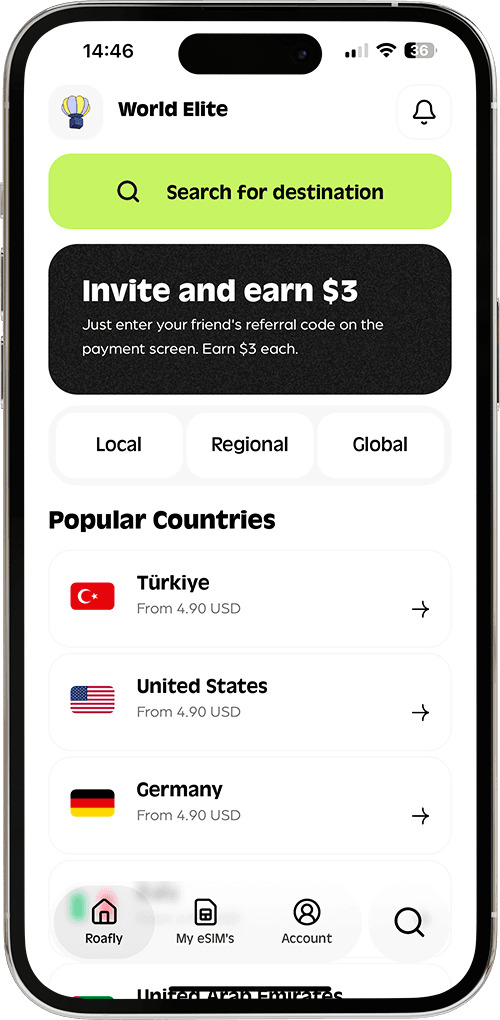
If you want mobile data ready for the onward journey, compare eSIM options for Switzerland before travelling. Make sure your package specifically includes Switzerland when the trip also covers EU countries.
On a compatible, unlocked phone, a Switzerland eSIM provides a data option for checking transport and reservation updates. Travellers who prefer to buy service after landing can plan around the SIM shops at Zurich Airport.
Airport transit and connections
Staying within an airport’s international transit area on a journey between two non-Schengen destinations is different from entering Switzerland. Certain passport holders need an airport transit visa even for an airside connection, although exemptions may apply.
Airport transit visas cover only the international transit area. If you must go landside to collect luggage or reach a hotel, you need to satisfy the normal entry rules.
Connecting from a non-Schengen flight to a flight bound for Rome or Paris involves entering Schengen in Switzerland. Assess the whole itinerary, not just the fact that the ticket describes Zurich as a stopover.
Crossing from a neighbouring Schengen country
Driving from France or taking a train from Italy keeps you within Schengen. Routine immigration checks are generally absent at internal borders, but checks can still occur, so keep your travel documents available.
Swiss customs rules remain separate. Switzerland is outside the EU customs union, and Swiss customs allowances still matter when you bring goods across the border.
Vehicle paperwork and road requirements are also separate from your permission to enter. If you are bringing a rental car across the border, include driving into Switzerland in your preparations.
Frequently asked questions
Can I enter Switzerland with a Schengen visa issued by Italy or France?
Yes, if it is valid for Switzerland and your trip fits its validity dates, permitted entries and remaining authorised stay. Some visas have limited territorial validity, so read the visa itself.
Does a UK residence permit give me visa-free entry?
Holding an ordinary UK residence permit does not by itself replace a required Schengen visa. Your passport nationality and any qualifying Schengen documents determine the tourist entry route; living in the UK is different from holding British citizenship.
Can I extend my tourist stay in Switzerland?
Contact the migration authority in the canton where you are staying before your authorised stay expires. Do not build your itinerary around receiving an extension or assume that moving to another Schengen country extends your allowance.