

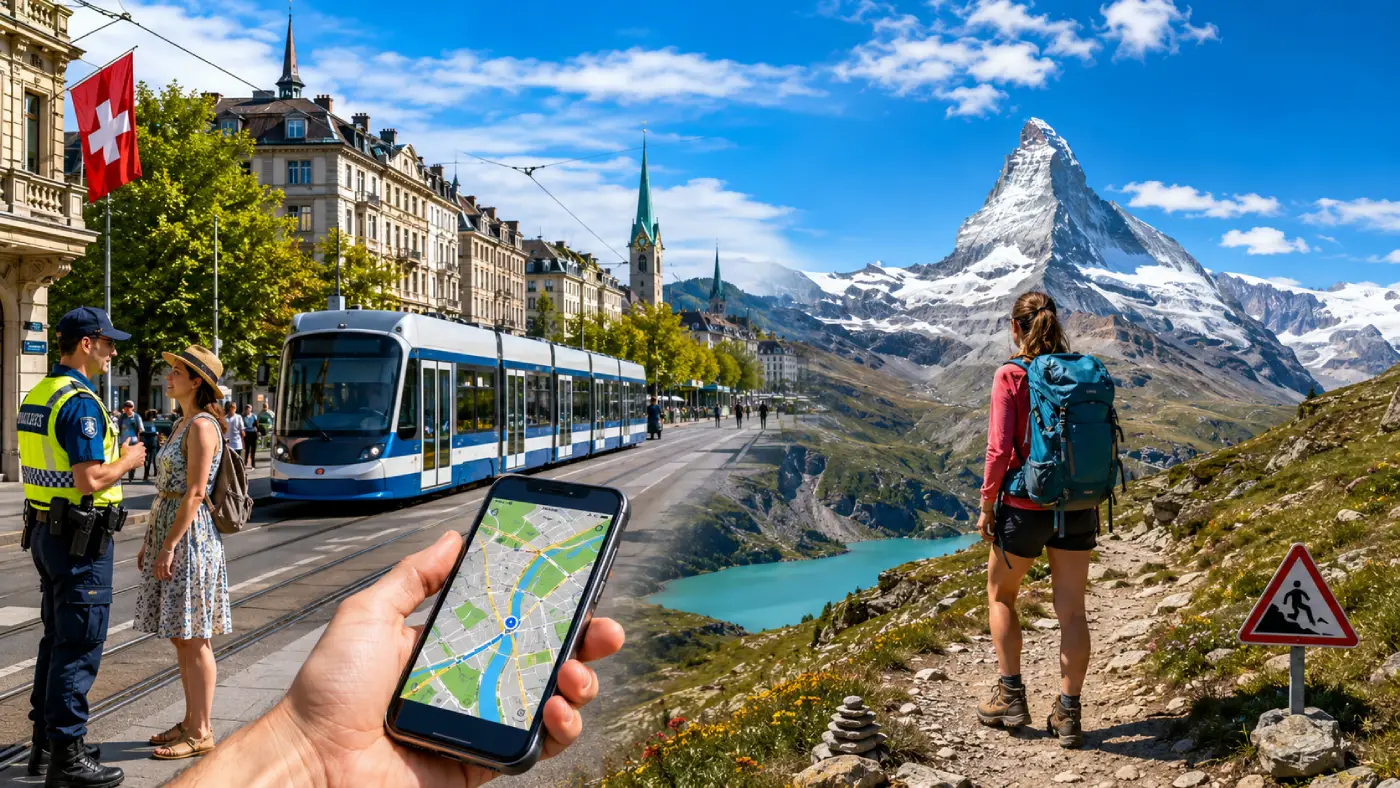

The short answer is absolutely yes. Switzerland is undeniably of the safest countries on Earth. However, the nature of the "danger" has shifted away from street violence toward extreme environmental hazards and sophisticated financial crimes targeting wealthy tourists.
The Current Reality (Crime, Safety & Social Order)
Switzerland consistently ranks within the top ten most peaceful countries globally. Violent crime targeting tourists is virtually non-existent, meaning you can walk around most city centers late at night without feeling threatened. However, this pristine reputation often lulls travelers into a dangerous false sense of security.
Property crimes, particularly petty theft, are the primary urban threat right now. Highly organized, professional pickpocket rings operate with extreme efficiency in the country's busiest transit hubs. The local police forces are incredibly professional and responsive, but they will rarely be able to recover a stolen wallet or passport it vanishes.
You must remain vigilant, even in this highly ordered and wealthy society. The Swiss place a massive emphasis on public order, and local authorities heavily enforce minor infractions. Before you pack your bags, ensure you fully understand the local regulations by reading our guide on Switzerland Tourist Bans: Illegal Items & Strict Laws.
Regional Breakdown (Safe Zones, Train Stations & Alpine Hazards)
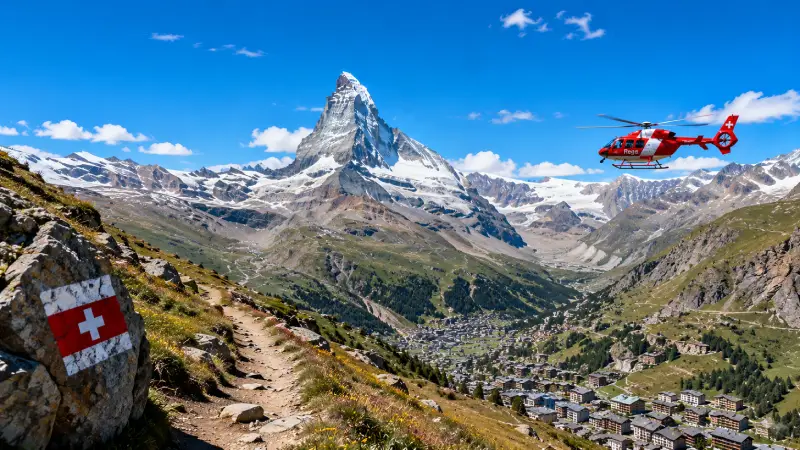
Every single canton in Switzerland is fundamentally safe for tourists. However, the risk profiles change drastically as you move from international financial centers to remote mountain passes.
-
Zurich: The city is incredibly secure, but Zurich Hauptbahnhof (Main Station) is a known hotspot for organized bag snatchers. The Niederdorf nightlife district also sees a spike in petty theft on busy weekends.
-
Geneva: The area immediately surrounding Geneva Cornavin Station and the Lac Léman waterfront requires heightened situational awareness. Always keep your bags zipped and secured to your chair when dining at outdoor lakeside cafes.
-
Basel: Because Basel borders France and Germany, transient pickpockets frequently operate in the city center before slipping back across the border. Basel SBB station is an area where you should never leave your luggage unattended.
-
The Alps (Zermatt, Interlaken, St. Moritz): The real danger here is entirely environmental. Rapid weather shifts, avalanches, and hidden glacier crevasses are deadly realities. Always monitor the Swiss avalanche bulletin and respect trail closure signs.
Before planning any high-altitude excursions or mountain hikes, it is vital to review our Best Time to Visit Switzerland: Weather, Skiing & Hiking Guide to avoid the most treacherous weather windows.
Transportation Safety (Train Etiquette, Night Buses & Mountain Roads)
Public transport in Switzerland is famously punctual, impeccably clean, and exceptionally safe. You will rarely, if ever, feel physically threatened on a Swiss train, even on late-night routes. However, the sheer volume of distracted tourists makes the rail network a prime hunting ground for thieves.
-
SBB Trains: Thieves heavily target luggage racks near the exit doors just seconds before the train departs. Keep your most valuable items on your person rather than in the overhead bins.
-
Mountain Driving: Renting a car is perfectly safe until you attempt the alpine passes. Hairpin turns, sudden fog, and black ice can be deadly for inexperienced drivers. If you lack mountain driving experience, rely on the world-class rail system instead.
-
Taxis and Uber: Both options are highly regulated, heavily vetted, and exceptionally safe. However, Swiss taxis are notoriously expensive, making rideshare apps a slightly better option for predictable pricing.
Tourist Scams (The New Threat: ATM Skimmers, Fake Petitioners & Overcharging)
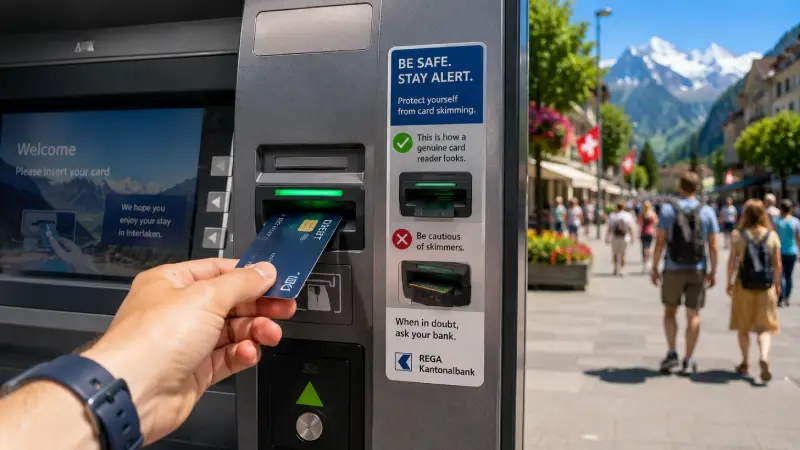
Violent muggings are practically unheard of, but financial deception is a growing industry. Scammers know that tourists visiting Switzerland have high travel budgets, and they use calculated tactics to separate you from your cash.
-
The "Deaf-Mute" Petition Scam: Individuals will approach you with a clipboard asking for signatures and donations for a fabricated charity. While you are distracted reading the board, an unseen accomplice will pick your pocket.
-
Train Station Distractions: A stranger will "accidentally" spill coffee on you or drop a handful of coins at your feet. As they aggressively offer to help clean your jacket, your bags will quietly disappear.
-
ATM Skimming: Criminals frequently attach undetectable skimming devices to ATMs in busy tourist corridors like Lucerne and Interlaken. Always wiggle the green card reader and shield your PIN with your hand.
-
Fake Ticket Inspectors: Scammers dressed in civilian clothes may board regional trains, claim to be inspectors, and demand an "on-the-spot fine" in cash for a supposed ticket error. Real SBB inspectors always carry official ID badges and digital scanning terminals.
Women’s Safety & Solo Travel
Switzerland is universally recognized as of the best and safest destinations in the world for solo female travelers. Street harassment and aggressive catcalling are incredibly rare compared to many other European nations. You can confidently dine alone, hike solo, and navigate public transit at all hours of the night.
The nightlife scenes in Zurich, Geneva, and Lausanne are vibrant and heavily policed. However, standard global safety rules still apply when drinking. Never leave your drink unattended at a bar, and always plan a definitive route back to your hotel before heading out.
Swiss culture heavily respects privacy and personal boundaries. Unwanted attention is strongly frowned upon by locals, who will often intervene if someone is bothering you. If you ever feel unsafe, dial 117; the Swiss police are highly responsive and speak excellent English.
Health, Tap Water & Alpine Hazards
Switzerland boasts some of the purest and cleanest tap water on the planet. You can safely drink directly from almost any public fountain unless it is explicitly marked with a "Kein Trinkwasser" (No Drinking Water) sign. Medical facilities are world-class, but they are astronomically expensive, making comprehensive travel health insurance absolutely mandatory.
The primary health threat in Switzerland is the extreme alpine environment. Altitude sickness is a severe and common risk if you ascend too quickly via cable car to peaks like the Jungfraujoch or Matterhorn Glacier Paradise. You must acclimatize properly, stay hydrated, and descend immediately if you experience dizziness or severe headaches.
Furthermore, sun exposure at high altitudes can cause severe burns, even in the dead of winter. During the summer, ticks carrying Lyme disease and Tick-borne encephalitis (TBE) are prevalent in forested valleys below 1,500 meters. Always perform a full-body check after hiking in grassy areas. Finally, strictly adhere to border regulations to avoid hefty fines; review the Switzerland Airport Customs Rules.
The Ultimate Safety Tool: Staying Connected
Having reliable, high-speed internet access in Switzerland is an absolute necessity for your personal safety. You need immediate access to live train schedules, emergency weather alerts, and GPS maps when navigating remote mountain trails. A dead connection in the Alps can quickly turn a simple wrong turn into a dangerous survival situation.
Need data in Switzerland? Get an eSIM!
Choose the perfect data plan for your trip

Manage your eSIM in the app
Install, top up and track data.
Public Wi-Fi networks in train stations and cafes are notoriously unsecured and prime targets for data hackers. A secure, personal data connection protects your banking apps and digital identity. More importantly, it allows you to instantly contact Rega (Swiss Air-Rescue) or local police if a hike goes wrong.
The safest and most reliable way to stay is by downloading a Switzerland eSIM before you even board your flight. This guarantees you have secure, high-speed data the second you land at Zurich or Geneva Airport. To understand all your connectivity options, read our guide on How to Get Internet in Switzerland: Airport SIMs, Local Options.
Make sure you get the best deal and the strongest network coverage by reviewing our breakdown of the Best eSIM for Switzerland – Compare Coverage, Prices & Swiss Networks.
Official Travel Advisories (Latest Update)
Global governments continually monitor the safety situation across Europe. The diplomatic consensus remains overwhelmingly positive regarding Swiss security. Here is what the major international offices currently advise:
-
United States (State Department): Maintains a "Level 1: Exercise Normal Precautions" advisory, the safest possible rating. They highlight the risk of petty theft in major transit hubs and warn about sudden weather changes in the Alps.
-
United Kingdom (FCDO): Advises standard vigilance for British travelers. They strongly emphasize being cautious with personal belongings on trains and staying informed about avalanche risks during the winter sports season.
-
Canada (Global Affairs Canada): Recommends taking "Normal Security Precautions." They specifically advise travelers to be aware of pickpockets in major cities and to strictly follow local safety guidelines for outdoor adventure sports.
The Verdict: Is Switzerland Safe?
Yes, Switzerland is remarkably safe and securely holds its position as of the most protected destinations for international travelers. The primary risks are entirely manageable if you maintain basic situational awareness and deeply respect the extreme alpine environment. Protect your valuables in transit hubs, prepare for rapid weather shifts, and you will have an incredible, stress-free trip.
-
Secure your bags on trains: Never leave luggage unattended on platforms or place small valuables in overhead train compartments.
-
Respect the Alps: Always check the daily Swiss avalanche bulletins and weather forecasts before heading off-piste or hiking trails.
-
Ignore petitioners: Do not engage with people asking for signatures or charity donations on the street; they are almost always scam artists.
-
Stay digitally secure: Avoid public Wi-Fi networks and use a private eSIM for safe, encrypted data and reliable GPS navigation.
-
Acclimatize slowly: Drink plenty of water and ascend gradually to avoid altitude sickness on high-mountain cable car excursions.
Note: Travel safety situations can change rapidly. This information is accurate as of July. Always exercise street smarts and consult official advisories before your trip.