

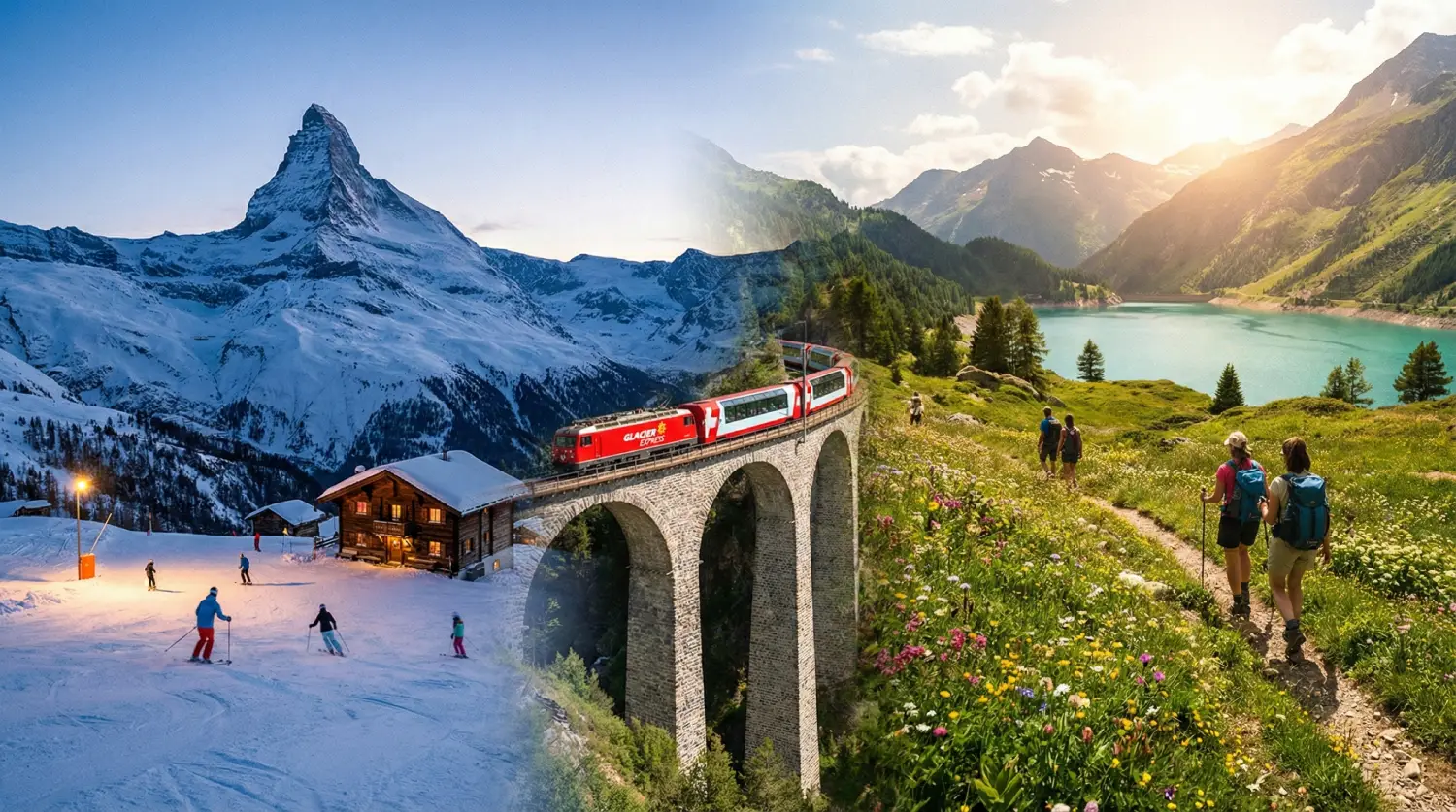

It can be a balmy 25°C (77°F) by Lake Geneva while a blizzard is raging up in Zermatt.
So, when is the actual best time to visit? Are you chasing the powder for skiing? Or do you want to hike the green meadows seen in Heidi? Or perhaps you are trying to visit of the most expensive countries on earth without going bankrupt?
This comprehensive guide breaks down the Swiss calendar month-by-month. We will cover the best seasons for hiking and skiing, the dreaded "mud season" to avoid, and crucial logistics like internet connectivity and customs rules.
The Quick Verdict (TL;DR)
If you don't have time to read the whole guide, here is the cheat sheet:
-
Best for Skiing & Snow Sports: January to February (Reliable snow, cold but cozy).
-
Best for Hiking & Alpine Lakes: July to September (Snow has melted, trails are open).
-
Best for Budget Travelers: November (Pre-Christmas lull) and April (Post-ski season).
-
Best for Scenery & Photography: October (Golden autumn foliage vs. white peaks) and June (Wildflowers).
-
The "Risk" Factor: If you visit in May or November, many cable cars close for maintenance.
Switzerland Weather at a Glance
Switzerland has four distinct seasons, but elevation changes everything. Here is what to expect in the major zones:
Need data in Switzerland? Get an eSIM!
Choose the perfect data plan for your trip

Manage your eSIM in the app
Install, top up and track data.
Winter (December – February)
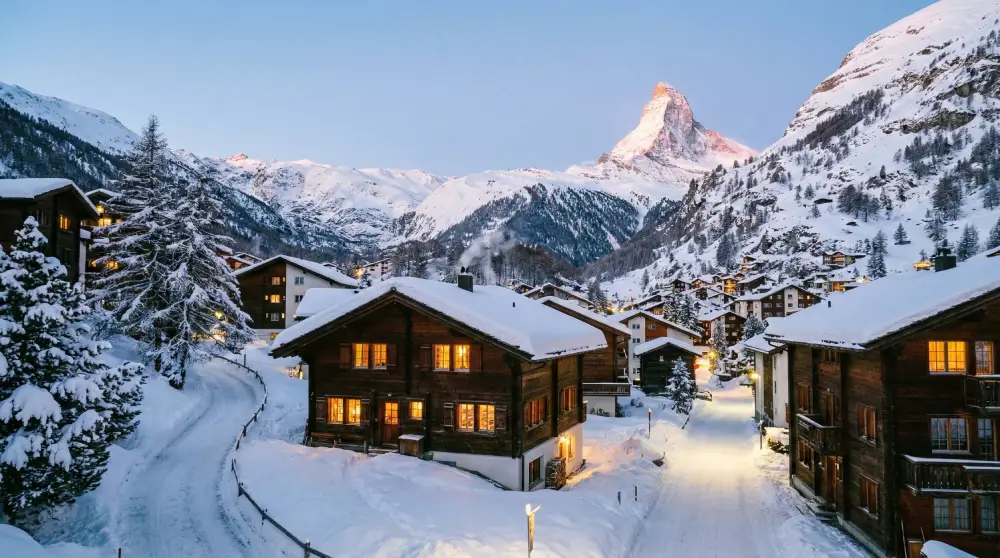
The Vibe: Magic. This is the Switzerland of your imagination. Wooden chalets buried in snow, steaming pots of cheese fondue, and world-class skiing.
Why Visit in Winter?
-
Skiing: Resorts like Zermatt, Verbier, and St. Moritz are in full swing with perfect powder snow.
-
Planning a ski trip? Don't buy your lift pass until you read our Zermatt & St. Moritz Ski Guide 2026: Passes, Safety & Tips. It covers everything from saving money on daily tickets to essential avalanche safety.
-
-
Christmas Markets: Basel and Zurich host some of Europe’s best markets (late Nov to Dec 24).
-
Glacier Express: The famous train ride is arguably most beautiful when the landscape is white.
The Downside
-
Cost: Prices skyrocket, especially over Christmas and February school holidays.
-
Days are Short: It gets dark around 4:30 PM.
📱 Connectivity Alert: If you are heading up the mountain, you need reliable GPS and weather apps. Hotel Wi-Fi doesn't work on the slopes. Before you pack your skis, read our guide on How to Get Internet in Switzerland to decide between Pocket Wi-Fi and eSIMs.
Spring (March – May)
The Vibe: A time of contrasts. The cities are blooming with magnolias and tulips, but the high mountains are in an awkward "in-between" phase.
Why Visit in Spring?
-
Waterfalls: The melting snow makes waterfalls (like Rhine Falls or Lauterbrunnen) incredibly powerful.
-
Budget: Hotels are significantly cheaper in April and May.
-
Flowers: The Tulip Festival in Morges (Lake Geneva) is spectacular in April.
The Downside: "The Mud Season"
In the Alps (above 1500m), it is too warm to ski but too snowy to hike. The snow turns to slush and mud. Many mountain cable cars close for maintenance from mid-April to late May.
✈️ Arrival Tip: Spring is a great time to bring back chocolates and gifts since the weather is cool enough they won't melt! Just make sure you know the limits. Check our Switzerland Airport Customs Rules 2026 guide before you fly.
Summer (June – August)
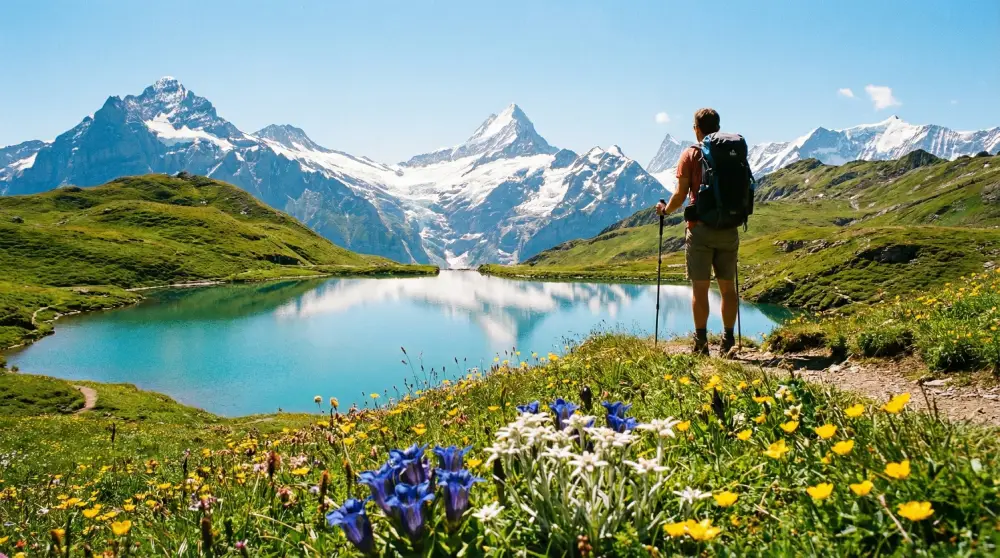
The Vibe: The hills are alive! This is the peak season for outdoor lovers. The cows are up in the high pastures, the lakes are turquoise, and the cities turn into open-air swimming pools.
Why Visit in Summer?
-
Hiking: All high-altitude trails (even those above 2500m) are snow-free and open.
-
Swiss National Day: On August 1st, the whole country celebrates with bonfires, fireworks, and brunches on farms.
-
Swimming: You can float down the Aare River in Bern or swim in Lake Zurich. It’s a unique urban experience.
The Downside
-
Crowds: Interlaken and Lucerne can feel overcrowded with tour buses.
-
Heat: Swiss cities are not built for heatwaves. Most hotels do not have air conditioning.
Autumn (September – November)
The Vibe: For many savvy travelers, this is the real best time to visit. The air is crisp, the visibility is endless, and the food scene comes alive with game meat and wine.
Why Visit in Autumn?
-
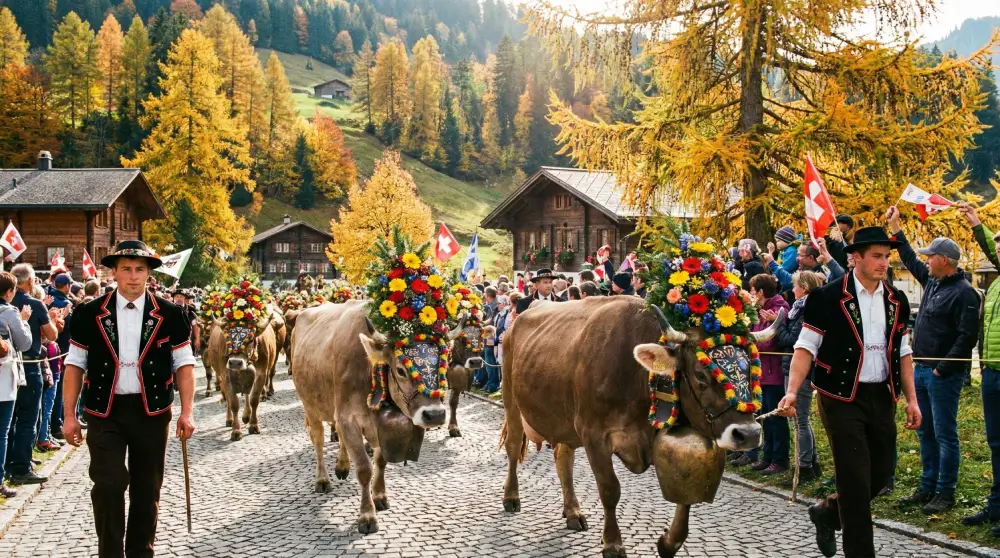
The Cow Parades (Désalpe): In late September/early October, cows descend from the mountains wearing massive flower crowns. It’s a huge cultural festival with music and cheese.
-
Wine Harvest: The Lavaux vineyards (UNESCO site) turn golden yellow. It is the perfect time for wine tasting.
-
Hiking: September offers the clearest views of the Matterhorn.
The "Roaming" Trap
Switzerland is in the heart of Europe, but it is NOT in the EU or EEA. This is where thousands of travelers get burned every autumn. They cross the border from France or Italy, and their "Europe SIM card" stops working—or worse, charges them $10/MB.
⚠️ Don't Get Shocked: Before you cross the border, read our critical guide: Does EU SIM Work in Switzerland?. Spoiler: Usually no, and the roaming bills can be massive.
Month-by-Month Breakdown
January: The Deep Freeze
Post-Christmas calm. Best for serious skiers who want empty slopes. Prices drop slightly after Jan 6th.
February: Peak Ski Season
School holidays mean the slopes are packed. However, it’s also Carnival (Fasnacht) season. The Basler Fasnacht (starting at 4:00 AM!) is a UNESCO-recognized cultural explosion.
March: Sun & Snow
The days get longer. You can ski in the morning in a t-shirt (sunblock needed!) and enjoy a coffee on a terrace.
April: The Transition
Ski resorts close mid-month. Cities like Zurich and Geneva are lovely, but avoid Zermatt or Grindelwald unless you just want to look at the peaks from the village.
May: The Green Explosion
The valleys are lush green. It’s the perfect time for the Grand Train Tour of Switzerland. Just don't plan on high-altitude hiking yet.
June: Summer Begins
The high passes (like Furka and Grimsel) finally open for road trippers. Waterfalls are roaring.
July: The High Season
Jazz Festival in Montreux takes over the Riviera. Everything is open, everything is beautiful, and everything is expensive.
August: The Celebration
August 1st is the big party. By late August, the mornings start to feel crisp.
September: The Hiker's Dream
No school holidays, less crowds, stable weather. If you want to hike the Tour du Mont Blanc or Via Alpina, go now.
October: The Golden Month
The larches turn yellow, contrasting with the white snow on peaks and blue skies. It is a photographer's paradise.
November: The Quiet Month
Grey and foggy in the cities ("Nebell"). Many restaurants in mountain towns close for their own holidays. If you want a cheap city break to visit museums, this is it.
December: Christmas Magic
From early December, the markets open. Geneva's "L'Escalade" festival (chocolate cauldrons!) happens mid-month.
Essential Travel Tip: Staying Connected
Switzerland is not just about nature; it's about efficiency. You need the SBB Mobile App to check train times (which are precise to the minute). You need MeteoSwiss to track rain clouds. You cannot do this without data.
Need data in Switzerland? Get an eSIM!
Choose the perfect data plan for your trip
Manage your eSIM in the app
Install, top up and track data.
Since EU roaming rarely applies here, buying a local solution is smart.
-
Avoid the Airport Queue: Buying a SIM at Zurich airport is expensive and requires passport registration.
-
The Smart Choice: An eSIM allows you to connect instantly upon landing, keep your WhatsApp number, and avoid high roaming fees.
We compared the top networks (Swisscom, Sunrise, Salt) and providers (Roafly, Airalo, Holafly) to help you find the best speed and price. Check out our detailed comparison: Best eSIM for Switzerland – Compare Coverage, Prices & Swiss Networks.
Budget Tips for Your Swiss Trip
-
Get a Travel Pass: The Swiss Travel Pass gives you unlimited trains, boats, and buses. It is expensive but almost always worth it if you move around.
-
Drink Tap Water: Swiss tap water is mineral water. Never buy bottled water; bring a refillable bottle.
-
Picnic with a View: Restaurants are pricey ($30 for a pizza!). Buy fresh bread, Gruyère cheese, and chocolate from a Coop or Migros supermarket and eat by the lake. It’s a better view for a fraction of the cost.
Conclusion
So, when should you go?
-
Go in January/February for the snow.
-
Go in September for the hiking.
-
Go in December for the magic.
No matter when you visit, Switzerland will stun you with its beauty and efficiency. Just remember to pack layers, bring your camera, and most importantly, sort out your internet connection before you fly so you never miss a train connection.
Ready for the Alps? Don't let roaming fees ruin your fondue budget. Grab a Switzerland eSIM today and enjoy seamless 5G connectivity from Zurich to Zermatt.