


Panama City’s unmetered taxis and San Blas trips with separately priced components can also create honest confusion. The useful distinction is whether the seller explains the arrangement clearly and delivers what you agreed to buy.
Start with three questions: Who am I paying, what exactly am I getting, and what is the full total? Our broader safety advice for Panama covers the separate question of where and how to travel safely.
Taxi Fares That Change After You Agree
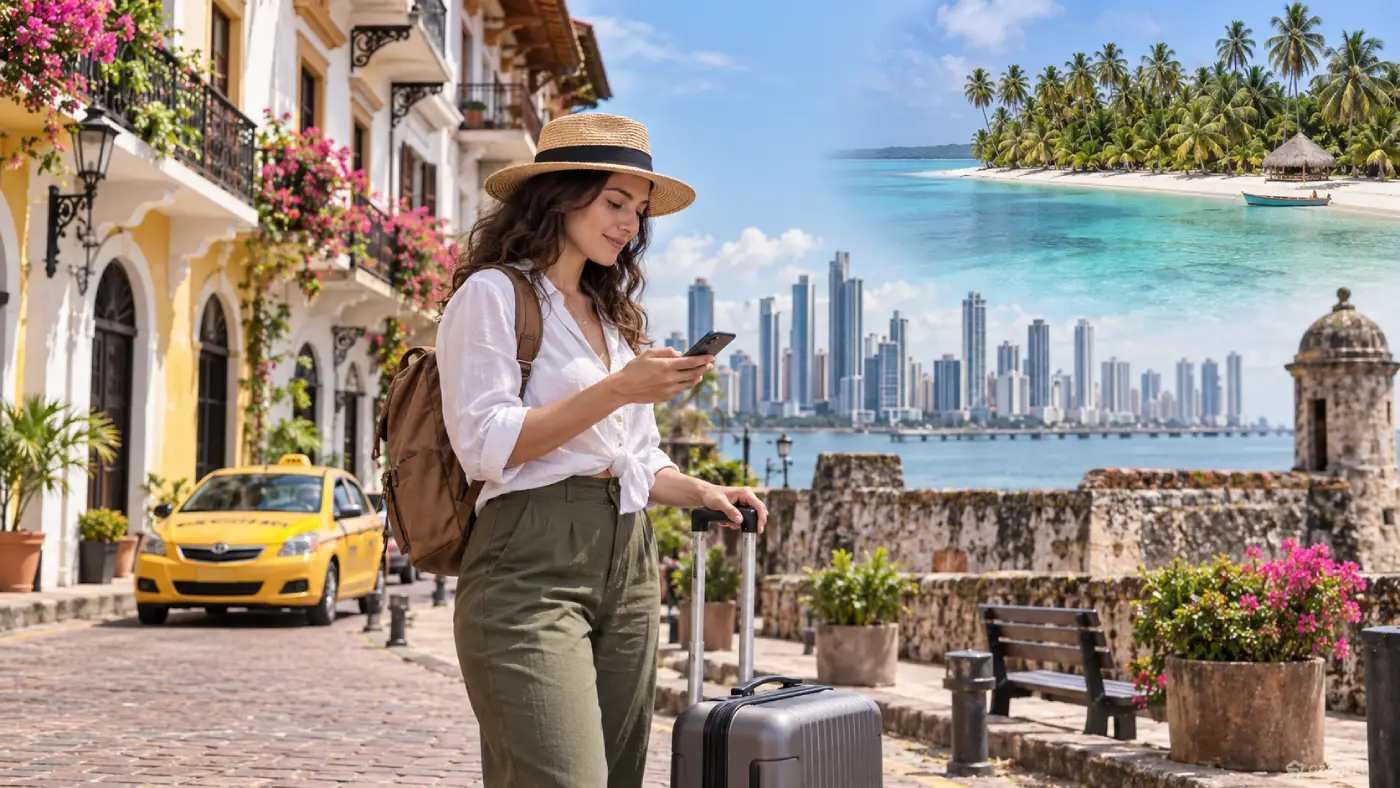
Confirm the total fare to your destination before entering a taxi in Panama City. Registered yellow taxis are unmetered and use zone-based fares, so waiting for a meter reading will not resolve the price.
Make the agreement specific: your destination, the number of passengers, and whether the total includes luggage and any tolls. Ask whether the quoted amount covers the whole party. If the answer remains vague, arrange another ride before loading your bags.
The warning sign is a misleading explanation or an unagreed increase. Simply receiving a higher quote than an app offers does not establish fraud; you may be comparing different services. Local complaints about tourist taxi overcharging make confirming the agreement worthwhile.
Check transport options in Panama before choosing your airport transfer. With an app booking, match the driver and vehicle registration to the details shown before getting in.
Save your hotel address offline. If you need live maps and hotel messages during the transfer, Panama eSIM plans provide a mobile-data option for compatible phones.
Tour and Accommodation Bookings That Don’t Deliver
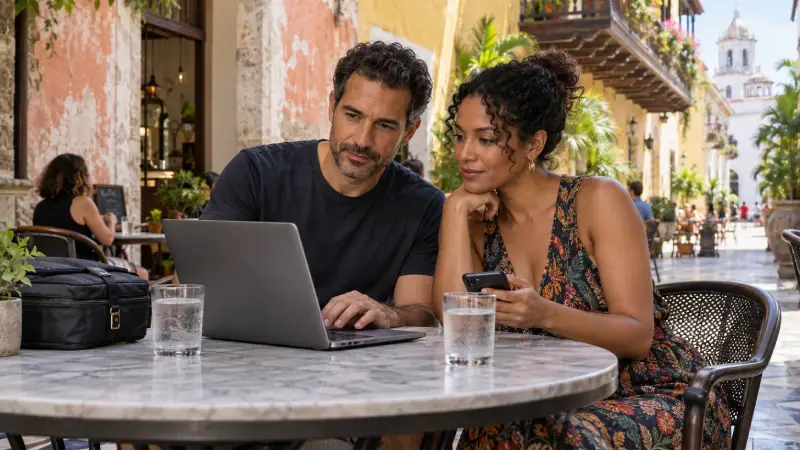
Panama’s tourism and consumer authorities have warned about travel offers involving services not supplied, improper charges and unclear business identities. Their booking-verification guidance supports checking the company before paying, especially when an attractive promotion leads to a request for money.
Payment Taken Without a Confirmed Service
Before sending a deposit, establish the seller’s business name, contact details, physical address and responsibility for the booking. Check those details through a channel you found independently of the advertisement.
If an agency is arranging accommodation, ask the property to confirm that it holds the reservation and what remains payable. Compare the property’s actual location with your itinerary; deciding where to stay in Panama first makes an unsuitable or vaguely described location easier to spot.
Payments requested into a personal account deserve additional scrutiny, particularly when the account holder does not match the business. Pause until the seller explains who receives the money and supplies a clear booking record.
The Panama Tourism Authority’s agency-registration page provides an official contact route for checking an agency’s status. Use the authority’s contact details if the information you need is unavailable.
Promises That Disappear from the Written Booking
Even an identifiable company can sell a package whose written terms fail to reflect its sales pitch. Panama’s consumer authority has described complaints involving verbal perks and promotions absent from contracts.
Get the meaningful promises recorded before paying: the named accommodation, room type, private or shared transport, activities, meals, cancellation terms and any remaining balance. “Everything is included” needs an itemized explanation.
Save the advertisement and the seller’s messages alongside the confirmation. If the salesperson promises something the contract excludes, ask for a corrected document before completing the purchase.
Check your internet options in Panama before departure, and download confirmations so you can read them without a connection.
San Blas and Panama Canal Charges Worth Checking
These two trips illustrate why the contents of an offer matter as much as its headline price.
San Blas: Confirm Each Part of the Trip
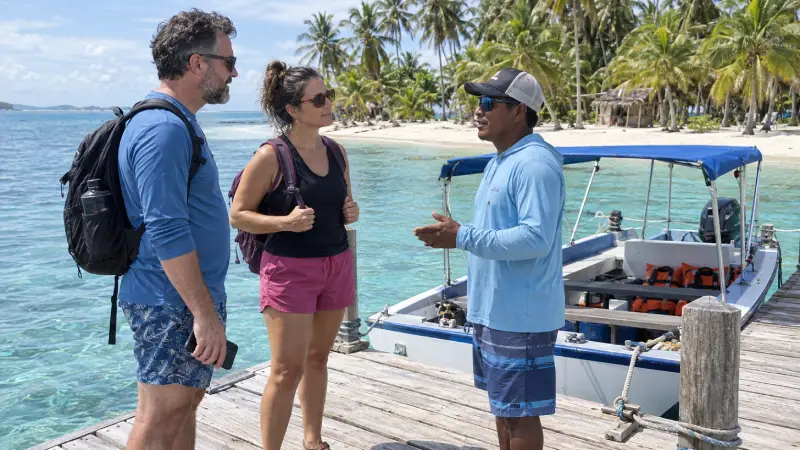
Visiting San Blas, also called Guna Yala, can involve a road transfer, boat transport, island accommodation and community entry charges. Some operators list Guna Yala entry charges separately, so a payment collected outside the main tour price needs checking against the agreed inclusions.
Ask the seller to confirm:
-
Whether the road transfer includes both directions and your hotel pickup.
-
Which boat journeys and island visits are included.
-
The named island and accommodation type for an overnight stay.
-
Which meals and drinks are provided.
-
Which entry charges remain payable, to whom and by what payment method.
We would compare two San Blas offers using their complete trip totals. Otherwise, the cheaper-looking option may simply leave more components unpaid.
Read the cancellation terms too. Rain, a safety cancellation and a service the operator fails to provide can have different consequences under the booking conditions.
Miraflores: Admission and a Guided Excursion Are Different Purchases
The official Miraflores Visitor Center page publishes separate resident and nonresident prices and links to ticket sales.
If you buy a Panama Canal excursion, check whether the quote includes admission, transport and guiding. Compare the admission component with the official ticket information, then decide whether the additional services justify their cost.
Restaurant Tips Presented as Compulsory Charges
Read the bill before approving the payment, especially the line marked propina. During an ordinary restaurant visit in Panama, the tip is voluntary. Acodeco’s guidance on restaurant gratuities says the customer can accept, reject or change the suggested amount.
The problem arises when a suggested tip is quietly included without consent or presented as something you must pay. Ask the server to identify the food and drink subtotal, taxes and gratuity separately. Then request an adjusted bill if the tip does not reflect your choice.
Check whether you have already approved a gratuity before adding another at the payment terminal. Keep the final receipt if you intend to challenge an improper charge.
Prearranged event contracts can contain agreed service terms, so review those separately from an ordinary restaurant bill.
Card and ATM Fraud
Unauthorized card and ATM transactions are a recognized risk in travel advice for Panama. Keep your card in sight during payment and check the terminal amount before approving it.
Use cash machines in secure locations, cover the keypad and stop if the equipment appears altered. If a card is retained, contact the bank through its own app or a number you already trust; do not give a stranger your PIN to “help.”
Review account activity during the trip and after returning home. Report unfamiliar transactions to your card issuer promptly, keeping receipts for comparison. Distinguish an unauthorized purchase from a withdrawal fee you accepted on screen.
Requests for Emergency Money
Urgency can make a plausible story feel like proof. Two different situations call for different responses.
Someone Says They Have Been Robbed or Stranded
If someone approaches you saying they have lost their belongings and need money for travel, take time to check the request independently. You can offer to involve hotel staff or help locate the person’s consulate without lending money.
If the reason for needing cash changes or the person presses you to pay immediately, step back from the conversation.
Someone Contacts Your Family Pretending to Be You
Official travel advice also warns relatives to verify requests to send money to a traveler in Panama. Before leaving, agree that any urgent payment request must be checked through an established contact method.
If your family receives such a message, they should contact you using details they already have. Knowing your name, hotel or itinerary is not enough to authenticate the sender. Verification should happen before the transfer.
Where to Report a Scam or Disputed Charge
If an encounter becomes threatening, prioritize getting to a safe public place and avoid escalating a confrontation. Panama’s National Police lists 104 as its emergency number.
Once you are safe, keep the evidence: receipts, booking confirmations, the seller’s advertisement, messages and payment records. Record the time, location and relevant business or vehicle details without putting yourself at risk.
Use the route that matches the problem:
-
Disputed bills or tourist services: Raise the issue with the business in writing. Seek Acodeco guidance through the government’s 311 service or in person. Keep the fiscal receipt where available, particularly for a disputed restaurant charge.
-
Suspected criminal fraud: Follow the Ministerio Público’s reporting instructions and contact the appropriate prosecutor’s office. Bring a clear account of what happened and the supporting records.
-
Unauthorized card payments: Contact your card issuer immediately through its own channels. Ask about blocking the card, disputing the transaction and the evidence it needs.
Keep copies and reference numbers for each report. Reporting documents the incident; any refund or payment dispute will depend on the circumstances and the relevant process.