

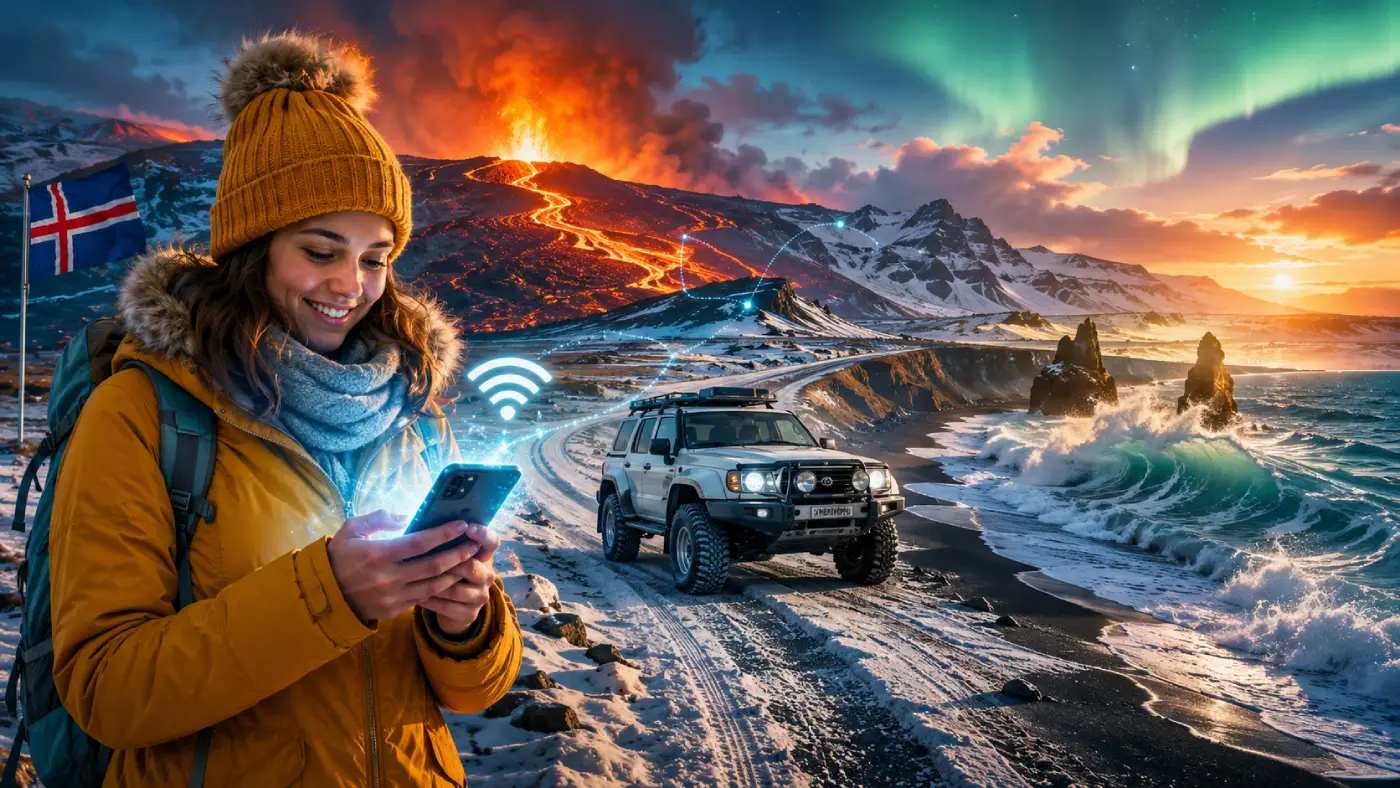

The short answer is an overwhelming yes—Iceland remains of the safest countries on the planet for tourists. However, the nature of the "danger" has shifted in recent years from basic weather hazards to active, recurring volcanic fissures on the Reykjanes Peninsula. You are not going to get mugged, but you could easily wander into an active evacuation zone or get swept away by a rogue ocean wave if you ignore local warnings.
The Current Reality: Crime, Politics, and Eruptions
Iceland routinely tops the Global Peace Index, and violent crime is virtually non-existent. You will not find street gangs, cartels, or political instability disrupting your vacation here. The police, known locally as the Lögreglan, are highly respected, unarmed, and incredibly helpful to lost or stranded tourists. If you want to know what not to pack before dealing with local authorities, review the Iceland Airport Customs Rules: Alcohol, Tobacco, and Food Restrictions.
The biggest headlines in 2026 revolve around the fissure eruptions near the town of Grindavík on the Reykjanes Peninsula. Since 2021, this localized area has seen over a dozen eruptions, fundamentally changing the landscape. However, these are slow-moving lava flows, not the explosive, ash-producing events that shut down European airspace in 2010. Life in Reykjavik and operations at Keflavik Airport continue completely uninterrupted.
Tourists are welcome, but strict compliance with safety barriers is non-negotiable. Approaching closed eruption sites is illegal and incredibly dangerous due to invisible, toxic volcanic gases. For a deep dive into local regulations and cultural faux pas, check out our guide on Iceland Tourist Bans & Laws.
Regional Breakdown: Safe Zones vs. Areas to Avoid
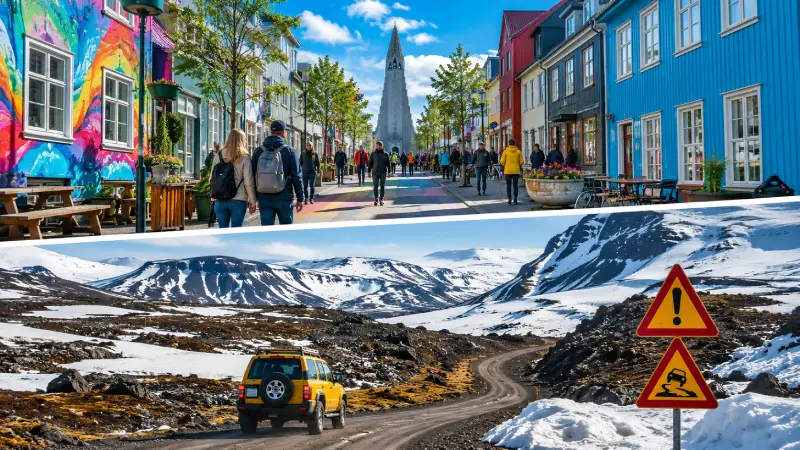
There are no "bad neighborhoods" in Iceland where you need to lock your car doors and speed through. The capital city of Reykjavik is exceptionally safe at all hours, whether you are walking near the Hallgrímskirkja church or grabbing a hot dog downtown at 3:00 AM. The risks in Iceland are purely geographical and environmental.
Totally Safe Zones:
-
Reykjavik & The Golden Circle: The capital and the famous loop (Thingvellir, Geysir, Gullfoss) are heavily trafficked, closely monitored, and entirely safe.
-
The Ring Road (Route 1): The primary highway circling the country is generally safe and well-maintained, though winter conditions require extreme caution.
-
The North & Eastfjords: Areas like Akureyri and Seydisfjordur remain completely untouched by volcanic activity. If you are chasing auroras, you can compare this region's safety and visibility in our Norway vs. Iceland.
Hazard Zones (Exercise Extreme Caution):
-
The Reykjanes Peninsula (Near Grindavík): This is the active volcanic zone. Check the local safety websites daily, as roads to the Blue Lagoon and surrounding areas close instantly during seismic swarms.
-
Reynisfjara Black Sand Beach: Located near Vik, this beach is infamous for deadly "sneaker waves" that surge unexpectedly high up the sand. Never turn your back to the ocean, and never cross the warning ropes.
-
The Highlands (F-Roads): The rugged interior of Iceland is stunning but isolated, requiring a 4x4 vehicle and river-crossing experience. Cell service is spotty, and getting stranded here can be life-threatening.
Transportation Safety
Getting around Iceland is an adventure, but driving here requires a completely different skill set than driving back home. Renting a car or campervan gives you total freedom, but you must constantly monitor the weather and road conditions. High winds can literally rip the doors off your rental car, a mistake that standard insurance will not cover.
Public transportation is incredibly safe but heavily limited outside of the capital area. The Strætó bus system is reliable for getting around Reykjavik, but it is not a practical solution for exploring remote waterfalls or glaciers. There is no Uber or Lyft in Iceland; you must rely on official, regulated taxis, which are very safe but astronomically expensive.
Driving at night in the winter is particularly treacherous due to black ice, blinding snowstorms, and limited daylight. If you are not confident driving in extreme winter conditions, book organized tours with massive Super Jeeps. These professional drivers know the terrain flawlessly and will keep you far away from deadly snowdrifts and hidden crevasses.
Tourist Scams (The New Threat)
Because violent crime is absent, the real threat to your wallet comes from minor financial traps and the sheer cost of the country. Classic street scams like the "bracelet trick" or "fake petitions" simply do not exist in Iceland. Instead, tourists lose money through lack of preparation.
-
The Bottled Water Trap: Convenience stores will happily sell you bottled water for massive markups. This is the exact same glacial spring water that comes out of the tap for free; buying it is a self-imposed scam.
-
Fake Aurora Tours: Be wary of deeply discounted Northern Lights tours heavily promoted on social media by unverified companies. Stick to reputable operators, or you will end up shivering on a dark bus with no expert tracking equipment.
-
Currency Conversion Fees: Iceland is essentially a cashless society, and you will pay for everything from hot dogs to public toilets with a card. Avoid "Dynamic Currency Conversion" at card terminals; always choose to pay in the local currency to avoid terrible exchange rates.
-
Rental Car Damage Claims: Windshield damage from flying gravel on the Ring Road is incredibly common. If you decline the gravel protection insurance, the rental agency will legally and rightfully charge you thousands of dollars for a minor chip.
Women’s Safety & Solo Travel
Iceland is widely considered the best destination in the world for solo female travelers. The country consistently ranks first globally for gender equality, and "machismo" street culture or catcalling is virtually non-existent. Women can confidently hike, dine out, and explore the nightlife alone without the constant hyper-vigilance required in many other nations.
The bar scene in Reykjavik is lively and friendly, but standard common sense still applies. Keep an eye on your drink and have a plan for getting back to your hotel when the bars close in the early morning hours on weekends. The primary danger to solo hikers of any gender is the weather; always log your travel plans with local search and rescue authorities so they know where to look if you go missing.
Dress codes are practical, not performative. High heels and restrictive clothing will make you miserable on icy pavements and muddy trails. Dress in sturdy waterproof layers, wear aggressive hiking boots, and blend in with the pragmatic locals.
Health, Tap Water & Nature
You can—and absolutely should—drink the tap water everywhere in Iceland. It is pure, unchlorinated spring water naturally filtered through lava rocks. Just ensure you run the cold tap for a moment, as the hot water comes directly from geothermal plants and has a distinct sulfur (rotten egg) smell that is perfectly safe for showering but terrible for drinking.
There are no mosquitoes, no ticks, and no dangerous wildlife native to Iceland, making it a health paradise in terms of infectious diseases. The medical system is world-class, with exceptional clinics in Reykjavik and smaller health centers in rural towns. However, emergency evacuations from remote glaciers via helicopter are incredibly expensive, making comprehensive travel insurance mandatory.
The true threat to your health is the extreme and volatile nature. Aside from the localized volcanic eruptions, you must respect the glaciers. Never walk on a glacier or enter an ice cave without a certified guide; the ice is constantly shifting, and hidden crevasses are deadly. Blizzards can cause "whiteout" conditions in minutes, turning a simple hike into a fight for survival.
The Ultimate Safety Tool: Staying Connected
In a country where weather systems can trap you on a mountain pass and volcanic eruptions can instantly close highways, a reliable internet connection is your ultimate lifeline. You need data to receive push notifications from the civil protection authorities and to monitor the live road maps. Do not rely on spotty public Wi-Fi or expensive roaming charges from your home provider.
Need data in Iceland? Get an eSIM!
Choose the perfect data plan for your trip

Manage your eSIM in the app
Install, top up and track data.
Installing an Iceland eSIM immediately connects you to the strongest local networks the second you land at Keflavik Airport. This ensures you can always load GPS routes, translate emergency alerts, and call for help if your rental car slides off an icy road. For a comprehensive breakdown of your connectivity options, read How to Get Internet in Iceland.
With an eSIM, you bypass the hassle of finding a physical SIM card shop and avoid the security risks of public hotspots. To find the perfect data package for your road trip, check out our guide on the Best eSIM for Iceland.
Official Travel Advisories
Global governments unanimously agree that Iceland is an exceptionally safe destination, focusing their warnings entirely on the volatile environment. Here is what the major diplomatic agencies are saying in 2026:
-
United States (State Department): Advises citizens to exercise normal precautions (Level 1). They specifically highlight the need to monitor local news for volcanic activity and extreme weather warnings.
-
United Kingdom (FCDO): Imposes no travel restrictions but strongly warns British nationals about the active eruption zone on the Reykjanes Peninsula. They emphasize strictly obeying all local police cordons and road closures.
-
Canada: Maintains a "normal security precautions" rating. They advise travelers to register their itineraries with the Icelandic search and rescue association and to respect the deadly ocean currents on the southern coast.
The Verdict: Is Iceland Safe?
Yes, Iceland is incredibly safe in 2026, provided you respect the awesome and destructive power of its natural landscape. Violent crime is an anomaly, scams are easily avoided with common sense, and the local authorities are remarkably prepared for geological events. As long as you stay informed, obey the signs, and pack for extreme weather, your Icelandic adventure will be unforgettable for all the right reasons.
-
Don't Mess with the Ocean: Never turn your back on the waves at Reynisfjara or any black sand beach; the sneaker waves are fatal.
-
Respect the Eruption Zones: Do not attempt to bypass police barricades to get a selfie with flowing lava.
-
Check the Weather Obsessively: Download the local safety apps, and check them every morning before starting your car.
-
Drink the Tap Water: Stop wasting money on plastic bottles and enjoy the best tap water in the world.
-
Stay Connected: Use an eSIM to ensure you always have access to live GPS mapping and emergency weather alerts.
Note: Travel safety situations can change rapidly. This information is accurate as of July 2026. Always exercise street smarts and consult official advisories before your trip.