

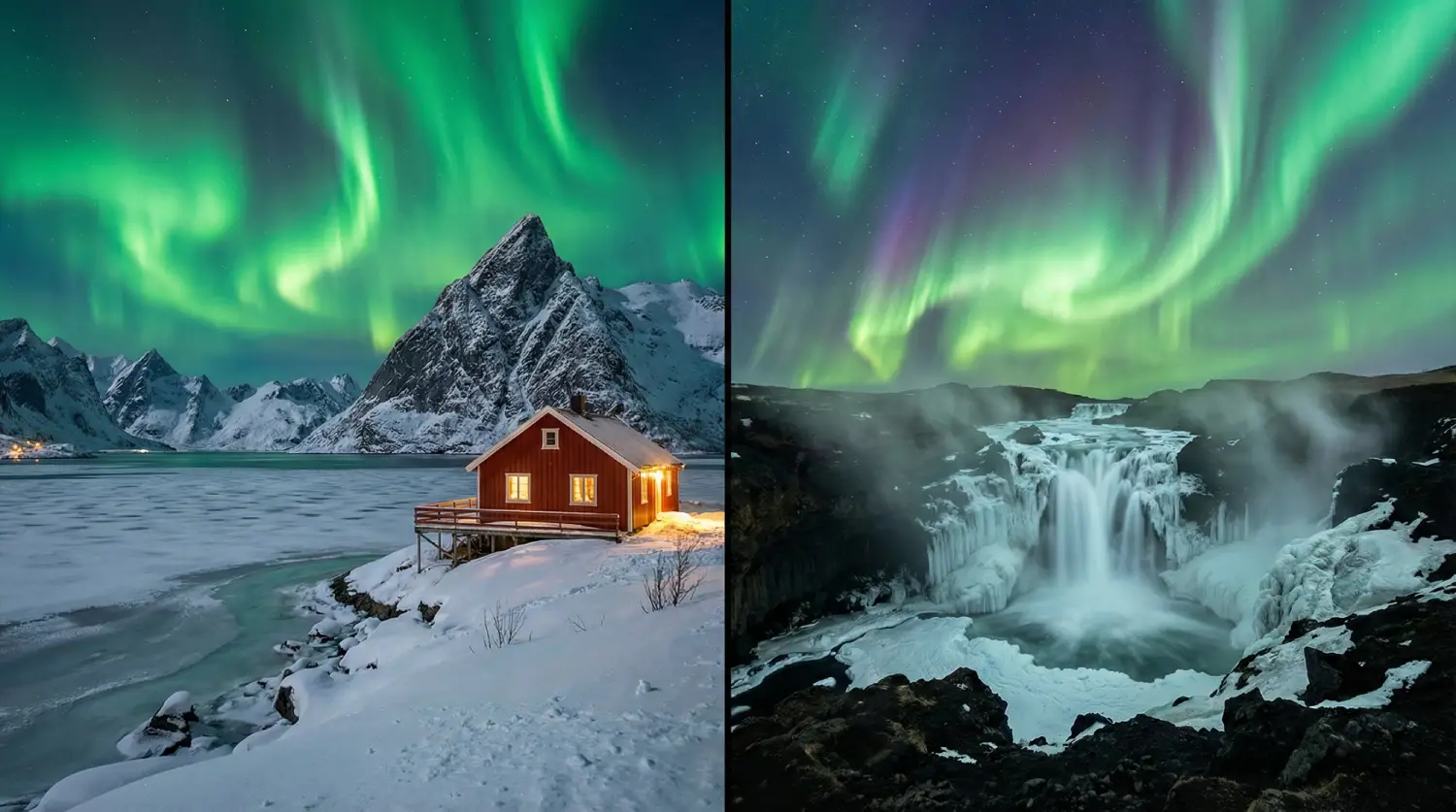

But where should you book your ticket for Winter 2026?
Norway (specifically Northern Norway) and Iceland are the two heavyweights of winter travel. On Instagram, they might look similar—snow, ice, and green lights. But in reality, they offer completely different experiences, logistics, and risks.
Iceland is raw, volcanic, and feels like another planet. Norway is majestic, cultural, and feels like a winter fairy tale.
We scoured travel forums, analyzed meteorological data, and broke down the real costs to help you decide. Here is the honest, deep-dive comparison of the Aurora probability, the activities, the food, and the budget for your Arctic adventure.
1. The Aurora Reality: Probability vs. Luck
Let’s start with the main reason you are going. Where are you actually more likely to see them?
Iceland: The "Island" Gamble
Iceland is an island in the middle of the North Atlantic.
-
The Problem: The weather is notoriously unpredictable. It changes every 15 minutes. You can have high Solar Activity (Kp index), but if the sky is covered in thick clouds (which happens very often due to ocean winds), you won't see anything.
-
The Reality: Many travelers report spending a week in Iceland without seeing the lights simply because of the cloud cover. It is high risk, high reward.
Norway: The "Continental" Advantage
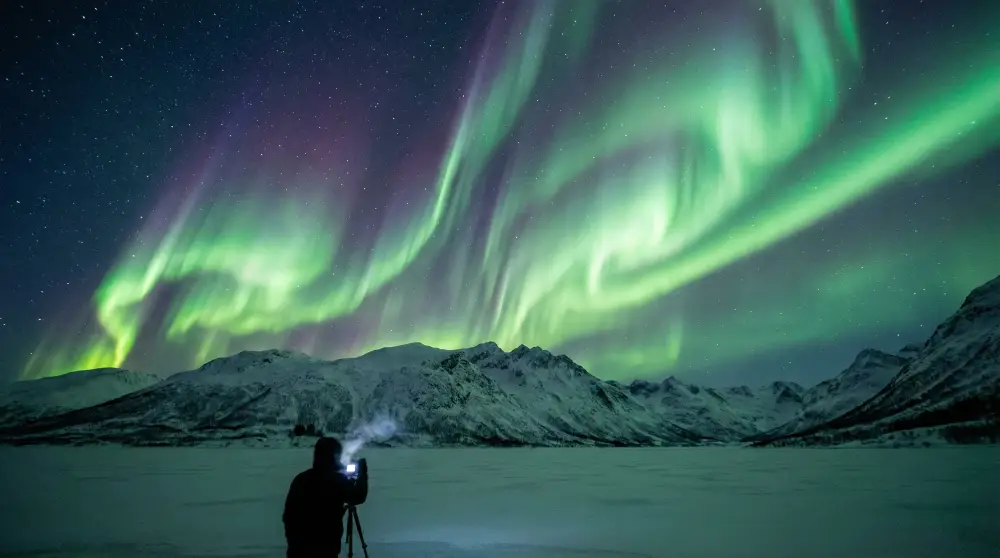
Northern Norway (Tromsø, Alta, Senja) benefits from a stable continental climate and vast landmass.
-
The Chase: In Tromsø, professional guides have a huge advantage. If the coast is cloudy, they drive 2 hours inland towards the Finnish border where the "microclimates" often create clear skies.
-
The Verdict: If your only goal is seeing the lights, Norway statistically offers better odds because you can "drive away" from the clouds more easily than on an island.
2. The Landscape: Alien Earth vs. Frozen Kingdom
What do you want to see when the lights aren't out?
Iceland: "Fire and Ice"
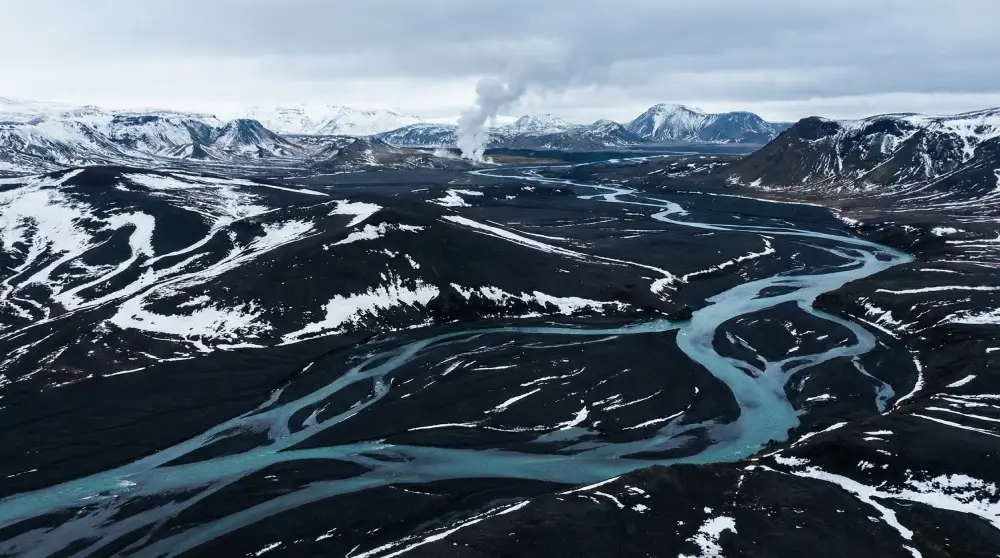
Iceland feels like a sci-fi movie set (Interstellar and Game of Thrones were filmed here).
-
The Vibe: It is volcanic, raw, and treeless. You will see black sand beaches (Reynisfjara), massive waterfalls crashing over cliffs (Skógafoss), and steam rising from the ground.
-
The Highlight: The Ice Caves. Exploring a natural, crystal-blue cave under the Vatnajökull glacier is a-in-a-lifetime experience unique to Iceland.
Norway: " The Vertical World"
Norway is defined by its dramatic geography.
-
The Vibe: Massive, sharp mountains plunge directly into the dark blue sea (Fjords). Unlike Iceland, there are trees, snowy forests, and cozy red fishing cabins (Rorbuer) dotting the coastline.
-
The Highlight: The Fjords. Driving through the Lofoten Islands or sailing through a silent fjord in Tromsø offers scenery that is more "beautiful" in a traditional sense than Iceland’s "rugged" beauty.
3. Activities: Beyond the Lights (What Will You Do?)
You can't stare at the sky 24 hours a day. Here is where the trips differ the most.
Norway: Wildlife & Culture
Norway offers a deeper connection to living Arctic culture.
-
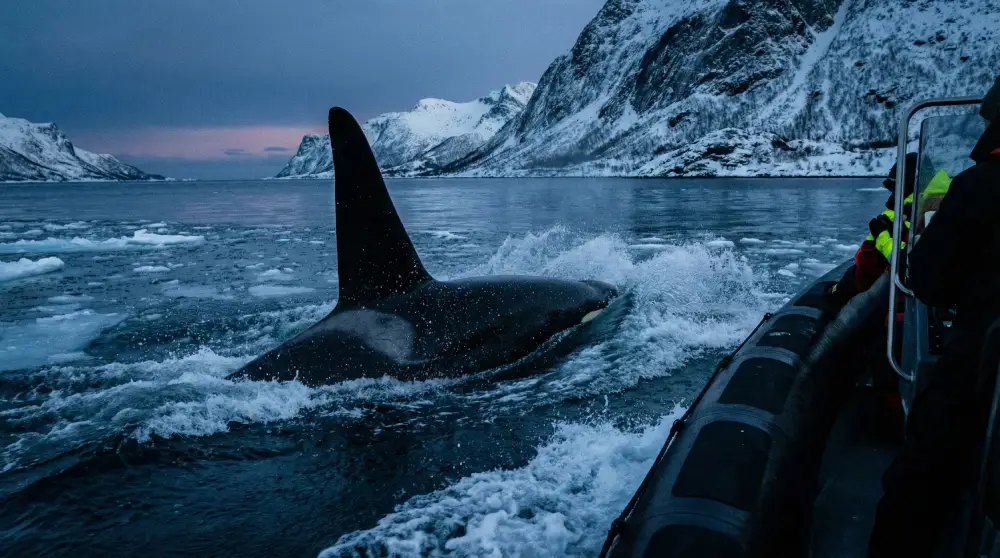
Whale Watching (World Class): This is Norway's ace card. From November to January, hundreds of Orcas and Humpback Whales gather in the fjords (specifically Skjervøy) to feed on herring. You can take a "Silent Whale Watching" electric boat tour. Iceland has whales, but Norway’s winter migration is superior.
-
Dog Sledding (Husky): Mushing through a snowy pine forest in the Lyngen Alps is magical.
-
Sami Culture: You can visit traditional Sami camps, feed reindeer, and listen to "Joik" (traditional songs) inside a Lavvu tent. It adds a rich cultural layer to the trip.
Iceland: Geological Wonders
Iceland is an adventure playground for geology nerds.
-
Geothermal Pools: While Norway has saunas, Iceland has massive outdoor hot springs. The Blue Lagoon is famous, but the Sky Lagoon (oceanfront infinity pool) is the modern favorite. Soaking in 38°C water while it snows on your head is unbeatable.
-
Glacier Hiking: You can strap on crampons and walk on top of a massive glacier.
-
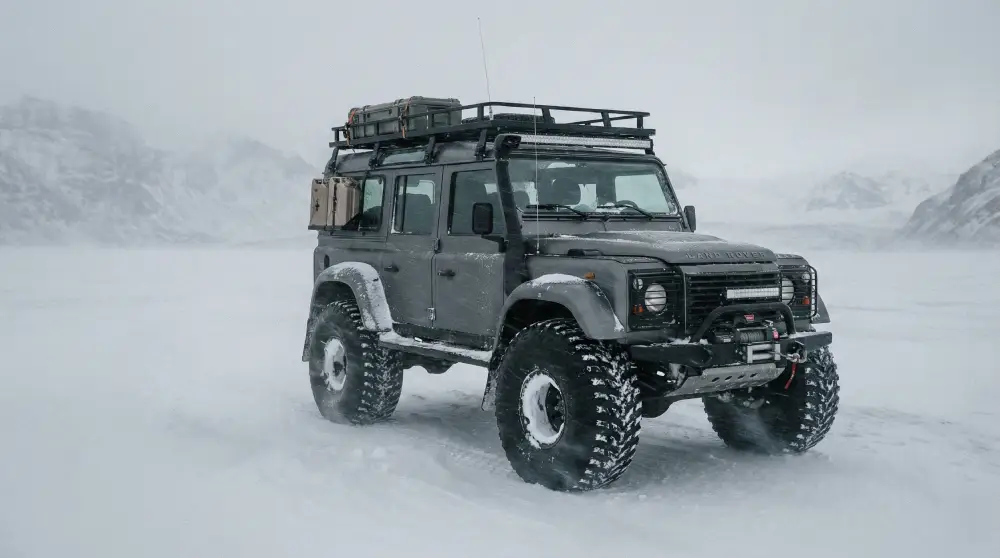
Super Jeep Tours: Due to the rough terrain, touring in a monster truck (Super Jeep) to see waterfalls and highlands is a popular adrenaline activity.
4. The "Crowd" Factor: Overtourism vs. Vastness
-
Iceland: The "Golden Circle" route is extremely popular. Even in winter, you will share the main waterfalls (Gullfoss, Seljalandsfoss) with busloads of tourists. It can feel a bit like a theme park in peak areas.
-
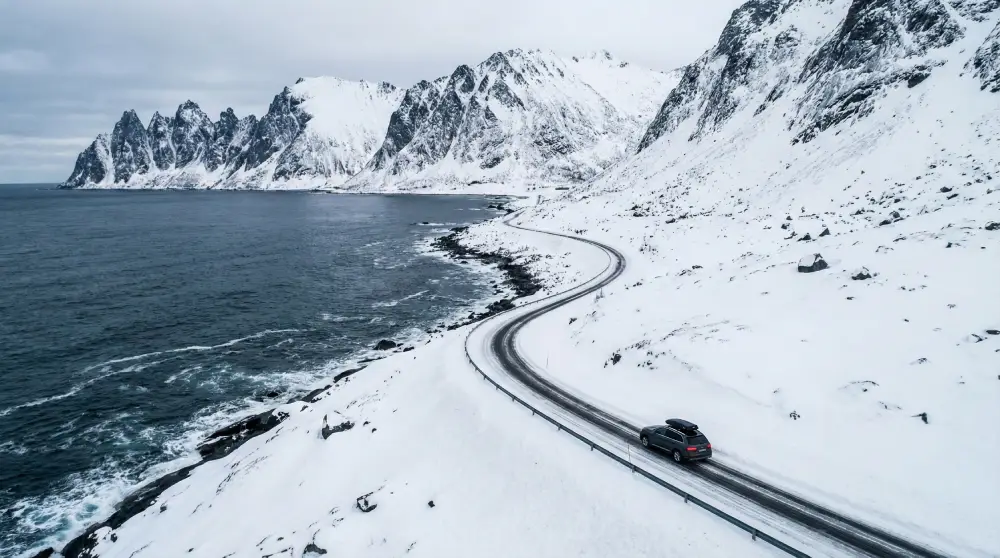
Norway: Tromsø is busy, but Norway is huge. A 30-minute drive out of the city limits, and you are often completely alone with nature. If you go to Senja or Lofoten in winter, it feels much more remote and private.
5. Food & Drink: Waffles vs. Hot Dogs
Don't underestimate the joy of a good meal after freezing for hours.
-
Norway (Seafood King):
-
Must Eat: Skrei (Migratory Arctic Cod) is a winter delicacy. Also, King Crab safaris where you catch and eat fresh crab are incredible.
-
The Cost: Dining out is incredibly expensive. A burger might cost $25.
-
Pro Tip: Alcohol is state-controlled (Vinmonopolet) and very pricey. Buy your duty-free at the airport on arrival!
-
-
Iceland (Unique Flavors):
-
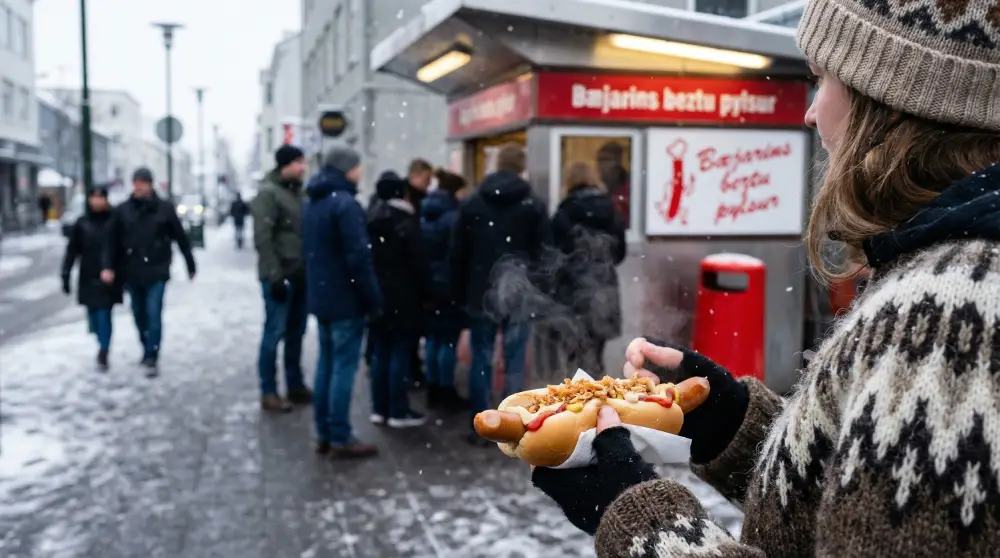
Must Eat: The Icelandic Hot Dog (Pylsur) is famous, cheap, and delicious (made with lamb). For the brave, there is Hákarl (fermented shark).
-
The Soup: Icelandic Lamb Soup (Kjötsúpa) is the ultimate comfort food and is available everywhere for a reasonable price.
-
6. The Cost Breakdown (The Painful Truth)
Neither is a budget destination. Both are among the most expensive countries in the world. But the money goes to different places.
Iceland Expenses
-
Flights: Often cheaper (thanks to budget airlines and stopover programs).
-
Car Rental: EXTREMELY EXPENSIVE. In winter, you need a 4x4. Insurance is mandatory because wind can rip car doors off (yes, really).
-
Tours: Very pricey. An ice cave tour can easily cost $150-$200 per person.
-
Accommodation: High demand means high prices, even for basic guesthouses.
Norway Expenses
-
Flights: Can be pricier to get to the North (requires a connection in Oslo usually).
-
Food & Drink: Significantly more expensive than Iceland. A beer in a bar can cost $12-$15.
-
Car Rental: expensive, but generally slightly cheaper than Iceland's super-jeep demands.
-
Tours: Similar to Iceland, extremely high. Whale watching is ~$150+.
Winner for Budget? Nobody wins here. But Iceland offers slightly more "budget food" options (hot dogs, grocery stores), while Norway hits harder on daily living costs.
7. Safety & Connectivity: The Cold Reality ⚠️
We placed this last, but it is the most critical for your safety. In the Arctic, "disconnecting" is simply not an option.
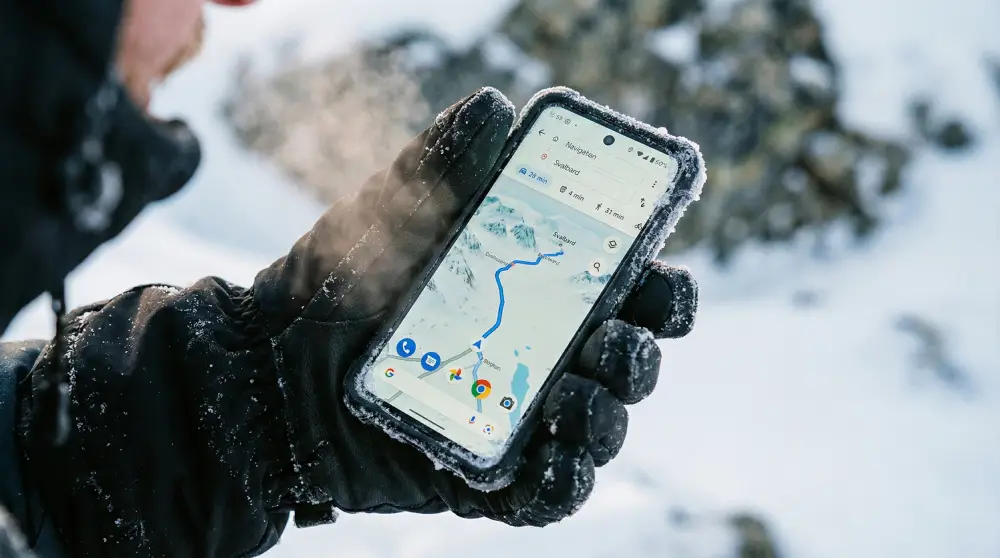
The "Battery Killer" Cold
Temperatures in Northern Norway and inland Iceland often drop to -10°C or -20°C.
-
The Risk: Lithium-ion batteries fail in extreme cold. Your phone can jump from 40% charge to "Dead" in 5 minutes.
-
The Fix: Keep your phone in an inner pocket close to your body heat and always bring a power bank.
Why You Need Data (Not Just Wi-Fi)
-
Driving Safety: In Iceland, checking umferdin.is for real-time road closures is mandatory. In Norway, checking Aurora forecast apps requires data in the middle of nowhere.
-
Emergency Apps: You need to download "112 Iceland" or "Hjelp 113" (Norway). These apps send your GPS location to rescuers if your car gets stuck in a blizzard. They need an active internet connection to work.
The Solution: Don't Swap SIMs in the Snow
Fumbling with tiny plastic SIM cards with frozen fingers is a nightmare. You need a digital solution that connects the moment you land.
For Norway: You will likely drive deep into the fjords or towards the Finnish border where signal can vary. Check out our guide on the Best eSIM for Norway to find the provider with the best Arctic coverage. Ready to go? Get your Norway eSIM here.
Need data in Norway? Get an eSIM!
Choose the perfect data plan for your trip

Manage your eSIM in the app
Install, top up and track data.
For Iceland: Weather alerts save lives here. Ensure you have a reliable Iceland eSIM installed before you pick up your rental car.
Need data in Iceland? Get an eSIM!
Choose the perfect data plan for your trip

Final Verdict: Which for 2026?
Choose Norway if:
-
Your #1 priority is seeing the Northern Lights (better clear sky odds).
-
You want a "Winter Wonderland" vibe with snowy forests and mountains.
-
You want to see Whales.
-
You prefer culture (Sami) over geology.
Choose Iceland if:
-
You want an adventurous "Road Trip" experience.
-
You want to see Ice Caves and relax in Hot Springs.
-
You have a shorter time (4-5 days is enough for a good taste).
-
You love raw, dramatic, volcanic landscapes.
Whichever you choose, the Arctic is magical. Just dress warm, respect the weather, and keep your eyes on the sky! 🌌❄️