



China’s tourist scams can begin with an invitation to practise English, a ride offered outside a station or a cheap sightseeing deal with important costs left out. The useful warning sign is what happens next: someone steers you toward their chosen venue, changes the terms or presses you to pay before you understand the transaction.
Keep control of three decisions: where you go, what you agree to buy and who receives your payment. Speaking English, selling an expensive service or accepting QR payments tells you little on its own.
This guide covers mainland China. Questions about regional risks, policing and the broader trip belong in our China travel safety guide.
Tea House, Bar and Massage Invitations That End in a Large Bill
Near Beijing’s Tiananmen Square and Shanghai’s Bund, East Nanjing Road and People’s Square, be alert to unsolicited invitations that quickly move a conversation into a business. Someone may suggest tea, drinks or a massage, presenting the visit as a friendly local experience.
The trap develops when services arrive without an understood total, followed by an inflated bill and pressure to pay. Some incidents involve threats or card fraud. These are established patterns in the official warning about tea and massage scams.

You can enjoy a tea tasting or meet new people while choosing the venue yourself. Before ordering, establish:
-
Whether the price covers person, pot, tasting or the whole group.
-
Whether additional drinks, snacks or services cost extra.
-
What you are agreeing to pay for, including anything ordered for another person.
Read the quantities on a menu as well as the prices. Ordering drink is different from agreeing to cover an open-ended group bill.
If the conversation becomes an insistence that you visit particular place, decline and continue with your plans. inside a threatening situation, prioritize getting to a safe public place; arguing over the bill or filming people may escalate the encounter.
Art Student and “Art Teacher” Invitations

Gallery invitations use a different sales pitch. Someone introduces themselves as an artist, student or teacher and invites you to see an exhibition. The apparent cultural exchange becomes pressure to buy artwork, sometimes accompanied by questionable claims about its origin.
Some visitors to Beijing’s Wangfujing area describe approaches from people claiming to be art teachers rather than students. Across separate accounts, the useful pattern is the quick move from casual conversation to a specific gallery. The person’s age or occupation claim is not a reliable way to judge the invitation.
Buying a print at an agreed price can be an ordinary souvenir purchase. Misrepresenting its authorship or using intimidation to secure a sale changes the situation.
If you want to buy art, visit a gallery you have selected independently. Ask whether the piece is an original, a print or a reproduction, and have any claim that affects your buying decision recorded on the receipt. You can decline a purchase after looking; an invitation to an exhibition should not become a social obligation to spend.
Taxi and Pedicab Fare Tricks

At airports, railway stations and attraction exits, a person offering an immediate ride may direct you away from the marked taxi queue. Problems can involve an unlicensed vehicle, an unclear fare or a demand that differs from the arrangement made before departure.
Use the official taxi rank or make your own booking through an established ride-hailing service. With an app booking, match the vehicle and plate to your booking before getting in.
In a metered taxi, establish that the meter will be used. With an agreed-price transfer or pedicab ride, write down the destination, total price and whether it covers everyone. Clarify waiting time and stops if they are part of the trip. These distinctions are more useful than assuming every fixed fare is fraudulent.
Keep the receipt, often called a fapiao, or the app’s journey record. Save your hotel’s name and address in Chinese so the destination is clear from the start.
Metro and rail services may also suit your journey; our China transport guide explains the main options. If you intend to use a travel eSIM for booking and route checks, compare the best eSIMs for China before departure, including device compatibility and the data allowance you need.
Cheap Tours With Hidden Charges and Forced Shopping
Look closely at a cheap tour when its advertised price leaves the actual day unclear. The concern is a sightseeing offer that later adds undisclosed payments or pressures passengers into buying at designated shops.
Chinese authorities have documented low-priced tours with hidden payments and forced shopping. The practical response is to make the itinerary and commercial terms visible before you book.
Before booking a Great Wall excursion, get the exact section being visited, transport arrangements, included admission, optional extras and shopping stops in writing. The label “Great Wall tour” is too vague to compare with another offer. Keep the operator’s details, contract and original advertisement together.
Shopping stops should be disclosed before booking, with purchases left to you. Avoid paying a street seller simply because they say the offer is available if you decide immediately.
At attractions, distinguish genuine entry requirements from an intermediary’s sales pitch. The Palace Museum permits foreign visitors to book using a passport and requires the original document used for the booking at entry. The genuine passport requirement still applies if someone outside also offers booking assistance.
Counterfeit Notes and Cash-Switching Claims
Cash-related problems can involve counterfeit change or a genuine note being switched and then presented back as supposedly fake. Keeping a large payment in view matters more than trying to memorize every version of the story.
Carry some smaller RMB notes, particularly for low-value purchases. Count change before leaving, and obtain cash through a bank or another established exchange channel.
If someone repeatedly rejects your payment, pause rather than handing over more notes while the transaction becomes confused. Keep track of which note is yours and seek help from staff or the relevant service provider without accusing someone on appearance alone.
Cash remains a useful backup when a payment app or foreign card does not work. Payment failure alone is no reason to suspect the business of deception.
QR Payment Requests, Phishing and Card Misuse
Scanning QR codes is part of ordinary life in China. The important distinction is between opening the expected payment or service page and being diverted into an unrelated request for credentials, personal details or money.
Before authorizing payment, review the amount and recipient shown on your screen. If the recipient seems unrelated to the business, ask staff to explain it. If an unexpected message or QR link claims to come from a booking or payment service, open the service independently through its usual app instead.
When a Scan Leads to a Login or Download
Pause if a simple purchase unexpectedly requires a banking password, a verification code shared with another person or an unfamiliar app download. Inspect the destination of the link and establish why the information is needed.
Avoid installing a separate QR scanner just because a stranger recommends it. Use your phone’s built-in scanner or the relevant payment app for its intended task.
Set up your chosen payment apps and connection before departure. Our guide to getting internet in China explains the connectivity options for accessing bookings and services during the trip.
Card Payments and ATMs
Keep your card in sight during a transaction and review the amount before approving it. At an ATM, use a machine inside a bank or established business, shield your PIN and avoid equipment that appears altered.
If an unfamiliar transaction appears, contact the bank through your banking app or a number you already trust. Preserve the transaction record and explain what happened accurately, including whether you approved the payment under pressure or did not authorize it at all.
Calls Claiming to Be the Police or Your Embassy
Foreign visitors have received calls alleging involvement in identity theft or money laundering and demanding a transfer to resolve the matter. Scammers have also impersonated embassy and consular phone numbers.
Caller ID can appear official without proving who is on the line. End the call and contact the organization through an independently obtained number. Do not transfer money, reveal account credentials or continue through a website supplied by the caller.
Keep this separate from genuine identification requirements during your trip. Hotels, transport providers, attractions and police may have legitimate reasons to inspect your documents. Our guide to China’s tourist rules and ID requirements covers the wider obligations; a threatening phone demand for a transfer needs independent verification.
What to Do If You Have Been Scammed
Get to a safe public place before trying to recover money. If you are threatened, prevented from leaving or need urgent police assistance in mainland China, call 110.
Once you are safe:
-
Preserve the details. Keep receipts, payment records, messages, booking confirmations and the venue’s name and address. Note a vehicle plate or journey reference if relevant.
-
Report the incident. Contact local police and request a police report. Describe the deception, threats or unauthorized transaction clearly.
-
Contact your payment provider. Use its own app or an independently obtained number. Ask what evidence and deadlines apply to your case.
In Beijing, the 12345 Citizen Service Hotline handles non-emergency questions and complaints and offers English service. It can direct an issue to the responsible authority; it is separate from the police emergency number.
Reporting preserves a record and gives the relevant organizations a chance to investigate. Whether money can be recovered depends on the circumstances and payment provider’s process.
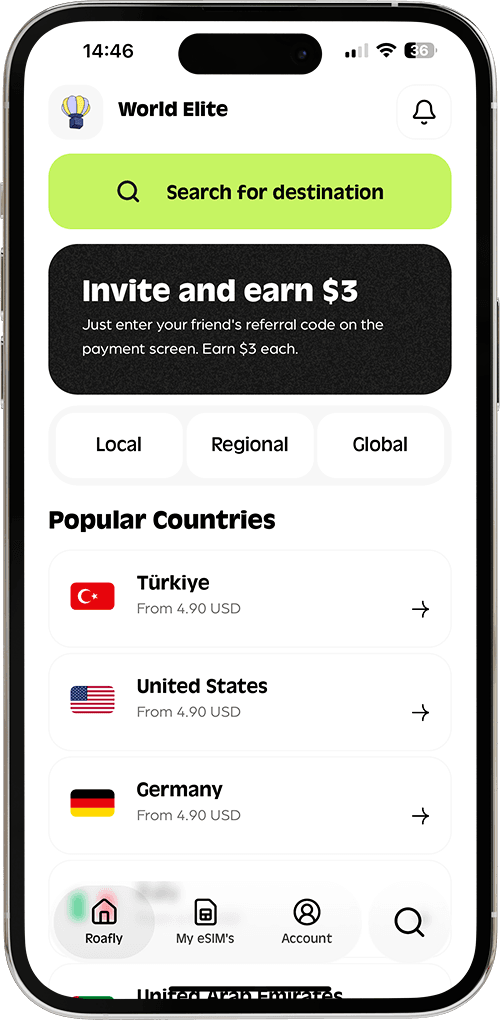
Keep a way to make calls as well as access the internet. Roafly’s China eSIM is data-only and does not include a phone number or ordinary voice calls. If you cannot place a necessary call, ask your hotel reception or another staffed service point to help you contact the appropriate authority.