Download the App and manage your eSIMs easily
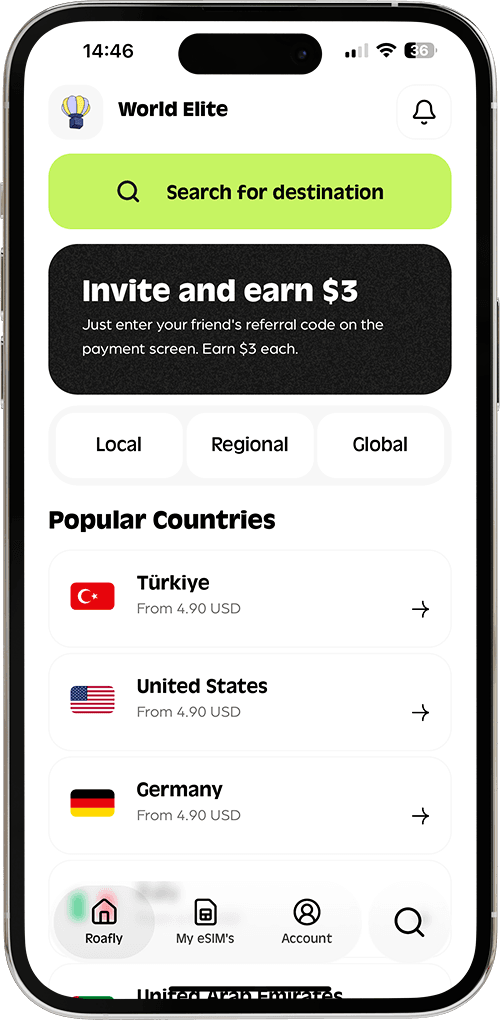
Create your order quickly
See your eSIM details
Track your remaining data
Download the App and manage your eSIMs easily
Create your order quickly
See your eSIM details
Track your remaining data
Choosing the best time to visit Indonesia isn't just about chasing clear blue skies and endless sunshine. With over 17,000 islands spanning the equator, finding your perfect window means matching your personal travel style to the country's diverse tropical rhythms. Balancing weather patterns, regional microclimates, and cultural festivals ensures you catch this archipelago at its absolute finest.
Smartfren, Telkomsel, XL, Indosat
Instant delivery
From 3.90 USD

Sophie Callahan
Updated May 17, 2026
9 min read

Best for most trips
Smartfren, Telkomsel, XL, Indosat

Indonesia
10 GB · 30 days
Enough for maps, bookings and everyday travel.
Hotspot supported
$14.00
From 3.90 USD
Navigating a country as massive as Indonesia requires a strategic approach to timing. While the weather varies across different island groups, a few general ground rules can help you lock in your ideal itinerary. Before heading out, understanding the general safety landscape by reading our Is Indonesia Safe to Visit can save you a lot of hassle.
Here is the quick breakdown of what you need to know:
Best Months for First-Timers: July to August offers the most consistent dry weather across popular islands like Bali, Java, and Lombok.
Best Months for Budget Travelers: April, May, and September provide a sweet spot of excellent weather, significantly lower accommodation rates, and fewer crowds.
Best Months to Avoid Peak Crowds: January and February see the heaviest rainfall, resulting in empty beaches and the absolute lowest prices of the year.
Indonesia does not experience traditional four-season cycles, instead transitioning between the dry monsoon and the wet monsoon. Understanding these shifts helps you pack correctly and manage your daily expectations.
| Season (Months) | Typical Conditions | Crowds | Costs | Best For |
| Dry Season (May – September) | Sunny, low humidity, clear skies, and warm sea temperatures. | High (Peak in July & August) | Premium rates for hotels and flights. | Island hopping, hiking volcanoes, diving, and surfing. |
| Shoulder Season (April & October) | Transitional weather, occasional brief showers, mixed sun. | Moderate | Fair prices with good room availability. | Flexible itineraries and crowd-free sightseeing. |
| Wet Season (November – March) | Frequent heavy downpours, high humidity, choppy seas. | Low (Except Christmas holidays) | Budget-friendly deals and heavily discounted tours. | Cultural temples, spa retreats, and lush green photography. |
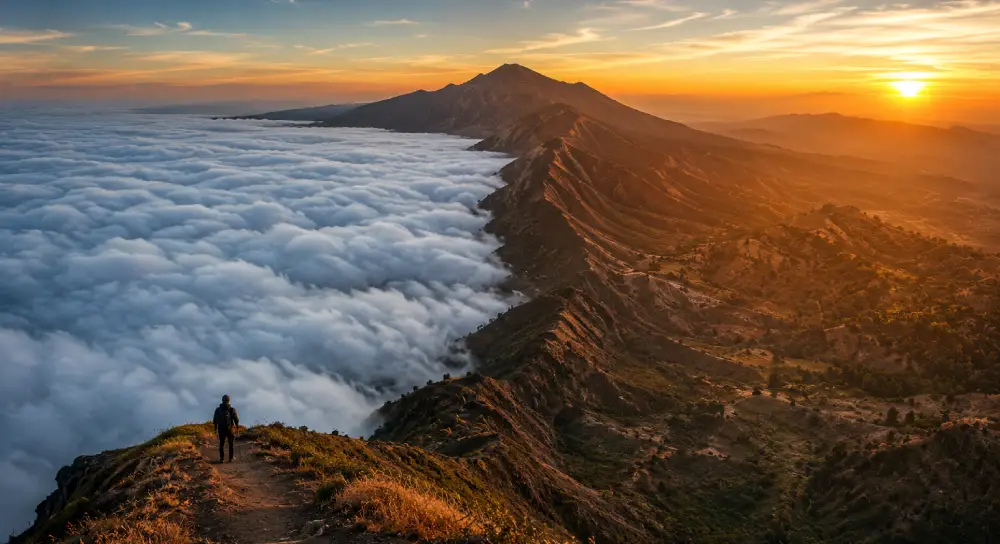
Because Indonesia stretches across thousands of miles, its weather patterns are not entirely uniform. A sunny day on one island group could mean a torrential downpour on another due to distinct geographical barriers.
This region follows the classic Indonesian weather pattern perfectly. The dry season runs strictly from May to September, bringing cool evening breezes and perfect beach conditions. If you choose to visit during the wet winter months, expect sudden afternoon downpours that clear up within an hour or two.
Java aligns closely with Bali, featuring dry, sunny conditions from June to September which make volcano trekking safe and accessible. Sumatra, however, is much more unpredictable due to its dense rainforests and rugged mountains. Northern Sumatra experiences a unique dual-peak rainy season, making January and February your safest bet for dry weather there.
Sulawesi acts as a weather transition zone, where the south mirrors Bali but the north experiences rain almost year-round. The Maluku Islands completely flip the script with an inverted weather cycle. In Maluku, the wet season peaks between May and August, meaning you should visit from November to March for dry skies and calm diving waters.
These massive, wild regions are heavily dominated by equatorial rainforest climates. Heavy rainfall can happen during any month of the year, though August and September generally offer the briefest showers. Trekking into the deep jungles of Papua requires flexible planning around these sudden downpours.
January: This is the peak of the wet season for Bali and Java, offering empty resorts alongside muddy hiking trails.
February: Heavy downpours continue across the central islands, but northern Sumatra and Maluku enjoy relatively dry, pleasant conditions.
March: The weather begins to transition with fewer rainy days, though major regional holidays completely alter the travel dynamics.
April: Marked as a fantastic shoulder month, April features clearing skies, bright green landscapes, and highly competitive prices.
May: The dry season officially kicks into high gear across most islands, presenting excellent conditions without peak-summer crowds.
June: Ideal for outdoor adventurers, June offers crisp blue skies, cool evening temperatures, and perfect sailing waters.
July: Peak tourist season arrives, causing hotel rates to skyrocket while providing flawless, rain-free beach days.
August: Crowds remain high as global travelers flock to Bali, making advanced bookings absolutely essential for survival.
September: A spectacular hidden gem of a month, September retains the beautiful dry weather while crowds thin out dramatically.
October: The rainy season begins its gradual return, resulting in increased humidity and occasional refreshing afternoon showers.
November: Rough seas and frequent rains discourage offshore boat transfers, shifting the focus to indoor cultural activities.
December: Holiday crowds create a brief holiday price spike in mid-island hotspots, despite the highly consistent daily rainfall.
To guarantee postcard-perfect beach days, aim your trip between June and August. Islands like the Gilis, Nusa Penida, and Bali boast endless sunshine and minimal humidity during this window. The crystal-clear waters during these months create ideal conditions for swimming and lounging.
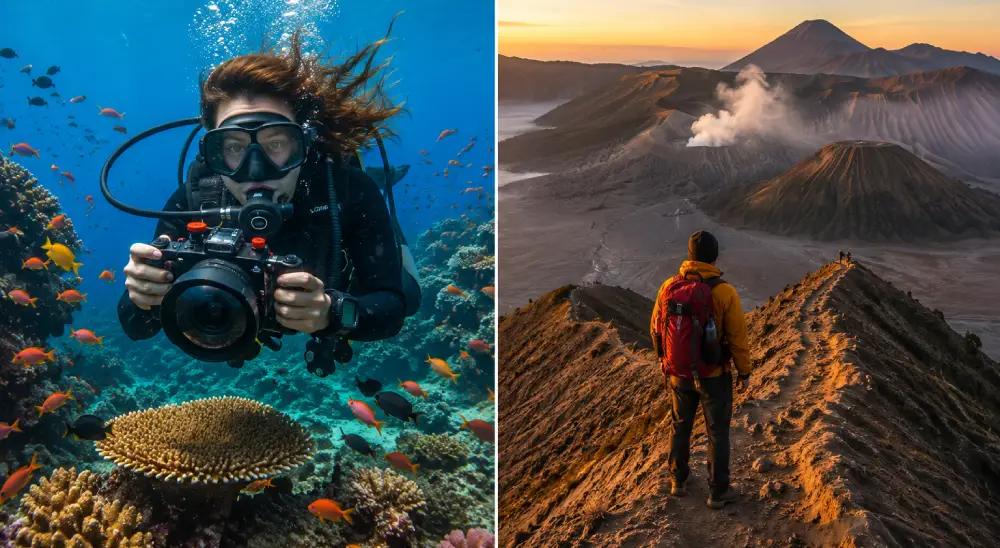
Climbing iconic peaks like Mount Bromo, Mount Rinjani, or Mount Ijen requires dry, stable ground. The safest and most rewarding window is from July to September when trail visibility is high. Attempting these climbs in the wet season is dangerous due to frequent landslides and thick, blinding fog.
Diving conditions depend heavily on underwater visibility and sea currents. For Komodo National Park and Bali, May to September offers breathtaking clarity and calm seas. If your heart is set on Raja Ampat, you must visit between October and April to avoid the fierce summer monsoons.
Traveling during the shoulder months of April and September stretches your wallet the furthest. You will unlock massive discounts on boutique villas and private transport without sacrificing good weather. Airline tickets to major hubs like Jakarta and Denpasar also drop significantly during these periods.
Seeing wild orangutans in the dense jungles of Borneo or Sumatra requires dry trails. Plan your wildlife safaris between June and September to maximize your chances of seeing them forage. The dry paths make trekking deeper into national parks far more manageable.
Before booking your flights, you must look at how major cultural events completely reshape local logistics. In 2026, Indonesia experienced an unprecedented overlap of its two most influential holidays. Being aware of local legislation during these times is vital, so review the Indonesia Tourist Bans & Laws guide before finalizing your dates.
Mid-March of 2026 presented a highly unique situation for travelers across the archipelago. On March 19, 2026, Bali observed Nyepi, the famous Hindu Day of Silence. During this 24-hour period, the entire island shuts down completely, including the international airport, meaning no one can leave their hotel or turn on outdoor lights.
Simultaneously, the massive Muslim holiday of Eid al-Fitr (Lebaran) took place right after on March 20-21, 2026. This holiday triggers a monumental mass migration called mudik, where millions of citizens travel home across Java and Sumatra. Expect fully booked trains, jammed highways, and closed local businesses during this specific week.
National pride takes center stage every year on August 17. Local communities host vibrant street parades, traditional games, and neighborhood festivals. While it adds incredible cultural color to your trip, it also increases domestic travel crowds at major tourist landmarks.
Landing in a new country without a working internet connection turns simple tasks into stressful challenges. You will need immediate data to check live boat schedules, navigate scooters through chaotic traffic, and look up translations. Making sure you understand airport procedures alongside internet setup is key, which you can read about in our Indonesia Airport Customs Rules guide.
Relying solely on unstable airport networks or hunting down physical SIM card stalls after a long flight is exhausting. Setting up an electronic SIM before you depart is by far the most streamlined solution for modern travelers. To find the best rates and cellular networks for your trip, take a look at our comprehensive breakdown on the Best eSIM for Indonesia.
For a complete look at all your connectivity paths, explore How to Get Internet in Indonesia. A reliable Indonesia eSIM ensures you stay connected from the second your plane touches down on the tarmac.
February and November are generally the cheapest months due to the heavy monsoon rains keeping global tourism numbers low. Hotels and airlines drop prices dramatically to attract flexible travelers.
The rainy monsoon season in Bali officially runs from November to March. The heaviest downpours usually concentrate around January, often falling in short, intense bursts during the afternoon.
Yes, the wet season is excellent for exploring ancient temples, visiting luxury spas, and enjoying lush, green landscapes. However, you should avoid planning major volcano treks or remote boat transfers during this time.
The optimal time to visit Komodo National Park is between April and December. If you want to see them active and mating, schedule your boat tour between July and August.
During Ramadan, many local restaurants outside of tourist enclaves close during daylight hours. Travel demand peaks drastically at the end of the holy month for the Lebaran holiday celebrations.
The premier surfing window along the western coasts of Bali, Java, and Sumatra is from May to September. This period delivers consistent, world-class swells driven by the dry winter monsoons.
No, July is generally a poor month for Raja Ampat due to strong winds and rough seas caused by the regional monsoon change. The prime diving season there runs from October through April.
Best for most trips
Smartfren, Telkomsel, XL, Indosat
Indonesia
10 GB · 30 days
Enough for maps, bookings and everyday travel.
Hotspot supported
$14.00
From 3.90 USD
Choose the perfect data plan for your trip

Manage your eSIM in the app
Install, top up and track data.
