


-
Best Overall for First-Timers: May, June, September, and October offer the absolute best balance of mild weather and manageable crowds.
-
Best for Budget Travelers: November through February (excluding the ski resorts) sees a sharp drop in hotel prices and airfare.
-
Best to Avoid Peak Crowds: Late April and late October offer pleasant sightseeing conditions right before and after the heavy tourist waves.
Azerbaijan by Season: What You Really Get
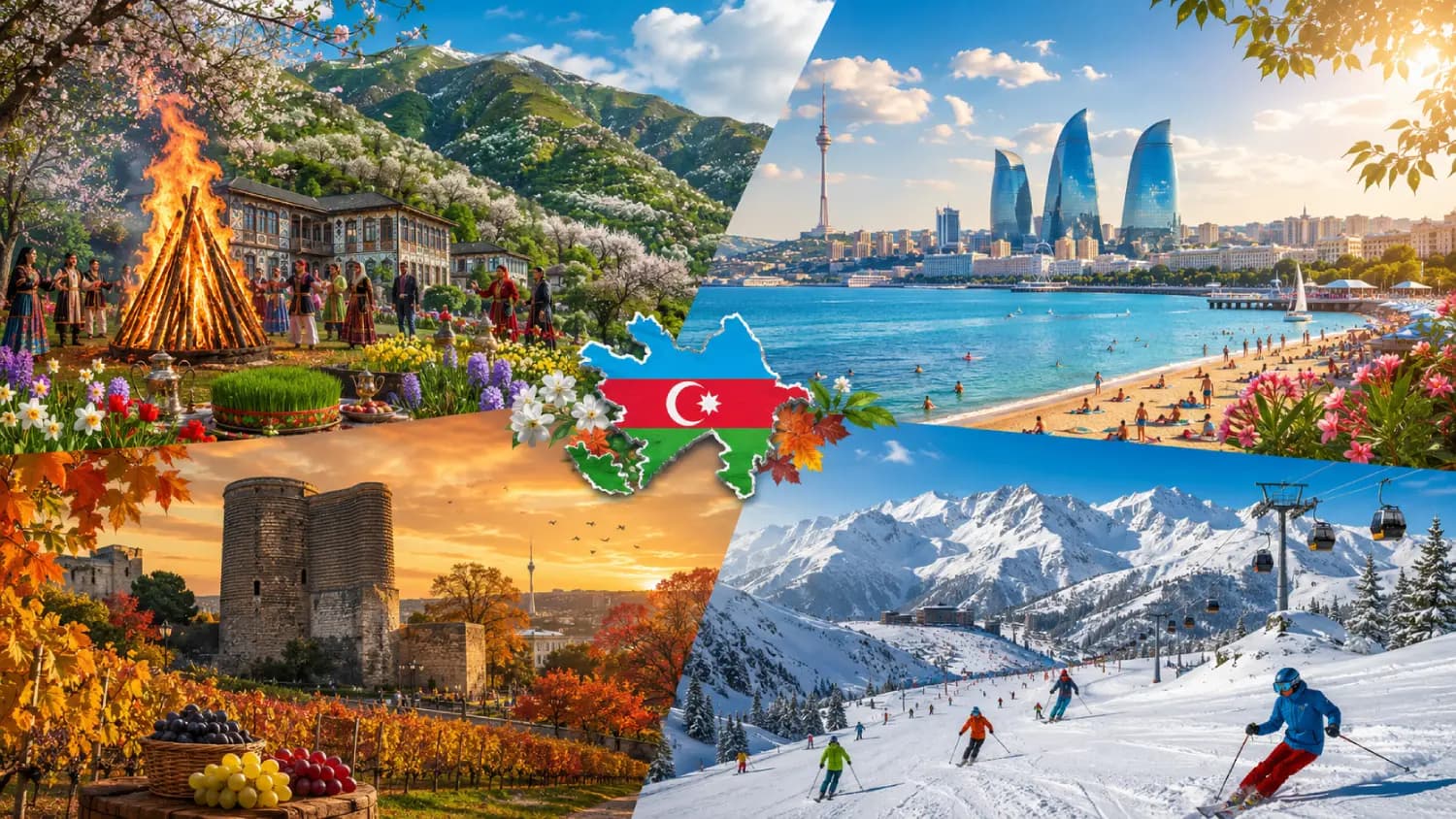
Azerbaijan is famously known as the "Land of Fire," but its seasons offer wild contrasts that can completely reshape your trip. Because the country spans nine different climate zones, you can experience everything from subtropical humidity to alpine freezing temperatures within a few hours. Understanding these seasonal shifts is the key to packing correctly and avoiding unexpected surprises.
| Season (Months) | Typical Conditions | Crowds | Costs | Best For |
| Spring (Mar - May) | Warming fast, vibrant green landscapes, occasional showers | Moderate | Medium | City exploration, Novruz festivities, hiking in the foothills |
| Summer (Jun - Aug) | Hot and dry in Baku, pleasant in the mountains | High | High | High-altitude trekking, Caspian Sea beach resorts, vibrant nightlife |
| Autumn (Sep - Nov) | Cooling temperatures, crisp air, gorgeous autumn foliage | Moderate | Medium | Wine tasting, photography, comfortable sightseeing without the heat |
| Winter (Dec - Feb) | Cold, windy in Baku, heavy snow in the Caucasus | Low (except ski resorts) | Low | Skiing in Shahdag, budget city breaks, enjoying traditional tea |
Regional Differences (Microclimates & Geography)
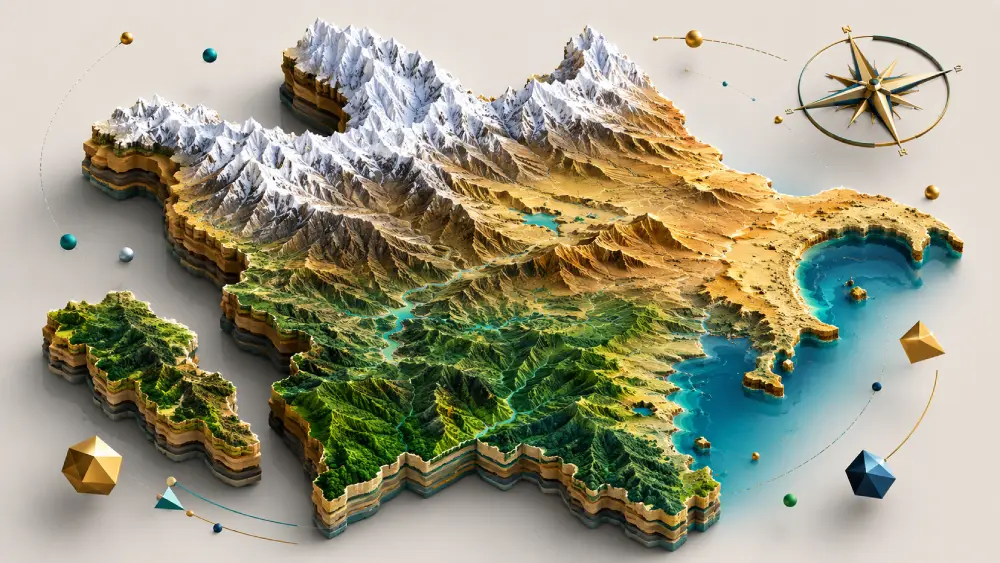
Do not make the mistake of thinking Baku’s weather applies to the rest of the country. Azerbaijan’s geography forces massive temperature variations between the coastal areas and the inland mountain ranges.
Baku & The Absheron Peninsula (The Windy Coast)
Baku sits right on the Caspian Sea and is famously known as the "City of Winds." Summers here are sweltering, with July and August pushing past 35C, making the sea breeze your relief. Winter is relatively mild but feels incredibly biting due to the strong, relentless northern winds that whip through the city streets.
The Greater Caucasus (Shahdag, Quba, Gabala)
If you are escaping the summer heat, the northern mountains are your sanctuary. June to August offers brilliantly crisp air and sunny days, perfect for hiking to remote highland villages. winter hits in December, this entire region transforms into a premier snow sports destination with sub-zero temperatures.
The Southern Subtropics (Lankaran & Astara)
Heading south towards the Iranian border brings you into a surprisingly lush, subtropical climate. This region receives the most rainfall in Azerbaijan, keeping the tea plantations and citrus groves vibrantly green year-round. The best time to visit the south is late spring or early autumn to avoid the intense humidity of the peak summer months.
The Western Plains (Ganja & Sheki)
The historical heartlands experience classic continental weather with hot summers and cold winters. Spring and autumn are truly spectacular here, painting the ancient Silk Road towns in stunning floral blooms or golden autumn leaves. Before planning extensive road trips out west, definitely read up on Is Azerbaijan Safe for Tourists? Scams & No-Go Zones to ensure a smooth journey.
Month-by-Month Cheat Sheet
-
January: The dead of winter brings biting winds to Baku, making indoor museum hopping the best activity. It is peak season for skiing in Shahdag, so mountain resorts will be fully booked.
-
February: Still freezing across most of the country, but an excellent time for budget travelers looking to score cheap hotel deals in the capital. Pack heavy layers and windproof jackets.
-
March: The entire country comes alive for the Novruz festival, marking the arrival of spring with bonfires and feasts. Expect a temporary spike in crowds and prices around the 20th of the month.
-
April: Spring is in full swing, bringing blooming landscapes and highly unpredictable rain showers. It is an amazing shoulder month for exploring the countryside before the summer heat arrives.
-
May: Arguably of the best months to visit, featuring perfect 20C to 25C weather ideal for walking tours in Baku's Old City. If you are packing for the changing weather, make sure to review the Azerbaijan Airport Customs Rules.
-
June: Summer officially begins, bringing hot days to the coast and opening up the high-altitude hiking trails in the Caucasus. The Caspian Sea water temperature finally becomes warm enough for comfortable swimming.
-
July: Baku becomes a furnace, and locals flee to the mountains or coastal beach clubs to escape the intense heat. This is peak tourist season, so expect maximum prices and heavy crowds at major attractions.
-
August: Similar to July, expect blistering heat in the lowlands and perfect, breezy weather in mountain towns like Gabala. Hydration and sun protection are mandatory if you plan on exploring the mud volcanoes.
-
September: The heat finally breaks, making this a spectacular month for both city sightseeing and mountain trekking. The grape harvest begins, making it an excellent time to visit the western wine regions.
-
October: Crisp, cool autumn air settles in, and the forests around Sheki burst into vibrant reds and golds. It is the ultimate month for photographers and travelers who prefer a peaceful, unhurried pace.
-
November: Temperatures drop sharply, and the skies often turn gray, signaling the start of the low season for sightseeing. However, this is a prime time for budget hunters who don't mind bundling up.
-
December: Baku gears up for the holidays with festive lights, while the first heavy snows blanket the northern mountains. Ski season officially kicks off late in the month.
Best Time to Visit by Traveler Type
For Sightseeing & Culture
If your goal is to wander through medieval palaces, marvel at modern architecture, and explore ancient petroglyphs, aim for May or September. The temperatures are exceptionally comfortable, allowing you to spend full days outdoors without suffering from heat exhaustion. You will also enjoy clear skies, which are perfect for capturing the sunset reflecting off the Flame Towers. When touring religious or historical sites, it is important to respect local norms, so be sure to check Azerbaijan Tourist Bans & Laws.
For Beaches & Swimming
The Caspian Sea coastline comes alive during the peak summer months of July and August. While the city of Baku itself isn't a beach destination, the surrounding resorts on the Absheron Peninsula offer fantastic swimming and sunbathing. Expect these beach clubs to be packed with locals and tourists alike enjoying the energetic summer vibe.
For Winter Sports
Azerbaijan has heavily invested in its winter infrastructure, making January and February the absolute best months for skiers and snowboarders. The Shahdag Mountain Resort offers world-class facilities, excellent powder, and stunning alpine views. Book your accommodation well in advance, as locals flock to the slopes on winter weekends.
For Hiking & Nature
To tackle the breathtaking trails of the Greater Caucasus, you need the snow to melt and the trails to clear, making June through September your best window. Summer offers safe passage through high-altitude routes like the hike to remote Khinalig village. If you prefer lush, green valleys without the high-altitude extremes, late spring is equally rewarding.
For Budget Travelers
The cheapest times to explore Azerbaijan are the deep winter months of November, February, and early March (excluding the ski resorts). Airfare drops significantly, and luxury hotels in Baku often slash their prices to attract off-season visitors. Just remember to pack a serious windbreaker to combat the legendary Baku gales.
Festivals & Special Dates to Plan Around (2026)
Novruz (Late March)
Novruz is the most important and visually spectacular traditional holiday in Azerbaijan, celebrating the arrival of spring. The entire country shuts down for several days around March 20th to 24th, filling the streets with bonfires, traditional dancing, and incredible feasts. While it is a magical time to visit, keep in mind that many local businesses close, and hotel prices surge.
Formula 1 Azerbaijan Grand Prix (Usually Spring/Summer)
Baku transforms into a high-octane race track when Formula 1 rolls into town, bringing a massive influx of international tourists. The city center is essentially locked down, and hotel rates skyrocket to their highest point of the year. If you are not coming specifically for the race, it is highly advised to avoid Baku during this specific weekend.
Baku International Jazz Festival (October)
Music lovers should absolutely plan their trip around this prestigious autumn event that draws global talent to the capital. The festival perfectly coincides with the mild October weather, making for an unforgettable week of evening concerts and late-night jam sessions. It adds a wonderful layer of sophistication to the already charming autumn atmosphere.
A Quick Note on Staying Connected
Landing in Baku and immediately trying to figure out the local bus network or book a rideshare requires reliable internet. Relying on spotty public Wi-Fi can leave you stranded, especially if you venture outside the main tourist zones. Having data the second your plane touches the tarmac completely eliminates the stress of navigating a new country.
Need data in Azerbaijan? Get an eSIM!
Choose the perfect data plan for your trip

Manage your eSIM in the app
Install, top up and track data.
Setting up a digital plan before you even leave home is the smartest move you can make. The absolute easiest setup for modern smartphones is an Azerbaijan eSIM, which activates instantly without you needing to hunt down a kiosk. If you are wondering about the exact setup process, you can find a step-by-step breakdown in our How to Get Internet in Azerbaijan guide.
For travelers tracking their budget, there are fantastic digital options available. You can compare the most competitive rates by looking at the Best eSIM for Azerbaijan.
FAQ: Best Time to Visit Azerbaijan
What is the absolute cheapest month to fly to Azerbaijan?
February is generally the cheapest month for flights and city accommodations. The bitter cold keeps the standard tourist crowds away, making it a buyer's market for travel deals.
Does Azerbaijan have a monsoon season?
No, Azerbaijan does not experience a monsoon season. However, the spring months of April and May can bring unpredictable, heavy rain showers, particularly in the foothills and western plains.
Is it worth visiting Baku in the winter?
Yes, but if you enjoy indoor cultural activities and do not mind the cold. Baku’s museums, cozy traditional tea houses, and grand architecture are fully accessible, but the intense winter winds make long outdoor walks unpleasant.
When is the best time to see the mud volcanoes?
Late spring (May) and early autumn (September to October) are the best times to visit the mud volcanoes in Gobustan. Summer brings scorching, unshaded heat, while winter rains can turn the terrain into an impassable, sticky mess.
How hot does it actually get in the summer?
In Baku and the central lowlands, July and August frequently see daytime temperatures exceeding 35C. The humidity from the Caspian Sea can make it feel even hotter, so sightseeing is best done in the early morning or late evening.
When do the ski resorts open in Azerbaijan?
The ski season typically kicks off in mid-December and runs through the end of March, depending on the year's snowfall. January and February are the most reliable months for guaranteed powder at resorts like Shahdag and Tufandag.
Do I need a visa to visit in 2026?
Most western and international tourists will need to apply for an ASAN e-Visa before arriving in Azerbaijan. The process is fully digital and usually takes just a few days to approve.
Are there bugs or mosquitoes I should worry about?
In the southern Lankaran region and along the coastal wetlands during the summer, mosquitoes can be a nuisance due to the humidity. However, in Baku and the high-altitude mountain regions, bugs are rarely a significant issue.