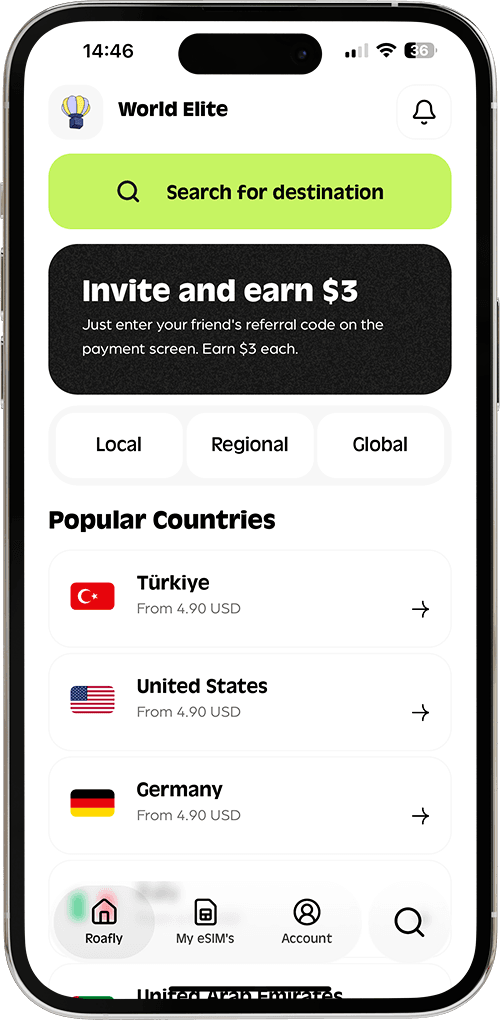




We’ll compare Roafly, Airalo, Saily, Yesim, AloSIM, Jetpac, Roamless, and Holafly using consistent 30-day plan sizes (5GB, 10GB, 20GB where available), then break down which option makes the most sense depending on where you’re going in Norway and how much data you actually use.
Why most travelers pick an eSIM for Norway
An eSIM is the fastest way to get mobile data in Norway without changing your physical SIM. You buy a plan, install it in minutes, and land with data ready to go—handy if you’re heading straight to a train, a rental car pickup, or a late check-in.
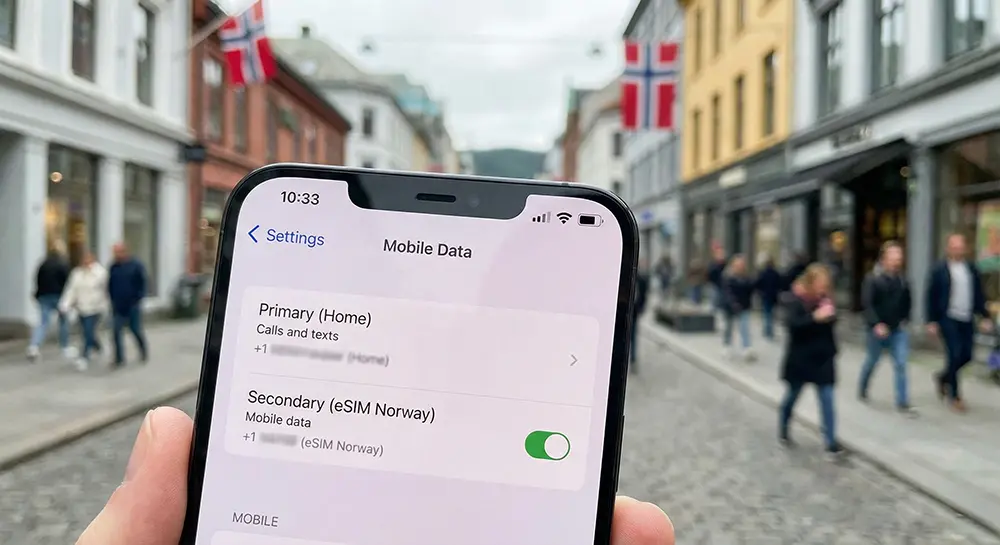
For most trips, the benefits are practical:
-
No store visits: you can set everything up before departure.
-
Keep your main number active: use your usual SIM for calls/texts while the eSIM handles data.
-
Predictable costs: you choose a fixed data package instead of relying on roaming.
-
Dual-SIM flexibility: easy to switch data lines if needed (especially on newer iPhones and many Android devices).
Price comparison: Roafly vs other Norway eSIM providers (30 days)
All prices below are USD and represent the 5GB / 10GB / 20GB options where available, with the network listed if provided.
| Provider | Network (as stated) | 5GB (30 days) | 10GB (30 days) | 20GB (30 days) | Notes |
|---|---|---|---|---|---|
| Roafly | Telia | $9.90 | $14.00 | $20.00 | Strong value at 10GB/20GB |
| Airalo | Telia | $10.50 | $17.00 | $25.50 | Network listed |
| Saily | Not specified | $10.99 | $14.39 | $22.39 | Promo pricing; operator not listed |
| Yesim | Telenor, Telia | — | $19.20 | $24.00 | No 5GB price provided |
| AloSIM | Telia | $11.00 | $17.00 | $28.00 | Network listed |
| Jetpac | NetCom | $14.99 | $19.99 | $40.00 | Network listed |
| Roamless | Not specified | $10.95 | $17.45 | $24.95 | Operator not listed |
| Holafly | Not specified | — | — | — | Unlimited 7 days: $27.30 (fair-use policy may apply) |
Price note: These are 19 December 2025 prices shared by you, and offers can change at any time.
Which plan size should you choose for Norway
A quick practical rule:
5GB (30 days): light usage
Good for Google Maps, messages, email, occasional browsing. If you avoid video and use hotel Wi-Fi, 5GB can be enough.
10GB (30 days): most travelers
This is the sweet spot for typical city + road-trip usage: navigation, social media, travel bookings, and some photo uploads. It’s also where Roafly’s price/value stands out in your comparison.
20GB (30 days): heavy data or multi-week trips
Ideal if you’ll upload lots of content, tether occasionally, or spend time in areas where you can’t rely on Wi-Fi. In your dataset, Roafly’s 20GB is notably competitive versus several alternatives.
If you’re unsure, it helps to estimate your usage before you buy—using a data usage calculator can make it much easier to pick the right plan size.
Roafly Norway eSIM: why it’s a strong pick
Roafly is designed for travelers who want straightforward setup and good value across 200+ destinations. For Norway, it stands out for two practical reasons: strong pricing at higher data tiers and a Telia-backed connection (based on your plan details), which is a solid match for typical Norway itineraries.
Need data in Norway? Get an eSIM!
Choose the perfect data plan for your trip

Manage your eSIM in the app
Install, top up and track data.
Key advantages to consider:
-
Excellent value on 10GB and 20GB compared with several other popular eSIM brands in this comparison
-
Telia-based connectivity (as listed in the plan information)
-
Flexible installation options depending on your preference: iOS Direct Install, QR code, or manual setup
If you want a simple starting point, you can browse Roafly’s Norway eSIM options and pick a 30-day plan based on how much data you expect to use.
Coverage in Norway: Telia vs Telenor (what travelers should know)
In Norway, your day-to-day experience (navigation, uploading photos, calling rides, checking ferry times) depends heavily on the host network behind your eSIM. For most travelers, that means Telia or Telenor. Both are strong nationally, but they can feel different depending on where you go—especially if your trip includes fjords, mountain roads, tunnels, or remote cabins.
Before choosing a plan, it helps to know which providers route you through which network:
-
Telia-based (as stated in plan details): Roafly, Airalo, AloSIM, Jetpac (listed as “NetCom”)
-
Telenor or Telia (varies by package): Yesim
-
Network not clearly stated (verify on the plan page): Saily, Roamless, Holafly
Telia in Norway: what it typically means for travelers
If your eSIM plan uses Telia, you’re generally choosing a network that performs very well in cities and along major transport corridors. It’s a solid default option for travelers doing a classic Norway route.
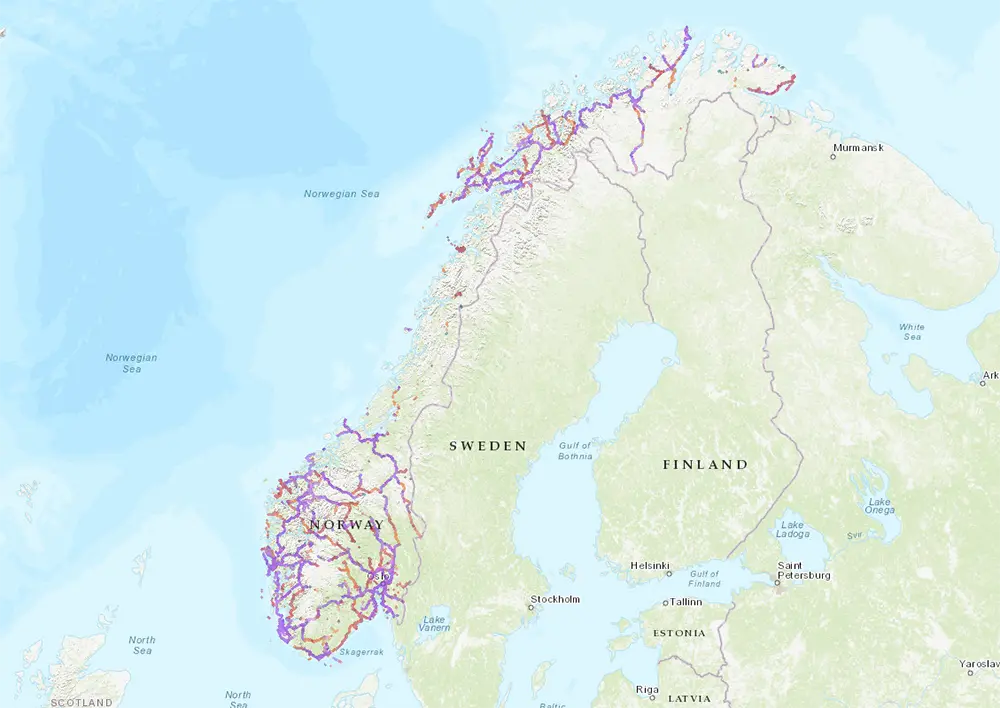
Key practical takeaways:
-
Strong performance in major cities (Oslo, Bergen, Trondheim, Stavanger) for everyday travel needs.
-
Reliable coverage on main roads, which helps for navigation on longer drives.
-
Good experience for high-demand apps like maps, rides, and travel bookings when you’re in populated areas.
-
Expect brief dropouts in long tunnels and some mountainous stretches—this is normal in Norway regardless of provider.
Best match for:
-
City trips + popular scenic routes
-
Travelers who want a simple “set it and forget it” data setup
-
Content creators who upload regularly (10–20GB plans tend to be more comfortable)
Telenor in Norway: what it typically means for travelers
If your plan uses Telenor, you’re also choosing a top-tier Norwegian network. Many travelers prefer Telenor when their itinerary leans more rural or they expect to spend time away from city centers.
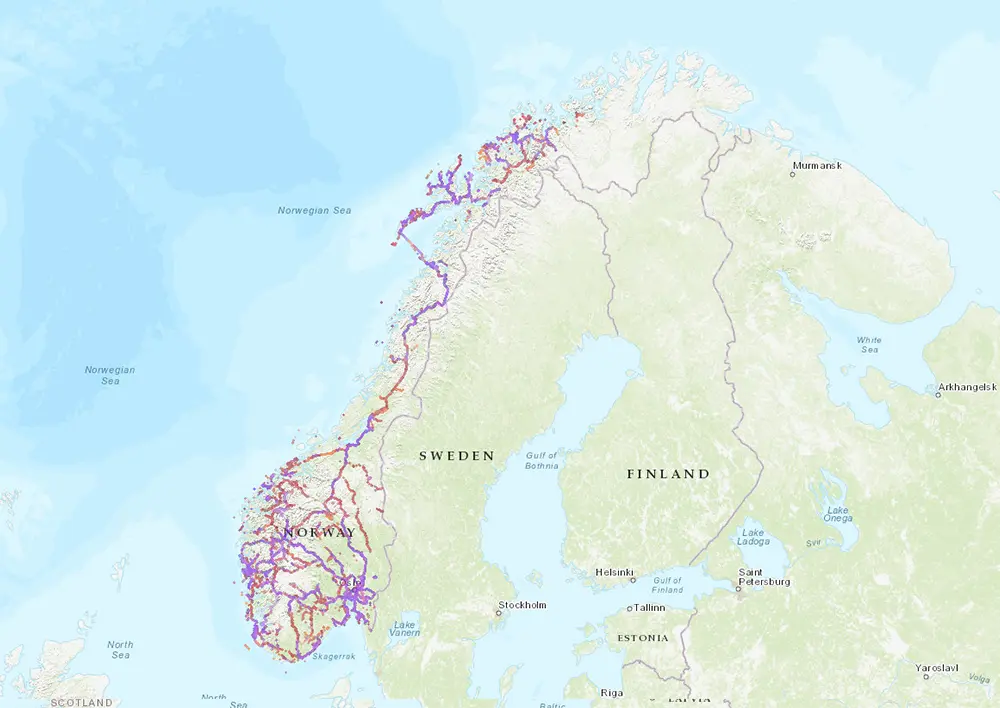
Key practical takeaways:
-
Very strong nationwide presence, especially helpful outside the biggest cities.
-
Good consistency on long-distance travel routes, depending on region and terrain.
-
A smart choice for rural-heavy itineraries, including cabins and road trips where Wi-Fi isn’t guaranteed.
-
Just like Telia, terrain still matters—remote valleys, mountains, and tunnels can create gaps.
Best match for:
-
Road trips with rural stretches
-
Hiking-focused itineraries and remote stays
-
Travelers who want extra peace of mind outside major hubs
Quick coverage tips (regardless of network)
-
Download offline maps for the areas you’ll drive through.
-
Keep a small data buffer if you’ll be remote—don’t cut it too close with 5GB.
-
If you notice unstable speeds in rural areas, 4G/LTE can feel steadier than 5G in some spots.
-
Expect short signal loss in tunnels and during some ferry segments.
eSIM vs airport SIM in Norway (quick reality check)
You asked not to go too deep here—so just the practical headline:
Airport and tourist SIM options tend to be more expensive and less time-efficient than buying an eSIM in advance. For example, Oslo Airport guidance sites commonly cite tourist SIM/eSIM offers around the mid-$20 range for a single package size.

That doesn’t mean a local SIM is “bad”—just that, for most visitors, an eSIM is simpler:
-
No store hours
-
No queue after a flight
-
No dependency on airport stock
How to install your Norway eSIM (and avoid common mistakes)
Most activation issues come from small setup steps. Here’s a reliable flow:
1) Install before you fly (recommended)
Install on stable Wi-Fi, then keep the eSIM line turned off until landing.
2) Turn on the eSIM line after landing
-
Enable the Roafly eSIM line
-
Set it as your Mobile Data line (or “Cellular Data” on iPhone)
-
Turn Data Roaming ON for the eSIM (this is normal for travel eSIMs)
3) If data doesn’t work in the first 5–10 minutes
First, toggle Airplane Mode on and off, then restart your phone. After that, double-check that your eSIM is selected as the mobile data line and that data roaming is enabled for the eSIM.
If you’re still offline, these quick fixes usually resolve the most common travel eSIM issues:
-
No signal after landing (often fixed by reselecting the data line and refreshing the network)
-
iPhone activation problems (especially if the eSIM installed but didn’t fully activate)
-
“Installed but no internet” situations (commonly APN or data-line selection related)
If none of the above works, follow a step-by-step troubleshooting guide for your exact symptom to avoid guessing and wasting time.
Practical tips to make your data last longer in Norway
-
Download offline maps for Oslo/Bergen/Tromsø + your road-trip region.
-
Turn off Wi-Fi Assist (iPhone) if you want strict control.
-
Limit background app refresh for video-heavy apps.
-
If you tether, do it intentionally and monitor usage daily.
-
Use lower upload quality for cloud photo backups until you’re on hotel Wi-Fi.
If you’re planning Northern Lights nights, note that forecast apps, aurora maps, and constant refreshing can quietly burn more data than you expect.
Quick FAQs
Will a Norway eSIM work across the whole country?
In cities and on main travel routes, you should see excellent performance. In very remote areas, signal can vary due to terrain, so plan with offline backups.
Is “unlimited data” always truly unlimited?
Some unlimited plans may have a fair-use policy (speed reductions after heavy use). If you want predictable performance, fixed-data plans (10GB/20GB) can be easier to manage.
Can I keep my WhatsApp number?
Yes. Your eSIM provides data service; WhatsApp can remain on your existing number as long as you don’t re-register it.