Download the App and manage your eSIMs easily
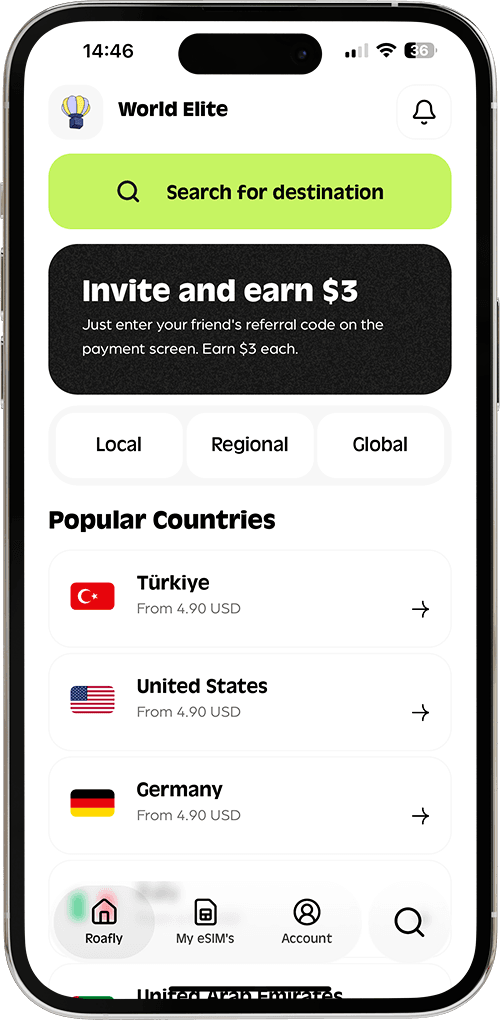
Create your order quickly
See your eSIM details
Track your remaining data
Download the App and manage your eSIMs easily
Create your order quickly
See your eSIM details
Track your remaining data
Booking your flight to Costa Rica is the easy part. Figuring out exactly where to base yourself is where the real planning begins.
Kölbi (ICE), Liberty
Instant delivery
From 4.90 USD

Sophie Callahan
Updated Apr 12, 2026
9 min read
Jump to section
👇Best for most trips
Kölbi (ICE), Liberty
Costa Rica
10 GB · 30 days
Enough for maps, bookings and everyday travel.
Hotspot supported
$24.90
From 4.90 USD
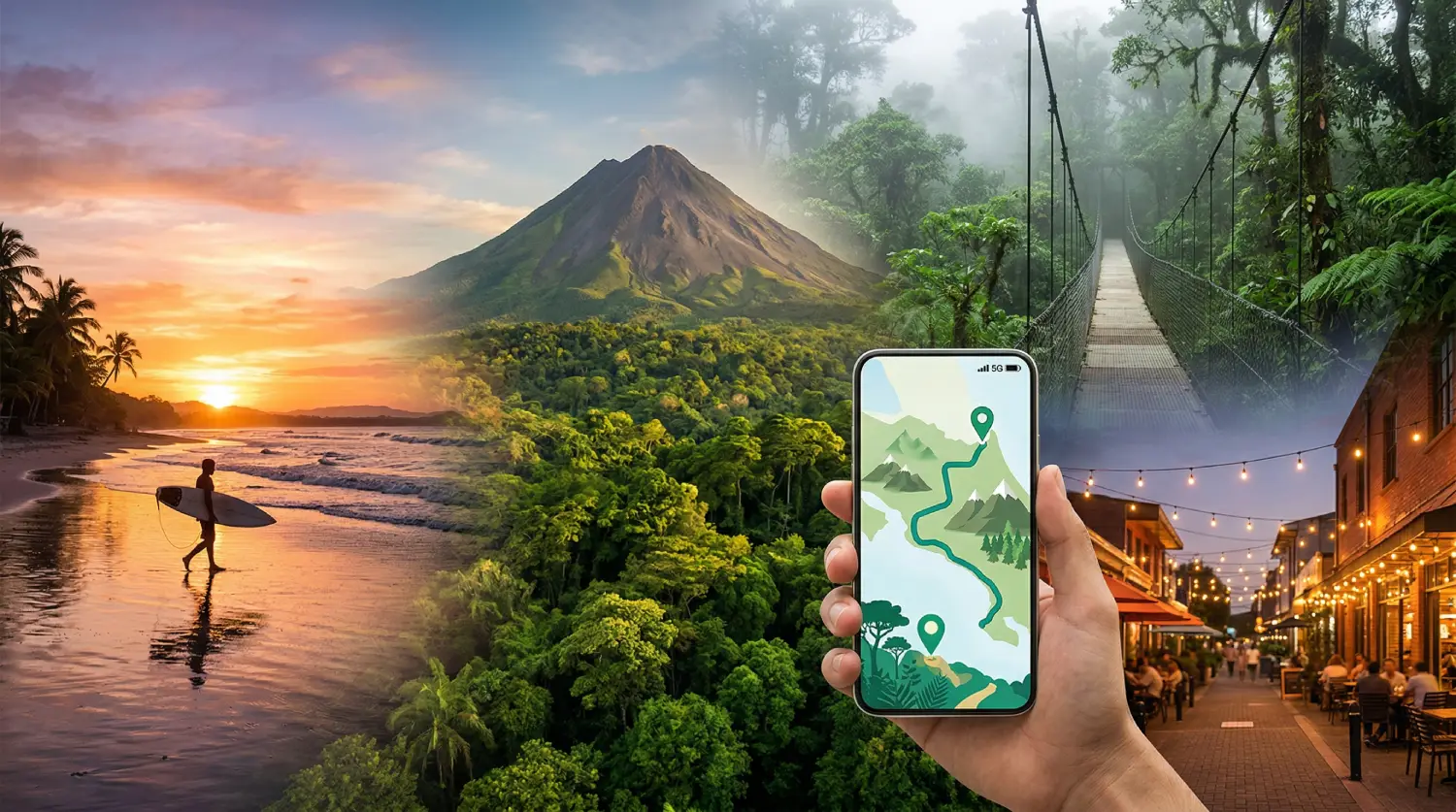
Despite being roughly the size of West Virginia, Costa Rica is a country of extreme microclimates and incredibly diverse landscapes. It is divided by towering volcanic mountain ranges, flanked by two completely different oceans, and packed with dense rainforests. A four-hour drive can take you from a dry, dusty surfer’s paradise to a chilly, misty cloud forest where you need a winter jacket.
Many first-time visitors make the critical mistake of booking a hotel in the capital city, expecting to walk to the beach, only to realize the nearest ocean is three hours away. Others book a week in the remote Caribbean hoping for luxury mega-resorts, only to find rustic eco-lodges.
Whether you are a solo backpacker looking for nightlife, a family seeking safe wildlife encounters, or an experienced traveler wanting to escape the tourist crowds, choosing the right "base camp" defines your entire vacation.
Based on the latest travel trends for 2026, here is the ultimate, unfiltered guide to the best areas and towns to stay in Costa Rica.
Historically, travel guides told tourists to land at Juan Santamaría International Airport (SJO) and escape the capital immediately. While it is true that downtown San José is a congested urban center with no beaches, skipping the Central Valley entirely means missing out on the country's cultural and culinary renaissance.
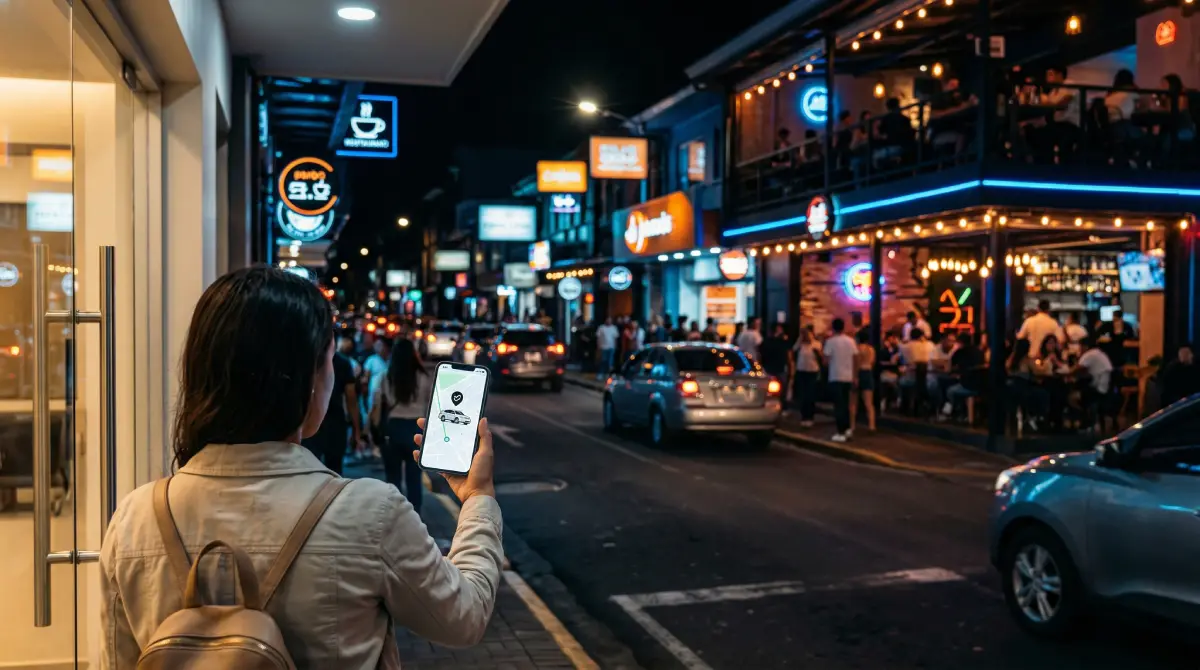
Experienced modern travelers know that if you pick the right neighborhood, spending 48 hours here is highly rewarding.
Barrio Escalante (The Foodie Hub): If you love craft beer, third-wave coffee, and fusion cuisine, this is where you stay. Centered around Calle 33, this historically residential neighborhood has transformed into Costa Rica's trendiest culinary district. It is highly walkable, very safe in the evenings, and packed with digital nomads.
Escazú (Luxury & Comfort): Often dubbed the "Beverly Hills of Costa Rica," Escazú is an upscale American-style suburb. If you want luxury malls, high-end international restaurants, and pristine hotel chains with sweeping views of the valley, this is your spot.
Alajuela (The Pragmatic Choice): If you truly just need a place to sleep because your flight arrives at midnight or departs at 6:00 AM, do not stay in San José proper. Stay in Alajuela, the town where the SJO airport is actually located.
The Reality Check: While Barrio Escalante and Escazú are safe, the downtown center around the Coca-Cola bus terminal requires high vigilance. Before exploring the capital, brush up on your street smarts with our comprehensive breakdown: Is Costa Rica Safe in 2026? Crime, Scams & Travel Reality Check. Furthermore, if you are arriving at SJO, ensure your luggage complies with the latest regulations via our Costa Rica Airport Customs Rules guide.
If you want the quintessential Costa Rican "jungle adventure," you must head north to the highlands.
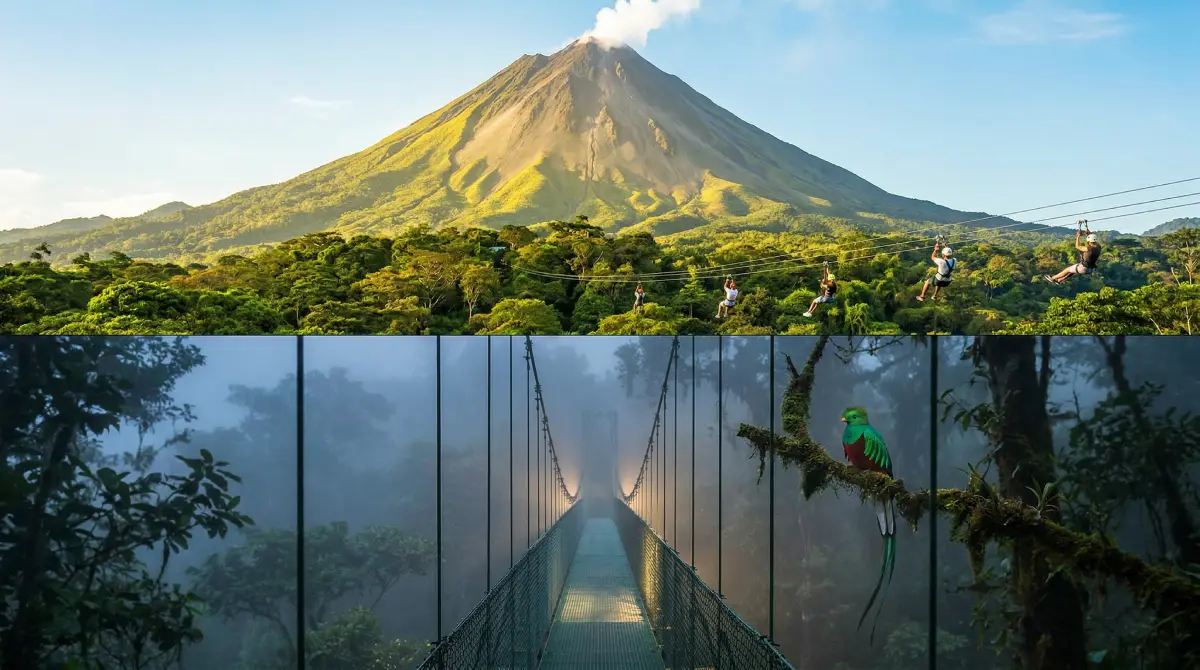
La Fortuna sits directly at the base of the massive, perfectly cone-shaped Arenal Volcano. It is the undisputed adventure capital of Central America.
The Vibe: Lush, green, action-packed, and highly organized.
Who it’s for: First-timers, families, and adrenaline junkies.
Top Activities: Zip-lining, hiking the 1968 lava trails, white-water rafting, and soaking in world-class natural geothermal hot springs (like Tabacón or Baldi).
The Pros: Incredible tourist infrastructure. You are practically guaranteed to see sloths and toucans.
The Cons: It is highly commercialized and strictly inland—there are no beaches here.
Perched high in the Tilarán Mountain Range, Monteverde is a globally recognized eco-tourism destination famous for its rare cloud forest biome.
The Vibe: Cool, misty, tranquil, and deeply focused on conservation.
Who it’s for: Birdwatchers (specifically hunting the elusive Resplendent Quetzal), hikers, and nature purists.
The Pros: A refreshing break from the coastal heat, featuring some of the longest hanging bridges in the world.
The Cons: It is notoriously difficult to get to. Driving up the mountain requires navigating steep, unpaved paths. You absolutely need a 4x4 and the right digital maps. Do not attempt the drive without reading our Driving in Costa Rica: Waze vs. GPS & Navigation Guide.
The northwestern province of Guanacaste is famous for its dry tropical climate, consistent waves, and stunning Pacific sunsets. However, the towns here have very different personalities.
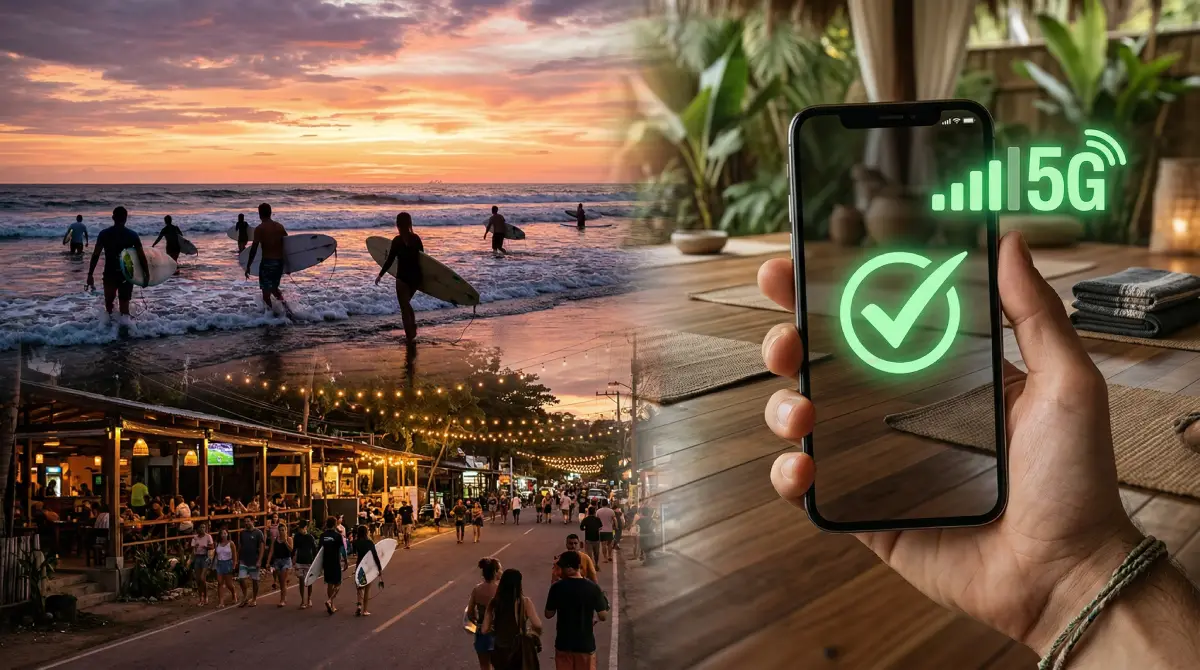
The Vibe: Busy, highly developed, and heavily Americanized (often jokingly called "Tamagringo").
Who it’s for: Beginner surfers, party-goers, and travelers who want modern conveniences (sports bars, paved roads, and large supermarkets).
The Pros: Incredible nightlife and English is spoken everywhere.
The Cons: It is the most expensive and least "authentic" part of the country.
Nosara has rapidly become the premier destination for modern travelers who find Tamarindo too chaotic but Santa Teresa too rustic.
The Vibe: High-end wellness, yoga-centric, and strictly eco-conscious.
Who it’s for: Health-conscious travelers, families, and long-board surfers.
The Pros: Incredible yoga retreats (like the Bodhi Tree) and strict building laws that keep the jungle intact right up to the beach.
The Cons: It is extremely expensive, and the unpaved roads mean you will be dealing with a lot of dust during the dry season.
Located at the bottom tip of the Nicoya Peninsula, Santa Teresa is a magnet for backpackers, celebrities, and digital nomads.

The Vibe: Bohemian, dusty, trendy, and raw.
Who it’s for: Advanced surfers and wellness enthusiasts who want a barefoot-luxury lifestyle.
The Pros: World-class waves, incredible vegan cafes, and a laid-back, chic atmosphere.
The Cons: It is literally a one-road town that gets incredibly congested. Getting there requires a long, bumpy drive or a ferry ride from the mainland.
If you want to combine dense jungle wildlife with beautiful beaches, the Pacific Coast moving south is your best bet.
Manuel Antonio is famous for its namesake National Park, consistently ranked as one of the most beautiful in the world.
Who it’s for: Wildlife lovers and families who want beaches and jungle in the exact same location.
The Pros: This is the easiest place in the country to see all four types of Costa Rican monkeys right from your hotel balcony.
The Cons: The main road is very crowded, and hotels are built into steep hills, meaning you cannot easily walk to the beach.
Legal Warning: Manuel Antonio is a highly protected bio-reserve. Do not risk a massive fine for bringing single-use plastics onto the beach or attempting to feed wild animals. Read up on the local regulations in our Costa Rica Tourist Bans & Laws: Illegal Items & Rules guide.
For travelers in 2026 looking to escape the commercialization of Manuel Antonio, the towns of Uvita and Dominical are the new favorites.
The Vibe: Raw nature, dramatic coastlines, and a tight-knit expat community.
Top Activities: Visiting the famous "Whale Tail" sandbar in Marino Ballena National Park and going on humpback whale-watching tours.
The Pros: Much less crowded than the northern beaches, offering a true "Pura Vida" experience.
If you want to feel like you are in a National Geographic documentary, head to the Osa Peninsula in the deep south. It holds 2.5% of the entire world's biodiversity.
Drake Bay: Remote, secluded, and romantic. Accessible mainly by boat or small aircraft, this is the best base for luxury eco-lodges and scuba diving at Caño Island.
Puerto Jimenez: The rugged, driving-accessible gateway to Corcovado National Park. It is better suited for hardcore backpackers and budget-conscious hikers.
The Caribbean side of Costa Rica feels like a completely different country. Located near the Panamanian border, Puerto Viejo offers a unique blend of Afro-Caribbean culture and indigenous roots.
The Vibe: Raw, rustic, deeply relaxing, and reggae-infused.
Who it’s for: Backpackers and travelers looking to escape the massive resort crowds of the Pacific.
The Pros: Breathtaking, uncrowded beaches (like Punta Uva), incredible food, and a cheap, bicycle-friendly town.
The Cons: It is much rainier and more humid than the Pacific side. Because it has a completely different microclimate, checking the Best Time to Visit Costa Rica 2026: Weather, Wildlife & Secrets is crucial before booking.
Whether you choose a luxury resort in Escazú, a yoga retreat in Nosara, or an eco-lodge deep in Drake Bay, there is one universal rule in Costa Rica: You cannot rely on jungle Wi-Fi.
Power outages are common in rural beach towns, and hotel Wi-Fi rarely reaches the beach or the hiking trails. If you are using Waze to navigate the mountains of Monteverde or trying to order a verified Uber in Barrio Escalante, losing your connection is a genuine safety hazard.
To understand all your options upon arrival, read our complete breakdown on How to Get Internet in Costa Rica.
The Pro Move: Do not waste your first day looking for a local Kolbi or Claro store. Stay connected the second you land by instantly downloading a Costa Rica eSIM directly to your phone. If you want to compare plans and prices first, check out our complete guide to the Best eSIM for Costa Rica
(Still torn between the polished, highly developed eco-tourism of Costa Rica and a more raw, budget-friendly adventure with ancient ruins? See our head-to-head comparison: Costa Rica vs. Guatemala: Which Central American Gem Should You Visit in 2026? to finalize your Central American itinerary).
Best for most trips
Kölbi (ICE), Liberty
Costa Rica
10 GB · 30 days
Enough for maps, bookings and everyday travel.
Hotspot supported
$24.90
From 4.90 USD
Choose the perfect data plan for your trip

Manage your eSIM in the app
Install, top up and track data.
