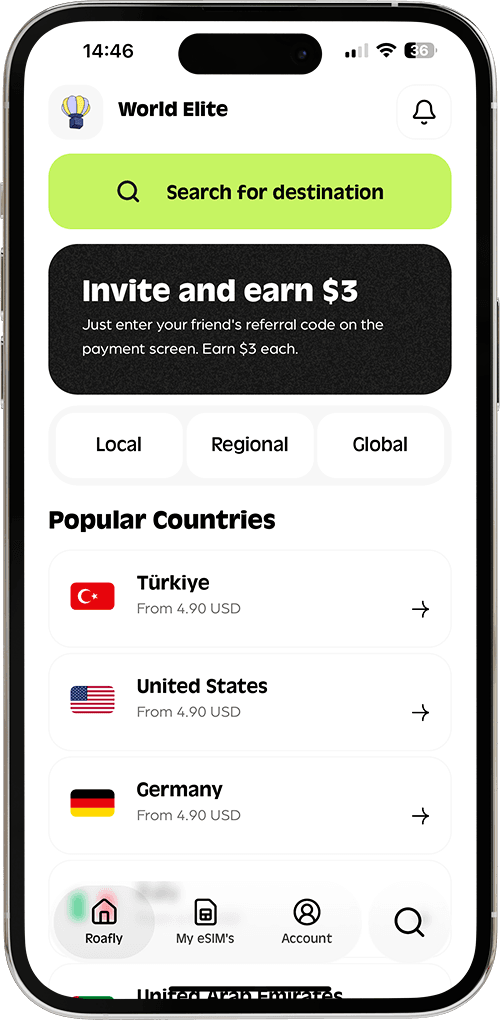
Download the App and manage your eSIMs easily
Create your order quickly
See your eSIM details
Track your remaining data
Download the App and manage your eSIMs easily
Create your order quickly
See your eSIM details
Track your remaining data
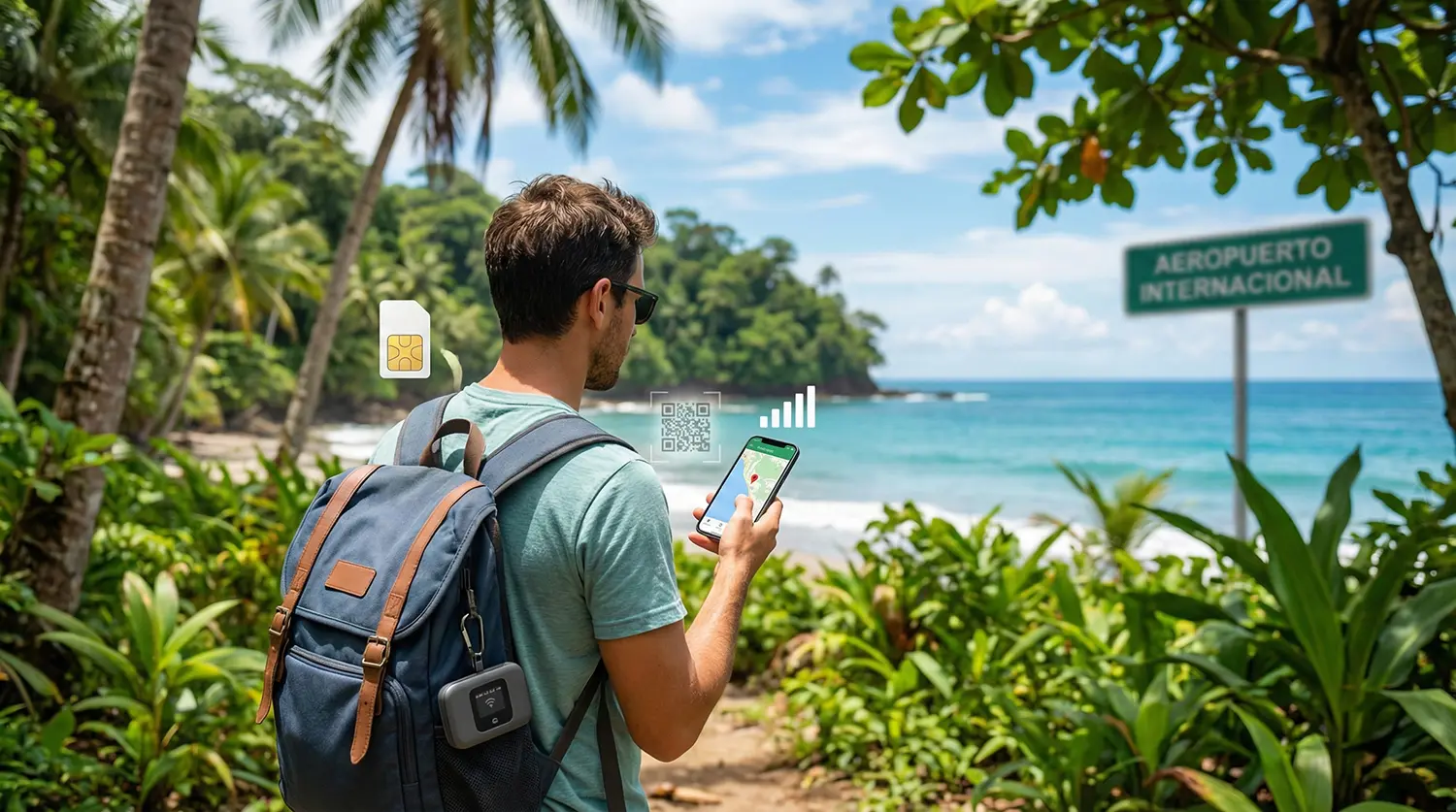
Costa Rica is one of Central America’s most popular travel destinations, attracting visitors with its rainforests, beaches, volcanoes, and relaxed lifestyle. Whether you are landing in San José, heading straight to the Pacific coast, or planning a road trip through national parks, having reliable mobile internet is essential from day one.
Kölbi (ICE), Liberty
Instant delivery
From 4.90 USD

Lena Hartley
Updated Dec 28, 2025
9 min read
Jump to section
👇Best for most trips
Kölbi (ICE), Liberty
Costa Rica
10 GB · 30 days
Enough for maps, bookings and everyday travel.
Hotspot supported
$24.90
From 4.90 USD
From ordering an Uber at the airport to navigating unfamiliar roads, checking hotel details, or staying connected with family back home, internet access plays a key role in a smooth trip. Fortunately, Costa Rica offers several ways to get online, including airport SIM cards, local prepaid SIMs, eSIM solutions, and pocket WiFi rentals. Each option comes with different costs, coverage levels, and setup requirements. In this guide, we break down all available internet options in Costa Rica, explain current prices and coverage, and help you choose the best solution based on your travel style and length of stay.
After landing in Costa Rica, travelers generally choose one of the following options:
Airport SIM cards
Local SIM cards from Costa Rican operators
eSIM (digital SIM, no physical card)
Pocket WiFi rental
Public WiFi or international roaming (not recommended)
Below, we break down each option step by step, starting with the most common choices.
Choose the perfect data plan for your trip
Buying a SIM card at the airport is convenient, but it comes with limitations.

At Juan Santamaría International Airport (SJO) in San José, there are currently no fully staffed Kolbi, Claro, or Liberty counters operating inside the terminal. Instead, travelers may find:
SIM card vending machines in the international arrivals area (Terminal A)
Limited self-service kiosks near rental car zones
At Liberia International Airport (LIR), options are even more limited, and many travelers must wait until reaching the city.
SIM card: 1,000–1,500 CRC (≈ $2–3 USD)
Data plans:
Kolbi: ~5,000 CRC ($10 USD) for 2 GB
Claro: ~2,000 CRC ($4 USD) for 1 GB
Liberty: ~700 CRC ($1.40 USD) for 1 GB (24 hours)
Pros
Immediate internet access
No need to search for stores
Cons
Self-registration can be confusing
Limited support
Slightly higher prices
Spanish-only interfaces in many cases
For most travelers, airport SIM cards are acceptable only if you urgently need data upon arrival.
Buying a local SIM card from a city store is the most affordable and reliable option for many visitors.
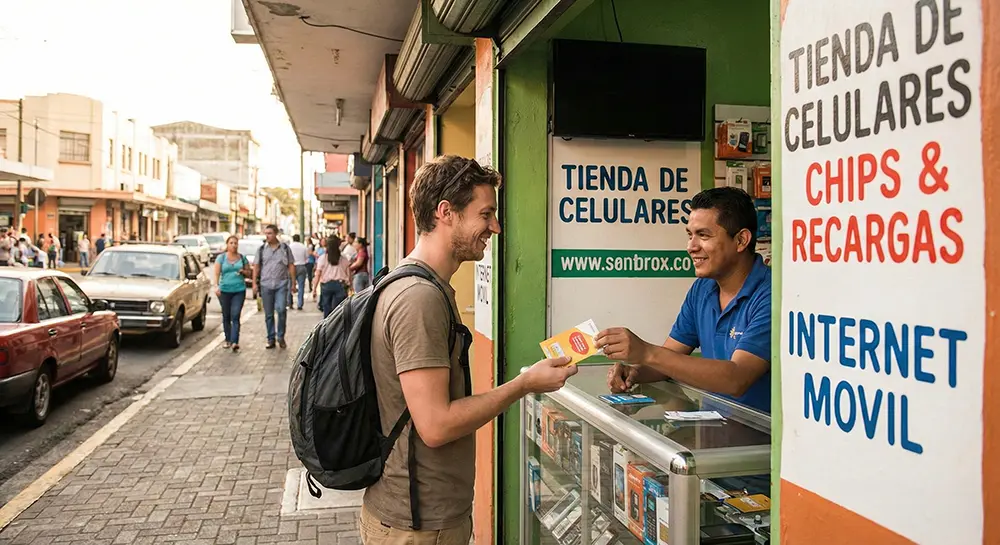
Costa Rica has three major mobile networks:
| Operator | Strengths | Best For |
|---|---|---|
| Kolbi (ICE) | Best rural and nationwide coverage | Road trips, national parks |
| Liberty | Fast 4G/limited 5G in cities | Urban travelers |
| Claro | International call bundles | Calling US/Canada |
All providers require passport registration by law. Activation usually takes 2–5 minutes in-store.
SIM card: 500–1,500 CRC ($1–3 USD)
Typical tourist plans:
2 GB: ~5,000 CRC ($10 USD)
5 GB: ~10,000–12,000 CRC ($20–24 USD)
Validity: 7 to 30 days
Top-ups widely available in supermarkets and convenience stores
4G/LTE covers most cities and tourist destinations
Rural and jungle areas may have limited signal
5G is currently limited to parts of central San José
Pros
Cheapest long-term option
Staff handles setup and testing
Good nationwide coverage
Cons
Requires visiting a store
Passport required
Physical SIM swap needed
If your phone supports eSIM, this is the easiest way to get internet in Costa Rica without visiting a store or swapping SIM cards.
Buy online before travel
Activate instantly with QR code
No passport verification required
Works immediately after landing
For travelers who want to skip physical SIM cards and avoid visiting mobile stores after landing, an eSIM is one of the most practical ways to get internet in Costa Rica. Roafly’s Costa Rica eSIM is built specifically for short-term and flexible travel, offering strong local network coverage without contracts, ID checks, or complicated setup.
Because the eSIM is installed digitally, you can complete everything before your trip and activate mobile data as soon as your phone connects to a supported Costa Rican network. This makes it especially useful for late arrivals, short stays, or travelers who want instant connectivity for navigation and ride-hailing apps.
1GB / 7 Days – $4.90
3GB / 30 Days – $9.90
5GB / 30 Days – $14.90
10GB / 30 Days – $24.90
20GB / 30 Days – $49.90
All prices are in USD, and packages are valid only within Costa Rica.
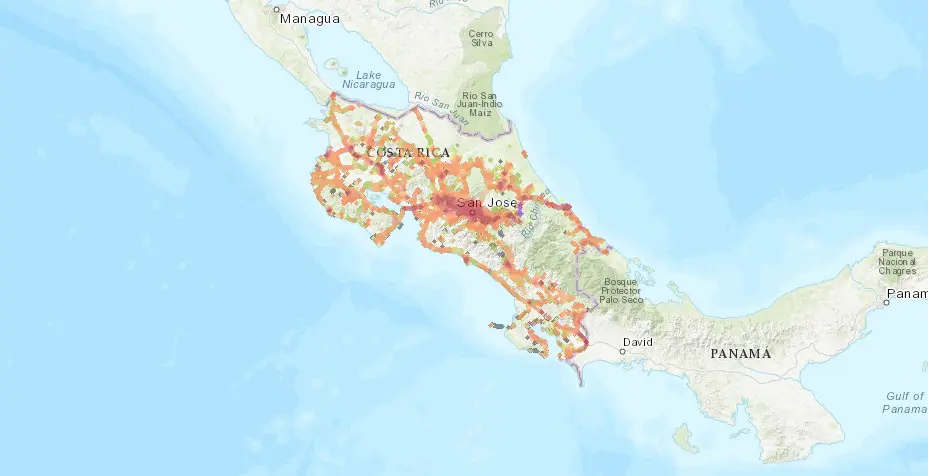
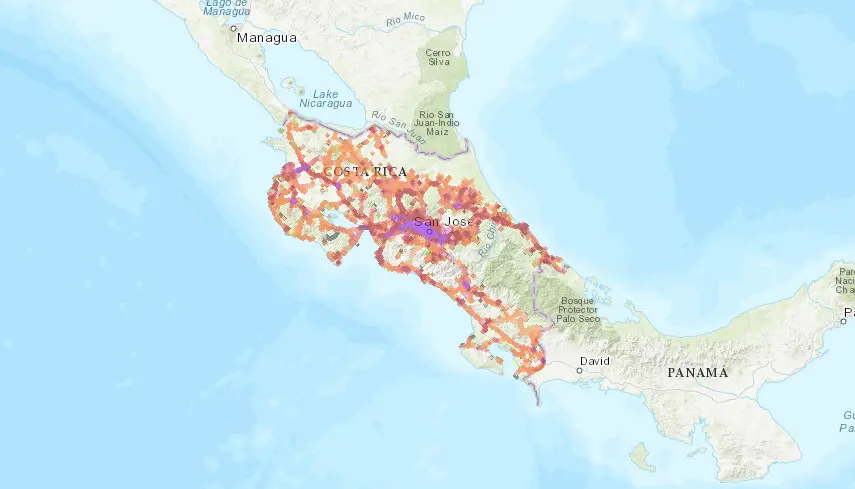
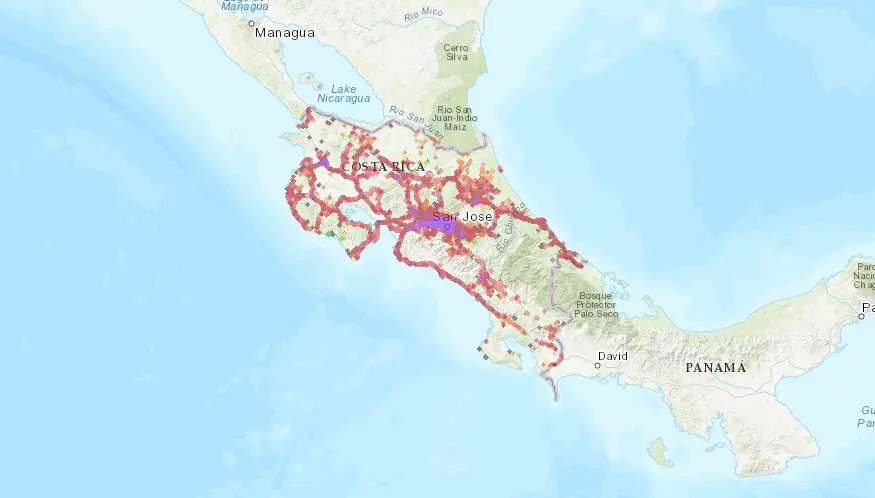
Roafly eSIM connects to Costa Rica’s most reliable local networks:
Kolbi ICE
Liberty
This combination ensures stable coverage in major cities, tourist destinations, and most travel routes across the country.
Works only in Costa Rica
Data-only plan (no local calls or SMS)
Mobile hotspot supported
No eKYC or ID verification required
Activation starts when the eSIM connects to a supported network
Installation methods:
iOS Direct Install
QR Code
Manual setup
Pros
No physical SIM card needed
No store visits or passport registration
Excellent price-to-convenience balance
Ideal for short trips and flexible itineraries
Cons
Requires an eSIM-compatible device
Data-only (no local voice calls)
If you want a deeper comparison and usage scenarios, you can also check our detailed guide on the best eSIM for Costa Rica, where different travel styles and data needs are explained in more detail.
Pocket WiFi devices provide internet by creating a portable hotspot.
$5–10 USD per day
Often requires deposit
Battery life: 6–10 hours
Pros
Can connect multiple devices
Useful for families or groups
Cons
More expensive for solo travelers
Extra device to carry and charge
Can lose signal in rural areas
Best for most trips
Kölbi (ICE), Liberty
Costa Rica
10 GB · 30 days
Enough for maps, bookings and everyday travel.
Hotspot supported
$24.90
From 4.90 USD
| Option | Cost | Ease of Use | Best For |
|---|---|---|---|
| Airport SIM | Medium | Medium | Immediate access |
| Local SIM | Low | Medium | Longer stays |
| eSIM (Roafly) | Low–Medium | Very High | Most travelers |
| Pocket WiFi | High | Medium | Groups |
| Roaming | Very High | Easy | Not recommended |
Liberty is best for city speed, Kolbi for remote areas
Avoid streaming heavily unless on WiFi
Download offline maps before rural trips
Top up data early during long stays
For most travelers, an eSIM provides the simplest and most flexible solution, while local SIM cards remain a solid budget option for longer visits.
Check the latest Costa Rica eSIM packages for before your trip to stay connected from the moment you land.

Manage your eSIM in the app
Install, top up and track data.
Choose the perfect data plan for your trip
Manage your eSIM in the app
Install, top up and track data.