

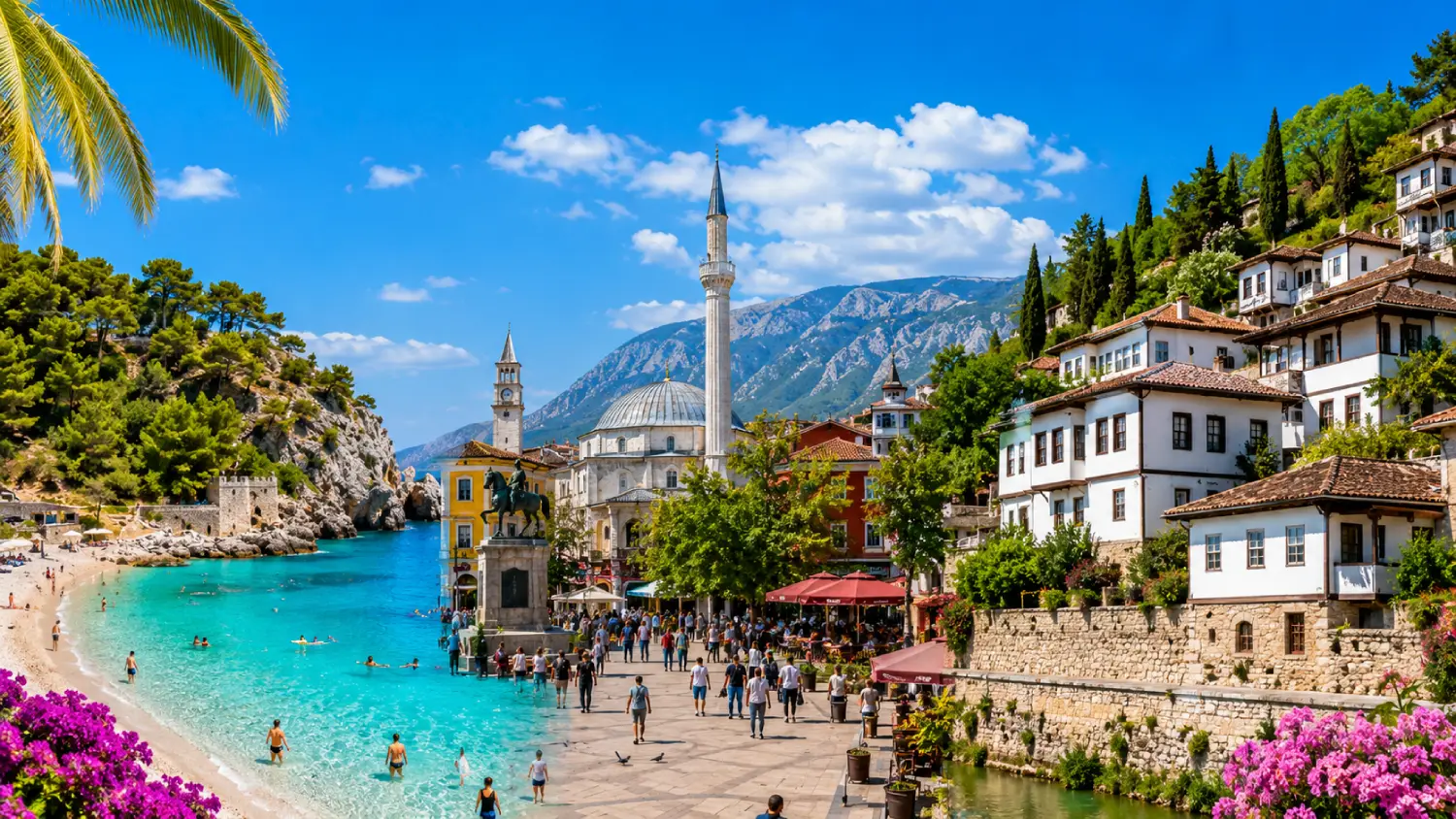

Locking in your perfect base camp defines your daily reality, your dining options, and how much you will spend on taxis. Whether you want to dance until dawn in a coastal hub or wake up to the sound of goat bells in a mountain village, your location matters. If you are comparing destinations and wondering if this coastline is right for you, read our Albania vs. Croatia: Is the "New Maldives" Worth the Hype? breakdown.
-
Families & Resort Lovers: Head to Ksamil or Durres for shallow waters and upscale amenities.
-
Nightlife & Backpackers: Base yourself in Saranda or central Tirana for late-night energy.
-
Couples & Slow Travelers: Hide away in Himare or Berat for romantic, authentic charm.
-
Hikers & Adventurers: Head north to Shkodra or the Albanian Alps.
Tirana: The Buzzing, Colorful Capital
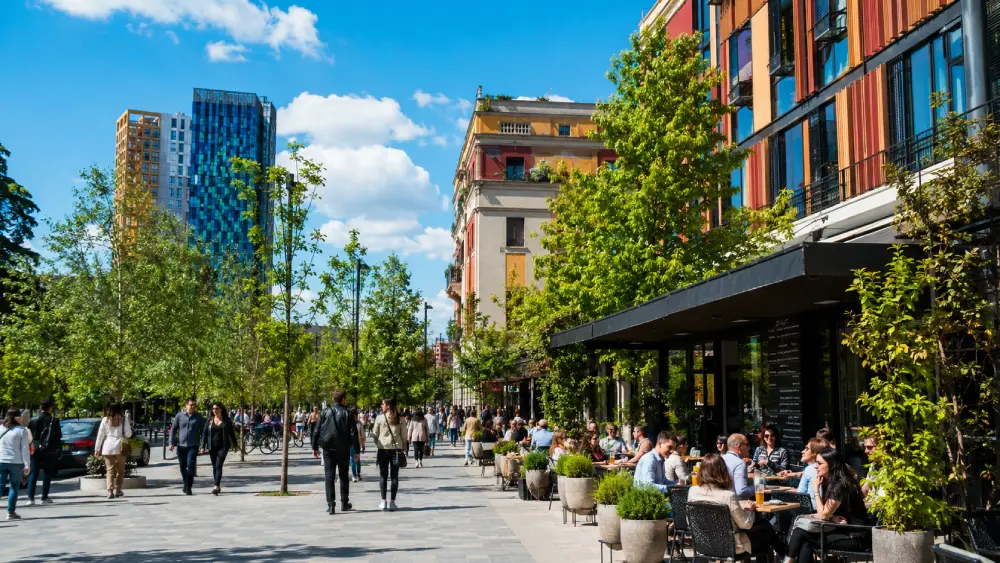
Tirana is a chaotic, colorful, and rapidly modernizing city that serves as the beating heart of Albania. The city has transformed its brutalist, communist-era bunkers into fascinating museums and surrounded them with world-class coffee shops. You will almost certainly fly into this city, making it a mandatory stop for at least a night or two.
The Vibe: A fast-paced, cafe-obsessed European capital blending heavy history with trendy hipster energy.
Who it’s for:
-
Digital nomads needing fast Wi-Fi and endless coffee.
-
History buffs wanting to explore the Bunk'Art museums.
-
Urban explorers who love vibrant nightlife.
The Pros & Cons:
-
Pros: Incredible restaurant scene, highly affordable luxury hotels, and deeply fascinating history.
-
Cons: Heavy traffic, poor air quality in summer, and no access to the beach.
Neighborhood Breakdown: Stay in Blloku if you want to be surrounded by chic cocktail bars, upscale dining, and the city's best nightlife. For a quieter, more residential feel, look for boutique hotels near the Grand Park of Tirana (Parku i Madh). If you are on a tight budget or have 24 hours, booking a guesthouse near Skanderbeg Square puts you within walking distance of the major museums.
Reality Check/Warnings: Traffic in Tirana is notoriously aggressive, and parking is a nightmare for rental cars. You should familiarize yourself with local transit and read our Albania Transport Guide: Uber, Buses & Taxi Scams before you attempt to navigate the capital. Also, be aware of what you can bring into the country by checking the Albania Airport Customs Rules: Limits, Fines & Bans.
Ksamil: The "Maldives of Europe"
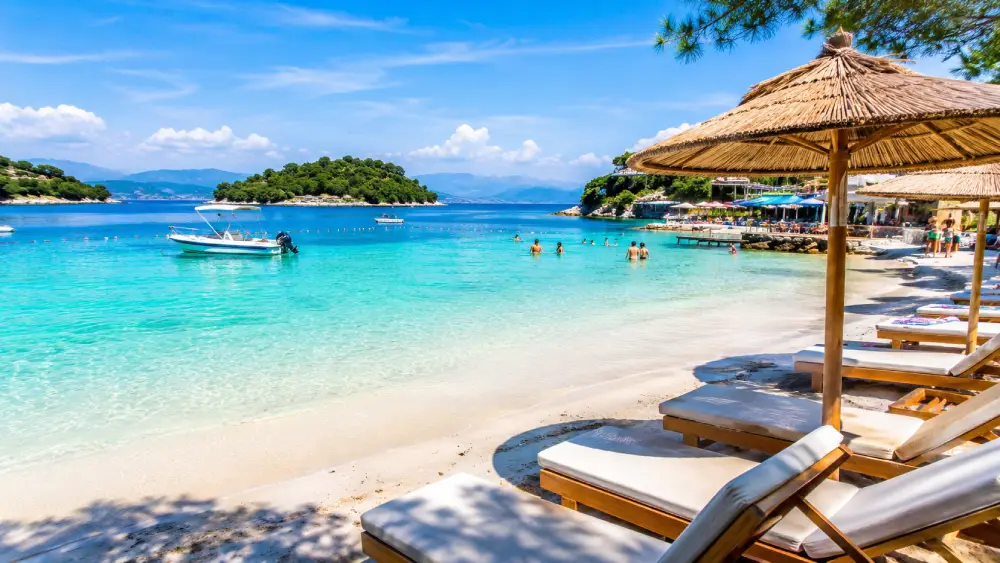
Ksamil is the crown jewel of the Albanian Riviera, famous for its blindingly white sand and turquoise waters. Just a stone's throw from the Greek island of Corfu, this-sleepy village has exploded into a massive resort destination for 2026. The water here is shallow, warm, and exceptionally clear, making it a Mediterranean paradise.
The Vibe: High-end beach clubs, pulsing summer anthems, and Instagram-perfect turquoise bays.
Who it’s for:
-
Luxury seekers wanting premium beachside service.
-
Families requiring calm, wave-free swimming waters.
-
Travelers prioritizing aesthetics and seafood dining.
The Pros & Cons:
-
Pros: The most beautiful water in the country, spectacular seafood, and easy access to the Butrint National Park.
-
Cons: Extremely crowded in July and August, premium pricing on sunbeds, and heavy commercialization.
Neighborhood Breakdown: The Ksamil Main Beach area is packed with high-end beach clubs like Poda and Principote, where you will pay a premium to be steps from the water. If you want a slightly quieter experience, look for accommodations near Sunset Beach or Paradise Beach on the northern edge of town. Inland villas, just a 15-minute walk from the coast, offer significant discounts and much-needed peace away from the club music.
Reality Check/Warnings: During peak season, you cannot simply lay a towel on the sand; you are forced to rent expensive sun loungers. Book your accommodation months in advance and study the Best Time to Visit Albania: Weather, Seasons & Costs to avoid the sweltering, crowded peak of August.
Saranda: The Bustling Coastal Hub
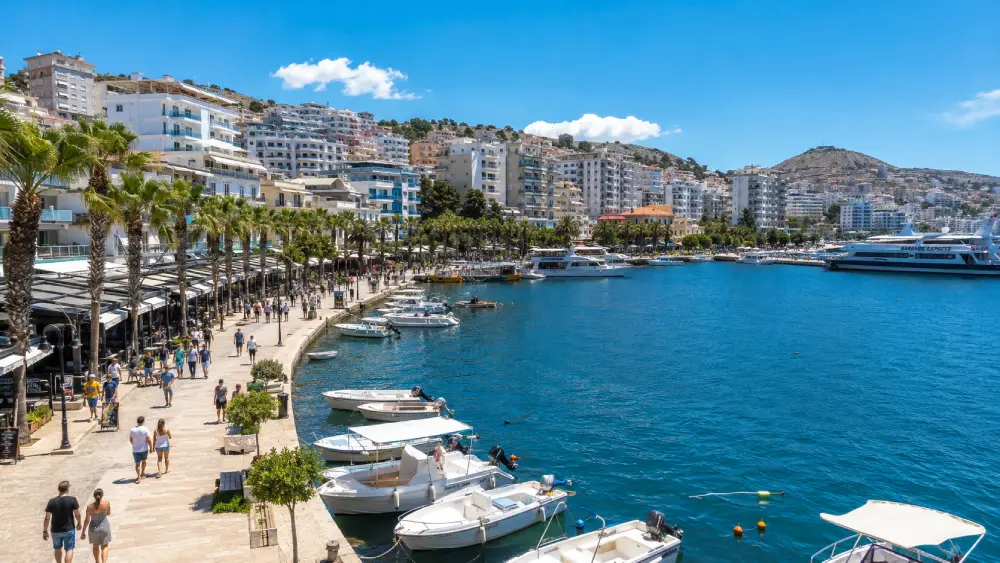
Just north of Ksamil, Saranda is a sprawling harbor city that acts as the unofficial capital of the Albanian Riviera. It features a sweeping, palm-lined promenade filled with restaurants, gelato shops, and lively bars. Because it has a major ferry port connecting to Corfu, it is incredibly easy to reach and serves as an ideal launchpad.
The Vibe: A loud, energetic port city with non-stop nightlife and excellent logistical connections.
Who it’s for:
-
Backpackers and solo travelers looking to meet people.
-
Travelers who want to take daily boat tours and excursions.
-
Night owls seeking clubs that stay open until sunrise.
The Pros & Cons:
-
Pros: Massive variety of cheap hotels, excellent public transit hub, and endless dining options.
-
Cons: The city beaches are mediocre, concrete-heavy architecture, and it gets incredibly noisy.
Neighborhood Breakdown: The Promenade (Rruga Jonianet) is the best area for first-timers, putting you directly in front of the sea and the best restaurants. The Port Area to the north is slightly quieter and incredibly convenient if you are catching an early morning ferry. If you want a more resort-like feel, book a hotel in the Southern District, which offers private beach access and an easier drive down toward Ksamil.
Reality Check/Warnings: Do not stay in central Saranda if you are seeking a secluded, quiet beach vacation, as the city operates at full throttle all summer. Noise pollution from open-air nightclubs can easily reach your hotel room, so always pack earplugs. Furthermore, keep your wits about you regarding local regulations by checking the Albania Tourist Bans & Laws.
Himare: The Authentic Riviera Retreat
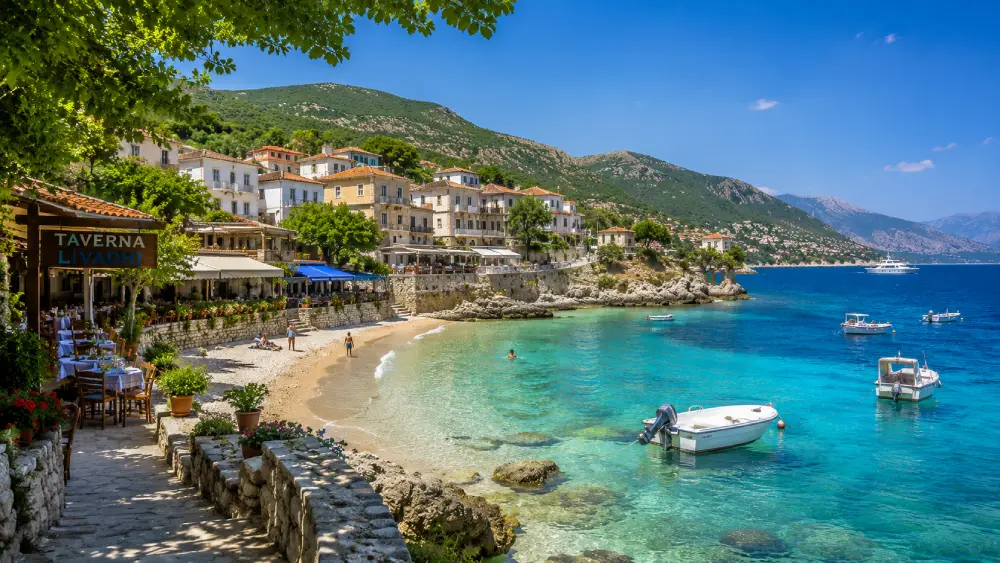
If Ksamil is too commercial and Saranda is too loud, Himare is the perfect middle ground on the Albanian Riviera. It retains a strong Greek influence, offering fantastic tavernas, a relaxed pace of life, and stunning rocky coves. The town is split between a sunny beachfront promenade and an ancient, crumbling castle village high on the hill.
The Vibe: A laid-back, sun-drenched coastal town where time slows down over a plate of fresh octopus.
Who it’s for:
-
Couples seeking romantic, uncrowded dinners.
-
Mid-range travelers wanting great value without the chaos.
-
Beach hoppers who want a central base for exploring the coast.
The Pros & Cons:
-
Pros: Incredible nearby beaches like Livadhi and Gjipe, authentic local culture, and reasonable prices.
-
Cons: Nightlife is very limited, and you absolutely need a car to explore the best surrounding bays.
Neighborhood Breakdown: Spile (The Center) is the main beachfront area, packed with affordable guesthouses, gyro stands, and easy access to the main sandy strip. For a secluded, resort-style stay, head just north to Livadhi Beach, which is lined with boutique hotels and quiet beach bars. If you want profound history, book a boutique stone guesthouse in Himare Fshat (the Old Town), perched high on the cliffs with panoramic ocean views.
Reality Check/Warnings: The drive down to Himare via the Llogara Pass is jaw-dropping but features terrifying hairpin turns that require confident driving. ATMS frequently run out of cash during the summer weekends, so always bring extra Lek.
Berat: The City of a Thousand Windows
Moving inland, Berat is a UNESCO World Heritage site and arguably the most photogenic town in all of the Balkans. Famous for its white Ottoman houses stacked haphazardly up a steep hillside, the town is split in two by the Osum River. It is a peaceful, historically rich destination that feels entirely different from the coastal resorts.
The Vibe: A tranquil, living museum frozen in the era of the Ottoman Empire.
Who it’s for:
-
Culture and history enthusiasts.
-
Photographers and architecture lovers.
-
Travelers looking for a quiet, romantic inland escape.
The Pros & Cons:
-
Pros: Stunningly beautiful, very inexpensive, and home to fantastic local wineries.
-
Cons: Very steep, difficult walking paths, and it can be explored fully in just or two days.
Neighborhood Breakdown: Mangalem is the traditional Muslim quarter, featuring the iconic stacked houses and winding, incredibly steep cobblestone alleys. Across the river is Gorica, the traditional Christian quarter, which offers the best sunset views looking back at Mangalem. For a truly unique experience, stay inside the walls of the Kalaja (Berat Castle) at the top of the hill, where locals still live among the ancient ruins.
Reality Check/Warnings: The cobblestones in Berat are centuries old, highly polished, and incredibly slippery, meaning proper footwear is mandatory. Taxis cannot navigate the narrow alleys of Mangalem, so you will have to carry your own luggage up steep hills to your guesthouse.
Gjirokaster: The Stone City
Further south lies Gjirokaster, another UNESCO World Heritage site known for its imposing fortress and unique stone-roofed houses. While Berat feels delicate and stacked, Gjirokaster feels rugged, grand, and fortified against the mountains. It is the perfect cultural stopover when driving between Tirana and the southern Riviera.
The Vibe: A dramatic, mountainous fortress town steeped in ancient clan history and folklore.
Who it’s for:
-
Road-trippers heading to or from the southern beaches.
-
Travelers obsessed with unique architecture and bazaars.
-
Those who want to escape the summer heat of the coast.
The Pros & Cons:
-
Pros: The Old Bazaar is incredible for shopping, the castle is spectacular, and the mountain air is refreshing.
-
Cons: Extremely steep streets, limited dining options late at night, and driving in the old town is treacherous.
Neighborhood Breakdown: The Old Bazaar Area (Qafa e Pazarit) is the undisputed best place to stay, putting you steps away from artisan shops, cafes, and historic manors like the Skenduli House. The Castle District offers boutique hotels with sweeping valley views, though it requires a serious uphill hike. Avoid the New Town at the bottom of the hill, as it lacks the historic charm that makes Gjirokaster special.
Reality Check/Warnings: Do not trust GPS navigation blindly in the Old Town, as it will frequently route you down staircases or impossibly narrow alleys where your rental car will get stuck.
Shkodra & The Albanian Alps: The Wild North
For those who view vacations as endurance sports, the northern city of Shkodra is the gateway to the dramatic Albanian Alps. This region offers some of the most spectacular, untouched alpine scenery in Europe, rivaling the Swiss Alps at a fraction of the cost. The famous multi-day hike from Valbona to Theth draws outdoor enthusiasts from around the globe.
The Vibe: Rugged, untamed alpine wilderness mixed with deep-rooted highland hospitality.
Who it’s for:
-
Hardcore hikers and nature photographers.
-
Off-grid travelers looking for remote guesthouses.
-
Anyone seeking a break from the Mediterranean heat.
The Pros & Cons:
-
Pros: Breathtaking mountain trails, incredibly cheap rural guesthouses, and true isolation.
-
Cons: Infrastructure is basic, Wi-Fi is spotty at best, and the mountain roads can be dangerous.
Neighborhood Breakdown: Shkodra City Center is your logistical base; stay here to rent gear, leave your rental car, and arrange 4x4 transport into the mountains. In the mountains, the village of Theth offers charming wooden chalets and access to the Blue Eye of Theth. Alternatively, the Valbona Valley provides remote, family-run farmhouses surrounded by towering limestone peaks.
Reality Check/Warnings: You cannot easily drive a standard rental car into Theth, and mountain weather changes rapidly, so you must pack layers. To ensure you stay safe and connected during alpine emergencies, review How to Get Internet in Albania. Furthermore, if you are traveling solo in these remote areas, read Is Albania Safe? Crime, Scams & Travel Reality Check.
Accommodation Reality Check (2026 Advice)
The Albanian tourism sector is growing faster than its infrastructure, meaning top-tier hotels in Ksamil and Himare sell out months in advance for the summer season. If you attempt to book a seaside villa in July at the last minute, you will likely be pushed miles inland or forced to pay double the normal rate. Always confirm if your coastal rental includes guaranteed parking, as street parking in beach towns is nearly impossible.
When booking boutique guesthouses in historic towns like Berat or Gjirokaster, be aware that authentic Ottoman houses rarely have central air conditioning. You will likely rely on small, wall-mounted units that can struggle during a 100°F (38°C) August heatwave. Additionally, be cautious of hidden "eco-taxes" or mandatory breakfast fees that budget hotels might tack your final bill upon checkout.
The Universal Rule: Connectivity is Survival
Relying on hotel Wi-Fi in Albania is a massive mistake, as power grid fluctuations and remote locations frequently knock out local routers. You need continuous, reliable data to navigate the treacherous mountain passes, translate menus in rural tavernas, and order verified taxis in Tirana. Losing your connection while trying to find a hidden beach on the Riviera can quickly turn a fun road trip into a stressful ordeal.
Need data in Albania? Get an eSIM!
Choose the perfect data plan for your trip

Manage your eSIM in the app
Install, top up and track data.
By downloading an Albania eSIM, you guarantee that your phone connects to the strongest local cell towers the moment your flight lands in Tirana. You will never have to waste your first vacation day hunting for a physical SIM card shop or haggling over data packages in a foreign language. Check out the Best eSIM for Albania to see exactly why smart travelers are ditching plastic SIMs.