

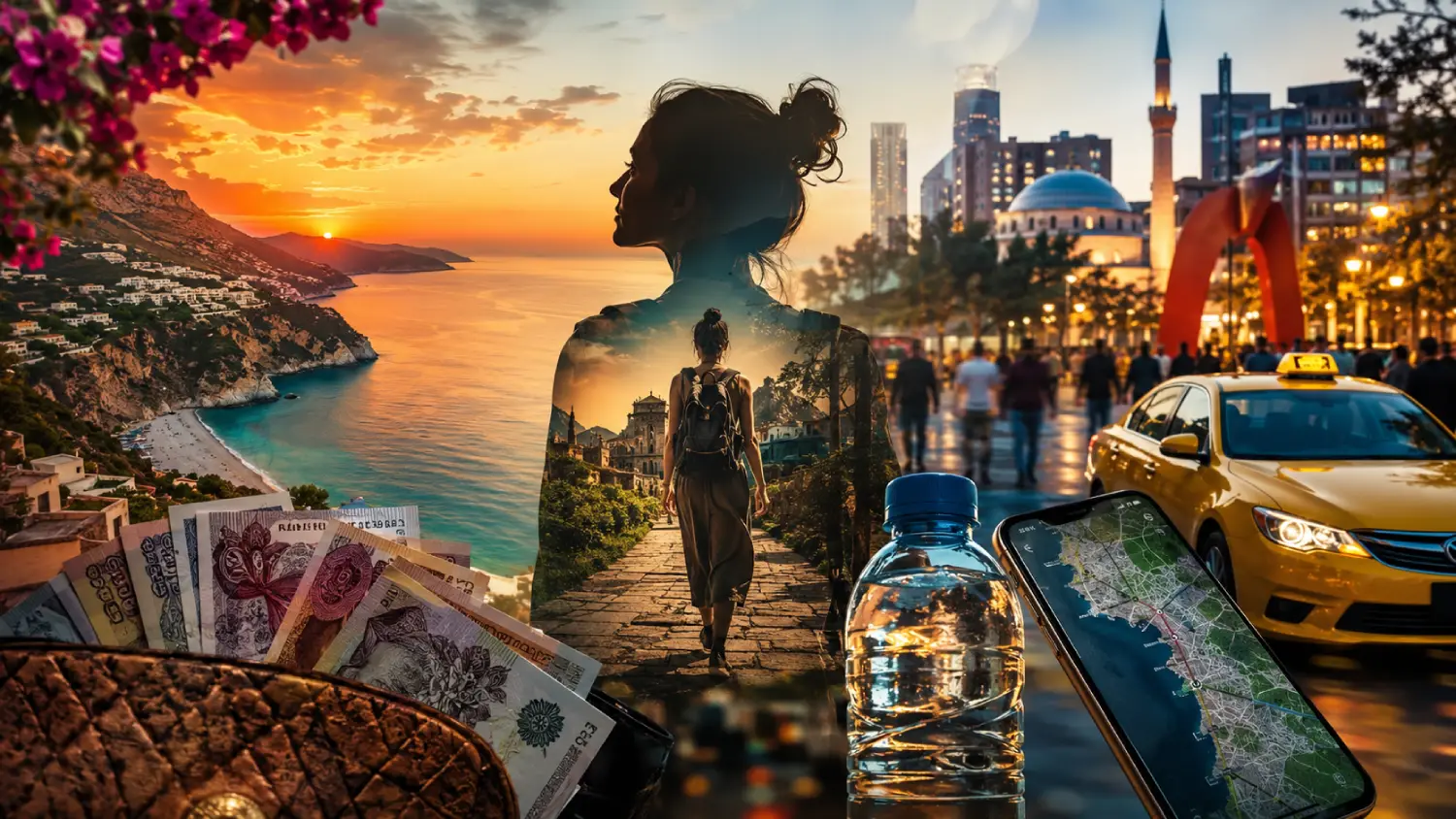

The short answer is yes, Albania is incredibly safe for tourists right now. In fact, you are statistically far less likely to encounter violent crime here than in major Western European hubs like Paris, London, or Rome. However, the nature of the "danger" has completely shifted from historical instability to modern-day tourist growing pains.
The Current Reality: Politics, Crime, and the Mafia Myth
For decades, Hollywood movies and outdated rumors painted Albania as a lawless hotspot for organized crime and international cartels. The reality in 2026 is entirely different, as the country heavily prioritizes its booming tourism sector. While the Albanian mafia is a real entity globally, their domestic operations exist strictly in the shadows. Organized crime absolutely does not target tourists or casual visitors enjoying their holidays.
The political climate in Albania is currently stable, though peaceful political demonstrations can occasionally occur in central Tirana. These protests are heavily localized around government buildings and rarely affect the daily lives of travelers. If you see a large political gathering forming near Skanderbeg Square, simply walk the other way and enjoy a coffee in a different neighborhood.
Police presence is highly visible in all major tourist areas, and authorities are motivated to protect foreigners. To keep yourself completely out of trouble, ensure you understand what is legally permitted during your stay by reading Albania Tourist Bans & Laws. Your biggest daily threat is not a cartel, but rather crimes of opportunity like pickpocketing in crowded bus stations.
Regional Breakdown: Tourist Safe Havens vs. Areas to Avoid
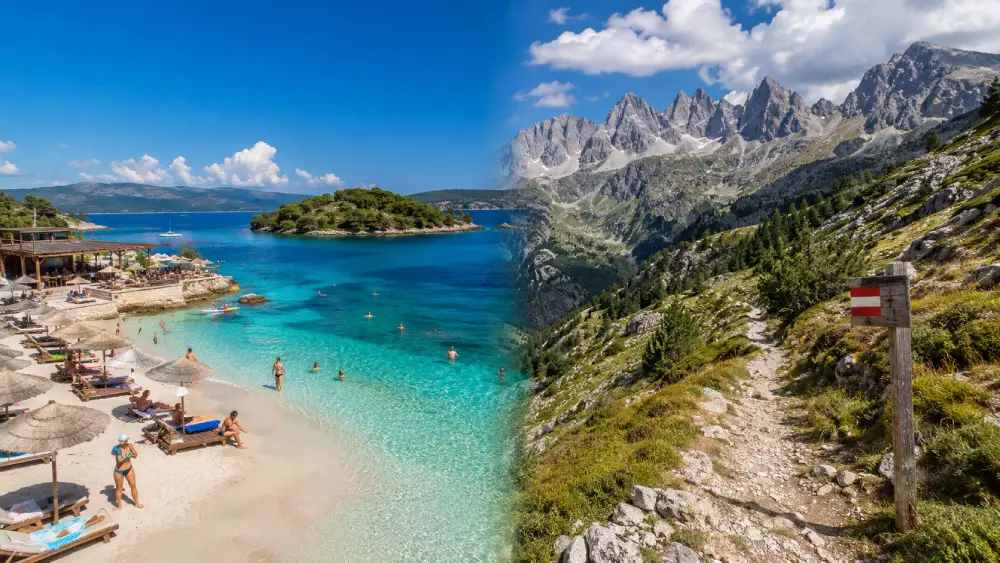
Albania is incredibly welcoming, but like any rapidly developing country, some areas are better suited for tourists than others. Tirana, the vibrant and colorful capital, is overwhelmingly safe both day and night. Neighborhoods like Blloku, the trendy nightlife and dining district, are heavily policed and packed with friendly locals.
Down on the Albanian Riviera, coastal towns like Ksamil, Saranda, and Himara transform into massive, bustling resorts during the summer months. These beach hotspots are incredibly safe, though you should always watch your belongings when swimming. If you are debating whether the southern coast is right for your itinerary, our guide on Albania vs. Croatia provides a realistic comparison.
Are there actual no-go zones? Not exactly, but certain regions require increased vigilance and common sense.
-
Northern Border Regions: The mountainous areas near Kosovo still have some lingering unexploded ordnance from past conflicts, so always stay on marked hiking trails.
-
Lazarat: infamous globally as a lawless village, it has been heavily cleaned up by authorities but still lacks tourist infrastructure.
-
Suburbs of Tirana: The deep, residential outskirts of the capital can be poorly lit at night and lack proper sidewalks for pedestrians.
Transportation Safety: Surviving the Chaos on the Roads
Getting around Albania is an adventure in itself, and traffic safety is undeniably your most legitimate concern. The local driving culture is notoriously aggressive, fast-paced, and wildly unpredictable. Stop signs, lane markings, and speed limits are frequently treated as mere suggestions by local drivers.
If you rent a car, drive defensively at all times and absolutely avoid driving outside of major cities at night. Rural roads are often unlit, plagued with deep potholes, and frequently blocked by wandering livestock or stray dogs.
Public transportation is incredibly cheap but lacks the rigid organization of Western Europe. Furgons (privately owned minibuses) are the primary way locals and tourists travel between cities.
-
Furgons leave when full, so schedules are highly flexible and air conditioning is never guaranteed.
-
Uber does not operate in Albania, meaning you must rely on local taxi apps like Speed Taxi or hail licensed yellow cabs.
-
Always agree on a taxi price beforehand if the driver claims the meter is broken to avoid sudden upcharges.
Tourist Scams: The New 2026 Financial Threats
As Albania becomes a mainstream European destination, opportunistic scammers are rapidly refining their tactics to target foreigners. Violent muggings are virtually unheard of, but financial traps and clever hustles are becoming more common. You need to stay sharp to protect your travel budget.
The most prevalent issue is the Taxi Overcharging Trap at major transit hubs. Unlicensed drivers lingering inside Tirana International Airport or at the Saranda ferry port will aggressively offer rides at astronomical prices. Always book a licensed cab at the official taxi rank outside, or use a reputable local ride-hailing app.
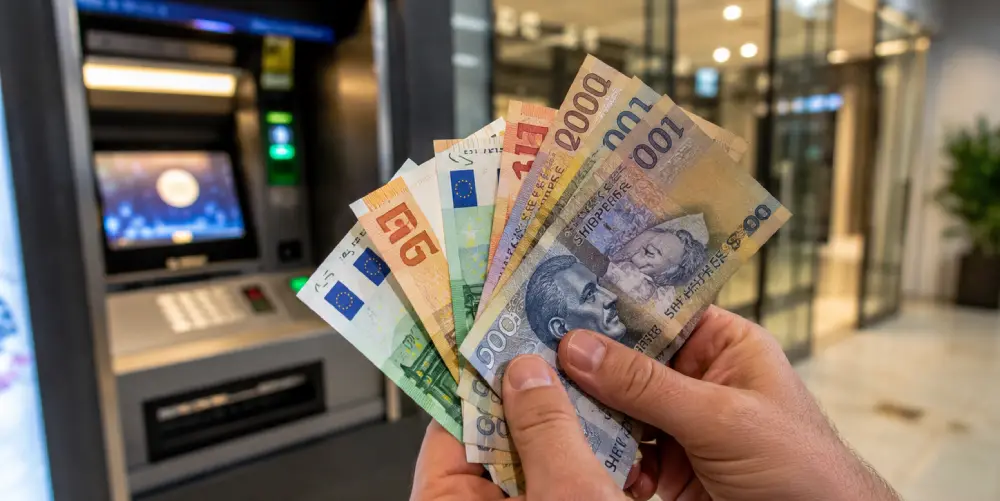
ATM Skimming and Currency Confusion are also significantly on the rise. Albania operates heavily on cash (the Albanian Lek), though Euros are widely accepted in tourist zones.
-
Avoid standalone ATMs on random streets; use machines securely located inside major, reputable bank branches.
-
Watch the exchange rate closely, as vendors may let you pay in Euros but use a terrible conversion rate to pocket the difference.
-
Always check your change, because scammers occasionally hand back outdated, worthless notes to distracted tourists.
Women’s Safety & Solo Travel Realities
Albania is an exceptional and highly rewarding destination for solo female travelers. The local culture is deeply rooted in Besa, an ancient Albanian code of honor that heavily emphasizes hospitality and protecting guests. Locals are generally incredibly protective of tourists and will often go out of their way to ensure you are safe.
However, it is important to remember that Albania is still a traditional, patriarchal society, particularly outside the capital. "Machismo" culture does exist, and solo women may experience prolonged stares, honking cars, or minor catcalling. This behavior is usually rooted in harmless curiosity rather than an aggressive threat, and ignoring it is the best strategy.
When it comes to nightlife and socializing, Tirana and the Riviera are very relaxed and modern. You can dress comfortably and confidently, just as you would in any other European capital city.
-
Never leave your drink unattended at bars or beach clubs, as drink spiking remains a universal global issue.
-
Dress modestly in rural mountain villages or when visiting religious sites to respect the more conservative local customs.
-
Stick to well-lit, busy streets at night and avoid wandering alone through dark alleys after leaving a club.
Health, Tap Water & Nature Hazards
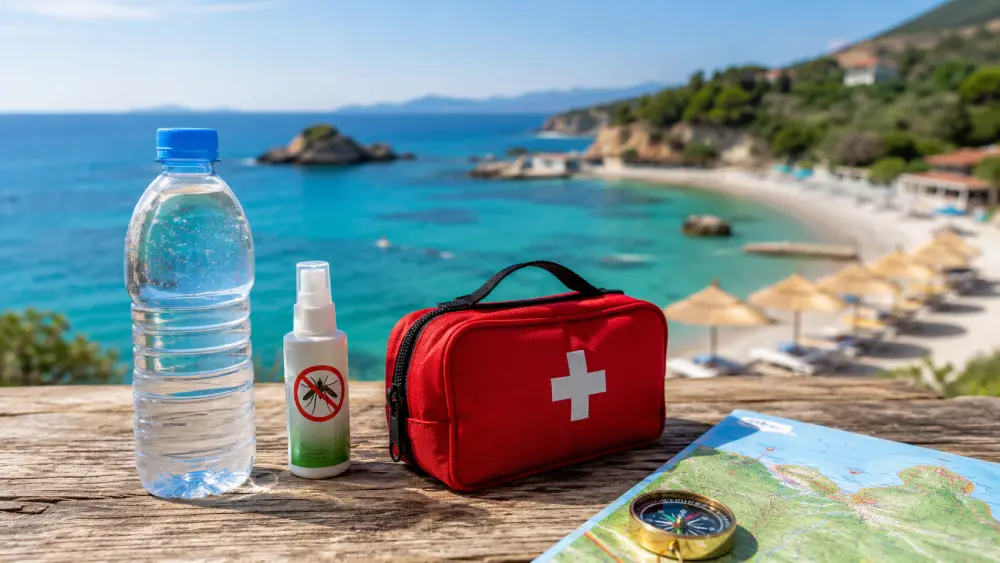
Your physical well-being in Albania will largely depend on standard travel preparation and basic common sense. Do not drink the tap water anywhere in Albania. The aging municipal plumbing infrastructure means the tap water can easily cause severe stomach upset for foreigners. Rely strictly on sealed bottled water for drinking, and use it when brushing your teeth to be extra safe.
Mosquitoes are a massive nuisance during the hot summer months, particularly near lakes, coastal wetlands, and outdoor restaurants. While serious diseases like malaria are not a concern, the bites are incredibly itchy and frustrating. Pack a strong insect repellent containing DEET and ask your accommodation for plug-in mosquito repellents for your room.
In terms of environmental risks, Albania is located in an active seismic zone. Minor earthquakes are somewhat common throughout the year, though severe, damaging tremors are rare.
-
Watch out for stray dogs in cities and rural areas; most are tagged and friendly, but it is best not to pet them.
-
Beware of strong, hidden undertows on the coastline, and never swim far out if there is no lifeguard on duty.
-
Carry a basic first aid kit, as pharmacies in rural mountain areas are scarce and may not stock specific international medications.
The Ultimate Safety Tool: Staying Connected
In 2026, a reliable, high-speed internet connection is your most vital piece of travel safety gear. Having immediate data access means you can instantly translate a menu to avoid severe food allergies, summon a licensed taxi to escape a sketchy situation, or navigate offline maps when wandering through winding streets. Relying on spotty, public cafe Wi-Fi is a massive security risk, as open networks are notorious for data theft and hacking.
Need data in Albania? Get an eSIM!
Choose the perfect data plan for your trip

Manage your eSIM in the app
Install, top up and track data.
The safest and most efficient way to stay is by downloading an Albania eSIM. Using a trusted provider that offers seamless coverage across over 200 countries ensures your data is secure the moment your plane lands in Tirana. It prevents you from getting hopelessly lost in the mountains and eliminates the need to hand your physical passport to a stranger at a local telecom kiosk.
If you are unsure how this digital technology works, check out our beginner's guide on How to Get Internet in Albania. You can also instantly find the perfect data plan for your specific itinerary by reading our Best eSIM for Albania.
Official Travel Advisories (2026 Update)
Government agencies constantly monitor the ground situation in the Balkans to provide guidance for their citizens. Before you book your tickets, it is wise to know exactly where your home country stands on Albanian travel safety this year.
-
USA (State Department): Currently ranks Albania at a Level 2 (Exercise Increased Caution), which is the exact same safety rating given to France, Italy, and the UK. The advisory primarily warns travelers about petty street crime and urges vigilance during large political gatherings.
-
UK (FCDO): Considers Albania to be generally very safe for British tourists. They strongly highlight the dangers of aggressive local driving conditions and advise severe caution regarding unexploded ordnance near the northeastern border.
-
Canada: Advises travelers to take normal security precautions while visiting. They specifically warn against organized crime violence, though they clearly note this rarely affects tourists or major attractions.
The Verdict: Is Albania Safe?
Albania is undeniably a safe and spectacular destination for tourists in 2026. It offers a rare combination of breathtaking European scenery, deep historical roots, and a remarkably low rate of violent crime against foreigners. The primary risks you will actually face are chaotic traffic, minor financial tourist scams, and the occasional pickpocket in crowded areas. If you travel with common sense and a bit of street smarts, your Albanian adventure will be both highly secure and utterly unforgettable.
-
Golden Rules for 2026:
-
Never drink the tap water; always rely on sealed bottled water for drinking and brushing teeth.
-
Only use official yellow taxis or reputable local ride-hailing apps to avoid massive overcharging.
-
Stay vigilant at ATMs and exclusively use machines securely located inside actual bank branches.
-
Download an eSIM before arrival so you never lose access to emergency translation and GPS maps.
-
Drive highly defensively and absolutely avoid intercity driving on rural roads at night.
Note: Travel safety situations can change rapidly. This information is accurate as of May 2026. Always exercise street smarts and consult official advisories before your trip.