

'/%3e%3cuse xlink:href='%23a' transform='rotate(60)'/%3e%3ccircle r='17' fill='%23000095'/%3e%3ccircle r='15' fill='%23fff'/%3e%3c/svg%3e)
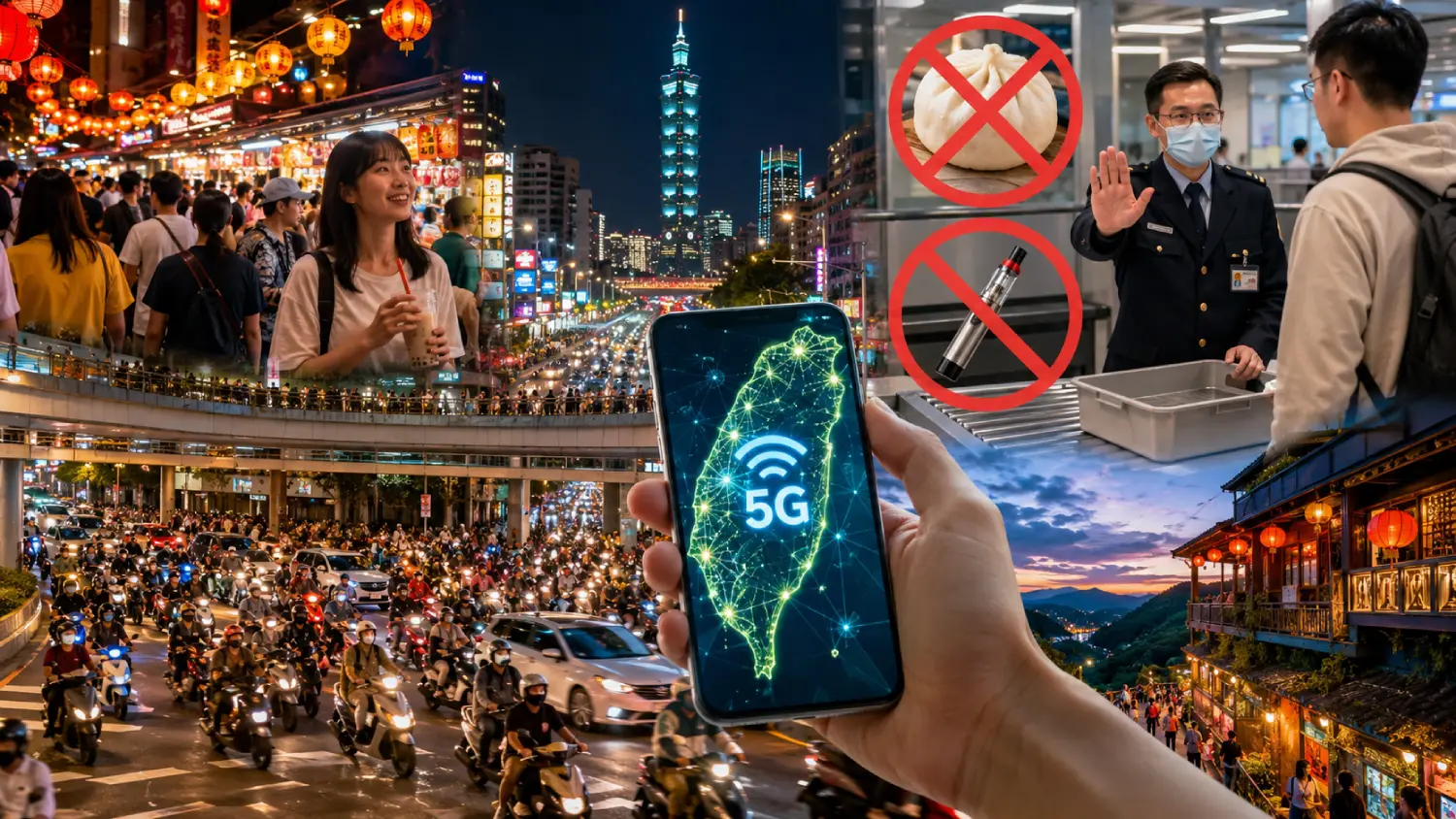
The short answer is an overwhelming Yes. In fact, Taiwan consistently ranks among the top five safest countries in the entire world. You are far more likely to leave your wallet on a park bench and find it sitting in the exact same spot three hours later than you are to be mugged. However, navigating the country requires understanding a unique set of modern challenges. The government has enacted incredibly strict regulatory measures to protect public health and safety. Understanding how to dodge aggressive traffic, navigate extreme weather, and avoid accidental legal trouble will ensure your trip remains flawless.
The Reality on the Streets: Geopolitics vs. Daily Life
If you consume Western media, you might assume Taiwan is a high-stress fortress bracing for an imminent invasion. The on-the-ground reality in 2026 could not be further from this perception. Daily life in Taiwan is deeply peaceful, highly organized, and completely devoid of the tension you see on television. Locals are going about their business, the night markets are booming, and tourism is thriving.
Violent crime against tourists is virtually non-existent. The police are highly professional, visible, and helpful to foreigners. Instead of worrying about pickpockets or muggings, your primary focus should be on the country's stringent civil codes. Taiwan does not play around with public order. For instance, smoking is heavily restricted, and vaping is completely illegal—bringing an e-cigarette into the country will result in massive fines. Before you book your flight, you absolutely must brush up on our Taiwan Tourist Bans & Laws guide so you do not accidentally commit a crime.
Furthermore, drug laws are draconian. Even possession of a tiny amount of cannabis can lead to severe prison sentences. The authorities have zero tolerance for "ignorant tourists," so ensure you understand the local rules before stepping out of your hotel.
Regional Breakdown: Safe Zones vs. Areas to Avoid
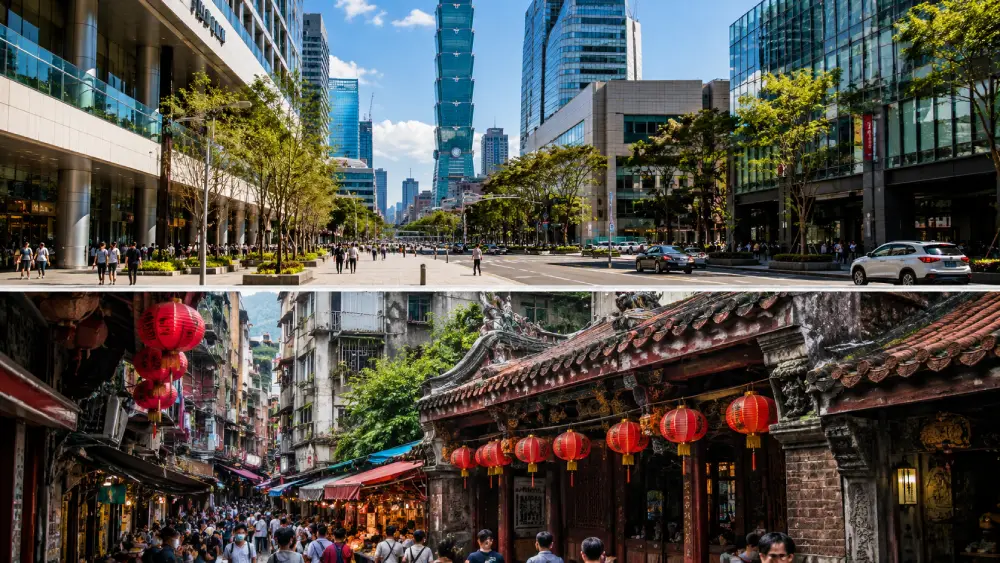
Taiwan is unique because there are practically no "dangerous" neighborhoods in the traditional sense. Whether you are wandering through the ultra-modern streets of Xinyi in Taipei or exploring the historic temples of Tainan, your physical safety is rarely in jeopardy.
However, a few specific zones require elevated street smarts:
-
Wanhua District (Taipei): Famous for Longshan Temple, the surrounding alleys hold Taipei's historical red-light district. It is not dangerous, but late at night, the vibe shifts to a grittier scene with aggressive touts and intoxicated patrons. Keep your wits about you.
-
Kenting National Park Beaches: The southern tip of Taiwan gets incredibly crowded during peak season. Because it is a massive tourist hub, it is of the rare places in Taiwan where opportunistic bag snatchers might target an unattended towel.
-
Mountain Highways (Central Taiwan): If you are heading up to Alishan or Taroko Gorge, the risk is environmental. Mountain roads are prone to rockfalls and landslides, especially after heavy rain. Always check local road closures before driving or taking a bus into the mountains.
Transportation Safety: Surviving the "Pedestrian Hell"
The absolute greatest threat to your safety in Taiwan is crossing the street. The island has infamously earned the local moniker of "pedestrian hell." While the government enacted strict new traffic laws in recent years to force drivers to yield, enforcement remains inconsistent in 2026.
Scooters rule the road in Taiwan. They weave through traffic, jump the gun at stoplights, and occasionally zip down sidewalks or through crowded night markets. Never assume a green pedestrian light means you are safe. Always look both ways, make eye contact with turning drivers, and walk with purpose.
When it comes to getting around safely, you have excellent options:
-
The MRT (Subway) & HSR (High-Speed Rail): These are the gold standards of travel. They are impeccably clean, perfectly on time, and 100% safe at all hours of the day and night.
-
Taxis and Uber: Both are highly regulated, safe, and metered. You do not have to worry about fake cabs or violent kidnappings.
-
Renting a Scooter: We strongly advise against renting a scooter unless you are highly experienced. The flow of Taiwanese scooter traffic is a complex dance that foreigners rarely master on a short trip.
Tourist Scams & Regulatory Traps
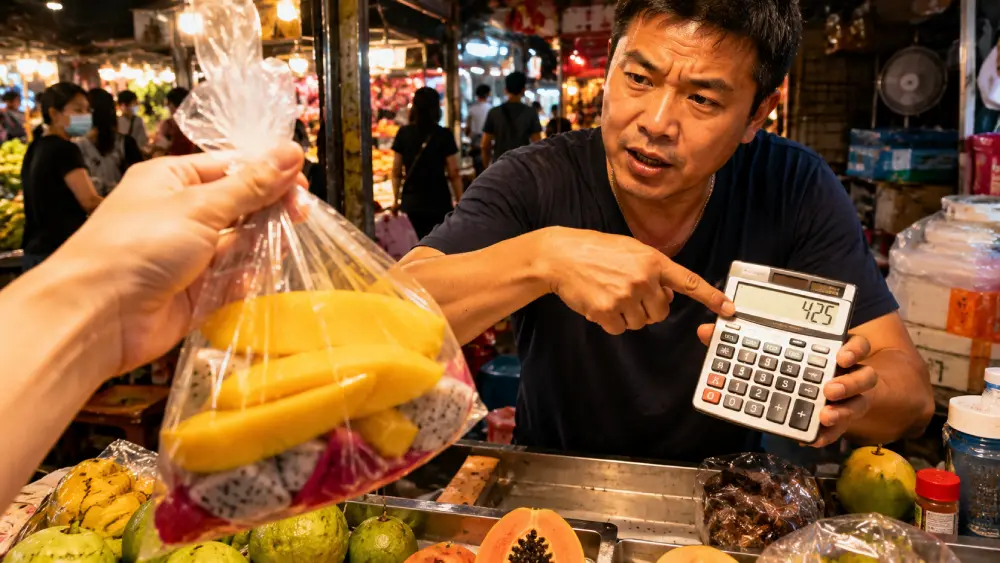
Taiwan does not have the aggressive scam culture found in other parts of Asia, but a few specific traps exist to separate you from your money in 2026.
Keep an eye out for these financial pitfalls:
-
The Fake Monk Scam: You may be approached in busy areas like Ximending by individuals dressed as monks who forcefully hand you a beaded bracelet or a golden amulet. you take it, they will aggressively demand a large "donation." Just firmly say no and keep walking.
-
The Tea House Overcharge: While rare, some traditional tea houses in tourist heavy areas like Jiufen will invite you in without a clear menu. They will serve you an elaborate tea ceremony and then slap you with a bill for hundreds of dollars. Always confirm the price before sitting down.
-
The Meat Smuggling Trap: This is the most expensive "scam" that is actually a government law. Taiwan is battling African Swine Fever and heavily penalizes anyone bringing meat products into the country. If you have a pork bun from your layover in your bag, you will be fined over $6,000 USD at customs. To avoid bankruptcy at the border, read our Taiwan Airport Customs Rules guide thoroughly.
-
Night Market "Foreigner Pricing": While most vendors are incredibly honest, a few unpriced stalls might inflate the cost of fruit or seafood when they hear English. Stick to stalls with clear, printed price menus.
Women’s Safety & Solo Travel
Taiwan is widely considered a utopia for solo female travelers. The concept of "machismo" or aggressive street harassment is culturally foreign here. Catcalling is virtually unheard of.
You can comfortably walk alone through a night market at midnight or take the MRT home at 1:00 AM without constantly looking over your shoulder. The culture is built on deep respect for personal space. Furthermore, most convenience stores are open 24 hours, brightly lit, and equipped with cameras, serving as safe havens in every neighborhood.
While Taiwan is highly progressive, it remains culturally modest in certain aspects. There is no strict dress code, but wearing overly revealing clothing away from the beach may draw curious stares from older generations. In temples and rural areas, it is simply respectful to keep your shoulders and knees covered.
Health, Tap Water & The Ring of Fire
Taiwan's public health infrastructure is world-class, but the tropical climate and geology present natural challenges.
Let's address the environmental realities:
-
Tap Water: The water leaving the treatment plants is perfectly safe, but the pipes in older buildings can leach heavy metals. Locals always boil tap water before drinking it. For travelers, it is easiest to stick to bottled water or use the free, filtered water dispensers located in almost every MRT station and hotel.
-
Earthquakes: Taiwan sits right on the Pacific Ring of Fire. Tremors are incredibly common. Fortunately, the country's building codes are some of the strictest on earth. If an earthquake hits, do as the locals do: stay calm, take cover under a sturdy table, and wait it out.
-
Typhoons: Typhoon season runs from July to October. These massive storms bring torrential rain and fierce winds, causing flight cancellations and forcing the island into lockdown for a day or two. If you travel during this time, keep a flexible itinerary.
-
Dengue Fever: In the humid southern cities like Kaohsiung and Tainan, mosquitoes can carry Dengue fever during the summer months. Always wear strong bug repellent if you are hiking or sitting outdoors in the south.
The Ultimate Safety Tool: Staying Connected
When navigating chaotic scooter traffic, translating menus to avoid allergies, or receiving government earthquake alerts, local internet is your most critical lifeline. Do not rely on unsecured public Wi-Fi, which leaves your personal data vulnerable to hackers in crowded tourist zones.
Need data in Taiwan? Get an eSIM!
Choose the perfect data plan for your trip

Manage your eSIM in the app
Install, top up and track data.
Instead, download a Taiwan eSIM before you even board your flight. This allows you to instantly connect to local networks the second you land, bypassing the long lines at airport kiosk counters. Having reliable data means you can summon an Uber, use Google Maps to escape a confusing alley, and access the English-language 165 anti-fraud hotline instantly.
To make sure you are getting the fastest data at the best price, review our guide on How to Get Internet in Taiwan, and definitely check out the Best eSIM for Taiwan to find the perfect plan for your itinerary.
Official Travel Advisories (2026 Update)
Global governments consistently rank Taiwan as of the safest travel destinations on earth. Here is the current diplomatic consensus for 2026:
-
United States (State Department): Ranks Taiwan at a Level 1—the lowest possible risk tier. They advise citizens to exercise normal precautions, noting the exceptionally low crime rate.
-
United Kingdom (FCDO): Advises standard safety precautions. They highlight the risk of natural disasters like typhoons and earthquakes rather than any threat of violent crime.
-
Canada: Maintains a green light for Taiwan, advising travelers to take normal security precautions. They simply warn visitors to be vigilant in heavy traffic and obey all local laws regarding restricted items.
The Verdict: Is Taiwan Safe?
Taiwan is undeniably of the safest, most welcoming, and highly organized countries you can visit in 2026. The risks of violent crime, muggings, or major scams are incredibly low. If you manage to survive the chaotic pedestrian crossings and respect the intense local laws regarding customs and behavior, your trip will be completely stress-free.
Golden Rules for Taiwan in 2026:
-
Look every direction when walking. The scooters will not stop for you; you must actively avoid them.
-
Never bring meat or vapes into the country. The customs fines will ruin your entire travel budget on day.
-
Do not drink straight from the tap. Use the filtered water stations found in transit hubs or buy bottled water.
-
Say no to the "monks." Ignore anyone aggressively trying to hand you an item on the street.
-
Stay connected. Download your eSIM before landing so you can navigate the language barrier and receive weather alerts seamlessly.
Note: Travel safety situations can change rapidly. This information is accurate as of May 2026. Always exercise street smarts and consult official advisories before your trip.