

'/%3e%3cuse xlink:href='%23a' transform='translate(0 -400)'/%3e%3cuse xlink:href='%23a' transform='translate(0 -600)'/%3e%3cuse xlink:href='%23a' transform='translate(0 -800)'/%3e%3cuse xlink:href='%23a' transform='translate(0 -1000)'/%3e%3cuse xlink:href='%23a' transform='translate(0 -1200)'/%3e%3cpath d='M0 0h1400v800H0z' style='fill:%23010066'/%3e%3cpath d='M576 100c-166.146 0-301 134.406-301 300s134.854 300 301 300c60.027 0 115.955-17.564 162.927-47.783-27.353 9.44-56.71 14.602-87.271 14.602-147.327 0-266.897-119.172-266.897-266.01 0-146.837 119.57-266.01 266.897-266.01 32.558 0 63.746 5.815 92.602 16.468C696.217 118.91 638.305 100 576 100z' style='fill:%23fc0'/%3e%3cpath d='m914.286 471.429-99.538-53.25 29.43 108.982-66.575-91.165-20.77 110.96-20.428-111.024-66.857 90.96L699.314 418l-99.701 52.943 74.065-85.192-112.8 4.441 103.694-44.62-103.555-44.94L673.8 305.42 600 220l99.538 53.25-29.43-108.982 66.575 91.165 20.77-110.96 20.428 111.023 66.857-90.959L814.97 273.43l99.702-52.944-74.065 85.193 112.8-4.441-103.694 44.62 103.555 44.94-112.785-4.79z' style='fill:%23fc0' transform='matrix(1.2738 0 0 1.2423 -89.443 -29.478)'/%3e%3c/svg%3e)
The short answer is yes, Malaysia is highly safe for tourists. Violent crime against foreigners is exceedingly rare, and the political climate is generally stable. However, the "danger" here has shifted away from physical threats and moved heavily toward digital fraud, opportunistic snatch theft, and strictly enforced local customs.
If you understand the cultural boundaries and know how to navigate the modern scam landscape, your trip will be incredibly smooth. Familiarize yourself with Malaysia Airport Customs Rules to ensure you don't run into trouble with the authorities upon arrival. Here is the unfiltered truth about staying secure in Malaysia right now.
The Reality on the Streets: Crime & Culture
Malaysia is a Muslim-majority country with a unique dual justice system, meaning secular laws exist alongside Sharia law for Muslims. While tourists are not subject to Sharia law, the conservative cultural influence permeates daily life. Respecting these boundaries is your first line of defense against unwanted attention or legal trouble.
Violent crime, such as armed robbery or assault, is rarely directed at travelers. The police presence in major cities like Kuala Lumpur and George Town is visible and generally helpful to tourists. However, petty crime remains a persistent nuisance that you must actively guard against.
The most common physical threat to tourists is snatch theft. Thieves operate on motorcycles, riding close to the sidewalk to grab purses, smartphones, and cameras from unsuspecting pedestrians. Victims have been dragged into the street and severely injured when they refused to let go of their bags.
To avoid becoming a target, always walk facing traffic so you can see approaching motorcycles. Keep your bags slung across your body and positioned away from the road. Be completely aware of Malaysia Tourist Bans & Laws so you don't accidentally commit an offense while trying to enjoy your vacation.
Regional Breakdown: Safe Zones vs. Areas to Avoid
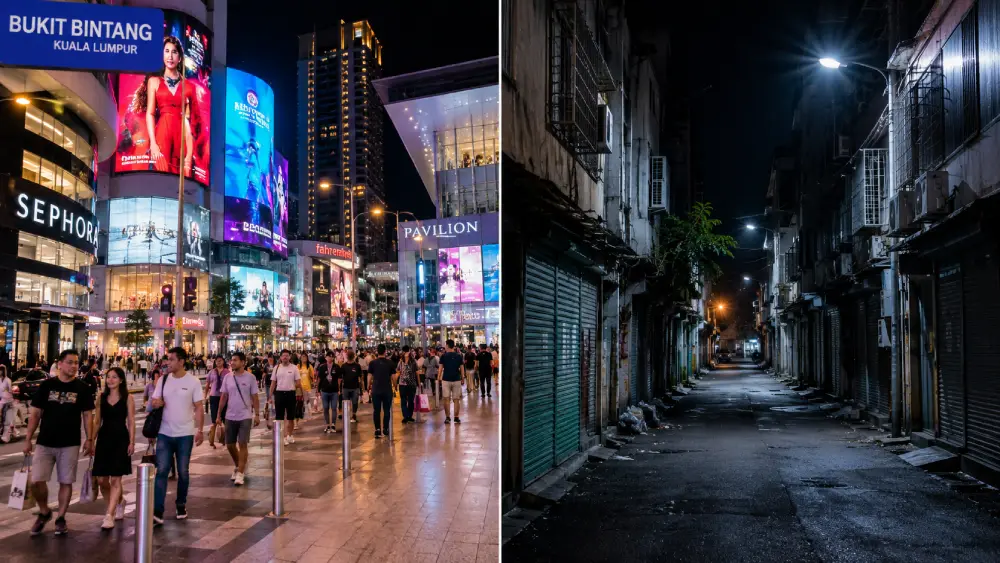
Malaysia is geographically diverse, split between Peninsular Malaysia and East Malaysia on the island of Borneo. Safety levels vary significantly depending on which region you are exploring.
Highly Safe Tourist Zones:
-
Kuala Lumpur City Centre (KLCC): Extremely well-lit, heavily policed, and generally safe to walk around at night.
-
George Town, Penang: A vibrant, safe cultural hub with rare instances of violent crime.
-
Langkawi: This island is incredibly laid-back and safe, with aggressive macaque monkeys being your biggest threat.
-
Malacca (Melaka): A relaxed historical city with a very low crime rate and a welcoming atmosphere.
Areas Requiring Extra Caution:
-
Chow Kit (Kuala Lumpur): While culturally fascinating during the day, this area can feel sketchy at night due to localized gang activity.
-
Eastern Sabah (Borneo): The coastal areas of Eastern Sabah carry a severe risk of kidnapping by militant groups operating from the southern Philippines.
-
The Sabah Curfew Zone: Authorities enforce strict dusk-to-dawn water curfews here. If you are diving in this region, you must stay at highly secure resorts and follow all military directives.
Transportation Safety: Getting Around
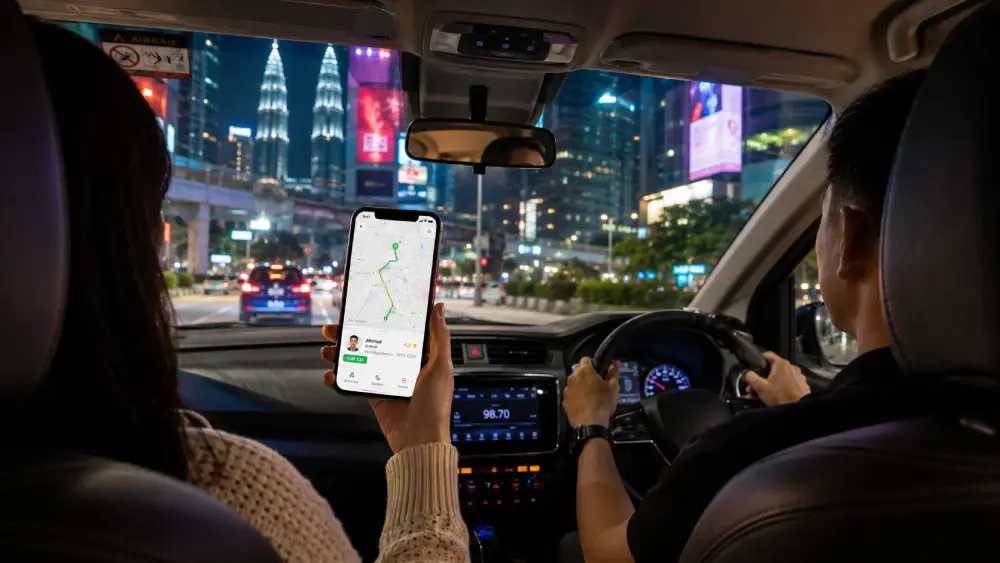
Getting around Malaysia is remarkably easy, but not all transportation methods are created equal when it comes to safety. The golden rule for 2026 is to rely heavily on rideshare technology rather than hailing vehicles off the street.
-
Use Grab for Everything: Grab is the dominant rideshare app in Southeast Asia. It tracks your route, provides driver details, and eliminates language barriers and price haggling.
-
Avoid Street Taxis: Traditional taxis in Kuala Lumpur are notorious for refusing to use meters, taking wildly inefficient routes, and aggressively overcharging tourists.
-
Public Transit: KL’s LRT, MRT, and Monorail systems are cheap, impeccably clean, and exceptionally safe. They feature women-only carriages, marked in pink, for added comfort.
-
Motorcycle Rentals: Renting a scooter is popular, but road safety standards are vastly different from the West. Always wear a helmet, check your brakes, and ensure you have valid travel insurance.
Tourist Scams: The New Threats
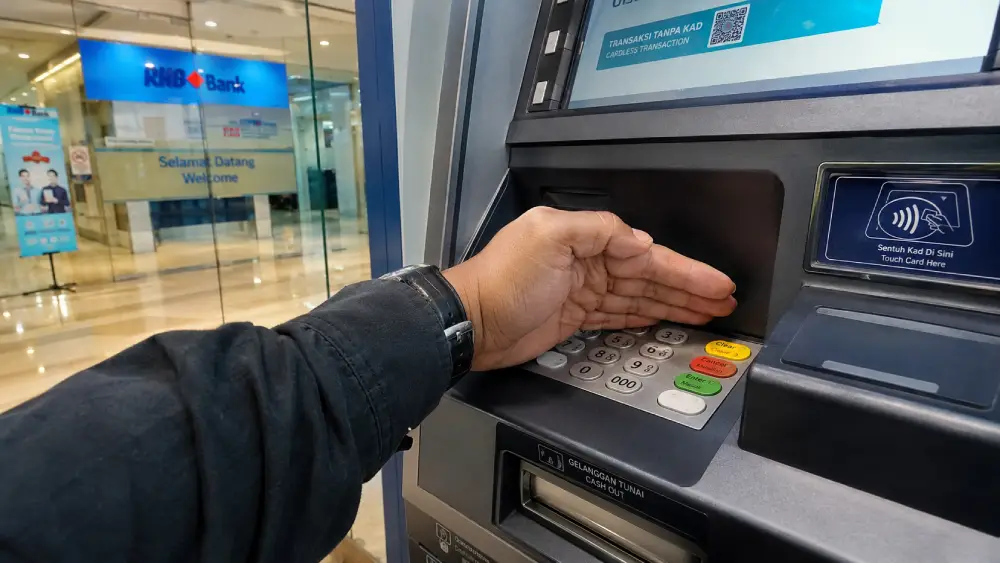
Thieves in Malaysia have become increasingly sophisticated. Rather than mugging you in an alley, they are far more likely to drain your bank account through digital deception or confidence tricks.
Watch out for these prevalent 2026 scams:
-
The MDAC Phishing Scam: Scammers have created fake websites for the mandatory Malaysia Digital Arrival Card (MDAC) that charge exorbitant processing fees to steal your credit card details.
-
The Poker Game Trick: Friendly locals invite you to their home, which inevitably leads to a rigged card game where tourists are pressured into handing over thousands of dollars.
-
ATM Skimming: Criminals frequently attach undetectable skimming devices to ATMs in tourist areas. Always use ATMs located inside bank branches or heavily monitored shopping malls.
-
Fake Monks: You may be approached by individuals dressed as Buddhist monks aggressively demanding donations in exchange for cheap trinkets.
Women’s Safety & Solo Travel
Malaysia is widely considered of the easiest and safest countries in Asia for solo female travelers. The culture is polite, and the aggressive catcalling common in some other regions is virtually non-existent here. However, blending in requires an understanding of local modesty.
Because it is a conservative country, dressing appropriately will significantly reduce unwanted stares. While you can wear bikinis on the beaches of Langkawi, walking around city streets in revealing clothing is considered highly disrespectful. Opt for light, breathable fabrics that cover your shoulders and knees when exploring urban areas.
Nightlife in Kuala Lumpur is vibrant, particularly in areas like Bukit Bintang. Drink spiking is rare but does happen, so never leave your beverage unattended. Be cautious of overly friendly strangers offering you free cigarettes or gum, as there have been isolated reports of these items being laced with sedatives.
Health, Tap Water & Nature
Your physical health in Malaysia is more likely to be threatened by the climate and wildlife than by criminals. The tropical environment demands specific precautions.
-
Do Not Drink the Tap Water: While water treatment plants are modern, the old pipes in many buildings are not. Always stick to bottled or filtered water.
-
Dengue Fever: This mosquito-borne illness is a year-round threat, particularly during the rainy seasons. You must use strong DEET repellent daily.
-
The Haze: Slash-and-burn farming in neighboring countries can occasionally blanket Malaysia in toxic smog. Check local air quality indexes during your trip.
-
Aggressive Wildlife: Macaque monkeys near temples and nature reserves carry rabies and will bite if they think you have food. Do not feed them and keep your water bottles hidden.
The Ultimate Safety Tool: Staying Connected
In 2026, traveling without constant internet access is a massive safety vulnerability. You need data to order a safe Grab ride, translate conversations, navigate offline maps to avoid bad neighborhoods, and receive emergency alerts.
Need data in Malaysia? Get an eSIM!
Choose the perfect data plan for your trip

Manage your eSIM in the app
Install, top up and track data.
Relying on public Wi-Fi is a terrible idea, as hackers frequently set up fake networks in coffee shops to steal passwords and credit card info. The safest and most efficient solution is downloading a Malaysia eSIM before your flight lands. This guarantees you have secure, encrypted data the second you step off the plane.
To figure out exactly which data package fits your itinerary, read our Best eSIM for Malaysia guide. If you want to explore all available connectivity options, check out How to Get Internet in Malaysia.
Official Travel Advisories (2026 Update)
Global governments consistently rank Malaysia as a safe destination, with major geographical exception. Here is what the top authorities advise for 2026:
-
United States (State Department): Ranks Malaysia at Level 1 (Exercise Normal Precautions), but issues a strict Level 2 (Exercise Increased Caution) for the eastern coast of Sabah State.
-
Canada: Advises citizens to take normal security precautions for the majority of the country. They elevate the warning to "Avoid all travel" for the east coast of Sabah.
-
United Kingdom (FCDO): Clears the vast majority of Malaysia for normal travel. They explicitly advise against all but essential travel to the islands and dive sites off eastern Sabah.
The Verdict: Is Malaysia Safe?
Yes, Malaysia is a remarkably safe, welcoming, and highly developed destination for travelers in 2026. The primary risks are non-violent, revolving around digital scams, petty theft, and the occasional bout of food poisoning. If you respect the local Muslim culture, use rideshare apps instead of street taxis, and keep a tight grip on your bags near busy roads, your trip will be spectacular.
Golden Rules for Malaysia in 2026:
-
Beware the Motorbikes: Always walk facing traffic and keep your bag securely slung away from the street to defeat snatch thieves.
-
Use Grab Exclusively: Never hail a street taxi; use the Grab app for transparent pricing and tracked journeys.
-
Dress Modestly: Save the beachwear for the islands; cover your shoulders and knees when exploring cities and religious sites.
-
Skip Eastern Sabah (For Now): Unless you are staying at heavily guarded resorts, avoid the east coast of Borneo due to lingering kidnap risks.
-
Stay Hydrated & Protected: Drink bottled water and apply heavy mosquito repellent daily to ward off Dengue fever.
Note: Travel safety situations can change rapidly. This information is accurate as of May 2026. Always exercise street smarts and consult official advisories before your trip.