

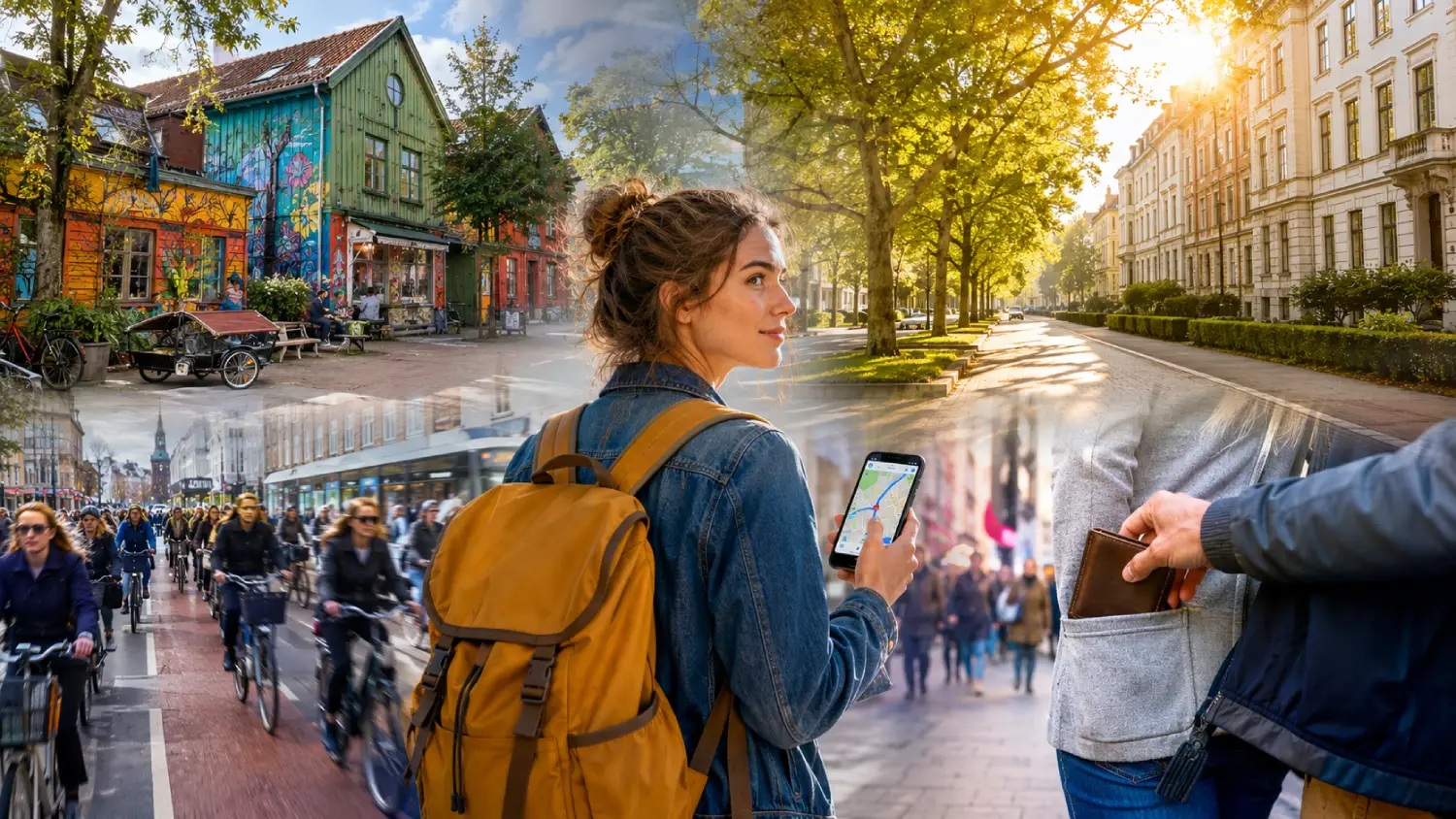

The short answer is yes, Denmark remains of the safest countries on Earth. Violent crime targeting tourists is almost non-existent, and you will not find the blatant street danger common in other global capitals. However, the definition of "danger" here has evolved significantly over the last few years.
If you drop your guard because of the country's stellar reputation, you will become an easy target for sophisticated thieves. The threats in 2026 are mostly financial and physical accidents, driven by distraction and a lack of local awareness. From navigating the hyper-aggressive bicycle traffic to avoiding the remnants of gang-run street corners, you need a modern survival guide to thrive here.
The Current Reality: Post-Pusher Street and Suburban Tensions
Denmark is politically rock-solid, and civic trust runs incredibly deep among the local population. The police are professional, highly visible, and do not accept bribes under any circumstances. However, the biggest safety shift for travelers in 2026 centers around the famous Freetown Christiania.
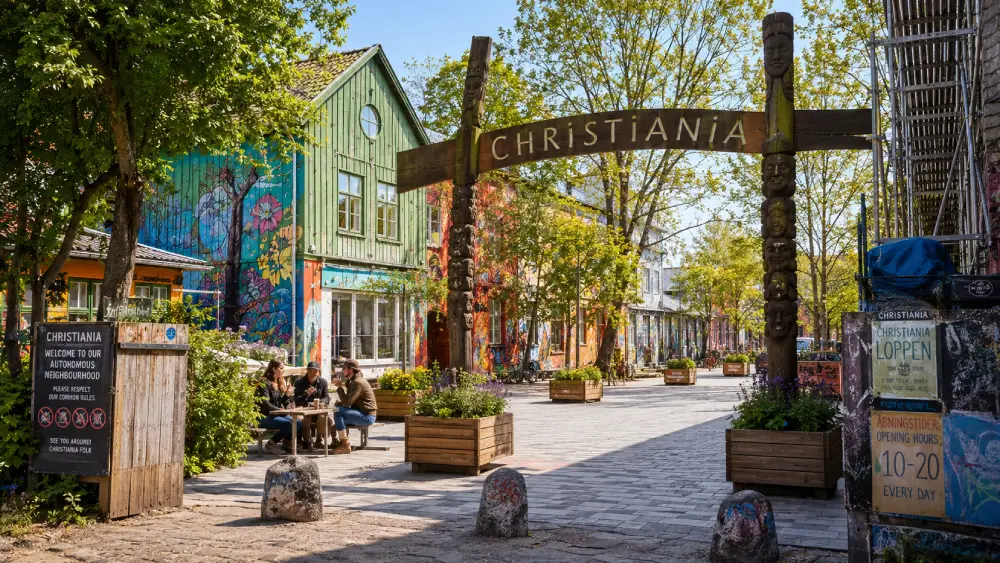
For decades, Christiania operated as an autonomous hippie commune featuring "Pusher Street," Northern Europe’s most famous open-air cannabis market. That era is officially over. Following an escalation in gang violence and fatal shootings, the residents of Christiania voted to reclaim their neighborhood, physically digging up the cobblestones and dismantling the drug stalls in 2024.
Today, recreational cannabis remains strictly illegal in Denmark, carrying instant fines of around 2,000 DKK for simple possession. While a permanent medical cannabis program launched safely in January 2026, street-level drug dealing has been forced into the shadows by organized criminal networks. Tourists attempting to buy illegal substances from lingering street dealers face massive risks, including gang violence and severe legal penalties. Before arriving, make sure you know exactly what authorities look for by reading our guide on Denmark Airport Customs Rules.
Regional Breakdown: Safe Havens vs. Zones of Caution
Denmark does not have terrifying "no-go" zones, but situational awareness is still required in specific pockets of the capital.
The Absolute Safe Havens:
-
Frederiksberg: This is an affluent, independent municipality entirely surrounded by Copenhagen. It is heavily policed, incredibly quiet at night, and virtually free of street crime.
-
Østerbro: Known as the city's family district, this area is exceptionally secure. You can walk the broad boulevards here at midnight without a second thought.
-
Aarhus & Regional Denmark: Beyond the capital, cities like Aarhus and the island of Bornholm register crime rates so low they barely exist on global indices.
Areas Requiring Extra Vigilance:
-
Nørreport & Copenhagen Central Station: These massive transit hubs are the primary hunting grounds for organized pickpocket rings. They exploit the rush-hour crush to target distracted tourists.
-
Nørrebro & Nordvest: These neighborhoods are vibrant, culturally diverse, and packed with incredible food. However, deep residential blocks occasionally experience late-night flare-ups linked to gang rivalries.
-
Christiania Fringes: Inside the commune, the atmosphere is now peaceful, artistic, and safe for daytime exploring. However, the immediate outskirts can occasionally attract shady figures trying to replace the defunct Pusher Street market.
Transportation Safety: The Aggressive Bicycle Utopia
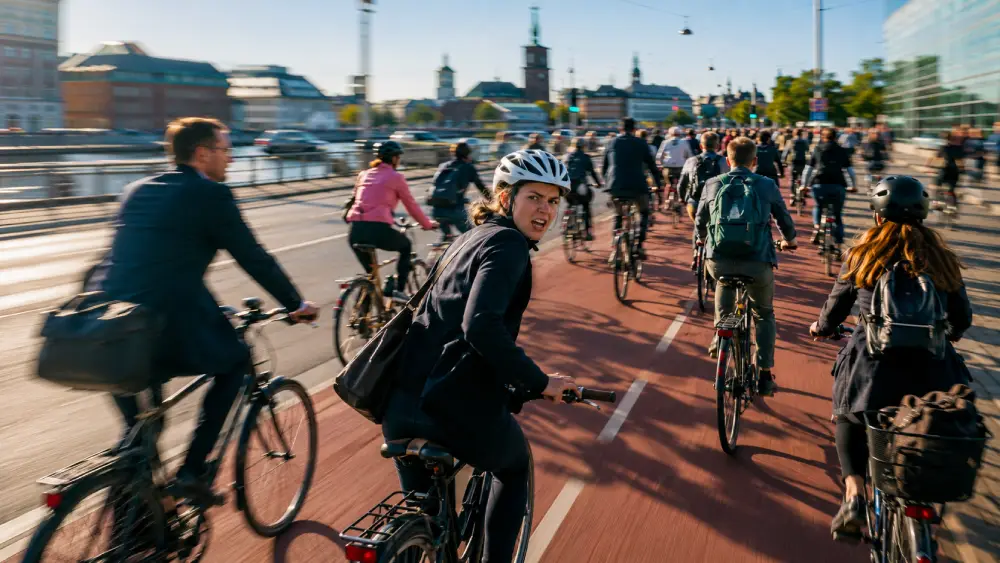
Getting around Denmark is highly efficient, but the biggest physical threat to a tourist is not a mugger—it is a commuting cyclist. Cycling here is not a leisurely hobby; it is a rapid, high-volume transit system.
The Bike Lane Danger:
Tourists constantly step off the sidewalk and into the red-paved cycle lanes without looking. Do not do this. Danish cyclists ride fast, they legally have the right of way, and they physically cannot brake in time for wandering pedestrians. Treat every bike lane like an active highway.
Bicycle Theft:
If you choose to join the locals and rent a bike, understand that bicycle theft is Denmark's most common crime. A simple wheel lock will not protect your rental. You must use a heavy-duty chain to secure the frame to a fixed, immovable object.
Public Transit & Rideshares:
The Metro, S-tog trains, and public buses run smoothly 24/7 and are remarkably safe. Uber operates legally and securely, but licensed local taxis are equally reliable and strictly regulated. There is no risk of encountering "fake taxis" or extortionate meters in Denmark.
Tourist Scams: The New Threat
Scams in Denmark are subtle and rely entirely on exploiting your distraction. No will aggressively drag you into a bar, but they will happily empty your pockets while you look the other way.
-
The Petition Distraction: Well-dressed individuals will approach you on Strøget (the main pedestrian shopping street) asking you to sign a charity petition. While you politely read their clipboard, an unseen accomplice is unzipping your backpack.
-
The Helpful Luggage Carrier: At busy train stations, a friendly stranger may offer to help carry your heavy suitcase up the stairs. By the time you reach the top landing, your smaller laptop bag or purse has mysteriously vanished into the crowd.
-
Fake Ticket Inspectors: Con artists wearing generic lanyards occasionally board the Metro, claiming your digital ticket is invalid. They will aggressively demand an "on-the-spot fine" paid in cash to avoid police involvement. Real inspectors always carry official company ID and electronic scanning machines.
-
The Law Ignorance Trap: Some tourists get slammed with massive, legitimate fines for crossing streets illegally or drinking in restricted zones. Brush up on local regulations with our Denmark Tourist Bans & Laws guide to save your wallet.
Women’s Safety & Solo Travel: Zero Machismo, High Independence
Denmark consistently ranks as a premier global destination for solo female travelers, boasting a safety score of 9.5/10 for women. The cultural environment here heavily prioritizes equality and personal space.
The concept of aggressive "machismo" street culture simply does not exist in Denmark. Catcalling, whistling, or unwanted street harassment is incredibly rare and is widely condemned by local citizens. Women routinely walk home alone or take the Metro at 3:00 AM without fear of being targeted.
Nightlife is generally very safe, and drink spiking is virtually unheard of. While Danes are famously reserved and keep to themselves, they are also fiercely protective of their civic peace. If a solo traveler is in visible distress, locals will not hesitate to intervene and offer help.
Health, Tap Water & Nature: The Nordic Elements
The natural elements and winter weather are far more likely to ruin your Danish vacation than any criminal element.
Tap Water & Healthcare:
Do not buy bottled water in Denmark. The tap water is heavily regulated, packed with natural minerals, and tastes better than most bottled brands. Furthermore, the healthcare system is world-class, and emergency care is provided freely to tourists, though you still need travel insurance for comprehensive coverage.
The North Sea Risks:
Denmark's western coastline is rugged and beautiful, but the North Sea is notoriously dangerous. Sudden wave surges, freezing temperatures (even in July), and powerful rip currents make it treacherous. Drowning is a leading cause of accidental tourist deaths, so swim at supervised beaches marked by green flags.
Winter Weather Hazards:
If visiting between November and March, prepare for brutal winds and hidden black ice. The sidewalks in Copenhagen can quickly turn into skating rinks. You must wear boots with heavy traction and windproof layers to avoid severe winter injuries.
The Ultimate Safety Tool: Staying Connected
When navigating a foreign city, secure internet access is your strongest line of defense. You need to pull up emergency translations, track confusing train schedules, and use Google Maps to route yourself away from dark residential blocks at night.
[pack:denmark]
Relying on public cafe Wi-Fi leaves you highly vulnerable to data interception, especially in heavily touristed areas. Downloading a local eSIM ensures you have an encrypted, high-speed connection the moment your plane touches down at Kastrup Airport. For a full breakdown of the digital landscape, read our guide on How to Get Internet in Denmark.
For the absolute best coverage across Copenhagen's underground metro and the remote coastal regions, installing a Denmark eSIM is the smartest security investment you can make.
Official Travel Advisories
Global governments universally recognize Denmark's stability, though they highlight a few regional European concerns.
-
United States (State Department): Ranks Denmark at Level 2 (Exercise Increased Caution). This is primarily due to the generalized threat of terrorism across all of Western Europe, advising tourists to remain vigilant in crowded transport hubs.
-
United Kingdom (FCDO): Notes that the domestic terror threat is "significant" but emphasizes that standard precautions are enough. They specifically warn British tourists about the high rates of bicycle theft and pickpocketing in Copenhagen.
-
Canada: Advises travelers to take normal security precautions. They echo warnings about petty crime in crowded tourist centers and urge caution when swimming on the west coast.
The Verdict: Is Denmark Safe?
Denmark remains a supremely safe, highly organized, and welcoming destination for travelers in 2026. While the end of Christiania's open cannabis market has shifted some local dynamics, and pickpockets still roam the transit hubs, basic street smarts are all you need to thrive.
-
Look before you step: Never walk into a red-paved cycle lane without checking for speeding bicycles.
-
Secure your belongings: Wear an anti-theft bag across your chest when moving through Nørreport Station or Central Station.
-
Skip the street dealers: Do not engage with illicit sellers on the fringes of Christiania; it is both illegal and physically dangerous.
-
Respect the North Sea: swim at lifeguard-supervised beaches and acclimatize slowly to avoid cold water shock.
-
Lock down your digital safety: Avoid public Wi-Fi hacking by securing your network. Review our Best eSIM for Denmark guide to stay protected.
Note: Travel safety situations can change rapidly. This information is accurate as of July 2026. Always exercise street smarts and consult official advisories before your trip.