

'/%3e%3c/defs%3e%3cpath fill='%23012169' d='M0 0h10080v5040H0z'/%3e%3cpath stroke='%23fff' stroke-width='.6' d='m0 0 6 3m0-3L0 3' clip-path='url(%23b)' transform='scale(840)'/%3e%3cpath stroke='%23e4002b' stroke-width='.4' d='m0 0 6 3m0-3L0 3' clip-path='url(%23c)' transform='scale(840)'/%3e%3cpath stroke='%23fff' stroke-width='840' d='M2520 0v2520M0 1260h5040'/%3e%3cpath stroke='%23e4002b' stroke-width='504' d='M2520 0v2520M0 1260h5040'/%3e%3cg fill='%23fff'%3e%3cuse xlink:href='%23d' x='2520' y='3780'/%3e%3cuse xlink:href='%23a' x='7560' y='4200'/%3e%3cuse xlink:href='%23a' x='6300' y='2205'/%3e%3cuse xlink:href='%23a' x='7560' y='840'/%3e%3cuse xlink:href='%23a' x='8680' y='1869'/%3e%3cuse xlink:href='%23e' x='8064' y='2730'/%3e%3c/g%3e%3c/svg%3e)
The short answer is yes, Australia is exceptionally safe. In fact, it consistently ranks as the second safest country in the world for travelers in 2026.
However, the "danger" here has shifted away from the exaggerated tales of deadly spiders hiding in your shoes. Today, the biggest threats are invisible digital scams, brutal environmental elements, and a lack of preparation. If you respect the ocean and stay digitally secure, you will have the trip of a lifetime.
The Current Reality: Politics, Police & The Streets
Australia enjoys an incredibly stable political environment and a robust economy. Violent crime rates are extremely low, largely thanks to strict nationwide gun control laws enacted decades ago. You are far more likely to lose money to a cyber scam than face physical confrontation on the streets.
The police force is highly professional, visible, and approachable across all states and territories. If you are lost, confused, or need urgent help, do not hesitate to flag down an officer. However, law enforcement here does not mess around when it comes to tourists breaking local rules.
Public drunkenness, offensive behavior, and trespassing are heavily penalized with immediate, on-the-spot fines. Tourists often underestimate the severity of Australian laws, and ignorance is never accepted as an excuse by local authorities. Before you even pack your bags, you need to understand exactly what you can and cannot bring into the country by reading our Australia Airport Customs Rules guide.
Furthermore, aggressive behavior or blatant disregard for regulations can quickly result in canceled visas and deportation. Be sure to familiarize yourself with local etiquette and legal boundaries in our Australia Tourist Bans & Laws overview.
Regional Breakdown: Safe Zones vs. Areas to Avoid
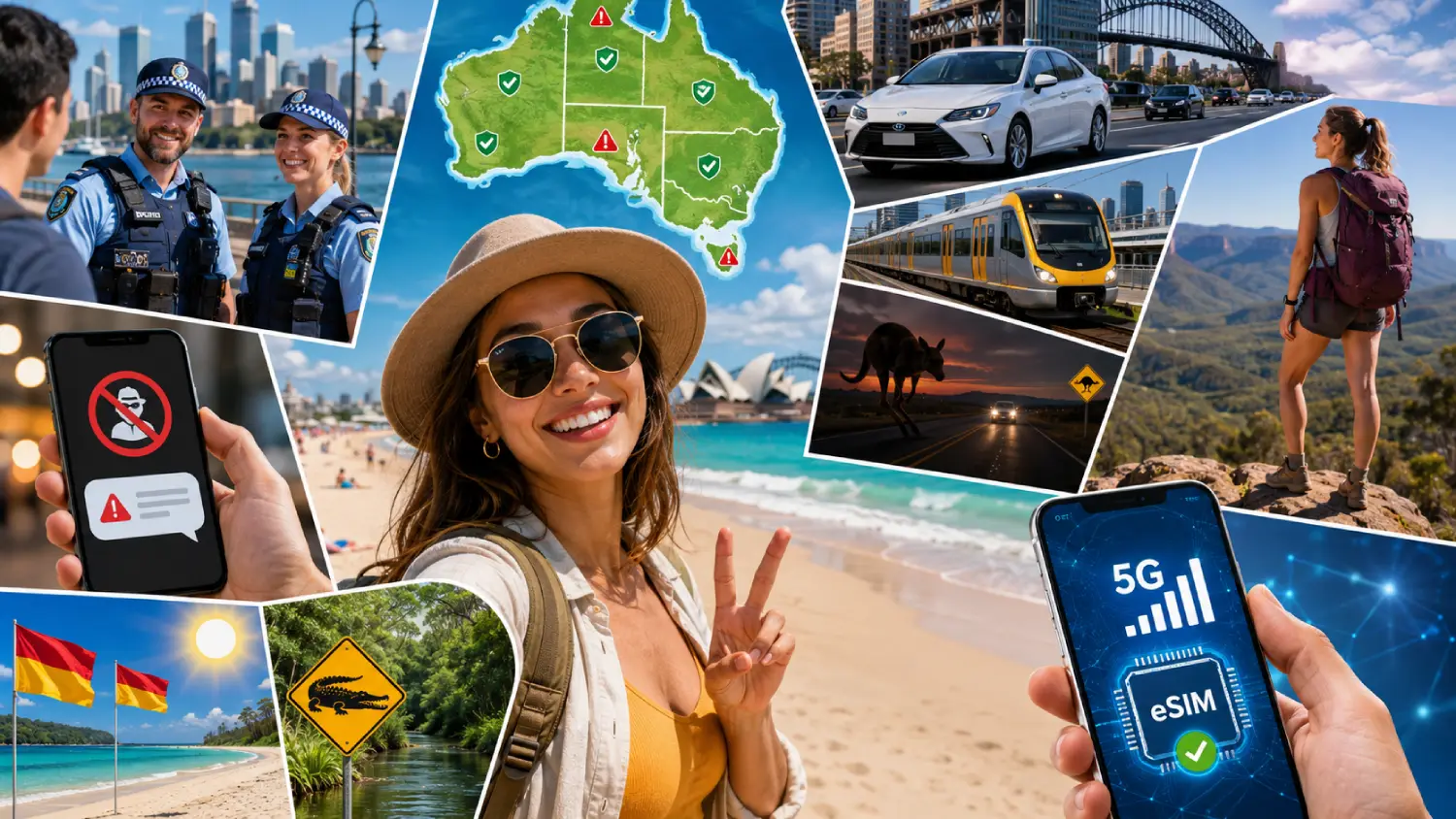
Australia is a massive continent, and safety dynamics change drastically depending on the city and territory. Most major urban centers are incredibly secure during the day, but common sense is always required after dark.
The Safest Tourist Zones:
-
Sydney Harbour & CBD: The iconic areas around the Opera House, Circular Quay, and Darling Harbour are heavily policed and extremely safe at all hours.
-
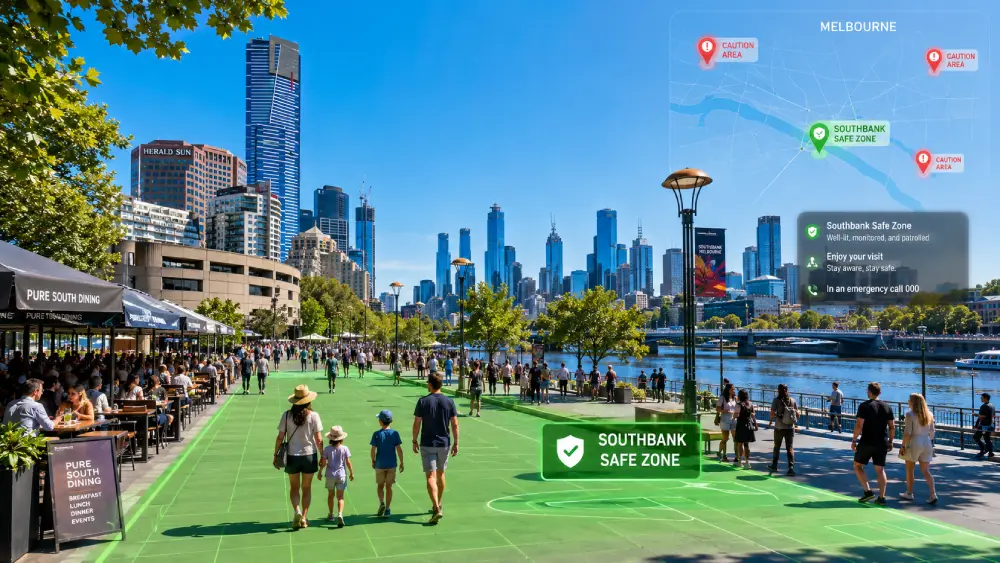
Melbourne CBD & Southbank: Vibrant, culturally rich, and safe during the daytime and early evening for wandering tourists.
-
Perth & Hobart: Both of these capitals boast incredibly low crime rates and a relaxed, welcoming atmosphere for visitors.
-
The Gold Coast (Broadbeach/Burleigh): These popular, family-friendly tourist hotspots are heavily patrolled and highly secure.
Areas Requiring Extra Caution:
-
Alice Springs (Northern Territory): This outback hub has recently experienced surges in youth crime and temporary nighttime curfews. Exercise high vigilance if visiting for Uluru transit and avoid walking alone at night.
-
Fortitude Valley (Brisbane): A bustling nightlife district that can get incredibly rowdy and unpredictable after midnight on weekends.
-
King Street (Melbourne) & Kings Cross (Sydney): Late-night party precincts where alcohol-fueled brawls occasionally spill out the streets.
-
Remote Outback Towns: Isolation is the real danger here. Never travel off the main highways without proper survival supplies, extra water, and satellite emergency communication.
Transportation Safety: Getting Around Down Under
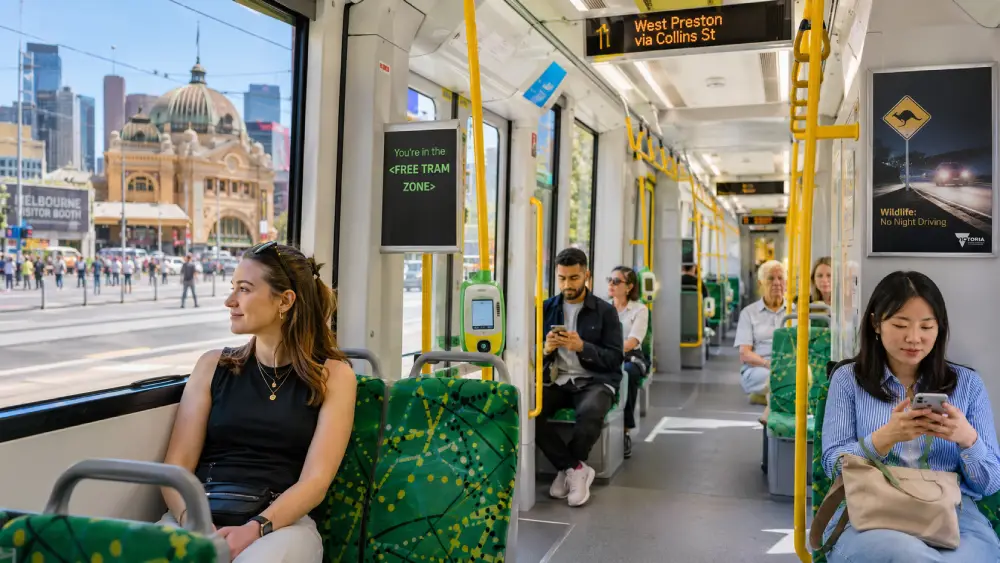
Public transport in Australia is world-class, exceptionally clean, and highly safe. Trains, trams, and buses in major cities are equipped with constant CCTV monitoring and emergency intercoms. Traveling on public transit at night is generally secure, though sticking to well-lit carriages closest to the driver or guard is highly recommended.
Uber and rideshare apps are strictly regulated and widely used across all major Australian cities. They are often preferred by tourists over standard taxis late at night because the journey is tracked via GPS and driver identities are verified. Standard taxis are also perfectly safe and licensed, but rideshares usually offer better price transparency upfront.
The absolute biggest transportation risk in Australia is driving at night in regional areas. Do not do it under any circumstances. Kangaroos, wallabies, and emus are incredibly active at dawn and dusk, frequently jumping directly into traffic. Hitting a massive kangaroo at highway speeds is a life-threatening emergency and will destroy your rental car instantly.
Tourist Scams: The New Threat in 2026
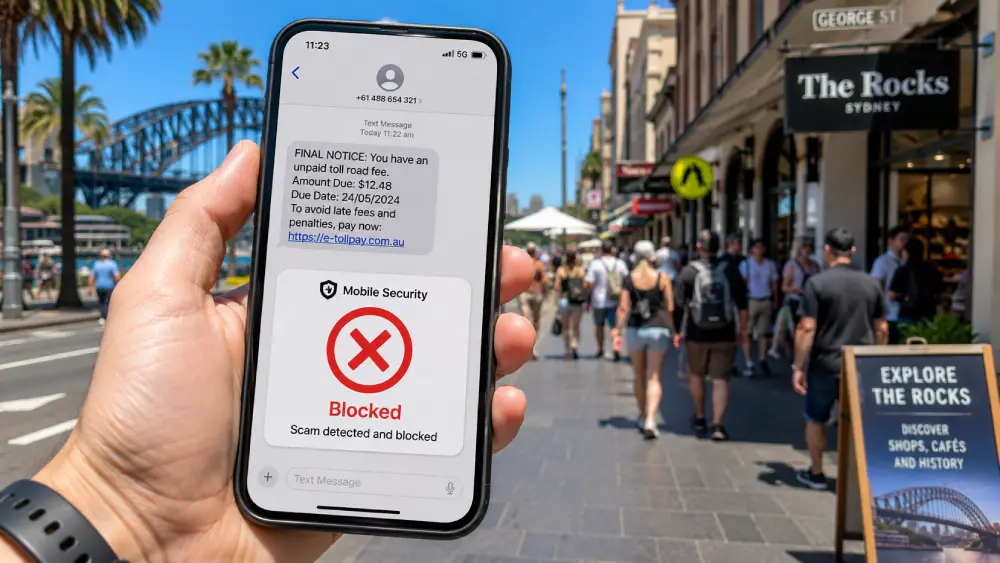
Street muggings and pickpocketing rings might be rare, but Australian scammers are highly sophisticated. They are increasingly targeting tourists through targeted digital channels and social engineering. You must remain vigilant about your personal data and finances from the moment you land.
The Top Scams to Watch Out For:
-
The Fake Toll Road Text: You will receive a realistic SMS claiming you have an unpaid road toll from "Linkt" with a link to pay a small fee. It is a phishing scam designed to drain your credit card.
-
Accommodation Phishing: Hackers compromise legitimate hotel messaging portals on major booking sites. They send you a link to "verify your payment details" right before you arrive, stealing your funds.
-
Fake Concert & Event Tickets: Scammers flood Facebook Marketplace with counterfeit tickets to sold-out festivals, sports matches, and Taylor Swift-style mega-tours.
-
The Bogus Tax Refund: Fake government emails claim you are owed a massive tax return from your holiday spending. To learn the actual legal process for claiming money back, check out our Australia VAT Refund: Tax-Free Rules & Steps guide.
Women’s Safety & Solo Travel
Australia remains a premier, top-tier destination for solo female travelers from around the globe. The local hostel culture is massive, friendly, and intentionally structured around creating safe communities for backpackers.
The concept of "machismo" is not prevalent in Australian culture, and aggressive street catcalling is highly uncommon compared to other regions. However, standard global nightlife precautions still absolutely apply. Never leave your drink unattended in crowded pubs, as drink spiking remains an issue in busy nightlife districts.
Dress codes are virtually non-existent for safety purposes. Australians dress very casually, especially near the coast and in tropical regions. Wear what makes you comfortable, but always carry a light jacket as the southern weather can turn unexpectedly freezing.
Health, Tap Water & Nature: The Real Threats
You can absolutely drink the tap water anywhere in major Australian cities and regional hubs. It is world-class, heavily treated, and perfectly safe for your stomach. Bring a reusable bottle to stay hydrated constantly, as buying bottled water is notoriously expensive and bad for the environment.
The real danger in Australia is the environment itself:
-
The Sun: The UV index here is historically brutal due to the thinning ozone layer. You can suffer severe, blistering sunburn in just 15 minutes. SPF 50+ sunscreen, a wide-brimmed hat, and UV-blocking sunglasses are non-negotiable daily survival gear.
-
Rip Currents: The beautiful ocean looks inviting but hides deadly, fast-moving currents. Always swim between the red and yellow flags patrolled by trained surf lifesavers.
-
Wildlife: In the tropical north (Queensland, Northern Territory), prehistoric saltwater crocodiles and lethal box jellyfish are genuine, daily threats. Never swim in unmarked northern waters, rivers, or estuaries.
-
Extreme Weather: Devastating bushfires and sudden, torrential floods occur frequently during extreme seasons. Planning your trip around the safest regional climates is vital, which we break down in our Best Time to Visit Australia post.
The Ultimate Safety Tool: Staying Connected
When navigating a continent as vast and wild as Australia, a reliable internet connection is your ultimate safety lifeline. You need immediate data to hail an Uber at night, translate warning signs, check live bushfire alert apps, and use offline maps in remote areas.
Need data in Australia? Get an eSIM!
Choose the perfect data plan for your trip

Manage your eSIM in the app
Install, top up and track data.
Relying on spotty public Wi-Fi at cafes puts you at severe risk of data theft and leaves you vulnerable when moving between transit stations. You need instant, secure access from the very second your plane lands on the tarmac. A Australia eSIM completely bypasses the need to hunt down physical mobile stores or risk your banking data on open airport networks.
For a deep dive into avoiding brutal roaming charges and staying perfectly safe, read our comprehensive reviews in Best eSIM for Australia and How to Get Internet in Australia.
Official Travel Advisories (2026 Update)
Global governments unanimously agree that Australia is highly secure and welcoming for international visitors.
-
USA (State Department): Ranks Australia firmly at Level 1: Exercise Normal Precautions. They simply advise standard vigilance against petty theft in highly crowded tourist areas.
-
UK (FCDO): Advises that the vast majority of visits are entirely trouble-free. Their main warnings heavily focus on respecting local wildlife regulations and swimming safely at patrolled beaches.
-
Canada: Places Australia in the absolute lowest risk category for travel. They strongly emphasize taking local bushfire alerts and extreme weather warnings seriously during the summer months.
The Verdict: Is Australia Safe?
Yes, Australia undeniably remains of the safest, most welcoming destinations on the planet for travelers in 2026. The true risks have almost nothing to do with street crime and everything to do with underestimating the harsh natural environment and modern cyber scams. As long as you respect the power of the ocean, stay digitally secure, and use standard common sense at night, you will have an unforgettable, life-changing trip.
Your Golden Rules for 2026:
-
Swim between the flags: The Australian ocean is unforgiving; trust your life to the local surf lifesavers.
-
Don't drive at dusk: Active wildlife like kangaroos will total your rental car and put your life at severe physical risk.
-
Ignore unexpected texts: If you get an SMS demanding a toll payment or package delivery fee, delete it immediately.
-
Download emergency apps: Install the official "Emergency Plus" app to instantly give first responders your exact GPS coordinates.
-
Slip, slop, slap: Slip on a protective shirt, slop on SPF 50+ sunscreen, and slap on a hat. The Australian sun is a silent, daily danger.