

'/%3e%3cuse xlink:href='%23a' transform='rotate(45 400 250)'/%3e%3cuse xlink:href='%23a' transform='rotate(67.5 400 250)'/%3e%3cpath id='b' fill='%2385340a' d='M404.31 274.41c.453 9.054 5.587 13.063 4.579 21.314 2.213-6.525-3.124-11.583-2.82-21.22m-7.649-23.757 19.487 42.577-16.329-43.887'/%3e%3cuse xlink:href='%23b' transform='rotate(22.5 400 250)'/%3e%3cuse xlink:href='%23b' transform='rotate(45 400 250)'/%3e%3cuse xlink:href='%23b' transform='rotate(67.5 400 250)'/%3e%3c/g%3e%3cuse xlink:href='%23c' transform='rotate(90 400 250)'/%3e%3cuse xlink:href='%23c' transform='rotate(180 400 250)'/%3e%3cuse xlink:href='%23c' transform='rotate(270 400 250)'/%3e%3ccircle cx='400' cy='250' r='27.778' fill='%23f6b40e' stroke='%2385340a' stroke-width='1.5'/%3e%3cpath id='h' fill='%23843511' d='M409.47 244.06c-1.897 0-3.713.822-4.781 2.531 2.136 1.923 6.856 2.132 10.062-.219a7.333 7.333 0 0 0-5.281-2.312zm-.031.438c1.846-.034 3.571.814 3.812 1.656-2.136 2.35-5.55 2.146-7.687.437.935-1.495 2.439-2.067 3.875-2.094z'/%3e%3cuse xlink:href='%23d' transform='matrix(-1 0 0 1 800.25 0)'/%3e%3cuse xlink:href='%23e' transform='matrix(-1 0 0 1 800.25 0)'/%3e%3cuse xlink:href='%23f' transform='translate(18.862)'/%3e%3cuse xlink:href='%23g' transform='matrix(-1 0 0 1 800.25 0)'/%3e%3cpath fill='%2385340a' d='M395.75 253.84c-.913.167-1.563.977-1.563 1.906 0 1.062.878 1.906 1.938 1.906a1.89 1.89 0 0 0 1.563-.812c.739.556 1.764.615 2.312.625.084.002.193 0 .25 0 .548-.01 1.573-.069 2.313-.625.36.516.935.812 1.562.812 1.06 0 1.938-.844 1.938-1.906 0-.929-.65-1.74-1.563-1.906.513.18.844.676.844 1.219a1.28 1.28 0 0 1-1.281 1.281c-.68 0-1.242-.54-1.282-1.219-.208.417-1.034 1.655-2.656 1.719-1.622-.064-2.447-1.302-2.656-1.719-.04.679-.6 1.219-1.281 1.219a1.28 1.28 0 0 1-1.281-1.281c0-.542.33-1.038.843-1.219zm2.09 5.69c-2.138 0-2.983 1.937-4.906 3.219 1.068-.427 1.91-1.27 3.406-2.125 1.496-.855 2.772.187 3.625.187h.031c.853 0 2.13-1.041 3.625-.187 1.497.856 2.369 1.698 3.438 2.125-1.924-1.282-2.8-3.219-4.938-3.219-.426 0-1.271.23-2.125.656h-.031c-.853-.426-1.698-.656-2.125-.656z'/%3e%3cpath fill='%2385340a' d='M397.12 262.06c-.844.037-1.96.207-3.563.688 3.848-.855 4.697.437 6.407.437h.03c1.71 0 2.56-1.292 6.407-.438-4.274-1.282-5.124-.437-6.406-.437h-.031c-.802 0-1.437-.312-2.844-.25z'/%3e%3cpath fill='%2385340a' d='M393.75 262.72c-.248.003-.519.005-.813.031 4.488.428 2.331 3 7.032 3h.03c4.702 0 2.575-2.572 7.063-3-4.7-.426-3.214 2.344-7.062 2.344h-.031c-3.608 0-2.496-2.421-6.22-2.375zm10.1 6.94a3.848 3.848 0 0 0-3.846-3.846 3.848 3.848 0 0 0-3.847 3.846 3.955 3.955 0 0 1 3.847-3.04 3.952 3.952 0 0 1 3.846 3.04z'/%3e%3cpath id='e' fill='%2385340a' d='M382.73 244.02c4.915-4.273 11.11-4.915 14.53-1.709.837 1.121 1.373 2.32 1.593 3.57.43 2.433-.33 5.062-2.236 7.756.215-.001.643.212.856.427 1.697-3.244 2.297-6.577 1.74-9.746a13.815 13.815 0 0 0-.67-2.436c-4.7-3.845-11.11-4.272-15.81 2.138z'/%3e%3cpath id='d' fill='%2385340a' d='M390.42 242.74c2.777 0 3.419.642 4.7 1.71 1.284 1.068 1.924.854 2.137 1.068.213.215 0 .854-.426.64s-1.284-.64-2.564-1.708c-1.283-1.07-2.563-1.069-3.846-1.069-3.846 0-5.983 3.205-6.41 2.991-.426-.214 2.137-3.632 6.41-3.632z'/%3e%3cuse xlink:href='%23h' transform='translate(-19.181)'/%3e%3ccircle id='f' cx='390.54' cy='246.15' r='1.923' fill='%2385340a'/%3e%3cpath id='g' fill='%2385340a' d='M385.29 247.44c3.633 2.778 7.265 2.564 9.402 1.282 2.136-1.282 2.136-1.709 1.71-1.709-.427 0-.853.427-2.564 1.281-1.71.856-4.273.856-8.546-.854z'/%3e%3c/svg%3e)
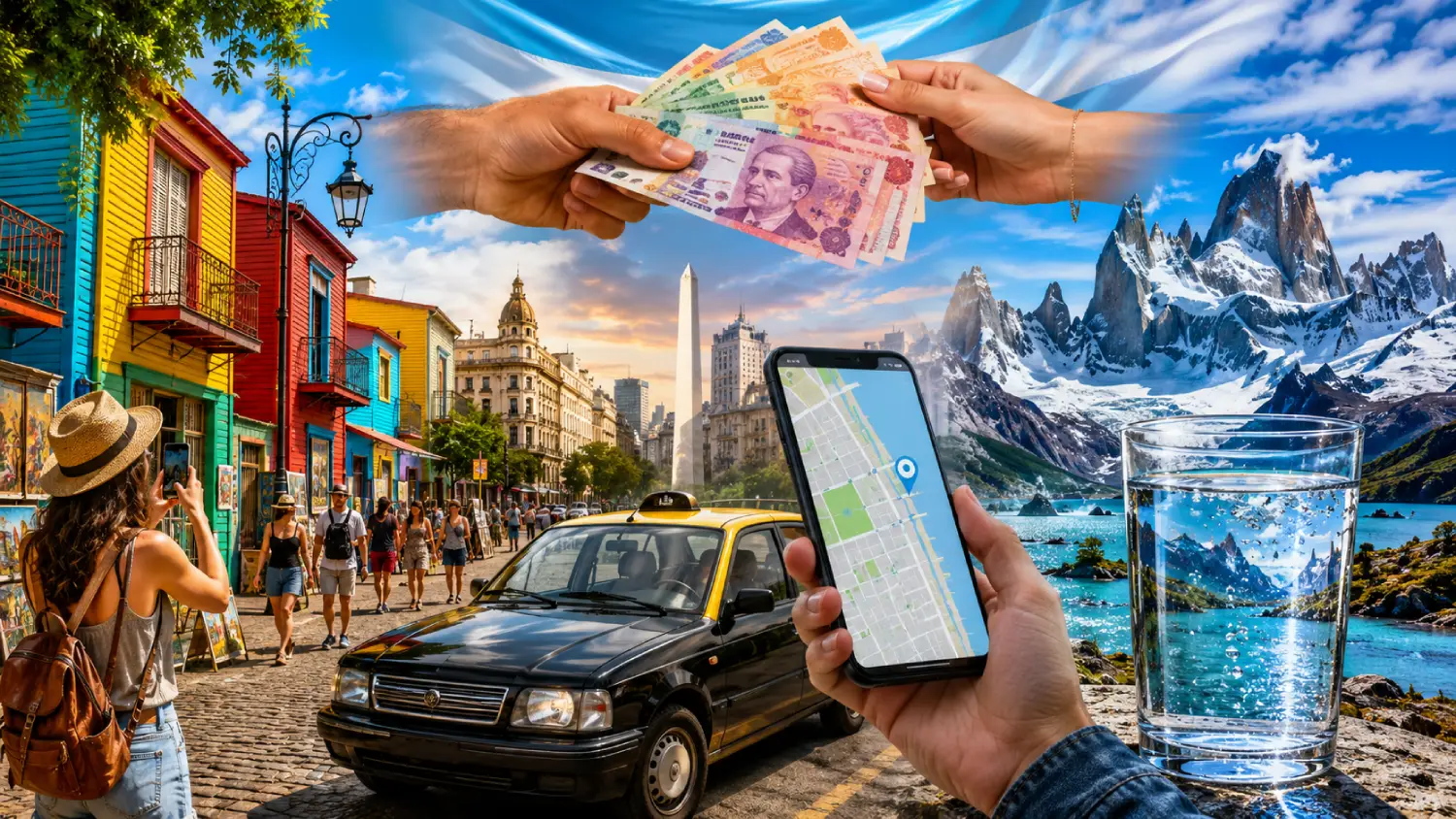
An atmospheric, high-contrast street photography shot of a bustling avenue in Buenos Aires at dusk, featuring vintage taxis and towering European-style architecture, conveying a mix of romance and gritty urban reality.
The short answer is yes, Argentina is safe for tourists who stay alert. However, the nature of the "danger" has shifted heavily toward economic crimes and opportunistic theft in 2026. Violent crime against tourists remains relatively low compared to other Latin American countries, but you must remain vigilant.
The Current Reality: Economic Strain and Street Crime
Argentina's economic inflation has created a desperate climate in some urban sectors. This translates directly into a noticeable uptick in petty theft, snatch-and-grab robberies, and organized pickpocket rings. The police presence in major tourist hubs is strong, but they cannot be everywhere to protect distracted travelers.
Protests and demonstrations are practically a national pastime, especially in central Buenos Aires around the Plaza de Mayo. While usually peaceful, these political gatherings can quickly disrupt transport or escalate into clashes with riot police. You should never attempt to cross through a protest block or take photos of the front lines.
Before you pack your bags, make sure you understand the local legal landscape. Reviewing the Argentina Tourist Bans & Laws is crucial so you do not accidentally commit an offense. The rules for tourists are generally relaxed, but public disturbances or disrespecting local authorities will quickly land you in a local precinct.
Regional Breakdown: Safe Zones vs. Areas to Avoid
Argentina is massive, and safety levels vary wildly depending on your exact GPS coordinates. The capital city of Buenos Aires requires the most vigilance, while the southern wilderness is incredibly peaceful. Here is the unfiltered reality of where you should and should not wander.
Safe Zones for Tourists:
-
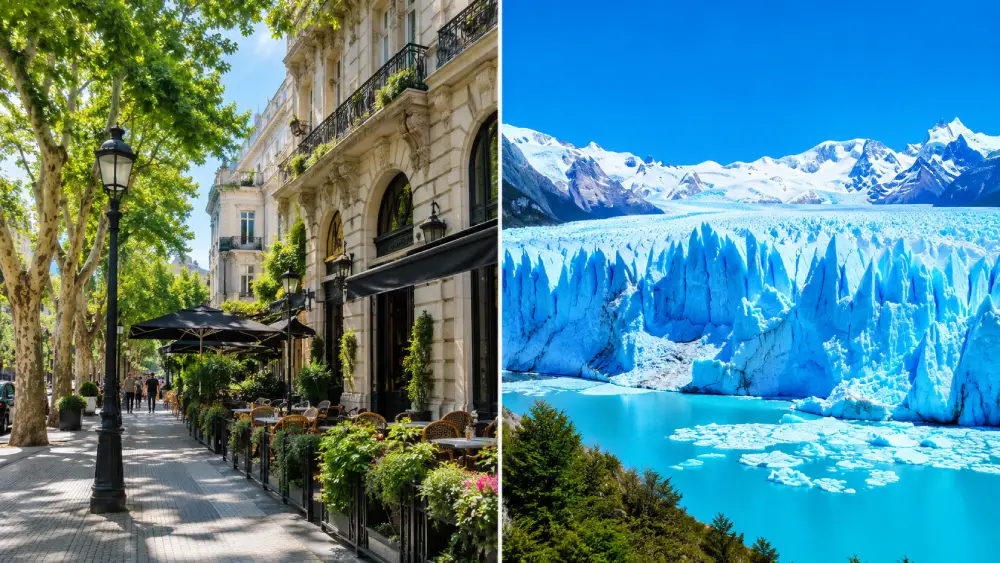
Palermo & Recoleta (Buenos Aires): These are the safest, most heavily patrolled neighborhoods in the capital. You can generally walk around safely during the day, though nighttime requires standard city awareness.
-
Patagonia (Bariloche, El Calafate): The southern region is remarkably safe and heavily geared toward international tourism. The biggest threats here are changing weather patterns rather than street crime.
-
Mendoza: The wine region is relaxed and secure, with a strong tourist infrastructure and very low crime rates.
Areas to Avoid (No-Go Zones):
-
La Boca (Outside Caminito): The colorful tourist street of Caminito is heavily policed, but walking just two blocks outside this perimeter is highly dangerous. Always take a taxi directly to and from this specific neighborhood.
-
Villas Miserias (Slums): Informal settlements found on the outskirts of major cities are strictly off-limits for tourists. GPS mapping apps can sometimes route you near them, so always double-check your path before driving or walking.
-
Retiro Bus Station (At Night): The area surrounding this major transport hub is notorious for aggressive muggings after dark.
Transportation Safety: Navigating the Chaos
Getting around Argentina presents its own set of unique challenges and risks for unsuspecting foreigners. The iconic black and yellow taxis of Buenos Aires are ubiquitous but require a highly cautious approach. Many tourists are overcharged, handed counterfeit bills in return, or taken on deliberate detours.
Using ride-hailing apps like Uber or Cabify is vastly superior for tourist safety in 2026. These apps track your route, remove physical cash from the equation, and eliminate stressful language barriers. Just be aware that airport pickups can sometimes be tense due to disputes between ride-hailing drivers and local taxi unions.
Public transportation, particularly the Subte (subway) in Buenos Aires, is efficient but swarming with highly skilled pickpockets. If you take the bus or subway, wear your backpack on your chest and keep your hands tightly inside your pockets. If you are flying into the country soon, make sure to read up on the Argentina Airport Customs Rules to ensure a smooth arrival before hopping into any vehicle.
Tourist Scams: The Financial Traps of 2026
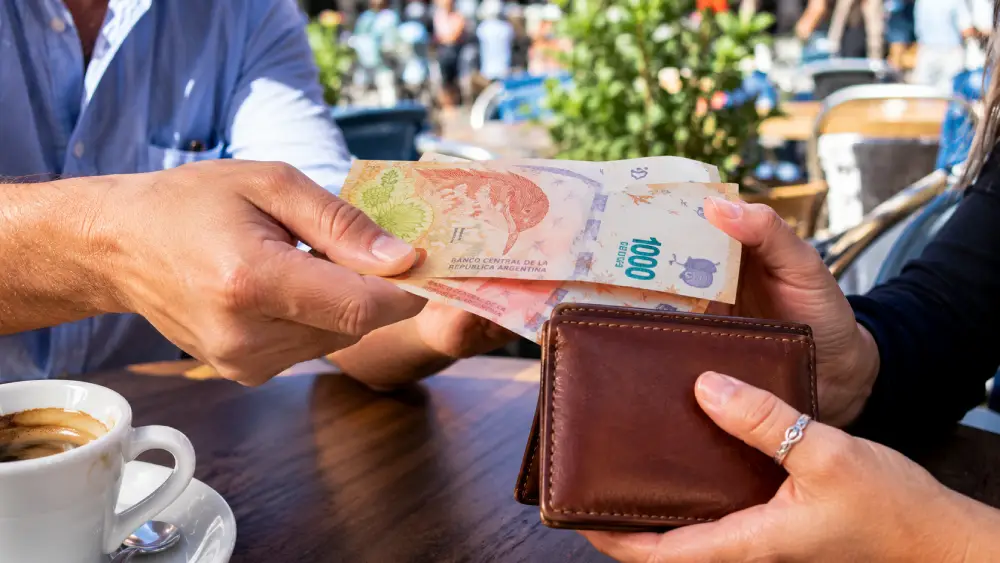
The economic situation has bred a highly creative class of scammers targeting foreign wallets. Because the currency exchange rates are so volatile, financial confusion is the scammer's absolute best friend. Guard your cash and cards relentlessly when exploring the cities.
-
The Mustard Trick: A stranger accidentally squirts mustard or bird droppings on your jacket and overly apologizes while offering to help clean it off. While you are distracted, their hidden accomplice steals your bag.
-
Counterfeit Currency: Getting fake pesos as change is incredibly common, especially from street taxi drivers and unofficial money changers.
-
The "Broken" Meter: A taxi driver will claim their meter is magically broken and try to quote you an astronomical flat rate upon arrival. Always insist the meter is turned on before the car moves an inch.
-
ATM Skimmers: High-tech skimmers are frequently found on ATMs in heavy tourist districts. Always wiggle the card reader aggressively before inserting your debit card.
Women’s Safety & Solo Travel
Argentina is generally very welcoming for solo female travelers, but machismo culture is still deeply ingrained in society. Catcalling (known locally as "piropos") is common on the streets, though it rarely escalates beyond annoying verbal harassment. The best and safest strategy is to ignore it completely and walk with purpose.
Nightlife in Argentina starts incredibly late, with clubs rarely filling up before 2:00 AM. If you are heading out, never leave your drink unattended and always use a verified ride-hailing app to get back to your accommodation. Walking alone at night, even in affluent neighborhoods like Palermo, is not recommended for solo women.
Dress codes are quite liberal, and you will see locals wearing everything from high fashion to casual streetwear. However, blending in by avoiding flashy jewelry and keeping your phone physically hidden will make you much less of a target.
Health, Tap Water & Nature
The tap water in Buenos Aires and major Patagonian cities is generally considered safe to drink and brush your teeth with. However, if you are traveling to the more rural northern provinces like Salta or Iguazú, sticking to sealed bottled water is the safer bet to avoid severe stomach issues.
In 2026, mosquito-borne illnesses like Dengue fever remain a serious concern in the northern and central regions, especially during the humid summer months. You must pack heavy-duty insect repellent containing DEET and be rigorous about applying it daily.
Nature itself is a major draw, but it demands serious respect. If you are heading to the Andes, altitude sickness can hit you hard without any warning. Always acclimate slowly, stay hydrated, and never hike unguided in remote Patagonian areas where weather can turn deadly in minutes.
The Ultimate Safety Tool: Staying Connected
In a country where protests can block streets and fake taxis prowl, having instant access to local internet is your absolute best defense. A reliable connection allows you to call an Uber, check safe walking routes, and translate emergency conversations with local police. Relying on public Wi-Fi is a massive security risk and leaves you highly vulnerable in transit.
Need data in Argentina? Get an eSIM!
Choose the perfect data plan for your trip

Manage your eSIM in the app
Install, top up and track data.
Before you travel, it is critical to figure out How to Get Internet in Argentina so you are not stranded without data. The smartest move is activating a digital data plan before your plane even touches the tarmac. This allows you to bypass the chaotic airport kiosks completely and secure your ride to the hotel.
Using an Argentina eSIM ensures your maps and ride-hailing apps work the second you land. For a detailed breakdown of your options, consult our comprehensive guide on the Best eSIM for Argentina.
Official Travel Advisories
Government warnings provide an essential baseline for your travel insurance and overall risk assessment. Here is what the major international bodies are currently saying about Argentina:
-
US State Department: Advises travelers to exercise normal precautions. They highly highlight the risk of street crime in major cities and strongly warn against carrying large amounts of cash.
-
UK FCDO: Warns British nationals about the high frequency of political protests in Buenos Aires. They advise tourists to avoid all demonstrations and remain vigilant against opportunistic theft in crowded hubs.
-
Canadian Government: Recommends exercising a high degree of caution strictly due to petty crime. They specifically mention the risk of armed robberies in isolated areas and the inherent dangers of using unofficial money changers.
The Verdict: Is Argentina Safe?
Argentina is a spectacular, culturally rich destination that is perfectly safe to visit if you trade naivety for street smarts. The primary threats are economic—pickpockets, clever scammers, and inflation-driven opportunists—rather than violent crime against tourists. By utilizing modern tools like ride-hailing apps, staying strictly out of protests, and remaining connected, you can navigate the country with total confidence.
Golden Rules for 2026:
-
Never use your smartphone openly near the street; snatch-and-grab thefts by passing motorcyclists are rampant.
-
Only use verified ride-hailing apps (Uber, Cabify) instead of hailing random street taxis.
-
Never engage with unauthorized money changers shouting "cambio" on the street corners.
-
Leave your passport and flashy jewelry locked securely in your hotel safe.
-
Avoid walking through any political protests or demonstrations, no matter how peaceful they seem.
Note: Travel safety situations can change rapidly. This information is accurate as of July 2026. Always exercise street smarts and consult official advisories before your trip.