Download the App and manage your eSIMs easily
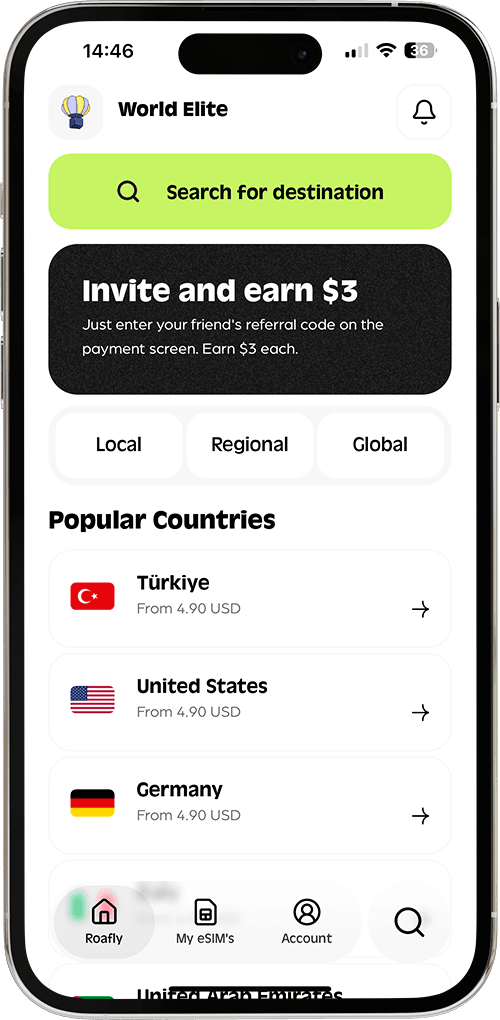
Create your order quickly
See your eSIM details
Track your remaining data
Download the App and manage your eSIMs easily
Create your order quickly
See your eSIM details
Track your remaining data
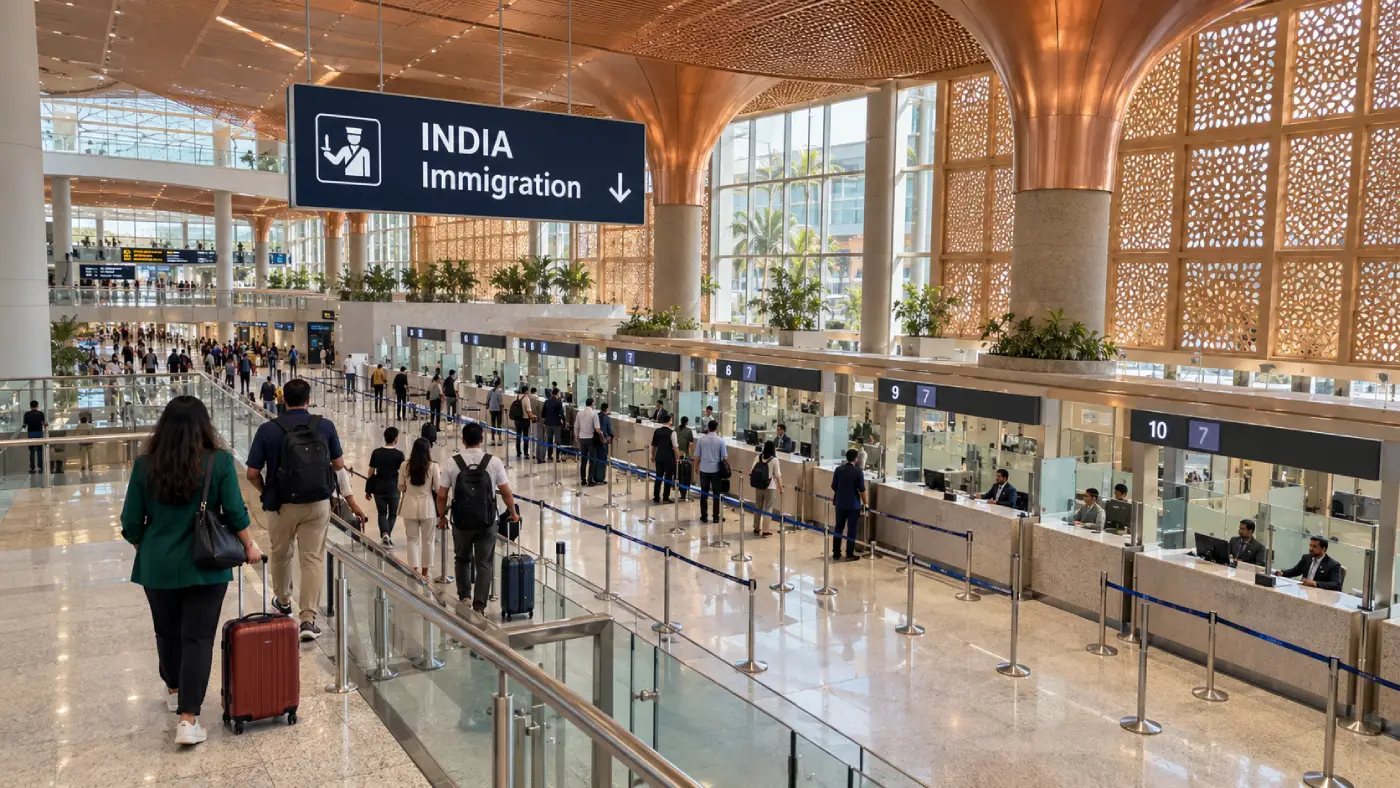
India requires most foreign tourists to arrange a visa before traveling. Your passport nationality determines whether you can use an e-Visa, apply through an Indian mission, qualify for visa on arrival or travel under an exemption.

Lena Hartley
Updated Oct 24, 2026
9 min read
Save 15% on your Roafly eSIM
Stay connected on your next trip. Use the code below at checkout.
View All DestinationsJump to section
👇Save 15% on your Roafly eSIM
Stay connected on your next trip. Use the code below at checkout.
View All Destinations
Manage your eSIM in the app
Install, top up and track data.
The requirements checked on 23 October 2026 also separate immigration paperwork from health paperwork: foreign visitors, including OCI cardholders, must complete an e-Arrival Card, while international air passengers must also submit the Air Suvidha health declaration. Completing either form does not replace your visa.
Start with the nationality on the passport you will use. Living in an e-Visa-eligible country does not make a different passport eligible.
| Entry route | Representative passport examples or status | What to arrange |
|---|---|---|
| e-Tourist Visa | United States, United Kingdom, Canada, Australia, Germany and France | Apply online and receive approval before traveling. |
| Visa on arrival | Japan, South Korea and qualifying UAE nationals | Use an eligible airport and meet the conditions below. UAE nationals must previously have obtained an Indian e-Visa or regular visa. |
| Bilateral visa exemption | Nepal and Bhutan | Carry the required identity documents; rules depend on your arrival route. |
| Advance consular visa | Türkiye and mainland China | Follow the Indian mission or authorized visa center’s application process for your place of residence. |
| OCI travel | Holders of valid Overseas Citizen of India status | Travel with the required valid passport and OCI documentation; complete the applicable arrival forms. |
These are examples, not a complete nationality list. Use the eligibility list on the official Indian e-Visa portal before selecting your application route.
Nepalese and Bhutanese citizens have special arrangements that do not extend to other tourists simply because they are entering from Nepal or Bhutan. Third-country departure points can also change the documents those citizens need.
Pakistan-origin applicants need particular care: the standard e-Visa eligibility list is not sufficient for their case. Contact the responsible Indian mission about the applicable route and current restrictions before making travel commitments.
The main tourist options cover a single short holiday or repeated visits over a longer period.
| e-Tourist Visa | Validity starts | Entries | Main limit |
|---|---|---|---|
| 30 days | First arrival in India | Multiple | Visits must fit within the same 30-day validity period. |
| One year | Date the ETA is granted | Multiple | Maximum 180 days in India during a calendar year, subject to the visa’s conditions. |
| Five years | Date the ETA is granted | Multiple | Maximum 180 days in India during a calendar year, subject to the visa’s conditions. |
Validity and permitted stay are different: a one-year or five-year visa does not allow you to remain continuously for that entire period. Follow any shorter per-visit limit and the conditions on your issued visa.
The 30-day option usually fits a holiday comfortably shorter than a month. A longer-validity option can suit repeated trips, but leaving and returning does not reset the 30-day visa’s original expiry date.
Tourist e-Visa applications can be submitted between 4 and 120 days before the proposed arrival date. Treat four days as the minimum application window, not a processing guarantee; leave room to correct a rejected photograph or passport scan.
Fees depend on nationality and the selected visa. Use the amount shown for your application rather than assuming every passport pays the same price. Application fees are non-refundable, including after refusal.
Prepare a clear scan of your passport’s identity page and a recent front-facing photograph with a white background. Enter your name, nationality, date of birth and passport number exactly as they appear in your documents.
The e-Visa process has four practical steps:
Select the appropriate visa category and complete the online application.
Upload the required documents and pay the applicable fee.
Wait for the decision and verify that the status is GRANTED.
Print the Electronic Travel Authorization and carry it when traveling.
India calls the e-Visa approval an ETA. In this context, it belongs to the e-Visa process; it is not a separate visa-free travel authorization that replaces the application.
Consular applications work differently. Completing an online form may be only the first step: a printed application, passport submission, appointment or biometric enrollment may follow. Applicants using the Türkiye or mainland China route should follow the mission or visa center responsible for their residence.
Use the official application process. India does not authorize intermediaries to sell an official emergency or express e-Visa service.
Your passport for an e-Visa trip should have at least six months’ validity from arrival and two blank pages. Consular applications can have different requirements: the Indian Consulate in Istanbul, for example, specifies six months beyond the intended departure from India.
Keep these documents accessible in your hand luggage:
The passport linked to your visa application.
Your printed ETA, issued visa or applicable OCI documentation.
Your return or onward ticket.
Your accommodation address and booking details.
Evidence that you can fund your stay.
Copies of your submitted arrival and health declarations.
Each e-Visa applicant, including a child, needs an individual passport. Ordinary-passport instructions should not be applied to diplomatic passports, emergency travel documents or other special documents without checking their separate rules.
If you renew your passport after approval, resolve the passport-to-visa link before departure. Carrying only the new passport can leave you without the document referenced by the authorization.
These papers can also be useful after immigration. If you plan on buying a local SIM in India, review its separate registration requirements before visiting a shop.
Your visa application and your arrival declarations happen at different stages. Arrange the visa first, then complete the forms close to the journey.
Foreign nationals, including OCI cardholders, must submit the India e-Arrival Card within the 72 hours before arrival.
Use the details of the passport and journey you are actually taking. Keep the submission confirmation with your travel documents so it is easy to retrieve at immigration.
OCI status does not remove this requirement. Equally, submitting the card does not grant permission to enter or extend an existing visa.
International passengers arriving by air must also complete the Air Suvidha self-declaration before reaching arrival immigration.
This is separate from the e-Arrival Card. Follow the current form’s instructions for travel history and health information, and retain the confirmation. Older advice about the withdrawal of a previous COVID-era form should not be used to skip the current requirement.
Additional health documents can depend on your recent itinerary. For example, arrival soon after visiting a yellow-fever-risk country can trigger a vaccination-certificate requirement; assess that against your actual route rather than nationality alone.
Download your confirmations before leaving home. An India eSIM can help you access hotel details and coordinate transport after arrival on a compatible phone, while saved copies keep essential documents available without a connection.
India accepts e-Visas at designated entry points. Delhi and Mumbai are established airport examples, but an airport, seaport or land crossing having immigration facilities does not by itself establish e-Visa eligibility.
India expanded the designated entry network in August 2026, including additional land crossings. The old blanket advice that e-Visa holders cannot enter by land is outdated. Raxaul, Rupaidiha and Jogbani are examples on the designated list.
Match the exact crossing to the current entry list before booking an overland itinerary. Designation for e-Visa entry and a border being operational for your journey are separate matters. Entry and exit lists also differ, so permission to leave through a crossing does not establish permission to arrive there.
Eligible Japanese, South Korean and UAE nationals can use visa on arrival at Bengaluru, Chennai, Delhi, Hyderabad, Kolkata and Mumbai.
The immigration officer may grant up to 60 days with double entry. The fee is ₹2,000 per passenger, including children. UAE eligibility depends on having previously obtained an Indian e-Visa or regular visa; UAE residence alone does not qualify.
Applicants with Pakistani parentage or grandparentage covered by the exclusion cannot use this route. Arrange the appropriate permission through an Indian mission instead.
Direct international airside transit can be visa-free when you remain within the airport’s designated transit area. The key question is whether the connection requires you to pass immigration.
Baggage collection and recheck, a domestic connecting flight, or an overnight stay outside the airport may require entry into India. Separate tickets deserve particular attention because they can change how baggage and check-in are handled.
Ask the airline to confirm the actual transfer arrangement. If the journey requires entry, obtain the appropriate visa or establish your exemption before departure; an onward boarding pass does not replace entry permission.
Finish the administrative steps before relying on airport assistance:
Match the visa approval to your passport and intended travel dates.
Keep your stay within the permitted duration.
Complete the applicable arrival declarations.
Save your confirmations, accommodation address and onward booking offline.
Check the precise entry point if arriving by land or sea.
Decide how you will get online after immigration, especially if your hotel or driver will contact you through an app. You can compare eSIM options for India before departure rather than choosing a plan while handling luggage.
Arriving at DEL? The guide to SIM options at Delhi Airport covers the next step after border formalities.
Wait for the granted authorization. A payment receipt or application-submission email is not the approval you need for travel.
Tourist e-Visas are normally non-extendable and non-convertible. Choose a suitable visa before departure. If illness or another exceptional situation prevents travel, contact the Foreigners Regional Registration Office promptly rather than assuming an extension.
Some protected or restricted areas require separate permission. An Indian visa alone does not authorize every itinerary, so resolve any additional permit before traveling to the affected region.
