


The Practical Takeaway
-
Best Overall Time for First-Timers: Spring (April to May) and Autumn (September to October). You get the perfect balance of manageable crowds, glorious weather, and full access to both the coast and the deep desert.
-
Best Time for Budget Travelers: Winter (November to February). Flights and luxury resorts drop their prices drastically, making this the best time to score a cheap 5-star getaway.
-
Best Time to Avoid Crowds: March and November. You will find the ancient ruins and bustling medinas remarkably quiet, giving you a highly authentic, peaceful experience.
-
A Major 2026 Factor:Ramadan will take place from roughly mid-February to mid-March in 2026. This shifts the travel dynamic entirely, with quiet fasting days and deeply cultural, vibrant nights.
Tunisia by Season: What You Really Get
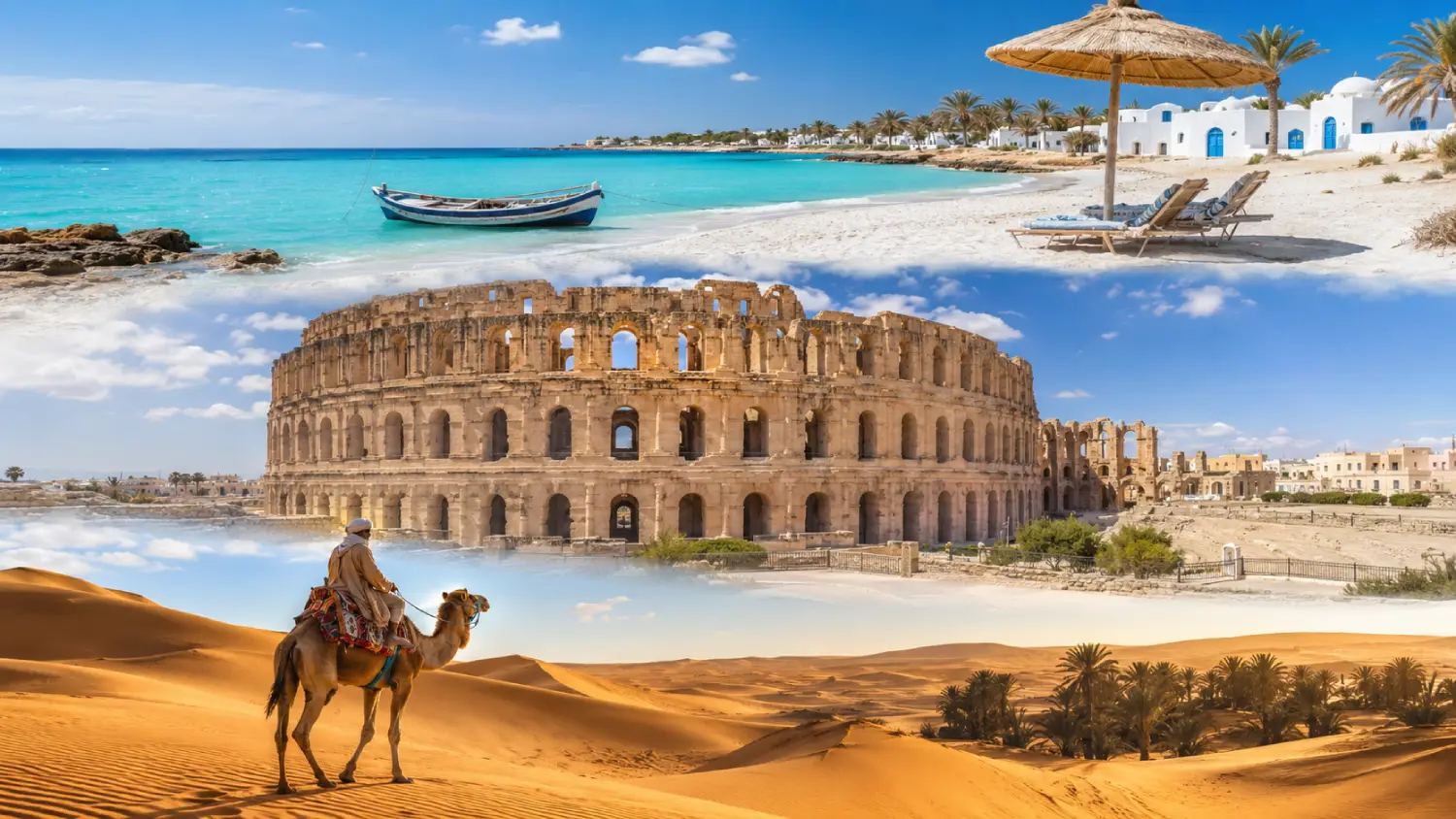
Tunisia is much more than a typical beach destination. Its climate swings dramatically depending on the season and the geography, meaning your packing list and itinerary must be tailored to the time of year.
Before booking your flights, review this seasonal breakdown to align your expectations with the reality on the ground in 2026. Keep in mind that coastal cities like Tunis experience true Mediterranean seasons, while the southern Sahara operates on an entirely different temperature scale.
| Season (Months) | Typical Conditions | Crowds | Costs | Best For |
| Spring (Mar - May) | Mild & Breezy. 60-75°F (15-24°C). Wildflowers bloom in the north. | Medium | Moderate | Exploring Roman ruins, Sahara desert treks, Star Wars film sets. |
| Summer (Jun - Aug) | Extremely Hot. 85-105°F+ (29-40°C+). Intense sun and warm seas. | Peak | High | Beach resorts, Djerba Island, Mediterranean nightlife, water sports. |
| Autumn (Sep - Nov) | Warm & Pleasant. 70-85°F (21-29°C). The sea remains perfectly swimmable. | Medium | Moderate | Coastal swimming, wandering the Medinas, comfortable sightseeing. |
| Winter (Dec - Feb) | Cool & Damp in North. 50-65°F (10-18°C). Chilly desert nights. | Low | Low | Budget luxury resorts, museums, cultural immersion, quiet souks. |
Regional Differences (Microclimates & Geography)
Tunisia is geographically compact, but its climate zones are incredibly distinct. You can be shivering in a rainstorm in the capital and sweating in the deep desert on the exact same day.
Understanding these microclimates is the secret to unlocking the best possible Tunisian itinerary.
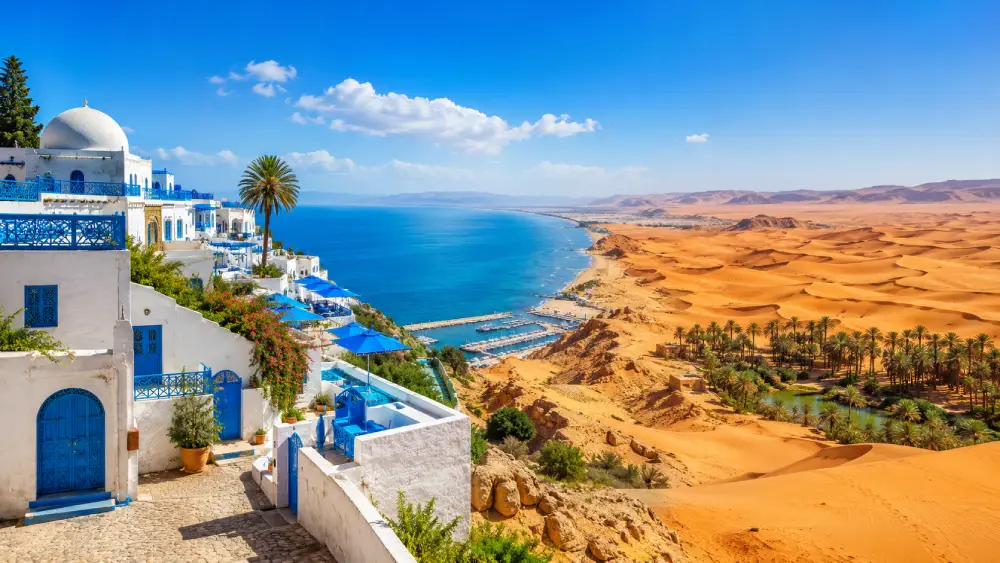
The Northern Coast (Tunis, Sidi Bou Said, Bizerte)
The northern tip of Tunisia features a classic Mediterranean climate, heavily influenced by the sea. Winters here are genuinely chilly, with frequent rain showers and brisk winds sweeping off the water. If you visit between December and February, you will definitely need a warm jacket and an umbrella.
However, by May, this region transforms into a sun-drenched paradise with blooming bougainvillea. Summer brings intense heat, but the coastal breezes make exploring the ancient city of Carthage or sipping mint tea in Sidi Bou Said incredibly pleasant. Autumn is the sweet spot; the summer humidity breaks, but the sea stays warm enough for swimming well into October.
The Central Steppes & Eastern Coast (Sousse, Monastir, El Jem, Djerba)
Moving south along the eastern coastline, the climate becomes noticeably drier and hotter. Cities like Sousse and Monastir are resort havens because they boast over 300 days of sunshine a year. The island of Djerba, located even further south, is practically a year-round destination, though its winters can still be too breezy for a proper beach holiday.
In the summer months of July and August, this region is packed with European holidaymakers and locals alike. Temperatures regularly push past 95F (35C). If you plan to visit the breathtaking Roman amphitheater of El Jem, do it in the early morning; the central plains offer zero shade from the relentless midday sun.
The Deep South & The Sahara (Tozeur, Douz, Tataouine)
The southern half of Tunisia is dominated by the awe-inspiring Sahara Desert. This region operates under extreme desert climate rules: blistering, dangerous heat in the summer and freezing temperatures at night during the winter. You should entirely avoid the deep south from June to August, as temperatures routinely exceed 110F (43C), making outdoor exploration completely unsafe.
The absolute best time to visit the Saharan outposts, ride camels in Douz, or explore the famous Star Wars locations in Matmata and Tozeur is during the winter and early spring. From November to March, the daytime temperatures are a comfortable 65-75F (18-24C), making it the perfect environment for dune trekking and sleeping in luxury desert camps.
Month-by-Month Cheat Sheet
If you are trying to narrow down your travel dates, use this rapid-fire monthly breakdown. Every month in Tunisia offers a completely different vibe, weather pattern, and price point.
-
January: The coldest and wettest month in the north. Excellent for budget travelers who want to explore museums in Tunis or head straight down to the Sahara for comfortable daytime desert excursions.
-
February: Still quite cool. In 2026, Ramadan will begin in the middle of February. Expect a shift in the daily rhythm, with quiet days and festive, food-filled nights.
-
March: Spring officially arrives. Wildflowers bloom across the northern hillsides, making it a beautiful time for hiking. Ramadan continues through the first half of the month in 2026.
-
April: Arguably the most perfect month to visit Tunisia. The weather is glorious across the entire country, from the northern beaches to the southern dunes.
-
May: Temperatures are warming up rapidly. It is beach weather, but still comfortable enough to spend hours walking through the sprawling ruins of Dougga or Carthage without overheating.
-
June: Summer kicks off. The coast gets busy, and the southern desert starts becoming uncomfortably hot. Stick to the coastal resort towns.
-
July: Peak summer heat and peak tourist crowds. You will spend your days in the water and your evenings enjoying the vibrant Mediterranean nightlife. Avoid the Sahara entirely.
-
August: The hottest and most humid month on the coast. Prices for resorts in Hammamet and Djerba are at their absolute highest. Book far in advance.
-
September: The crowds vanish as European schools go back in session, but the Mediterranean Sea remains wonderfully warm. This is the ultimate "shoulder season" secret.
-
October: Perfect sightseeing weather returns. You can comfortably explore the Medina of Tunis and enjoy outdoor cafes without sweating through your clothes.
-
November: The olive harvest begins across the country. The weather turns cooler, making it an excellent time for cultural immersion and desert trips before the deep winter sets in.
-
December: A festive month for locals, though chilly in the north. The highlight is heading south for the spectacular International Festival of the Sahara in Douz.
Best Time to Visit by Traveler Type
Your ideal month depends entirely on what you want to get out of your Tunisian adventure. Because the country offers both Mediterranean luxury and rugged desert exploration, you need to align your dates with your itinerary.
For Beaches & Swimming
If your goal is to lay on a sunbed, swim in crystal-clear waters, and enjoy a vibrant resort atmosphere, you must target June through September. July and August are the absolute peak for beachgoers, offering guaranteed blazing sunshine and warm waters. If you want the beautiful sea without the screaming children and packed hotel buffets, September is the greatest month for a beach holiday on Djerba or in Hammamet.
For Sightseeing, History & Star Wars Locations
Tunisia is home to some of the most spectacular Roman ruins on earth and iconic Star Wars filming locations. Wandering around massive, unshaded archaeological sites in the summer is miserable. To fully enjoy El Jem, Dougga, or the desert sets of Tatooine, visit during April, May, October, or November. The crisp air and bright blue skies make for perfect photography conditions and endless stamina.
For Budget Travelers
Tunisia is already a highly affordable destination, but if you want to stretch your currency to the absolute limit, visit during the deep winter from November to February. Five-star resorts in coastal towns drop their prices to rock bottom, allowing you to live in luxury for the price of a budget hostel elsewhere. Just bring a jacket, as the beach will be strictly for walking, not swimming.
For Desert & Wildlife Explorers
The Sahara is unforgiving. If you dream of riding a camel into the dunes, sleeping under the stars in a Bedouin tent, or exploring the salt flats of Chott el Djerid, you must go between November and March. The daytime temperatures are highly pleasant. However, be warned: desert nights in December and January can drop close to freezing, so thermal layers are mandatory.
Festivals & Special Dates to Plan Around
Cultural events and religious observances will massively impact your 2026 itinerary. These dates dictate hotel availability, business hours, and the overall atmosphere of the country.
Ramadan (Mid-February to Mid-March 2026)
In 2026, the holy month of Ramadan is expected to begin around February 17 and end around March 18. This is a crucial time to understand. During daylight hours, practicing Muslims fast from food and water. Many local cafes and restaurants outside of tourist resorts will close during the day. However, traveling during Ramadan is incredibly rewarding. After sunset, the country comes alive with "Iftar" (the breaking of the fast), featuring street food, late-night shopping, and joyous community gatherings.
The International Festival of the Sahara (Late December)
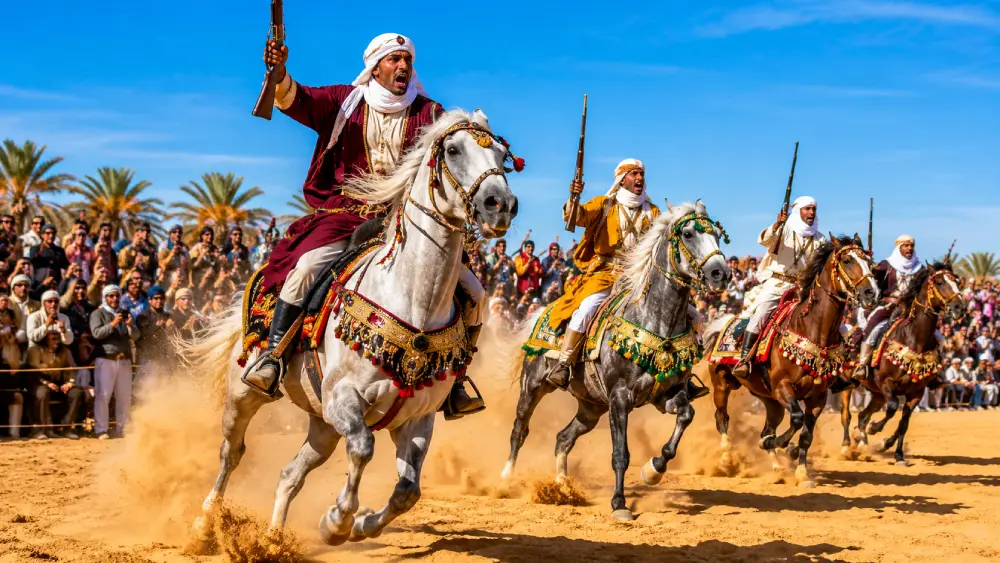
Held in the southern gateway town of Douz, this extraordinary winter festival is a celebration of nomadic Bedouin culture. You will witness thrilling camel marathons, traditional horseback riding displays, and greyhound races. If you plan to visit the south in December, you must book your accommodation in Douz months in advance, as the town swells with international spectators.
Summer Music & Arts Festivals (July & August)
If you are visiting in the heat of summer, the nights belong to the arts. The Carthage International Festival takes place in the restored Roman amphitheater, featuring global music superstars and theatrical performances. Similarly, the International Festival of Hammamet offers open-air concerts right on the coast.
Fabrika Festival (November 5 - 9, 2026)
For fans of electronic music and visual arts, 2026 brings the massive Fabrika Festival to Monastir. This 5-day event attracts top international DJs and thousands of festivalgoers to the beachside setting. If you are staying near Monastir in early November, expect hotels to book up quickly and a younger, energetic crowd to flood the area.
A Quick Note on Staying Connected
Navigating Tunisia’s medinas, checking the unpredictable louage (shared taxi) schedules, and translating French or Arabic menus requires constant internet access. You do not want to be caught in the labyrinth of the Tunis Medina without Google Maps.
Getting connected immediately upon landing is the smartest move you can make. Do not rely on spotty hotel Wi-Fi or slow local cafes. A digital SIM is the easiest, most frictionless way to ensure you have high-speed data the second your plane touches the tarmac. For the absolute best setup, we highly recommend getting a Tunisia eSIM.
Need data in Tunisia? Get an eSIM!
Choose the perfect data plan for your trip

Manage your eSIM in the app
Install, top up and track data.
If you want to compare all your options, from physical SIM cards at the airport to portable Wi-Fi routers, you should read our deep dive on How to Get Internet in Tunisia. Furthermore, to ensure you pick the right data package for your specific trip length, check out our breakdown of the Best eSIM for Tunisia.
FAQ: Best Time to Visit Tunisia
What is the absolute cheapest month to visit Tunisia?
January and February are the cheapest months. Because the coastal resorts cannot offer beach weather, they slash their prices dramatically to attract winter tourists. You can often find luxury seaside rooms for a fraction of their summer cost.
Is Tunisia safe for tourists year-round?
Yes, Tunisia is generally very safe for tourists, especially in the major coastal resorts and historical sites. However, the deep southern border regions require specific caution and guided tours. When planning your route, be sure to review our comprehensive guide on Is Tunisia Safe for Tourists?.
Can I bring my drone to film the desert?
No. Tunisia has incredibly strict laws regarding drones, and they are generally confiscated at the airport unless you have prior, hard-to-get government authorization. Avoid steep penalties by reading up on Tunisia Tourist Bans & Laws.
Are there strict rules on what I can bring into the country?
Yes, customs officers are thorough, particularly regarding alcohol, tobacco, and foreign currency. Before packing your bags, familiarise yourself with the Tunisia Airport Customs Rules.
Is it okay to visit Tunisia during Ramadan in 2026?
Absolutely. While daytime can be quiet and finding an open local restaurant for lunch requires effort, the evening atmosphere is magical. Tourist resorts operate normally, offering food and alcohol to foreigners during the day without issue.
When is jellyfish season in Tunisia?
Jellyfish (medusas) typically appear in the warmer coastal waters from late July through August. Their presence depends heavily on sea currents and winds. If you get stung, the local remedy is to rub a slice of tomato on the skin to neutralize the mild venom.
Does it actually snow in Tunisia?
Surprisingly, yes! In the high-altitude northwestern regions like Ain Draham, light snowfall can occur during January and February. However, it is rare and you will not see snow anywhere near the main tourist hubs or the southern desert.