


The Practical Takeaway:
-
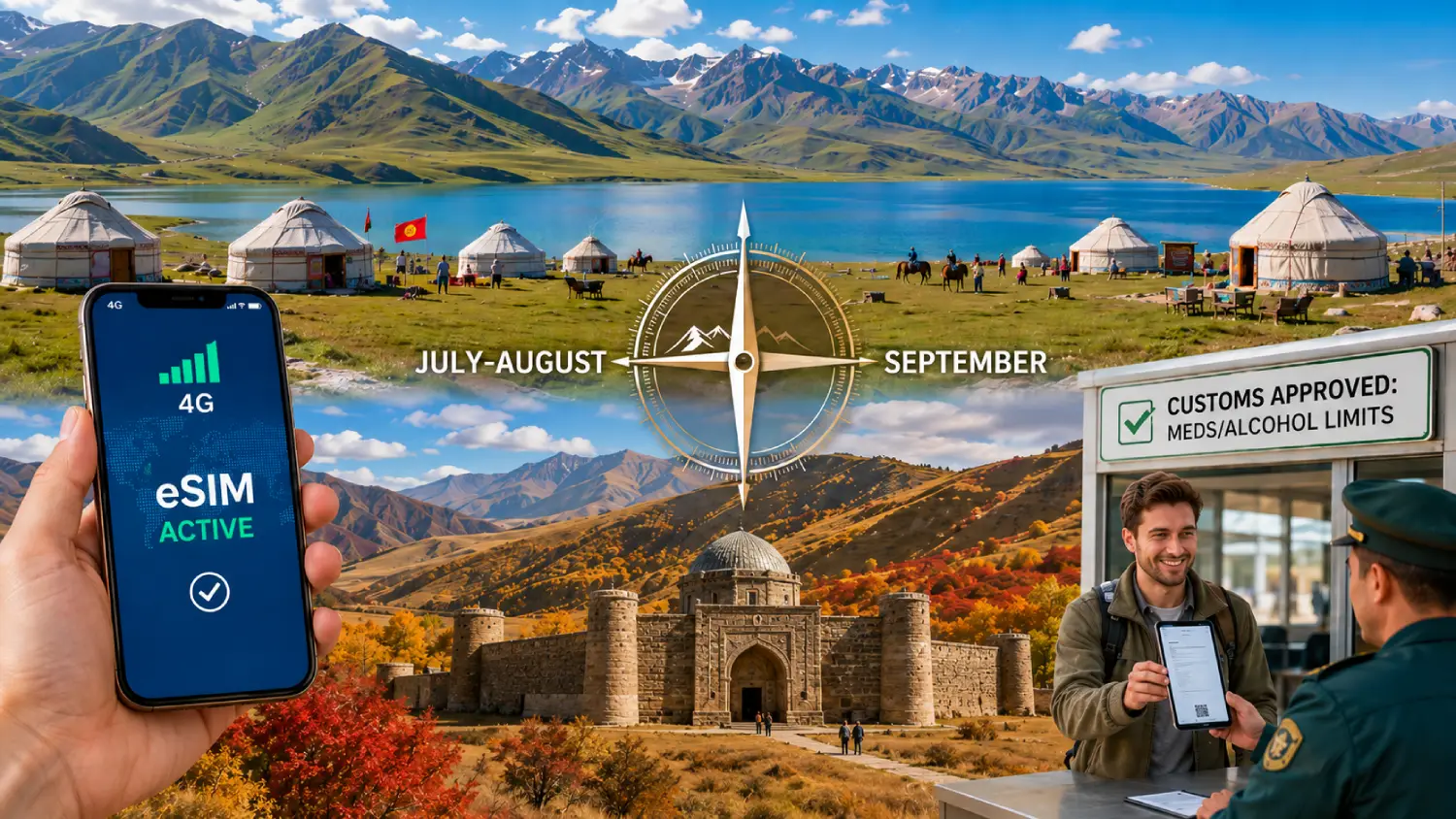
Best Overall for First-Timers: July and August. These are the months when all high-altitude mountain passes are fully open and yurt camps are operational.
-
Best for Budget & Avoiding Crowds: September. The weather remains relatively stable, but the summer tourist peak has passed, lowering accommodation rates.
-
Best for Culture & Festivals: Late August to early September 2026. This period aligns perfectly with the highly anticipated VI World Nomad Games in Bishkek.
-
Worst Time for Hiking: November to March. Bitterly cold temperatures and heavy snow make the vast majority of rural and mountainous regions completely inaccessible.
Kyrgyzstan by Season: What You Really Get
Kyrgyzstan experiences extreme continental weather, meaning the seasons dictate exactly what you can and cannot do. Winter plunges the country into deep freezes, while summer opens up the legendary jailoos (alpine pastures). Before planning your itinerary, it is essential to understand how the shifting climate will impact your daily travel plans.
| Season (Months) | Typical Conditions | Crowds | Costs | Best For |
| Spring (March - May) | Warming valleys, muddy trails, lingering high-altitude snow | Low | Low | Exploring Bishkek, blooming wildflowers, low-elevation road trips |
| Summer (June - August) | Hot in cities, pleasantly cool in mountains, dry | Peak | High | Multi-day trekking, horseback riding, yurt stays, swimming in Issyk-Kul |
| Autumn (September - November) | Crisp air, changing foliage, unpredictable snow by November | Moderate to Low | Medium | Photography, eagle hunting festivals, comfortable city sightseeing |
| Winter (December - February) | Heavy snow, freezing temperatures, closed mountain passes | Very Low | Lowest | Backcountry skiing, freeride snowboarding, winter gastronomy |
Regional Differences (Microclimates & Geography)
Bishkek & The Chuy Valley (The Lowlands)
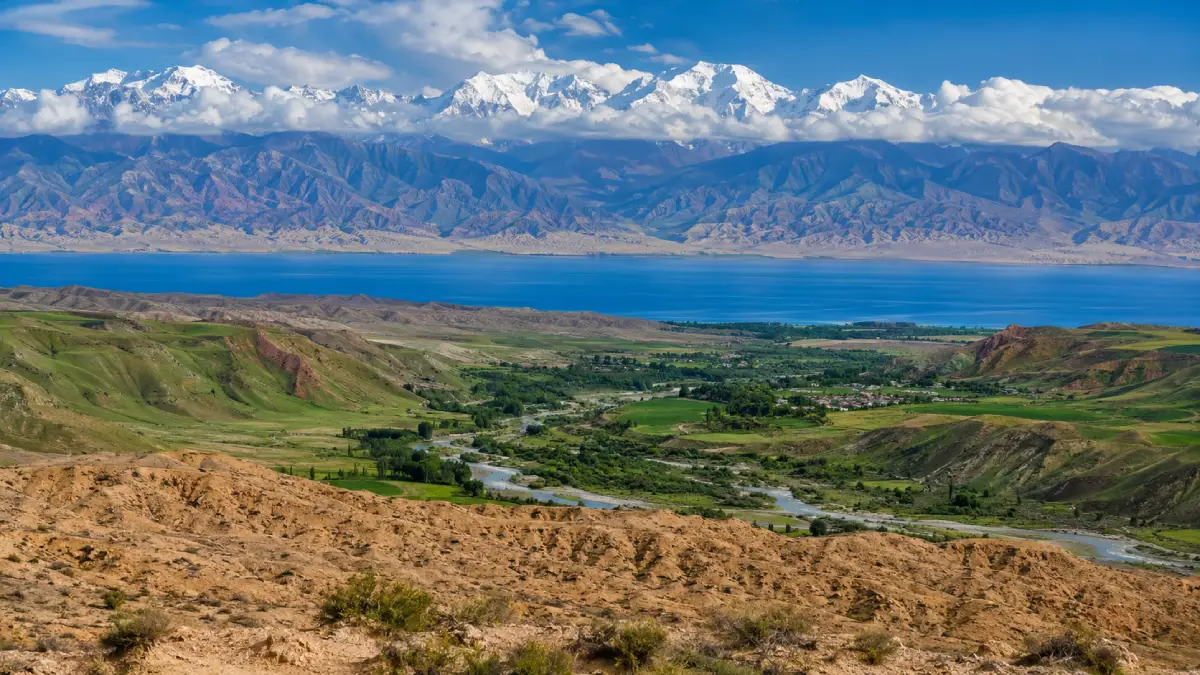
The capital city and surrounding valleys sit at a relatively low altitude compared to the rest of the country. Summers here are intensely hot and dry, with July temperatures regularly soaring above 32C (90F). Spring and autumn are by far the most comfortable times to explore the capital's Soviet architecture and bustling bazaars.
Lake Issyk-Kul (The Alpine Pearl)
Lake Issyk-Kul is the second-largest alpine lake in the world and boasts a unique microclimate that prevents it from ever freezing. During July and August, the northern shore transforms into a bustling beach resort destination for locals and tourists alike. If you prefer a tranquil shoreline, visit the wilder southern shore in September for peaceful mountain backdrops.
Tian Shan Mountains & High Pastures (Song-Kul & Tash Rabat)
This is the dramatic, nomadic heartland of Kyrgyzstan. Due to elevations exceeding 3,000 meters, locations like Song-Kul are locked in snow for most of the year. You can reliably access these high-altitude jailoos and sleep in traditional yurt camps between late June and early September.
Southern Kyrgyzstan (Osh & The Fergana Valley)
The southern region is significantly warmer and more humid than the north. Spring arrives much earlier here, making April and May excellent months to visit the ancient city of Osh and its famous bazaar. By mid-summer, the heat in the Fergana Valley can become oppressive, making early morning exploration a necessity.
Month-by-Month Cheat Sheet
-
January: Deep winter grips the country. It is the perfect time for extreme freeride skiing in Karakol, but virtually all high-altitude hiking routes are closed.
-
February: Freezing temperatures continue across all regions. City sightseeing in Bishkek is possible, but pack heavy thermal layers.
-
March: The spring thaw begins in the lowlands, creating muddy conditions. Navigating the changing weather can be tricky, making it a transitional shoulder month.
-
April: Spring fully arrives in the valleys with beautiful blooming wildflowers. It is a great month to visit Osh and southern Kyrgyzstan before the intense heat sets in.
-
May: Temperatures rise comfortably, and the Shyrdak (Felt Carpet) Festival usually takes place late in the month. High mountain passes remain dangerously snowy.
-
June: Summer officially kicks off, and the lower yurt camps begin to open. This is a brilliant time to visit to beat the peak July crowds while enjoying lush green scenery.
-
July: The absolute peak of the tourist season with warm, dry weather everywhere. This is the prime month for conquering high-altitude treks and swimming in Issyk-Kul.
-
August: Excellent trekking conditions continue, and nomadic horse games are frequently held across the country. Book your yurt stays well in advance during this busy month.
-
September: The undisputed sweet spot for visiting Kyrgyzstan. You get stunning autumn foliage, cooler hiking weather, and access to massive cultural events in 2026.
-
October: A gamble, as the weather turns sharply colder and unpredictable snowstorms begin. Yurt camps pack up and move to lower elevations for the winter.
-
November: The landscape becomes barren as the harsh winter begins to set in. Most tourist infrastructure outside the major cities shuts down completely.
-
December: Snow blankets the country, officially launching the winter sports season. Ski resorts open, offering an incredibly off-the-beaten-path winter holiday.
Best Time to Visit by Traveler Type
For Multi-Day Trekkers & Alpinists
If your goal is to conquer the heights of the Tian Shan, you must visit between July and August. During this brief window, the snow clears from passes above 3,500 meters, allowing safe passage. Outside of these months, unpredictable blizzards can make high-altitude trekking incredibly dangerous.
For Cultural Immersion & Yurt Stays
To experience authentic nomadic life, target late June through early September. This is when Kyrgyz shepherds move their flocks to the summer pastures and set up the iconic yurt camps. Be sure you understand local etiquette by reading up on Kyrgyzstan Tourist Bans & Laws before visiting rural families.
For Winter Sports Enthusiasts
Powder hounds should aim for January and February. The ski base in Karakol offers some of the best and most affordable freeride skiing in Central Asia. The snow is incredibly dry and deep, providing world-class backcountry conditions without the massive crowds found in Europe.
For Budget & Solo Travelers
May and September offer the best balance of decent weather and discounted rates. You will find that guesthouses are eager for business, and negotiating transport prices is much easier. While the country is generally very secure, solo travelers should review Is Kyrgyzstan Safe for Tourists? to stay street-smart.
Festivals & Special Dates to Plan Around (2026)
The VI World Nomad Games (August 31 – September 6, 2026)
This is the biggest event in Central Asia, and in 2026, it returns to Bishkek and the Issyk-Kul region. Expect a spectacular showcase of traditional sports like eagle hunting, horseback wrestling, and kok-boru (dead goat polo). Accommodation will sell out months in advance, so early booking is absolutely mandatory.
National Equestrian Games Festival (August 2026)
Held in the Suusamyr Valley, this thrilling event highlights the legendary horsemanship of the Kyrgyz people. You can witness heart-pounding races and traditional games while enjoying a massive feast of local cuisine. It is a fantastic alternative if you cannot make the larger World Nomad Games.
Muras Heritage Festival (Late June 2026)
Taking place in the Chaek Village area, the Muras Festival is a vibrant celebration of Kyrgyz music, crafts, and folklore. It is a highly authentic, family-friendly event that marks the joyous beginning of the summer nomadic season.
A Quick Note on Staying Connected
Navigating Kyrgyzstan requires immediate and reliable internet access from the moment you land. You will need data to translate Russian or Kyrgyz, order Yandex Go taxis, and access offline GPS hiking maps. The rugged mountainous terrain means you cannot rely on public Wi-Fi you leave Bishkek.
Need data in Kyrgyzstan? Get an eSIM!
Choose the perfect data plan for your trip

Manage your eSIM in the app
Install, top up and track data.
The absolute easiest way to secure immediate connectivity is by downloading a Kyrgyzstan eSIM before your flight. This allows you to skip the chaotic SIM card kiosks at the airport and instantly connect to local networks upon landing. For a deep dive into coverage maps and data packages, check out our Best eSIM for Kyrgyzstan and How to Get Internet in Kyrgyzstan.
Also, if you are bringing specialized camera gear or prescription medications on your trip, double-check the Kyrgyzstan Airport Customs Rules to ensure a smooth arrival process.
FAQ: Best Time to Visit Kyrgyzstan
What is the cheapest month to visit Kyrgyzstan?
November and March are typically the cheapest months due to the harsh, unpredictable weather. However, for a balance of good weather and lower prices, late September and May are the most practical budget options.
When is the best time to visit Lake Issyk-Kul?
For swimming and beach resorts, July and August offer the warmest water temperatures. If you prefer quiet photography and hiking around the lake, September is incredibly scenic and peaceful.
Are yurt camps open year-round?
No. The vast majority of high-altitude yurt camps, such as those at Song-Kul, are open from late June to early September. A few lower-elevation camps near Issyk-Kul may operate into October.
When is the worst time to visit Kyrgyzstan?
November and March are generally considered the most difficult months. The weather is constantly shifting between freezing rain and snow, making roads muddy and mountain passes impassable.
Is it worth visiting Kyrgyzstan in the winter?
Yes, but exclusively if you are interested in winter sports. The freeride skiing in Karakol is phenomenal, but standard sightseeing and hiking are virtually impossible during the deep winter months.
When do the mountain passes open for trekking?
Lower elevation trails begin to clear in May, but high passes (above 3,000 meters) do not fully open until late June or early July. They usually become dangerously snowy again by late September.
Do I need to book in advance for the World Nomad Games?
Absolutely. The 2026 World Nomad Games in late August and early September will draw thousands of international tourists. You must book your flights, hotels, and transport several months in advance.