


'%3e%3cg id='b'%3e%3cpath id='a' d='M0 0v1h.5z' transform='rotate(18 3.157 -.5)'/%3e%3cuse xlink:href='%23a' transform='scale(-1 1)'/%3e%3c/g%3e%3cuse xlink:href='%23b' transform='rotate(72)'/%3e%3cuse xlink:href='%23b' transform='rotate(-72)'/%3e%3cuse xlink:href='%23b' transform='rotate(144)'/%3e%3cuse xlink:href='%23b' transform='rotate(-144)'/%3e%3c/g%3e%3cuse xlink:href='%23c' transform='translate(10 -3.2)'/%3e%3cuse xlink:href='%23c' transform='translate(10 2.8)'/%3e%3cuse xlink:href='%23c' transform='translate(-10 -3.2)'/%3e%3cuse xlink:href='%23c' transform='translate(-10 2.8)'/%3e%3c/svg%3e)
Quick Answer / The Practical Takeaway
To get the most out of your trip without spending hours analyzing weather charts, use this rapid planning breakdown for your 2026 travel calendar:
-
Best Months for First-Timers: January to April. This is the peak dry season across most of the country, offering maximum sunshine, excellent water visibility for diving, and clear paths for jungle trekking.
-
Best Months for Budget Travelers: May, September, and October. Accommodation rates drop by 30% to 50% during these periods, and flights are significantly cheaper if you do not mind afternoon downpours.
-
Best Months to Avoid Crowds: May and November. These shoulder-season windows sit right on the edge of the major weather shifts, giving you empty beaches and quiet archaeological sites just before or after the tourist rush.
Honduras by Season: What You Really Get
Honduras is divided into two primary weather patterns: the dry season (verano) and the rainy season (invierno). However, because of the country's varied geography, "rainy" can mean a refreshing 2-hour afternoon shower on the mainland or heavy, persistent tropical downpours on the Caribbean coast.
| Season (Months) | Typical Conditions | Crowds | Costs | Best For |
| Dry Season (Dec - Apr) | Bright sunshine, low humidity, minimal rain. Warm winds on the islands. | High (Peak) | Expensive | Diving, snorkeling, hiking, and exploring Mayan ruins. |
| Shoulder Season (May - Aug) | Hot temperatures, increasing humidity, brief afternoon or night showers. | Moderate | Mid-Range | Whale shark spotting, white-water rafting, and lower lodge prices. |
| Rainy Season (Sep - Nov) | Heavy tropical rainfall, high humidity, risk of regional storms or hurricanes. | Very Low | Cheapest | Ultra-budget travel, indoor cultural sights, and vibrant green landscapes. |
Regional Differences (Microclimates & Geography)
Honduras looks small on a map, but its dramatic terrain creates wildly different microclimates. The weather in the high-altitude mountains rarely matches the tropical climate of the Caribbean flats.
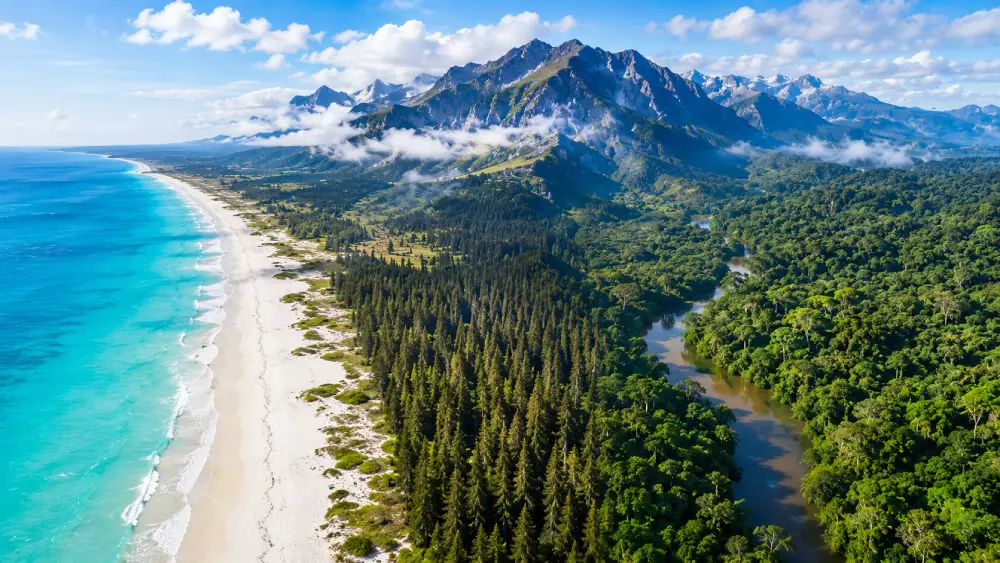
The Bay Islands (Roatán, Utila, and Guanaja)
The islands follow a slightly delayed weather track compared to the mainland. Their heaviest rainy period hits later, stretching from October through December. If you want perfectly calm, crystal-clear water for scuba diving, schedule your visit between February and August. During the summer months, water visibility frequently exceeds 100 feet. However, safety should always come first; before booking a coastal getaway, make sure to read our detailed safety breakdown in the Is Honduras Safe to Visit? guide.
Western Highlands & Copán Ruinas
This mountainous interior stays much cooler than the coastal zones year-round. Morning temperatures in places like Copán and Gracias can drop into the 50s (∘F), making it ideal for walking through ancient ruins. The dry season here runs strictly from December to April. Traveling during these months ensures your paths through the archaeological parks remain dry and free of slick mud.
The North Coast (La Ceiba & Tela)
As the gateway to the rainiest jungles in Central America, this stretch receives rain almost year-round. The briefest dry spell occurs between February and May. If you are looking to hike through Pico Bonito National Park or raft down the Cangrejal River, the early summer months provide the perfect balance—vibrant water levels without the dangerous flash floods of late autumn.
Month-by-Month Cheat Sheet
-
January: Exceptional weather with cool evening breezes. The landscapes are still lush and green from the recent rains, making it a spectacular time for photography.
-
February: The absolute sweet spot for island travelers. Trade winds die down, leaving the sea flat, clear, and perfect for snorkeling.
-
March: Very dry and increasingly hot. Mainland trails are completely clear, though popular destinations like Roatán experience high cruise-ship crowds.
-
April: The hottest month of the year. Semana Santa (Holy Week) brings massive local crowds to the beaches, driving accommodation prices to their absolute peak.
-
May: The official start of the shoulder season. Temperatures remain high, and short afternoon showers begin to cool the air down. Excellent for finding flight discounts.
-
June: Rainy season begins in earnest on the mainland. Mornings are typically clear and sunny, followed by predictable, heavy downpours in the late afternoon.
-
July: A mini dry window often occurs this month, locally known as the el canícula. It offers a brief, sunny reprieve from the heavier summer rains.
-
August: Hot and humid. The ocean waters are incredibly warm, which is fantastic for marine life encounters, though trekking in the jungle can feel oppressive.
-
September: Peak of the rainy season for the mainland. Dirt roads in rural areas can become impassable due to deep mud and swelling rivers.
-
October: Highest risk for tropical storms and hurricanes along the Caribbean coast. Many dive shops and eco-lodges close down temporarily for annual maintenance.
-
November: The rains begin to clear in the interior, though the Bay Islands still experience frequent storms. Budget deals are abundant across the entire country.
-
December: The winter tourism rush begins mid-month. The weather transitions to clear skies, and festive holiday energy takes over the towns.
Best Time to Visit by Traveler Type
For Diving & Marine Life Encounters
To see the barrier reef at its finest, aim for February to May. If swimming with whale sharks is on your bucket list, focus your trip around March and April or August to October utilizing Utila as your base. During these months, nutrient-rich currents pull these gentle giants close to the island's shores.
For Sightseeing, Mayan History & Culture
If your main goal is exploring the stelae and burial vaults of Copán, book your trip between January and March. The humidity is at its lowest, and the cooler mountain air allows you to hike the ruins all day without overheating.
For Adventure Sports & Wildlife Trekking
White-water rafting on the Cangrejal River requires good water volume. Go during the shoulder months of June and July or November and December. The rivers are high and thrilling, but skip the chaotic peak storm windows of September and October when rapids become too dangerous to navigate.
For Budget Travelers
The cheapest time to step foot in Honduras is September and October. While you will have to navigate rain, luxury eco-lodges and beachside villas slash their pricing significantly. Just make sure you understand the import regulations before packing any specialized gear by reviewing the Honduras Airport Customs Rules overview.
Festivals & Special Dates to Plan Around (2026)
-
Semana Santa (Holy Week - April 2–5, 2026): This is the biggest cultural event of the year. The streets of Comayagua are covered in beautiful, intricate sawdust carpets (alfombras de aserrín). You must book hotels 6 to 8 months in advance, as the entire country travels during this week.
-
Feria Isidra & The La Ceiba Carnival (Late May 2026): A massive, week-long celebration along the north coast that culminates in a vibrant international parade. Expect thousands of travelers, live Garifuna music, and high energy.
-
Independence Day (September 15, 2026): Celebrated across every town and city with elaborate student marching bands, traditional dances, and street parades. It is a fantastic day for cultural immersion, though banks and government buildings will be closed.
Before arriving for any of these major events, it is highly recommended to familiarize yourself with local regulations and cultural expectations by reading the Honduras Tourist Bans & Laws guide to avoid any issues during your stay.
A Quick Note on Staying Connected
Landing in Honduras and immediately trying to navigate mountain roads, check ferry schedules from La Ceiba to Roatán, or coordinate a ride share requires an active internet connection. Relying on spotty hotel Wi-Fi can leave you stranded when plans change quickly due to weather shifts.
Need data in Honduras? Get an eSIM!
Choose the perfect data plan for your trip

Manage your eSIM in the app
Install, top up and track data.
Getting an eSIM before you depart is the easiest, most seamless way to secure data the moment your plane touches down. Instead of hunting for physical SIM cards at the airport or dealing with unexpected roaming fees, you can activate your data plan digitally.
To find the absolute top-performing networks and data plans for your trip, check out our comprehensive review on the Best eSIM for Honduras. If you want to compare digital cards against traditional local options like physical SIMs or portable routers, take a look at our complete connectivity breakdown on How to Get Internet in Honduras.
FAQ: Best Time to Visit Honduras
What is the absolute cheapest month to visit Honduras?
September is generally the cheapest month. Because it falls in the middle of the rainy season, airlines and hotels drop prices to their lowest annual rates to attract travelers.
When is hurricane season in Honduras?
The official Atlantic hurricane season runs from June 1 to November 30. However, historical data shows that Honduras faces its highest risk of tropical storms between late August and late October.
Is Roatán's weather different from the mainland?
Yes, significantly. Roatán and the Bay Islands have a delayed rainy season. While the mainland gets heavily drenched in May and June, the islands remain relatively dry. Conversely, when the mainland starts drying up in November and December, the islands experience their highest rainfall of the year.
What is the best month to see whale sharks in Utila?
While they can be spotted year-round, your best chances are during March and April, with a secondary reliable window occurring between August and October.
Does it get cold in Honduras?
Only in the high-altitude interior regions. Places like Tegucigalpa, La Esperanza, and Copán Ruinas can experience crisp morning temperatures dropping down to 50–55F (10–13C) during the dry winter months of December and January.
What is the water temperature like for diving?
The Caribbean Sea surrounding Honduras remains warm year-round. Water temperatures fluctuate between a comfortable 78F (26C) in January and a balmy 84F (29C) in August, meaning a thin 3mm wetsuit or a basic rash guard is usually all you need.