


The Quick Answer: Best Times at a Glance
-
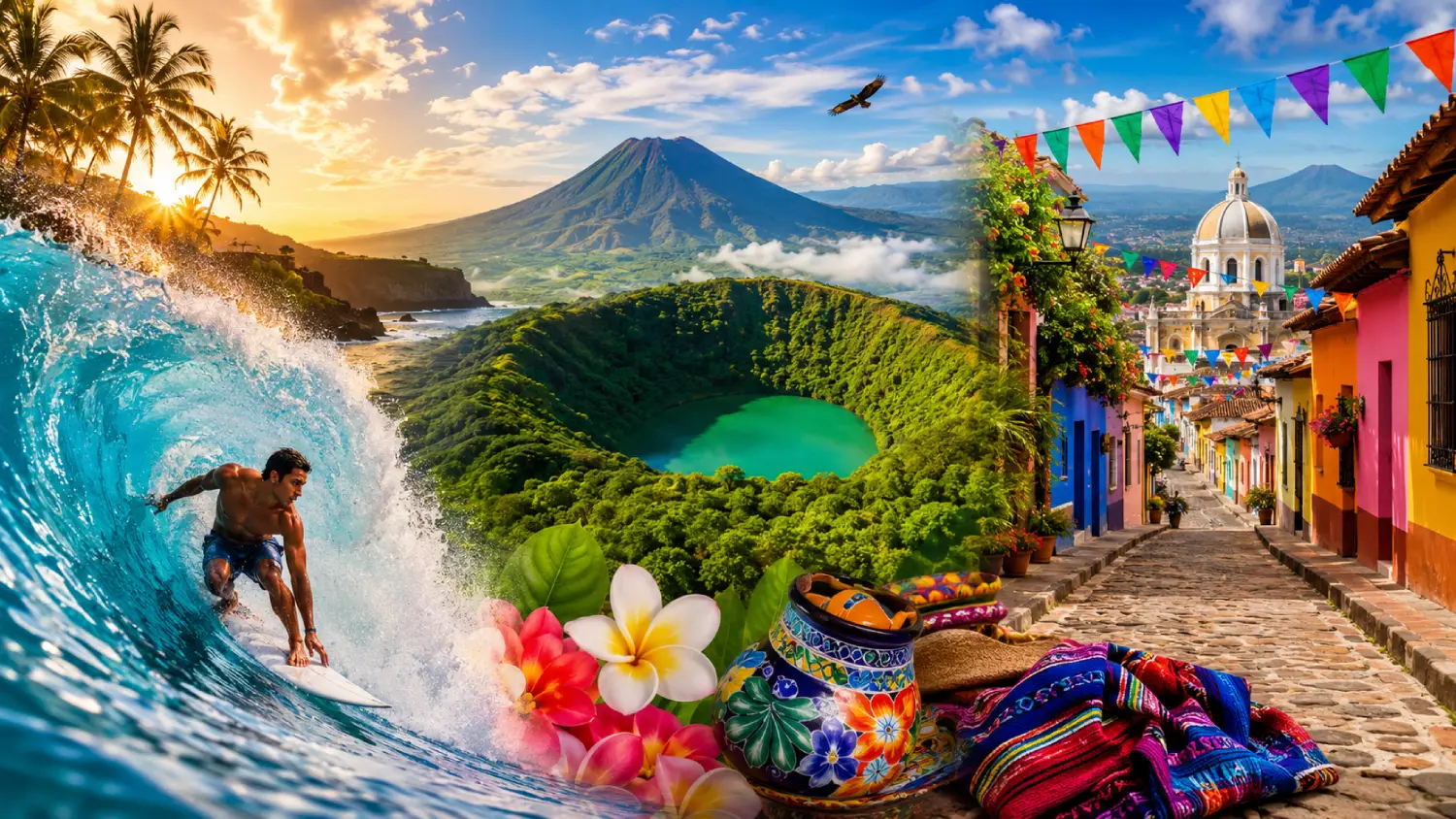
Best Overall for First-Timers: November to March. You get clear skies, lower humidity, and lush green landscapes right after the rainy season.
-
Best for Budget Travelers: September and October. This is the peak of the rainy season, bringing the lowest hotel rates and flight deals.
-
Best for Surfers: May to October. The Pacific swells are massive and consistent, drawing pros from around the globe.
-
Best to Avoid Crowds: February and June. These shoulder months dodge the massive holiday influxes while offering decent weather windows.
El Salvador by Season: What You Really Get
El Salvador essentially has two main seasons: the dry season (verano) and the wet season (invierno). The transition between these two dictates everything from hotel prices to road accessibility.
| Season (Months) | Typical Conditions | Crowds | Costs | Best For |
| Dry Season (Nov - Apr) | Sunny, hot, low humidity | High | Highest | Hiking, beaches, festivals |
| Shoulder Season (May & Nov) | Occasional showers | Medium | Moderate | Balancing cost and weather |
| Wet Season (Jun - Oct) | Afternoon downpours, humid | Low | Lowest | Surfing, budget travel |
Regional Differences (Microclimates & Geography)
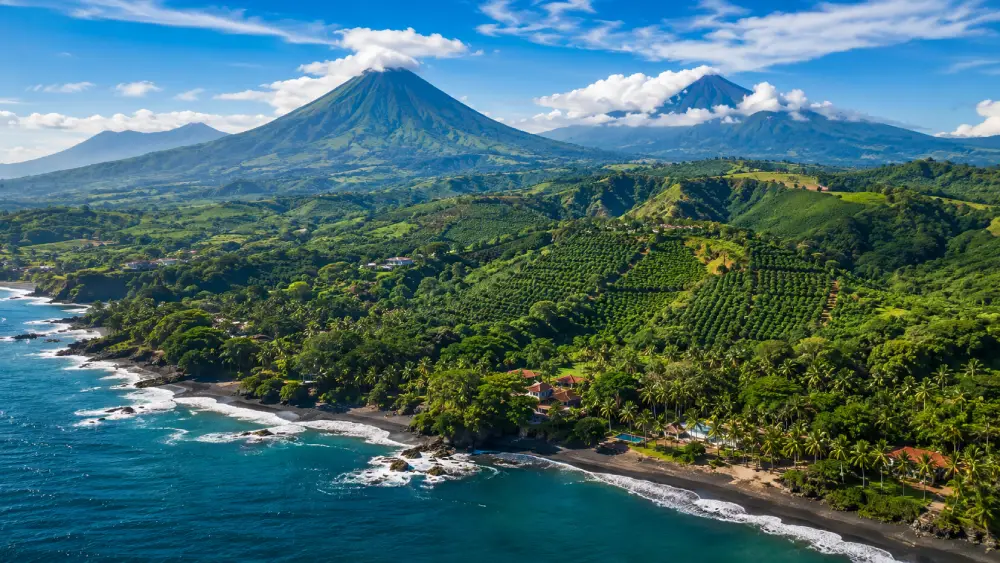
El Salvador is the smallest country in Central America, but its topography creates distinct microclimates. The weather on the coast can feel entirely different from the cool mountain towns just an hour away.
The Pacific Coast (Surf City & La Libertad)
The coastline is consistently hot and humid year-round, with temperatures frequently hitting 90F (32C). The dry season is perfect for sunbathing and beginner surf lessons. During the wet season, the ocean churns out massive swells, but you will need to plan your beach time for the mornings before the afternoon storms roll in.
The Central Highlands & Volcanoes
San Salvador and the surrounding volcanic peaks offer a slight reprieve from the coastal heat. Evenings here can actually get breezy, especially from December to February. If you are planning to hike the Santa Ana volcano, aim for the dry season to guarantee clear views of the turquoise crater lake; wet season hikes often end in heavy fog.
The Ruta de las Flores (Coffee Region)
Nestled in the western mountains, this string of colorful colonial towns is significantly cooler than the rest of the country. Expect daytime temperatures in the comfortable 70sF (20sC). The best time to visit is from November to February when the coffee harvest is in full swing and the namesake wildflowers are blooming.
Month-by-Month Cheat Sheet
-
January: Peak Dry Season. Expect flawless blue skies, perfect hiking conditions, and premium prices.
-
February: The Sweet Spot. Still totally dry but slightly less crowded than January, making it great for exploring ruins.
-
March: Heating Up. Temperatures rise significantly across the country, and coastal areas get very hot.
-
April: Holy Week Madness. Easter brings massive local crowds, packed beaches, and peak pricing; book well in advance.
-
May: The Transition. The rains begin, usually in short afternoon bursts, while the surf starts getting noticeably bigger.
-
June: Wet Season Kicks In. Expect daily afternoon downpours, but mornings are often sunny and landscapes turn emerald green.
-
July: The Mini-Dry Season. A brief respite known as the veranillo usually occurs, offering a week or two of dry weather mid-month.
-
August: Festival Month. The massive Fiestas Agostinas in San Salvador shut down the capital and drive crowds to the beaches.
-
September: Peak Rain. This is the rainiest month; rural roads can wash out, but surfers enjoy epic, consistent swells.
-
October: Stormy and Quiet. Heavy rains continue, keeping tourist numbers low and prices at rock bottom.
-
November: The Best Month. The rains finally stop, leaving behind spectacular green scenery, perfect weather, and manageable crowds.
-
December: Holiday Rush. Flawless weather returns, but the second half of the month is incredibly busy with returning expats and holiday travelers.
Best Time to Visit by Traveler Type
For Beaches & Surfing
If you want to lounge on the sand with a cocktail, the dry season (November to April) is your window. However, if you are coming strictly for the waves, the script flips entirely. The wet season (May to October) produces the legendary South Pacific swells that put El Salvador on the map. If you are comparing regional surf destinations, you might want to review our El Salvador vs. Nicaragua: Which is Better? (Safety & Cost) guide to see which coast fits your style.
For Sightseeing & Culture
To comfortably wander around Suchitoto or explore the Mayan ruins of Joya de Cerén, stick to the cooler, drier months of December through February. The lack of rain means you won't get stuck inside, and the lower humidity makes walking around far more pleasant. Just be sure to read up on El Salvador Tourist Bans & Laws: Things Not To Do before wandering into historical or religious sites.
For Budget Travelers
The deepest discounts on accommodation and flights hit during September and October. While you will have to dodge heavy afternoon rains, the mornings are usually clear enough for exploring. If you are traveling on a strict budget, understanding local regulations can save you from unexpected fines; check our El Salvador Airport Customs Rules: Alcohol, Cigarettes & Limits guide before packing.
For Nature & Volcano Hikes
November and December are the undisputed champions for outdoor adventure. The rainy season has just ended, meaning the waterfalls are gushing and the forests are vibrant. More importantly, the skies are clear enough to ensure you actually get a view when you reach the summit of the Santa Ana or Izalco volcanoes.
Festivals & Special Dates to Plan Around (2026)
Semana Santa (Easter Week) - Late March / Early April 2026
This is the busiest domestic travel week of the year. Locals flock to the beaches, and coastal hotels often double their prices. While the vibrant street carpets (alfombras) in towns like Sonsonate are beautiful to witness, you must book your transport and lodging months in advance.
Fiestas Agostinas - First Week of August
San Salvador shuts down for a week of parades, carnivals, and religious processions honoring the Divine Savior of the World. Many businesses in the capital close, and residents head to the coast or the mountains. Expect a surge in domestic tourism and lively, party-heavy atmospheres in places like El Tunco.
Independence Day - September 15th
If you are visiting during the rainy season, this is a cultural highlight. Towns across the country host patriotic parades featuring school marching bands and traditional dances. It is a fantastic day to experience local pride, but expect major road closures in city centers.
A Quick Note on Staying Connected
Having immediate internet access the moment you land at El Salvador International Airport is no longer a luxury; it is a necessity. You will need a reliable connection to check live bus schedules, order a rideshare to your hotel, or translate menus at local pupuserias. Relying solely on public Wi-Fi can leave you stranded, especially if you are heading straight to smaller surf towns or the mountains.
Need data in El Salvador? Get an eSIM!
Choose the perfect data plan for your trip

Manage your eSIM in the app
Install, top up and track data.
Safety is also a major consideration for connectivity; as outlined in our Is El Salvador Safe in 2026? Cartels, Police & Tourist Scams guide, having continuous access to maps and emergency contacts is vital. The easiest and most efficient way to get is by using an El Salvador eSIM.
It allows you to skip the physical SIM card kiosks at the airport and activate your data plan before you even step off the plane. For a detailed breakdown of your choices, check our Best eSIM for El Salvador or our broader How to Get Internet in El Salvador overview.
FAQ: Best Time to Visit El Salvador
What is the absolute cheapest month to visit El Salvador?
September and October are the cheapest months. Because this is the peak of the rainy season, hotels and airlines drop their rates significantly to attract the few tourists willing to brave the daily downpours.
When is hurricane season in El Salvador?
Hurricane season officially runs from June through November. While direct hits from major hurricanes are rare, the country frequently experiences heavy tropical depressions and intense, prolonged rainfall during these months.
Is it worth visiting El Salvador during the rainy season?
Yes, especially if you are an experienced surfer looking for massive swells. It is also great if you want to see the country at its greenest and don't mind planning your outdoor activities strictly for the mornings before the afternoon storms hit.
When is the best time to hike the Santa Ana Volcano?
January through March offers the best hiking conditions. The skies are generally clear, providing unobstructed views of the crater lake and the surrounding landscape without the risk of afternoon thunderstorms.
Are the beaches crowded in December?
The first half of December is relatively quiet, but the second half is extremely crowded. Expats return home for the holidays, and locals take time off work, filling up popular coastal spots like El Tunco and El Zonte.
When is the coffee harvest on the Ruta de las Flores?
The coffee harvest takes place from November to February. This is the best time to visit the region if you want to take plantation tours, taste fresh roasts, and enjoy the cooler mountain temperatures.
Does El Salvador get cold?
The coastal and lowland areas never get cold. However, in the mountainous regions and along the Ruta de las Flores, nighttime temperatures from December to February can drop into the 50sF (around 12-15C), so a light jacket is necessary.
Title: Best Time to Visit El Salvador 2026: Weather, Seasons & Crowds
Description: Discover the best time to visit El Salvador in 2026. Get expert advice on weather, surf seasons, budget months, and avoiding peak crowds.