


However, navigating a new country without a reliable internet connection can quickly turn an adventure into a stressful ordeal. From translating Spanish menus and paying with Bitcoin to ordering an Uber in the capital, staying connected is essential. As of 2026, the country has made massive strides in digital infrastructure, but finding the right connection still requires some know-how.
In this ultimate guide, we will break down every method to get internet in El Salvador, compare the top local and international providers, and help you choose the best option for your specific travel style.
The Quick Answer: What is the Best Way to Stay Connected?
If you are looking for the short answer, here it is:
-
For Convenience & Safety: An eSIM is the best option. It allows you to connect the moment your plane lands at El Salvador International Airport (SAL), avoids language barriers at local shops, and keeps your primary number active for Two-Factor Authentication (2FA).
-
For Budget Travelers (Long Trips): A Local SIM Card (Claro or Tigo) purchased in a city center (not the airport) offers the lowest price per gigabyte but comes with the hassle of physical installation and mandatory passport registration.
-
For Digital Nomads: A combination of Fiber Optic WiFi in coworking spaces and a robust eSIM data plan as a backup is the gold standard for reliability.
Option 1: eSIM for El Salvador (The Modern Choice)
In 2026, the eSIM (embedded SIM) has become the standard for international travel. El Salvador, being a tech-forward nation that adopted Bitcoin as legal tender, has networks that are perfectly optimized for digital SIM technology.
What is an eSIM?
An eSIM is a digital version of the traditional plastic SIM card. It is already built into your phone (iPhone XR and newer, Samsung S20 and newer, etc.). Instead of swapping tiny plastic chips, you simply scan a QR code or use a Direct Install button to download a data plan.
Why Roafly is the Best eSIM for El Salvador
While there are many providers, Roafly stands out for travelers to El Salvador for a few key reasons:
-
Multi-Network Coverage: Unlike a local SIM that locks you to provider, Roafly often connects to the strongest available signal. In El Salvador, this typically means switching between Claro and Tigo, ensuring you have coverage whether you are high in the mountains or down by the coast.
-
Instant Delivery: You can buy your plan while sitting in the departure lounge at home. By the time you land in San Salvador, your data is ready.
-
No Passport Scan Required: Buying a local SIM requires handing over your passport for scanning and government registration. Roafly bypasses this bureaucratic step completely.
Need data in El Salvador? Get an eSIM!
Choose the perfect data plan for your trip

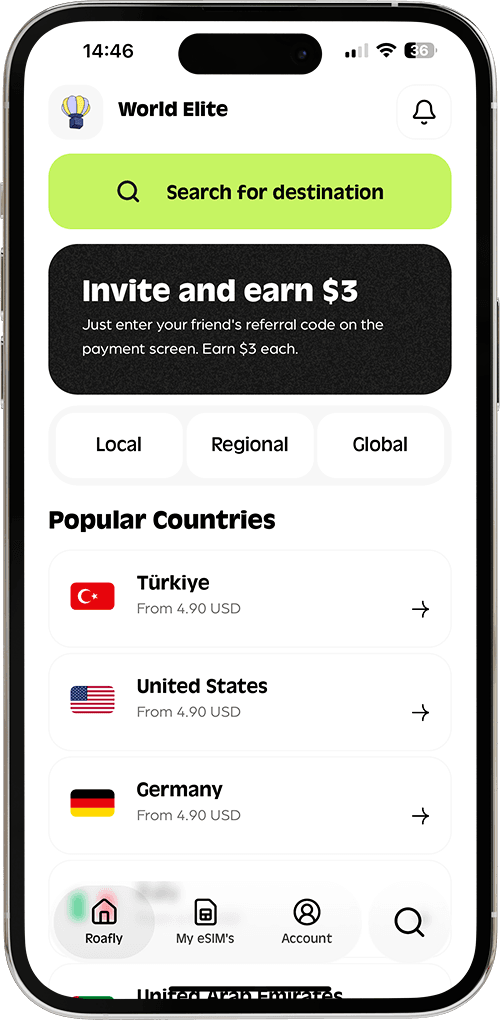
Manage your eSIM in the app
Install, top up and track data.
If you want to see a detailed breakdown of how we compare to other major players, read our full analysis of the best eSIM for El Salvador 2026.
Option 2: Buying a Local SIM Card in El Salvador
For those who prefer the traditional route or have an older phone that doesn't support eSIM, buying a local SIM card is a viable option. El Salvador has a competitive telecom market, but the buying process can be tricky for non-Spanish speakers.
Major Mobile Operators
-
Claro (America Movil): The market leader with the most extensive coverage. If you plan to hike remote volcanoes or visit small villages like Ataco or Juayúa, Claro is your best bet. Their 4G LTE signal is strong and reliable.
-
Tigo (Millicom): A very close second. Tigo is famous for its aggressive "Super Packs" which include generous data bonuses for apps like YouTube and TikTok. Their coverage in urban areas is excellent.
-
Movistar & Digicel: These are smaller competitors. While they often offer slightly cheaper rates, their coverage drops significantly outside major cities. We generally do not recommend them for tourists who plan to explore the whole country.
Buying at the Airport (SAL) vs. Buying in the City
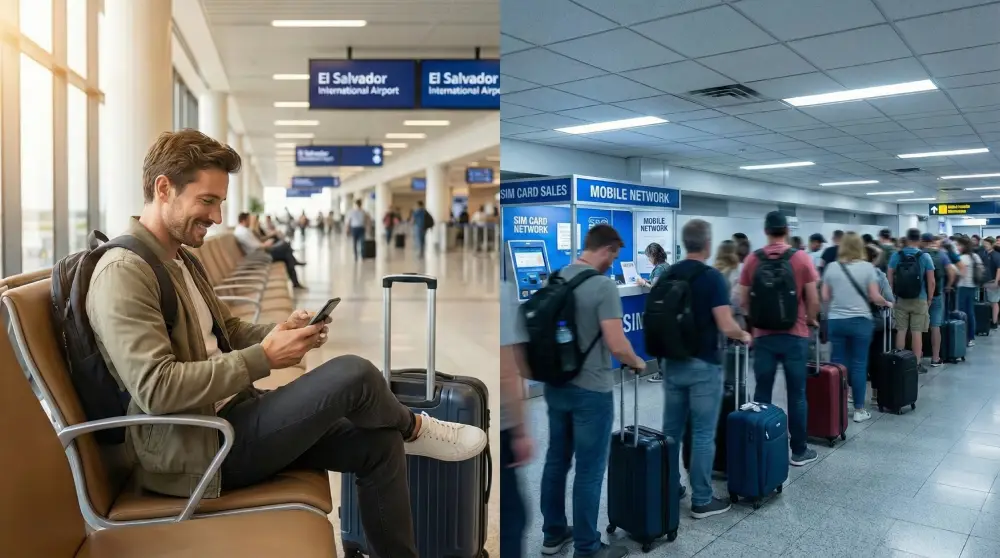
This is the most common mistake travelers make.
-
The Airport Trap: Kiosks at El Salvador International Airport target tourists. You might find SIM cards selling for $25–$35 USD for a package that would cost a fraction of that price in the city. The convenience fee is high.
-
City Prices: If you wait until you reach San Salvador, Santa Ana, or La Libertad, you can buy a SIM card at a supermarket, pharmacy, or official store. A typical prepaid plan costs around $1.50 for the chip plus $10–$15 for a 30-day data package (5GB–8GB).
Important Warning: By law, all SIM cards in El Salvador must be registered. You must present your physical passport. Copies are rarely accepted. The process can take 15–30 minutes depending on the queue and the staff's familiarity with foreign passports.
Comparison: Roafly vs. Competitors & Local SIMs
To help you make an informed decision, we have compared the most popular options available for travelers in 2026. Note that prices fluctuate, but this gives you a solid baseline.
Prices updated: January 2026