


As checked on September 7, 2026, the U.S. travel advisory for El Salvador is Level 1: Exercise Normal Precautions. That is encouraging, but it does not mean every neighborhood, beach or journey carries the same risk.
What the Travel Advisories Mean
Governments recognize the improvement in security while placing different weight on the remaining concerns.
| Government | Current assessment | What matters for your trip |
|---|---|---|
| United States | Level 1: Exercise Normal Precautions; advisory issued June 25, 2026 | Gang violence has fallen sharply, but detention under emergency powers remains possible. |
| United Kingdom | Describes substantial improvement while warning about continuing risks | Petty and violent crime, police powers and transport choices still require attention. |
| Canada | Exercise a High Degree of Caution; page updated July 29, 2026 | Its warning emphasizes arbitrary enforcement of local laws and crime. |
Read the UK safety advice and Canadian assessment alongside the U.S. advisory if you want to understand those differences. Their categories do not form a single international safety ranking.
Use the advice to examine your actual itinerary: where you will sleep, how you will arrive, and which activities you intend to book. A daytime city visit and an unfamiliar rural drive after dark need different preparation.
The State of Exception and Police Checks
El Salvador’s State of Exception has remained in place since 2022. It gives authorities expanded powers and weakens normal legal safeguards. The U.S. advisory reports that several American citizens have been detained and remain without trial.
Foreign citizenship does not exempt you from these measures. Following instructions during a police check is sensible, but respectful behavior cannot guarantee protection from mistaken suspicion.
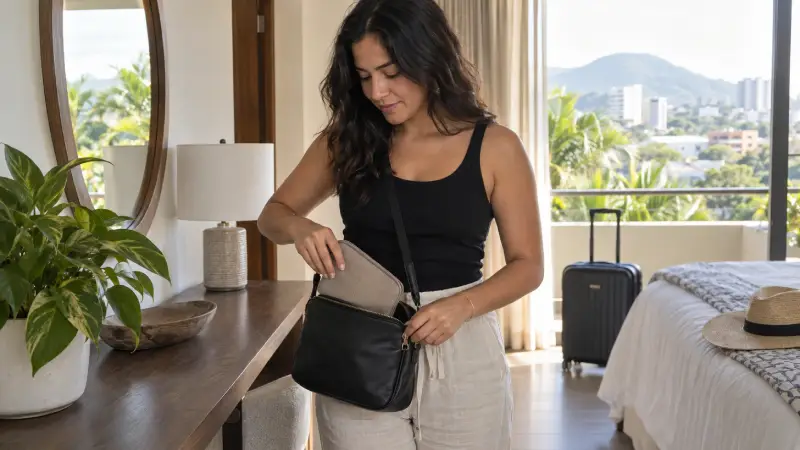
Keep identification accessible. The UK advises carrying a copy of your passport’s photo page; retain the original securely and do not assume a copy will satisfy every official request. Save your accommodation details and your embassy’s emergency contact where you can access them without internet.
During a check, stay calm, avoid sudden movements and ask for clarification if you do not understand. If detained, request consular contact and legal assistance; access may be delayed.
Review local laws in El Salvador before departure, particularly rules affecting drugs, driving and political activity.
San Salvador, Surf Towns and Areas Requiring Caution
San Salvador
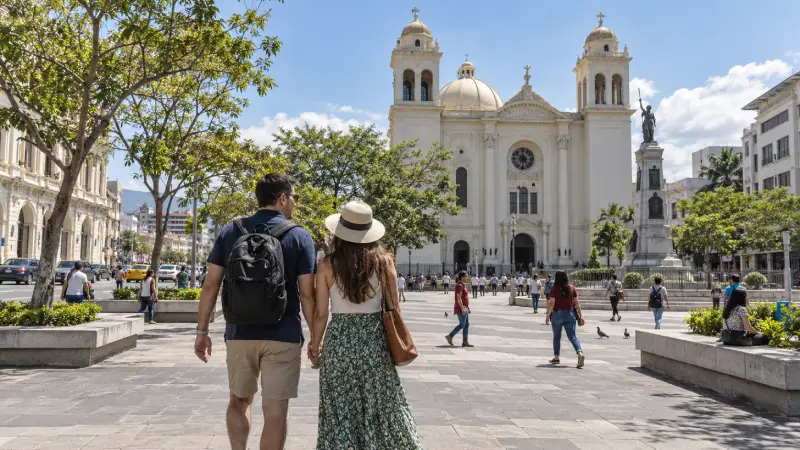
The capital needs a more precise description than either “dangerous” or “completely safe.” UK guidance identifies San Benito, Santa Elena and Maquilishuat as areas with better security.
Canada distinguishes the renovated Centro Histórico around landmarks such as the cathedral and National Palace from the wider downtown area. Its positive assessment concerns a limited group of blocks.
Ask your accommodation about the walk you intend to take, including your return route. Check where your driver can collect you after dinner or an evening visit.
El Tunco, El Zonte and the Pacific Coast
Planning a beach stay involves more than deciding whether the town feels comfortable. Keep your return transport separate from your nightlife plans, secure valuables before entering the water and ask about conditions at the particular beach you will use.
Treat advice about a hotel’s immediate surroundings as local guidance. It does not establish that nearby empty beaches or unfamiliar roads are suitable for a late walk.
Western Towns and Border Routes
Around Santa Ana, Ruta de las Flores and rural accommodation, check the final approach to your property and the arrangements for any guided outing. Even a familiar destination name tells you little about an isolated access road.
Border journeys deserve additional planning. Official advice highlights attacks near crossings, particularly on the Guatemalan side. Arrange the crossing early enough to reach your overnight stop before dark.
Public Buses, Driving and Night Transfers

Public buses should not be described as risk-free because gang activity has declined. UK guidance warns about petty crime on these services. Reputable private coaches, booked shuttles or hotel-arranged transport give you alternatives to assess.
The United States prohibits its government employees from using public buses. It also restricts their nighttime travel between cities or departments because of road conditions, poor lighting and potential landslides. Exceptions cover travel between San Salvador and the international airport or La Libertad department. These are staff rules, not a legal ban on tourists.
Build your own transport plan around a few practical checks:
-
Airport arrival: Agree on the pickup arrangement before flying, particularly for a late landing.
-
Booked cars: Confirm the driver and vehicle, and check that everyone has a working seat belt.
-
Rental cars: Schedule unfamiliar journeys for daylight and allow enough time to avoid rushing the final stretch.
-
Rural stays: Ask the property about road access, recent disruption and the best arrival time.
Compare the options for getting around El Salvador before committing to a route.
Download your map and save booking details offline. If you want mobile data for checking directions or contacting your accommodation, compare El Salvador eSIM plans before departure; keep those offline backups available too.
Theft, Payment Fraud and Solo Travel
Canada reports card, ATM and Bitcoin e-wallet fraud. Use cash machines inside banks or established businesses, shield your PIN and review transactions. Keep control of your phone and payment credentials if someone offers help with a transaction.
Agree on transport and excursion prices before starting. Ask what the price includes and retain the booking confirmation so you can refer back to the agreement if a charge is disputed.
If threatened during a robbery, prioritize your physical safety and hand over possessions rather than resisting.
Solo and Women Travelers
Women traveling alone may encounter harassment, and official advice records sexual assaults, including at beaches and on public buses. Organize your return journey before going out, keep drinks in sight and select accommodation with a clear arrival process.
You do not need to continue an interaction because someone has been friendly. Move to a staffed venue or contact your accommodation if a situation makes you uncomfortable.
LGBTQ+ visitors should also consider local attitudes when planning public displays of affection; official guidance warns about harassment and discrimination.
Beach Currents, Volcano Hikes and Weather
Swimming and Surfing
Strong currents and undertows make parts of the Pacific coast hazardous, including for capable swimmers. Lifeguards may be absent. Ask about the exact entry point and follow beach flags and local instructions; the presence of surfers does not tell you whether an area suits casual swimming.
Book lessons suited to your ability and discuss conditions with the instructor before entering. Avoid swimming alone, after drinking or at isolated beaches.
Hiking and Changing Conditions
Before a Santa Ana volcano hike or another outdoor excursion, confirm access with a reputable operator. Wind, volcanic activity and weather can affect whether a planned outing proceeds. Check what happens if conditions change, who makes the decision to turn back and how the group will return.
Use a guide familiar with the route, carry suitable footwear and water, and verify that your insurance covers the activity. Do not assume a booked excursion guarantees access.
Review El Salvador’s weather and seasons for seasonal planning, then check the forecast close to departure.
The Current Drought Alert
On August 25, 2026, Protección Civil issued a nationwide meteorological and agricultural drought alert. The notice focuses on heat, water availability and agricultural impacts, particularly in vulnerable areas.
Before a rural stay, ask about drinking-water arrangements and plan strenuous outings around the heat. The alert itself does not establish that hotels or attractions are closed. Dry conditions also do not rule out sudden thunderstorms.
Earthquakes
Know your accommodation’s emergency procedures. Local earthquake guidance advises against running during shaking and warns about windows, unstable objects and lifts.
Near the coast, shaking strong enough to make standing difficult is a cue to evacuate to designated tsunami safety areas as soon as you can move safely.
Health Preparation and Emergency Help
The CDC’s El Salvador guidance recommends preventing mosquito bites, including to reduce dengue risk. Pack repellent, use it as directed and consider screened or air-conditioned accommodation.
Use sealed bottled or reliably treated drinking water. Avoid floodwater and untreated freshwater swimming, and seek advice before travel about vaccinations or health needs specific to your itinerary.
Buy insurance covering medical treatment, evacuation and your planned activities. Australian travel advice warns that payment may be required before treatment, so keep your insurer’s assistance number and a means of payment accessible.
Dial 911 for emergency assistance in El Salvador. Save your hotel address, insurance details and embassy contact offline, and leave your itinerary with someone you trust.