


'/%3e%3cuse xlink:href='%23a' transform='rotate(23.036 .093 25.536)'/%3e%3cuse xlink:href='%23a' transform='rotate(45.87 1.273 16.18)'/%3e%3cuse xlink:href='%23a' transform='rotate(69.945 .996 12.078)'/%3e%3cuse xlink:href='%23a' transform='rotate(20.66 -19.689 31.932)'/%3e%3c/svg%3e)
The Practical Takeaway:
-
Best Overall Time (First-Timers): April to May and September to October. These shoulder seasons offer comfortable temperatures and vivid scenery across most of the country.
-
Best Time for Budget & Low Crowds: November to March (excluding the Chinese New Year). You will face cold weather but score massive discounts on flights and hotels.
-
Worst Time for Crowds: First week of May (Labor Day) and first week of October (National Day Golden Week). Half the country is traveling, causing severe crowding and price spikes.
-
Crucial Note: Chinese New Year falls on February 17, 2026. Expect massive transport disruptions from mid-February to late February.
China by Season: What You Really Get

China’s immense size means seasons vary wildly depending on where you land. Here is a high-level look at what to expect across the mainland.
| Season (Months) | Typical Conditions | Crowds | Costs | Best For |
| Spring (Mar - May) | Warming temperatures, blooming flowers, occasional rain in the south. | High | High | Great Wall hiking, city tours, comfortable sightseeing. |
| Summer (Jun - Aug) | Hot, humid, and heavy rain in the south and east. Pleasant in Tibet. | Very High | Very High | High-altitude travel, mountain escapes, river cruises. |
| Autumn (Sep - Nov) | Crisp air, clear skies, and spectacular fall foliage. Low humidity. | High | High | Photography, hiking, exploring ancient capitals. |
| Winter (Dec - Feb) | Freezing in the north, mild but damp in the south. | Low (except CNY) | Low | Winter sports, ice festivals, budget travel, indoor museums. |
Regional Differences (Microclimates & Geography)

China is roughly the same size as the United States, meaning weather patterns change drastically from the coastal megacities to the western highlands.
The North (Beijing, Xi'an, Harbin)
Northern China experiences distinct, intense seasons. Winters are bitterly cold, with Harbin plunging well below freezing, making it perfect for winter festivals but tough for casual sightseeing. Summers are hot and dry, while spring brings occasional dust storms from the Gobi Desert. Autumn (September and October) is the undisputed champion for visiting the north, offering clear blue skies ideal for walking the Great Wall.
The South and East (Shanghai, Guilin, Guangzhou)
The southern and eastern provinces are subtropical. Summers here are notoriously hot, sticky, and wet, with a distinct monsoon season and occasional typhoons from July to September. Winters are mild but can feel surprisingly chilly due to high humidity and a lack of indoor central heating. Spring (March to May) and late Autumn (October to November) provide the most comfortable balance for exploring cities and cruising rivers.
The West (Tibet, Xinjiang, Sichuan)
Western China features extreme altitudes and rugged terrain. Tibet and the Himalayan plateaus are best visited in the Summer (June to August) when the mountain passes are clear of snow and the valleys are lush. Conversely, the desert regions of Xinjiang are blisteringly hot in the summer and freezing in the winter, making Spring and Autumn the practical windows for the Silk Road route.
Month-by-Month Cheat Sheet
-
January: Bitterly cold in the north, mild in the south. Uncrowded at major sites. The Harbin Ice and Snow Festival is in full swing.
-
February: Chinese New Year (Feb 17, 2026) dominates the month. Expect mass domestic travel, closed businesses, and festive chaos. It is a culturally rich time, but logistically difficult.
-
March: Spring begins to thaw the country. Southern China gets warmer, though it can be rainy. Peach and cherry blossoms start to appear.
-
April: of the best months nationwide. The weather is comfortably warm, making it ideal for hiking the Great Wall or exploring southern karst mountains.
-
May: Excellent weather continues, but beware of the Labor Day holiday (May 1-5, 2026). Avoid travel during the first week; the rest of the month is fantastic.
-
June: Summer heat and humidity start building. The rainy season kicks off in the south. It is a good time to head to higher altitudes like Yunnan or Tibet.
-
July: Peak summer heat, heavy monsoon rains in the south, and occasional typhoons on the east coast. Domestic summer school holidays begin, increasing crowds.
-
August: Similar to July. It is hot, sticky, and crowded. This is the best time for northern grasslands (Inner Mongolia) or high-altitude regions.
-
September: The heat breaks, and rainfall decreases. This marks the beginning of the spectacular autumn season. Highly recommended for travel across the entire country.
-
October: The first week is National Day Golden Week (Oct 1-7, 2026); travel is an absolute nightmare. From October 8, the weather is crisp, dry, and perfect.
-
November: Temperatures drop sharply, especially in the north. Fall foliage peaks in early November. Crowds vanish, and hotel prices drop significantly.
-
December: Winter sets in. Bring heavy layers if heading north. It is a quiet month for tourism, making it an excellent time for budget travelers who do not mind the cold.
Best Time to Visit by Traveler Type

For Sightseeing & Culture
If your goal is to conquer the Forbidden City, the Terracotta Army, and the Great Wall without melting or freezing, aim for April, May, September, or October. The mild temperatures make long days of walking enjoyable. Just be sure to dodge the major national holidays to avoid standing in hours-long queues.
For Budget Travelers
To stretch your money, target the winter months of November through March (strictly avoiding the weeks around Chinese New Year). Airlines offer steep discounts, and luxury hotels often slash their rates by up to 50%. You can also save money by understanding the China Tax-Free Rules to claim back taxes on your shopping.
For Wildlife & Nature
If you want to see giant pandas in Sichuan, spring (March to May) and autumn (September to November) are ideal. Pandas are more active in cooler weather; during the peak heat of summer, they spend most of their time sleeping in air-conditioned enclosures. If you are packing gear for the outdoors, make sure you review the China Airport Customs Rules so nothing gets confiscated upon arrival.
Festivals & Special Dates to Plan Around (2026)
Chinese New Year (Spring Festival)
Falling on February 17, 2026, this is the biggest human migration on earth. Transport is booked solid weeks in advance, and many shops and restaurants close for several days. If you are in China during this time, stay put in city, enjoy the lantern displays, and do not attempt cross-country travel between February 15 and February 23.
Labor Day Holiday
Running from May 1 to May 5, 2026, this five-day break creates a massive surge in domestic tourism. Beautiful spring weather encourages everyone to travel. Hotel prices skyrocket, and famous sites reach maximum capacity.
National Day Golden Week
From October 1 to October 7, 2026, the entire country goes on vacation. This is arguably the busiest travel week of the year. Tourist attractions are overwhelmingly packed, and transport infrastructure is pushed to the limit. Unless you have everything booked six months in advance, avoid traveling during this week.
A Quick Note on Staying Connected
Arriving in China without a pre-arranged internet solution will leave you stranded. The Great Firewall blocks Western apps like Google Maps, WhatsApp, and most social media, making navigation and translation incredibly difficult. You will need immediate connectivity the moment you step off the plane.
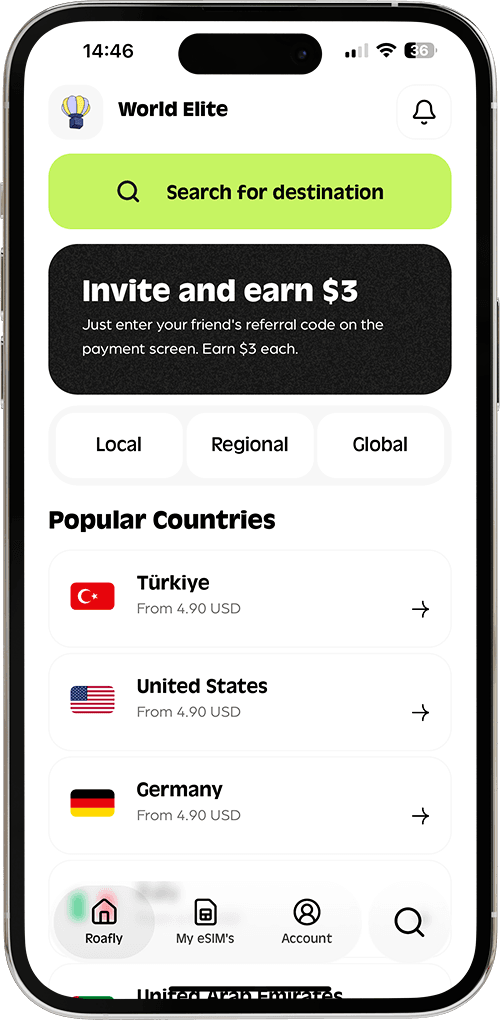
Need data in China? Get an eSIM!
Choose the perfect data plan for your trip

Manage your eSIM in the app
Install, top up and track data.
The easiest and most reliable setup is to download a China eSIM before you fly. This bypasses local registration hassles and often routes around the firewall natively. For a deeper dive into your connectivity choices, read our guide on How to Get Internet in China, and compare providers in Best eSIM for China.
FAQ: Best Time to Visit China
What is the cheapest month to fly to China?
November and late February through March are typically the cheapest months to fly. You bypass the summer peak season and the expensive holiday periods, securing much lower airfares.
When is the monsoon/typhoon season?
Typhoon season primarily affects the eastern and southern coasts (like Shanghai, Guangzhou, and Hong Kong) from July through September. Expect heavy rains and potential flight delays during these months.
Is it safe to travel to China right now?
Yes, China is generally very safe for tourists regarding violent crime, though you should remain aware of local laws and surveillance. For a detailed breakdown of what to expect this year, review our Is China Safe to Travel? Guide to Scams, Surveillance & Safety.
Are attractions open during Chinese New Year?
Major tourist sites like the Great Wall and the Forbidden City usually remain open, though they will be exceptionally crowded. However, smaller museums, family-run restaurants, and local markets may close for up to a week.
What should I not bring to China?
China has strict customs regulations regarding media, certain medications, and political materials. Before packing, you must consult the China Tourist Bans & Laws guide to ensure a smooth entry.
Is it worth visiting China in the winter?
Yes, if you prepare for the cold. Winter offers incredibly low prices, zero crowds at world-famous monuments, and unique seasonal events like the Harbin Ice Festival.