

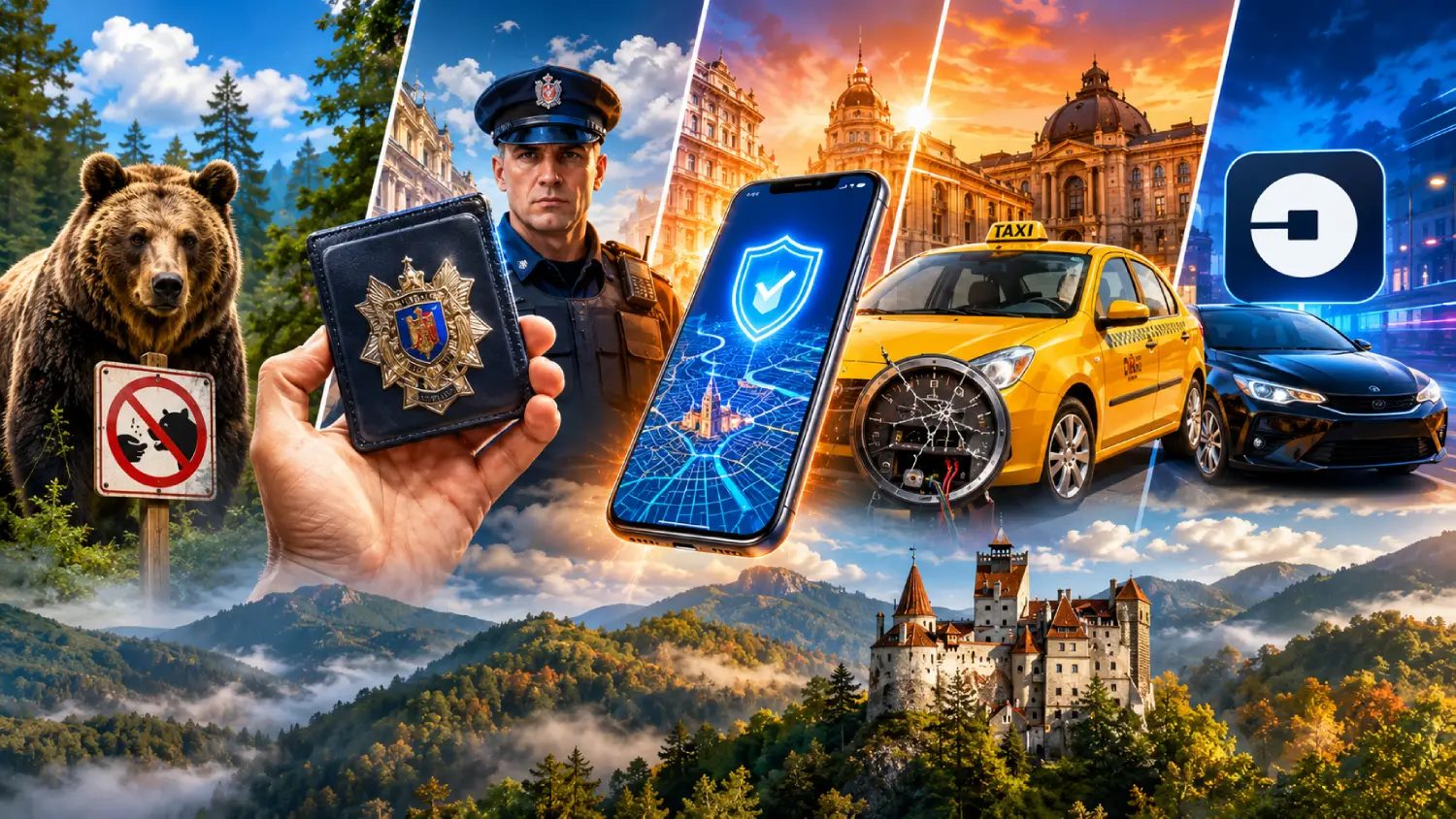

The short answer is a resounding Yes. Romania consistently ranks as of the safest countries in the European Union regarding violent crime, making it incredibly secure for everyday tourism. However, the nature of the threat has drastically shifted away from muggings and street crime toward deceptive tactics. Today's travelers are far more likely to lose money to a tampered ATM, a fake QR code, or an unscrupulous taxi driver than to ever face physical danger.
The Current Reality: Safe Streets and Strict Rules
Forget the outdated stereotypes of the 1990s; Romania in 2026 is an exceptionally secure destination for foreign visitors. Gun violence is virtually unheard of, and you can generally walk through most city centers late at night without the constant paranoia required in many Western European capitals. The police presence is visible and strict, prioritizing public order in major tourist hubs.
However, the safety comes with strict local regulations that you must follow. Romanian law mandates that you carry a physical photo ID at all times, and failure to produce a passport or national ID card can lead to immediate complications with local authorities. To ensure you do not accidentally cross the line with local police, it is vital to review our Romania Tourist Bans & Laws guide before you pack.
The most significant danger to your wallet comes from petty theft in crowded transit centers rather than dark alleyways. Criminals operate in highly organized groups using distraction techniques, making vigilance your best defense. If you blend in, keep your valuables secured in crossbody bags, and avoid flashing large amounts of cash, your experience will be remarkably stress-free.
Regional Breakdown: Safe Zones vs. Areas to Avoid
Romania is diverse, and safety profiles change drastically whether you are in a cosmopolitan tech hub or a remote mountain village. The capital city of Bucharest is generally safe, with affluent neighborhoods like Dorobanți, Floreasca, and Primăverii offering top-tier security. However, you must exercise hyper-vigilance at Gara de Nord (the main train station) and the Piața Unirii metro interchange, as these are the primary hunting grounds for organized pickpockets.
Bucharest's Old Town (Centrul Vechi) is perfectly safe during the day but transforms into a chaotic nightlife hub after dark. This is where most alcohol-related incidents, aggressive panhandling, and drink-spiking occur. If you are partying here on a weekend, stick to well-lit main streets and never leave your drinks unattended.
Outside the capital, popular tourist regions like Transylvania (Brașov, Sibiu, Cluj-Napoca) are incredibly safe, boasting low crime rates and friendly, welcoming locals. The main hazards in these rural and mountainous regions are environmental, ranging from unpredictable alpine weather to poor road infrastructure. You are perfectly safe exploring medieval towns, provided you stay aware of your surroundings.
Transportation Safety: The Metro, Taxis & Mountain Roads
Bucharest’s metro system is cheap, efficient, and generally safe, but rush hour brings a massive surge of pickpockets. Keep your backpack on your chest and your hands over your pockets when boarding crowded trains. For above-ground travel, rideshare apps like Uber and Bolt are the undisputed safest options because they eliminate the language barrier and track your GPS route.
Traditional taxis remain a notorious pain point, especially for new arrivals. Drivers loitering outside airport terminals or major train stations are infamous for refusing to use meters, claiming the machine is broken, or swapping banknotes to confuse tourists. Upon landing, immediately bypass the aggressive touts in the arrivals hall and familiarize yourself with what you can actually bring in by reading our Romania Airport Customs Rules guide. Use the automated taxi-ordering kiosks inside the airport or call a Bolt.
Driving in Romania requires nerves of steel. While major highways are modern, rural roads are often poorly lit, heavily potholed, and shared with horse-drawn carts lacking reflectors. Driving outside major cities at night is highly discouraged due to wandering livestock and aggressive local overtaking maneuvers. If you plan to drive the famous Transfăgărășan mountain pass (which typically opens in late June or early July), do so cautiously, strictly in daylight, and never stop for wildlife.
Tourist Scams (The New Threat)
Scams in Romania have evolved into highly sophisticated operations targeting distracted tourists. The Fake Police Scam remains a persistent threat in Bucharest, where plainclothes individuals flash fake badges and demand to inspect your wallet for "counterfeit money." Real Romanian police will never stop you randomly to check your cash; if this happens, refuse and offer to walk with them to the nearest police station.
Digital fraud is surging in 2026, particularly Fake QR Codes slapped parking meters and legitimate advertising boards. Scanning these takes you to a fraudulent payment portal that instantly drains your credit card. Always pay for parking via official city apps or use cash, and never scan random codes found on the street.
The Old Town Bar Scam is another trap designed to empty your bank account. Friendly locals or attractive strangers will invite a solo traveler to a nearby bar for a drink, to leave them with an outrageously inflated bill backed up by intimidating bouncers. Always check a bar's reviews on Google before entering, and insist on seeing a menu with printed prices before ordering anything.
Women’s Safety & Solo Travel
Romania is a highly rated destination for solo female travelers, thanks to its deeply ingrained culture of hospitality and low rates of violent street crime. Catcalling and street harassment do happen, but they are generally less aggressive than in many Western or Southern European countries. A firm, confident dismissal is usually enough to end unwanted attention.
When enjoying the nightlife, particularly in Bucharest, the golden rule is to watch your beverages. Drink spiking has become a notable issue in high-traffic tourist clubs, utilized by criminals to facilitate robbery rather than assault. Never accept drinks from strangers unless you watch the bartender pour it, and always travel back to your accommodation using a tracked rideshare app rather than a street taxi.
Dress codes are generally relaxed and modern across the country. However, if you plan to visit Romania's beautiful painted monasteries or orthodox churches, modest dress is required. Pack a scarf to cover your shoulders and wear clothing that covers your knees to ensure respectful entry into these religious sites.
Health, Tap Water & Nature
The tap water in major Romanian cities is heavily treated and technically safe to drink, but the aging pipe infrastructure often gives it an unpleasant metallic taste. Most locals and tourists stick to cheap bottled water to avoid minor stomach upsets. Food hygiene is generally excellent, though you should exercise standard caution with street food meat during peak summer heatwaves.
The real health hazards in Romania have four legs. The Carpathian Mountains are home to Europe's largest population of brown bears, and encounters are increasingly common in tourist areas like Sinaia and Bușteni. Never hike alone, make plenty of noise on the trail, and absolutely never feed bears on the roadside, no matter how tame they appear.
While the famous packs of aggressive stray dogs have been largely cleared from major cities, they still roam rural areas and village outskirts. If approached by a territorial farm dog while hiking, do not run; stand your ground, avoid direct eye contact, and back away slowly. In the summer months, ticks carrying encephalitis and mosquitoes carrying West Nile virus are present, making strong insect repellent mandatory for countryside excursions.
The Ultimate Safety Tool: Staying Connected
In 2026, a reliable internet connection is your greatest safety asset in Romania. Having immediate access to data means you can summon a trusted Uber to escape a sketchy neighborhood, translate warning signs, and cross-reference bar reviews before walking into a scam. Relying on public Wi-Fi leaves you vulnerable to hackers and credential-stealing networks set up by scammers in tourist hubs.
Need data in Romania? Get an eSIM!
Choose the perfect data plan for your trip

Manage your eSIM in the app
Install, top up and track data.
To secure your digital footprint and navigate safely, you need a reliable Romania eSIM. By activating your data plan before your plane even lands, you bypass the chaos of airport SIM kiosks and maintain a secure, encrypted connection everywhere you go. This completely eliminates the risk of connecting to compromised public networks at cafes or train stations.
For a deep dive into avoiding roaming charges and setting up your phone, check out our How to Get Internet in Romania guide. If you just want the fastest, most secure option right now, grab your data plan instantly below. For the absolute best value options available this year, compare the top providers in our Best eSIM for Romania breakdown.
Official Travel Advisories (2026 Update)
Global governments unanimously agree on Romania's overall safety, though they urge caution regarding petty crime and specific regional risks. Here is what the major authorities state as of May 2026:
-
United States (State Department): Advises travelers to exercise normal precautions. They highlight the risk of ATM skimming, relationship scams, and specifically warn against using unofficial taxis or leaving drinks unattended in nightlife districts.
-
United Kingdom (FCDO): Notes that while crime levels are low, pickpocketing is prevalent in crowded areas. They emphasize the necessity of carrying a photo ID and warn hikers about the genuine threat of brown bears in the Carpathian regions.
-
Canada (Government of Canada): Recommends normal security precautions, citing the risk of purse snatching in Bucharest. They issue strong warnings about hazardous driving conditions outside major cities, particularly concerning unlit horse carts and erratic local driving behavior.
The Verdict: Is Romania Safe?
Yes, Romania is exceptionally safe for tourists in 2026. The days of widespread lawlessness are long gone, replaced by a modern European destination that boasts some of the lowest violent crime rates on the continent. The threats that do exist—such as sophisticated digital scams, aggressive taxi drivers, and alpine bears—are easily managed with a bit of situational awareness and common sense. If you secure your digital data, use rideshare apps, and respect the wilderness, your Romanian adventure will be incredibly secure.
-
Secure your tech: Never use public Wi-Fi for banking, avoid scanning street QR codes, and check ATMs for skimming devices before inserting your card.
-
Ditch the street cabs: Completely ignore drivers approaching you at airports or train stations; exclusively use Uber, Bolt, or official automated ordering kiosks.
-
Watch your drinks: If partying in Bucharest’s Old Town, keep your hand over your glass and never accept beverages from strangers to avoid drink-spiking.
-
Respect the wildlife: Never feed roadside bears, hike in groups to make noise, and back away slowly without running if confronted by rural stray dogs.
-
Don't drive at night: Avoid rural roads after dark at all costs to prevent catastrophic collisions with unlit carts, livestock, or massive potholes.