

'/%3e%3cuse xlink:href='%23a' transform='rotate(72 0 0)'/%3e%3cuse xlink:href='%23a' transform='rotate(-72 0 0)'/%3e%3cuse xlink:href='%23a' transform='scale(-1 1) rotate(72)'/%3e%3c/g%3e%3c/defs%3e%3cpath fill='%23012169' d='M0 0h1200v600H0z'/%3e%3cpath stroke='%23FFF' stroke-width='60' d='m0 0 600 300M0 300 600 0' clip-path='url(%23b)'/%3e%3cpath stroke='%23C8102E' stroke-width='40' d='m0 0 600 300M0 300 600 0' clip-path='url(%23c)'/%3e%3cpath stroke='%23FFF' stroke-width='100' d='M300 0v300M0 150h600' clip-path='url(%23b)'/%3e%3cpath stroke='%23C8102E' stroke-width='60' d='M300 0v300M0 150h600' clip-path='url(%23b)'/%3e%3cuse xlink:href='%23d' fill='%23FFF' transform='matrix(45.4 0 0 45.4 900 120)'/%3e%3cuse xlink:href='%23d' fill='%23C8102E' transform='matrix(30 0 0 30 900 120)'/%3e%3cg transform='rotate(82 900 240)'%3e%3cuse xlink:href='%23d' fill='%23FFF' transform='rotate(-82 519.022 -457.666) scale(40.4)'/%3e%3cuse xlink:href='%23d' fill='%23C8102E' transform='rotate(-82 519.022 -457.666) scale(25)'/%3e%3c/g%3e%3cg transform='rotate(82 900 240)'%3e%3cuse xlink:href='%23d' fill='%23FFF' transform='rotate(-82 668.57 -327.666) scale(45.4)'/%3e%3cuse xlink:href='%23d' fill='%23C8102E' transform='rotate(-82 668.57 -327.666) scale(30)'/%3e%3c/g%3e%3cuse xlink:href='%23d' fill='%23FFF' transform='matrix(50.4 0 0 50.4 900 480)'/%3e%3cuse xlink:href='%23d' fill='%23C8102E' transform='matrix(35 0 0 35 900 480)'/%3e%3c/svg%3e)
The short answer is yes, absolutely. New Zealand consistently ranks as of the safest countries in the world for travelers. Violent crime against tourists is exceedingly rare, and you will not find cartel violence, heavily armed police, or the intense street harassment common in other global hotspots.
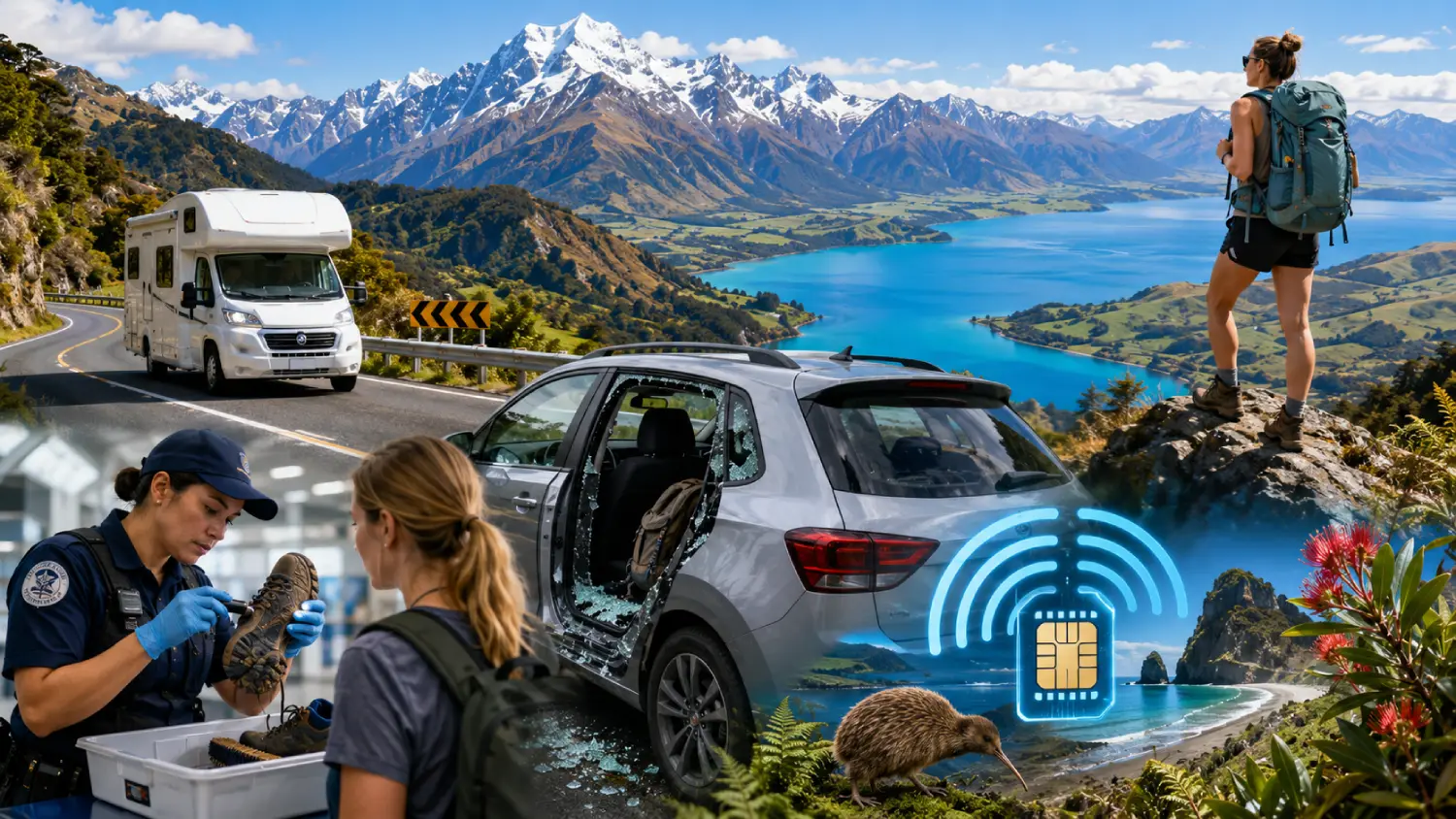
However, the "danger" here has simply shifted from people to nature, physics, and petty opportunists. Over the last few years, the post-pandemic travel boom has led to an increase in targeted property theft, specifically aimed at rental cars and campervans. Furthermore, extreme, rapidly changing weather systems have caught many unprepared hikers and drivers off guard, leading to serious rescue situations.
The Current Reality: Safe Streets, Strict Borders, and Sneaky Thieves
The overall political and social climate in New Zealand remains incredibly stable in 2026. You will find a society with a high level of trust, functioning public services, and police officers who are approachable and genuinely helpful. There are no major political upheavals or violent gang cartels targeting tourists. The local gangs that do exist keep their disputes entirely out of the tourist sphere.
What has changed is the opportunistic crime targeting the influx of international visitors. Criminals know that tourists carry expensive cameras, passports, and cash in their rental vehicles. Campervan break-ins are the number crime against tourists today. If you leave a bag visible in your car while you hike a three-hour trail, there is a very real chance your window will be smashed when you return.
But before you even worry about street crime, you have to survive the border. New Zealand’s Ministry of Primary Industries (MPI) is notoriously strict in 2026. Because it is an isolated island nation, preserving the delicate ecosystem is a national security priority. Bringing in a forgotten apple, unsealed honey, or dirty hiking boots can land you an instant $400 NZD fine or worse. Before you pack, make sure you understand the New Zealand Airport Customs Rules to avoid starting your trip with a massive penalty.
While you are brushing up on the rules, be aware that ignorance is not an excuse here. The local authorities heavily enforce environmental protection laws and tourist behavior in sacred Maori sites. Check our guide on New Zealand Tourist Bans & Laws so you do not accidentally disrespect local culture or break a local ordinance.
Regional Breakdown: The Safe Havens and The Sketchy Spots
New Zealand does not have "no-go zones" in the way major American or European cities do. You will not accidentally wander into a neighborhood where your life is in danger. However, there are definitely areas where petty crime spikes, especially after dark.
Auckland (The Big City Reality):
Auckland is the largest city and has the most "big city" issues.
-
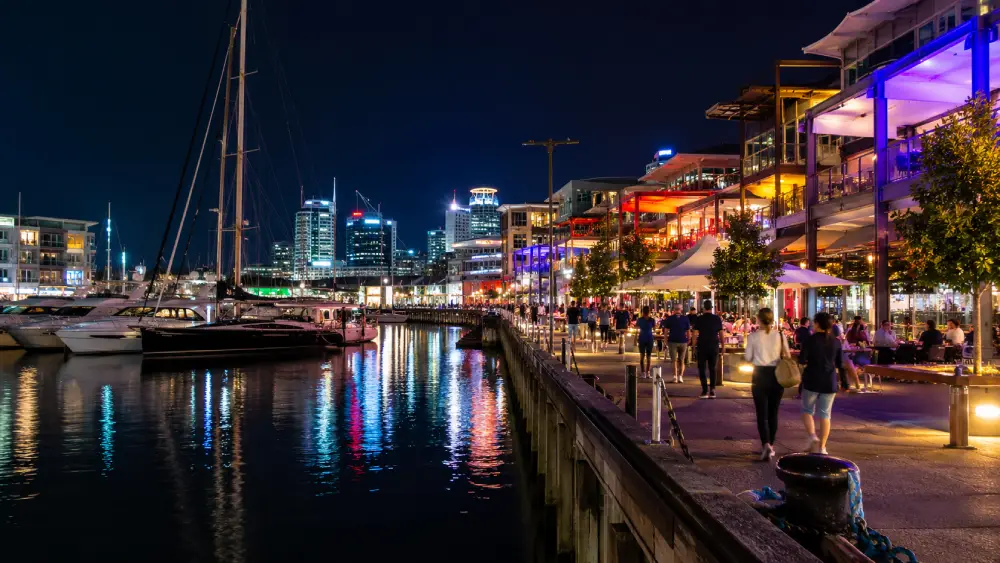
Safe Zones: The Viaduct Harbour, Ponsonby, and Devonport are upscale, well-lit, and very safe for walking at night.
-
Areas for Caution: The Central Business District (CBD), specifically around Queen Street and Karangahape Road (K-Road), can get rowdy after midnight. You might encounter aggressive panhandling, public intoxication, and opportunistic pickpockets.
Wellington (The Windy Capital):
Wellington is heavily pedestrianized and generally very safe.
-
Safe Zones: Cuba Street during the day, the waterfront, and Oriental Bay are excellent and secure.
-
Areas for Caution: The area around Courtenay Place is the main nightlife hub. While fun, it sees a spike in alcohol-fueled brawls and petty theft on Friday and Saturday nights.
Christchurch (The South Island Hub):
Christchurch has rebuilt beautifully over the last decade.
-
Safe Zones: The central city around the Avon River, Hagley Park (during the day), and upscale suburbs like Merivale.
-
Areas for Caution: Eastern suburbs like Linwood and Aranui have higher socioeconomic challenges and higher petty crime rates. Tourists rarely have a reason to visit these specific residential areas, but it is best to avoid them at night.
Tourist Hotspots (Queenstown, Rotorua, Taupo):
These towns exist almost entirely for tourism and are incredibly safe regarding violent crime. However, they are the absolute epicenters for vehicle break-ins. The trailheads just outside these towns are prime hunting grounds for thieves who know you will be gone for hours.
Transportation Safety: The Real Danger is the Road
If you want to know what actually harms tourists in New Zealand, look at the roads, not the alleyways. The U.S. Embassy explicitly warns that traffic accidents are a leading cause of injury and death for visitors.
Driving & Campervans:
Renting a car or a campervan is the best way to see the country, but it requires extreme vigilance.
-
Drive on the Left: If you are from North America or Europe, your muscle memory will fight you. Looking the wrong way at an intersection is a fatal mistake.
-
The Roads: New Zealand has about 100 miles of multi-lane divided highways. The vast majority of roads are narrow, two-lane, winding mountain passes with no shoulders.
-
Fatigue: Jet lag combined with long driving distances and winding roads leads to major crashes. Do not attempt a massive drive on your first day.
Public Buses and Trains:
Intercity buses like InterCity are extremely safe, reliable, and comfortable. There is zero risk of highway robbery or sketchiness on board. The scenic trains (like the TranzAlpine) are premium tourist experiences and are perfectly safe.
Taxis and Rideshares:
Uber operates in major cities like Auckland, Wellington, and Christchurch. It is a highly regulated, safe way to get home after a night out. Traditional taxis are also strictly regulated, metered, and driven by licensed professionals, meaning you do not need to worry about fake taxis or express kidnappings here.
Tourist Scams: Digital Threats & Rental Fraud
The classic street scams you find in Europe do not exist in New Zealand. Kiwis are generally straightforward and honest. However, scammers have adapted to the digital age.
Here are the main scams to watch for in 2026:
-
Fake Accommodation Listings: Scammers list beautiful Queenstown or Auckland apartments on social media or secondary booking sites. They demand a wire transfer for the deposit, and when you arrive, the property either does not exist or belongs to someone else.
-
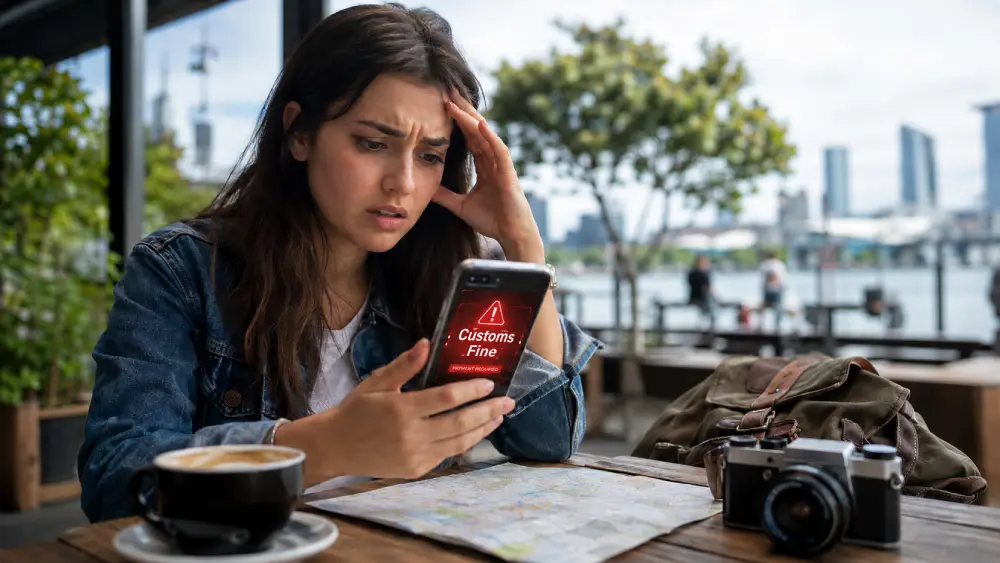
The Bogus Government Fine Text: You might receive an SMS claiming you owe a fine to the NZ Transport Agency for an unpaid toll or to customs. The text includes a link to a fake payment portal designed to steal your credit card details.
-
Public Wi-Fi Skimming: Because data can be expensive, tourists constantly hunt for free Wi-Fi in cafes and airports. Hackers set up fake hotspots named "Free Airport Wi-Fi" to intercept your passwords and banking information.
-
Campervan Relocation Fees: While not an illegal scam, some budget rental companies hide massive excess fees in their fine print. If you scratch the roof on a tree branch, they might charge your card thousands of dollars unless you bought their premium insurance.
Women’s Safety & Solo Travel: A Top Tier Destination
For solo female travelers in 2026, New Zealand is genuinely a top-tier, gold-standard destination. It consistently ranks as of the most empowering and secure places for women to explore independently.
The intense "machismo" culture found in some other regions does not exist here. Catcalling and aggressive street harassment are socially unacceptable and relatively rare. You can comfortably eat alone in restaurants, hike popular trails solo, and take public transit without constantly looking over your shoulder.
However, normal global safety rules still apply.
-
Nightlife: Drink spiking is rare but not impossible in busy clubs on Auckland's K-Road or Queenstown's party strips. Never leave your drink unattended.
-
Remote Hiking: The danger for solo women on trails is not other people; it is the elements. If you twist an ankle on a remote track with no cell service, you are in trouble.
-
Hostels: The backpacker network is massive and generally very safe. Stick to well-reviewed hostels, utilize lockers for your passport, and trust your intuition if a situation feels off.
Health, Tap Water & The Wrath of Nature
You can leave your water filter and heavy medical kit at home, but you need to prepare for the environment.
Tap Water:
The tap water in New Zealand is world-class. It is heavily treated, completely safe to drink from the sink, and tastes better than bottled water in most countries. Bring a reusable bottle and fill up anywhere.
Bugs and Disease:
There is no malaria, dengue fever, or Zika virus. There are no snakes, bears, or lethal predators. Your biggest annoyance will be the Sandfly, especially on the West Coast of the South Island, so bring heavy-duty insect repellent to avoid intensely itchy welts.
The Wrath of Nature:
This is where the real danger lies because New Zealand’s geography is volatile.
-
Earthquakes: The country sits on the Ring of Fire. Earthquakes are common. If you feel shaking, the rule is: Drop, Cover, and Hold on.
-
Rapid Weather Shifts: You can experience four seasons in a single afternoon. If you are hiking the Tongariro Alpine Crossing, a sunny morning can turn into a freezing whiteout blizzard by noon.
-
Rip Currents: The beaches are stunning but notorious for powerful, invisible rip currents. swim at patrolled beaches between the red and yellow flags set up by surf lifesavers.
The Ultimate Safety Tool: Staying Connected
When you are driving through remote mountain passes or trying to navigate a dark street in Auckland, losing your internet connection is a major safety liability. Relying on patchy café Wi-Fi leaves you vulnerable to hackers and makes it impossible to call an Uber, check a trail map, or contact emergency services.
Need data in New Zealand? Get an eSIM!
Choose the perfect data plan for your trip

Manage your eSIM in the app
Install, top up and track data.
Having reliable data from the moment you land is the easiest way to protect yourself. To understand your options, read up on How to Get Internet in New Zealand.
The smartest move in 2026 is downloading a New Zealand eSIM before you even board your flight. This allows you to instantly connect to local cell towers the second you land, skipping the airport kiosk lines and securing your data immediately. If you want to compare the best data packages for your route, check out our guide on the Best eSIM for New Zealand.
Official Travel Advisories (2026 Update)
Global governments universally recognize New Zealand as a safe destination, though they all highlight specific environmental and road risks.
-
United States (State Department): Lists New Zealand at Level 1 (Exercise Normal Precautions). They strongly highlight the dangers of driving on the left side of the road, narrow rural highways, and the extreme strictness of customs laws regarding agricultural imports.
-
Canada (Government of Canada): Advises taking normal security precautions. They warn citizens about petty crime like theft from rental vehicles in tourist sites and remind travelers to be prepared for sudden natural disasters like earthquakes.
-
United Kingdom (FCDO): Echoes the sentiment of normal precautions. They specifically emphasize the volatile nature of the weather in mountainous regions and the necessity of proper preparation before undertaking any outdoor adventure activities.
The Verdict: Is New Zealand Safe?
New Zealand is undeniably of the safest countries on earth for travelers in 2026. The risks of violent crime, political instability, or targeted scams are incredibly low compared to almost anywhere else. If you use basic common sense, your trip will be entirely stress-free from a crime perspective.
However, you must respect the strict laws and the raw power of the environment. The real threats here are underestimating a mountain hike in bad weather, falling asleep at the wheel of a campervan, or leaving your passport on the front seat at a trailhead.
-
Never leave valuables visible in your car. Take your passport, camera, and cash with you on every hike, every time.
-
Respect the road. Driving on the left requires total focus. Take breaks, drive below the speed limit on winding roads, and do not drive tired.
-
Prepare for all weather. Even in summer, carry a waterproof jacket and thermal layers if you are heading into the mountains.
-
Declare everything at customs. Do not try to sneak in an apple from your flight. The $400 fine is strictly enforced.
-
Swim between the flags. enter the ocean at patrolled beaches to avoid dangerous rip currents.
Note: Travel safety situations can change rapidly. This information is accurate as of May 2026. Always exercise street smarts and consult official advisories before your trip.