


The short answer is yes, Guadeloupe is generally safe for tourists, but it demands more street smarts than your average all-inclusive Caribbean getaway. As a French overseas department, the islands benefit from European-standard infrastructure, well-stocked pharmacies, and professional emergency services. However, the socioeconomic challenges of 2026 mean that petty theft, rental car break-ins, and unpredictable social protests are simply part of the landscape.
The Current Reality: Protests, Police & Petty Crime
Guadeloupe is officially part of France, which means French laws apply and the well-trained Gendarmerie maintain order. Violent crime targeting tourists is exceptionally rare, and cartels or organized gangs do not control the resort areas or tourist hubs. Most visitors will spend their entire trip without experiencing anything more dangerous than a severe sunburn or a mosquito bite.
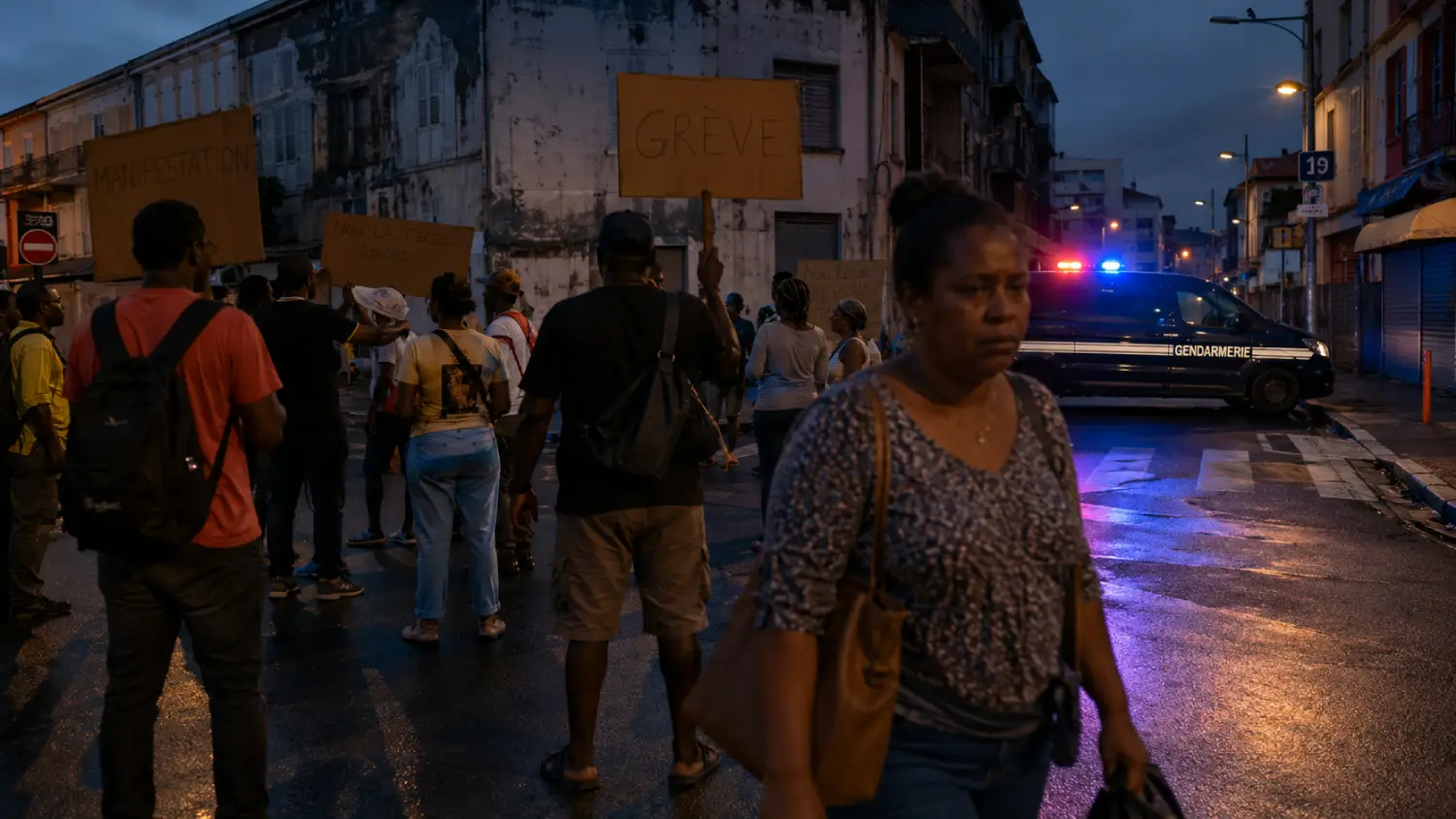
However, the local economy frequently experiences intense friction. This regularly leads to spontaneous labor strikes and road blockades that can paralyze parts of the island. These protests are a deeply ingrained staple of the local political culture and can disrupt everything from airport transfers to grocery store supply chains.
Never attempt to drive through a protest barricade, even if you are running late. Always turn around immediately and find an alternate route, as tensions at these roadblocks can escalate quickly. Make sure you brush up on local regulations and respectful conduct by checking our Guadeloupe Tourist Bans & Laws: Illegal Items & Rules guide before you pack your bags.
When crime does happen, it is almost exclusively a crime of opportunity targeting distracted visitors. Pickpocketing in crowded outdoor markets and snatch-and-grab thefts on isolated beaches are the primary threats facing travelers in 2026. The police are professional and genuinely helpful, but speaking a little French goes a long way since English is not widely spoken by local authorities.
Regional Breakdown: Safe Zones vs. Areas to Avoid
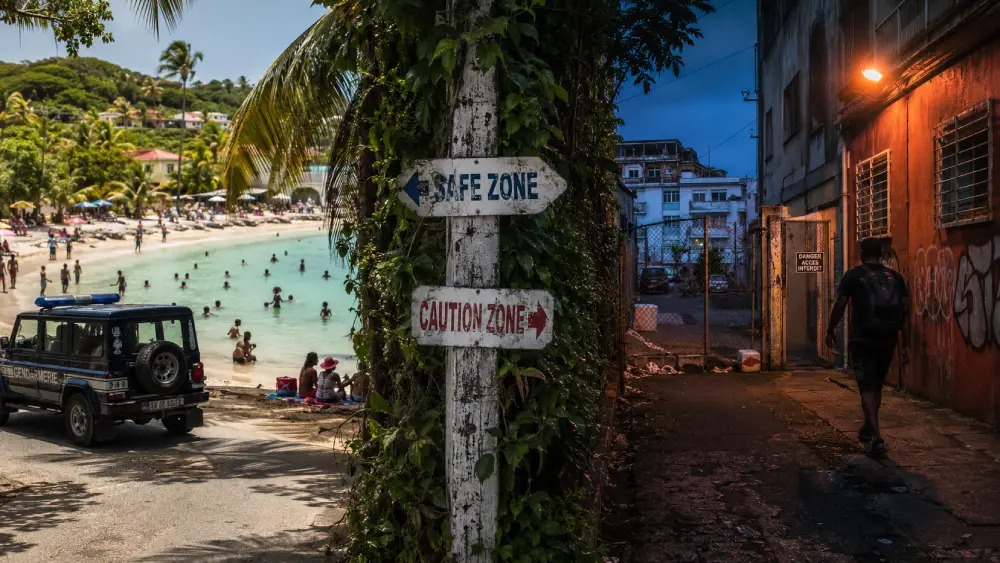
Guadeloupe is shaped like a giant butterfly, split into two main islands—Grande-Terre and Basse-Terre—each boasting a highly distinct safety profile. The resort-heavy towns are heavily patrolled and highly secure, while certain urban centers require constant vigilance. Knowing exactly where to stay and where to avoid is half the battle.
The Safest Tourist Zones:
-
Sainte-Anne & Saint-François (Grande-Terre): These are the major, bustling tourist hubs of the island. They are exceptionally safe during the day, heavily policed, and filled with well-lit resorts, making them ideal for families and solo travelers alike.
-
Deshaies (Basse-Terre): A tranquil, laid-back fishing village famous for its lush botanical gardens and calm vibe. Violent crime here is practically non-existent, and the community is highly protective of its visitors.
-
Les Saintes: This small, picturesque archipelago just off the southern coast is arguably the safest spot in the entire region. The vibe is incredibly relaxed, and residents routinely leave their doors unlocked without a second thought.
Areas Requiring Extra Caution (The "No-Go" Zones):
-
Pointe-à-Pitre: The economic capital of the island is notably gritty and suffers from higher crime rates. While it is perfectly safe during the day for exploring the vibrant spice markets, the old downtown area becomes desolate and sketchy after dark. Avoid walking around the cruise terminal or urban side streets at night entirely.
-
Baie-Mahault Industrial Zones: Unless you are hopelessly lost, there is absolutely no reason for tourists to wander into the commercial and industrial outskirts of this central hub after hours. It is unlit, unpatrolled, and empty.
-
Isolated Beaches at Dusk: Beaches that are deserted by 6:00 PM should be completely avoided as the sun goes down. Do not host private romantic picnics in unlit, secluded coves after sunset, as these are prime spots for muggings.
Transportation Safety: Navigating the Butterfly
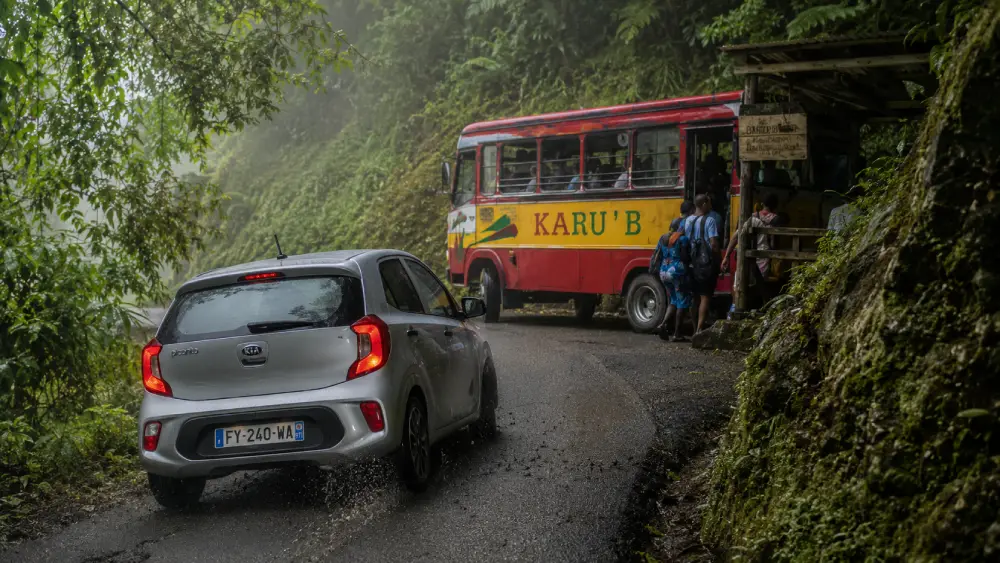
Renting a car is the absolute best way to experience everything Guadeloupe has to offer, but driving here requires a high level of confidence. The main highways connecting the islands are excellently paved and well-maintained by European standards. However, the mountain roads winding through the rainforests of Basse-Terre are notoriously narrow, impossibly steep, and riddled with blind corners.
Local drivers can be highly aggressive, frequently tailgating tourists and passing on dangerous curves. Night driving outside of the main resort areas is strongly discouraged due to unlit rural roads, sudden torrential downpours, and wandering stray animals. If you are arriving late at night, review our Guadeloupe Airport Customs Rules so you can clear the terminal quickly and secure an official airport taxi right away.
Public buses are cheap, colorful, and offer a great local experience, but they are completely unreliable for tight travel itineraries. They often stop running early in the evening, and routes or schedules can change without any prior notice. Ride-sharing apps like Uber are not standard here, so you must rely on official dispatched taxis or your own rental car for secure, reliable transit.
Tourist Scams (The New Threat)
Guadeloupe is not a massive scammer's paradise like some major European capitals, but opportunistic locals certainly know how to separate distracted tourists from their euros. Keep your guard up against these common traps evolving in 2026:
-
The Beach Parking Break-In: This is by far the most common crime committed against tourists on the islands. Thieves hide in the brush near beach lots, wait for tourists to walk down to the water, and smash the rental car windows to grab bags left on the seats. You must absolutely never leave anything visible in your vehicle.
-
The "Closed" Tourist Site Trick: Unofficial, self-appointed guides may approach you near popular hiking trails or waterfalls. They will confidently claim the main path is closed due to a landslide, but offer to show you a "secret" path for a hefty cash fee. Always check official park websites for actual closures and ignore these touts.
-
Menu Overcharging: While less common than in other Caribbean islands, some beachfront bars may hand you a menu without printed prices. They might verbally quote you price and then drastically inflate your final bill when it is time to pay. Always insist on seeing a printed menu and double-check your final receipt.
Women’s Safety & Solo Travel
Guadeloupe is a welcoming and generally very safe destination for solo female travelers. However, a traditional Caribbean "machismo" culture is present, particularly in the more urbanized areas. Catcalling and unsolicited attention can happen if you are walking alone in Pointe-à-Pitre or near local rum bars in smaller villages.
A firm "Non, merci" and completely ignoring the instigator is usually more than enough to end the interaction peacefully. At the major resorts and popular tourist beaches, you will blend right in without issue. Topless sunbathing is incredibly common on many French Caribbean beaches, reflecting European norms.
However, wandering off the sand and into town wearing just a bikini is considered highly disrespectful by locals and will attract unwanted stares. Always pack a chic cover-up for when you walk to beachside cafes, grocery stores, or shops. Nightlife safety follows standard global rules: watch your drinks being poured, never accept rides from strangers, and always pre-arrange your late-night transport back to your hotel.
Health, Tap Water & Nature Risks
The tap water in Guadeloupe is generally safe to drink, but the island frequently suffers from severe infrastructure issues leading to sudden water rationing. Localized water outages are incredibly common in 2026, sometimes lasting for several days in specific municipalities. Because of aging pipes in certain districts, many locals and tourists prefer sticking to bottled water, especially immediately following heavy storms.
It is a very wise move to keep a five-liter jug of water in your rental car or Airbnb pantry just in case of an unexpected outage. Mosquitoes are a persistent, year-round threat, carrying real risks of Dengue fever. You must pack heavy-duty insect repellent containing DEET or Picaridin and ensure your accommodation has tight window screens or strong air conditioning.
Tropical storms and hurricanes are also a major risk if you choose to travel between the months of June and November. Purchasing comprehensive trip cancellation insurance is practically mandatory during this season. Finally, nature itself is the biggest hazard; the currents on the Atlantic side (Grande-Terre) can produce deadly rip tides, so always swim at beaches with calm waters or official green lifeguard flags.
The Ultimate Safety Tool: Staying Connected
In 2026, a working smartphone is your absolute best defense against travel mishaps and logistical nightmares. Having immediate, high-speed internet access allows you to translate rapid-fire French with locals, check real-time road closures during a labor strike, or navigate offline maps when you are hopelessly lost in the Basse-Terre rainforest. You simply cannot rely on your hotel's spotty Wi-Fi; you need reliable connectivity out on the road.
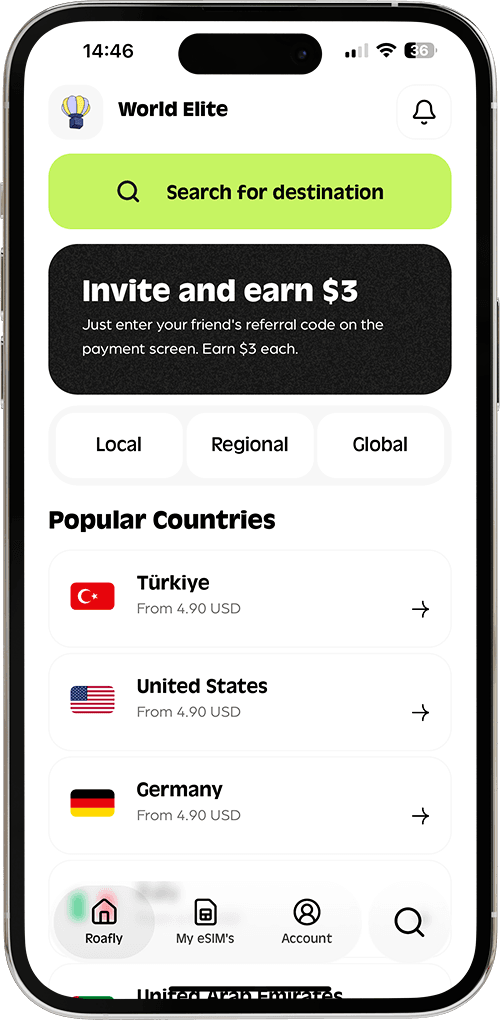
Need data in Guadeloupe? Get an eSIM!
Choose the perfect data plan for your trip

Manage your eSIM in the app
Install, top up and track data.
Connecting to unverified public networks at crowded beach bars or the airport exposes you to serious data theft and hacking risks. If you are wondering about the logistics of getting securely, read our comprehensive breakdown on How to Get Internet in Guadeloupe. The smartest, most secure move is to download a Guadeloupe eSIM before you even board your flight.
This ensures you have instant, secure data the exact second your plane touches down on the tarmac. It eliminates the need to mess with tiny physical SIM trays or hand your unlocked phone over to a stranger at a kiosk. You can find the top digital options tailored for the French Caribbean in our Best eSIM for Guadeloupe review.
Official Travel Advisories (2026 Update)
Global governments generally view Guadeloupe as a low-risk, highly developed destination, but they do flag specific logistical headaches that tourists need to anticipate.
-
United States (State Department): Advises exercising normal precautions while visiting the islands. They specifically note that petty street crime, snatch-and-grab thefts, and rental car break-ins are the primary risks for American tourists.
-
Canada: Recommends taking normal security precautions, which is their lowest threat level. However, they frequently update their alerts regarding sudden labor strikes, localized road barricades, and severe water rationing across the islands.
-
United Kingdom (FCDO): Advises standard vigilance for British nationals. They specifically warn travelers about the rising risk of Dengue fever and the potential for severe, life-threatening weather during the peak Atlantic hurricane season.
The Verdict: Is Guadeloupe Safe?
Yes, Guadeloupe is very safe for travelers in 2026, provided you treat it like a real, functioning community rather than a curated, consequence-free theme park. The risks of violent crime are extremely low, and the European health and safety standards offer immense peace of mind for families and solo travelers. As long as you respect the raw power of the ocean, relentlessly lock your rental car, and stay flexible if a local protest disrupts your afternoon plans, you will have a spectacular French Caribbean experience.
-
Leave absolutely nothing in the car: Rental cars are massive, flashing targets for smash-and-grab thefts at beach and waterfall parking lots.
-
Avoid Pointe-à-Pitre at night: The downtown economic center empties out entirely and becomes unsafe for wandering tourists after the sun goes down.
-
Download a digital connection: Immediate internet access is crucial for live translation, navigating steep mountain roads, and avoiding sketchy public Wi-Fi.
-
Respect the beach flags: Never swim at beaches displaying red warning flags; the Atlantic rip currents on Grande-Terre are incredibly powerful and frequently deadly.
-
Stay extremely flexible: Spontaneous labor strikes, road blockades, and municipal water shortages happen; pack extra patience and a backup supply of bottled water.
Note: Travel safety situations can change rapidly. This information is accurate as of May 2026. Always exercise street smarts and consult official advisories before your trip.