

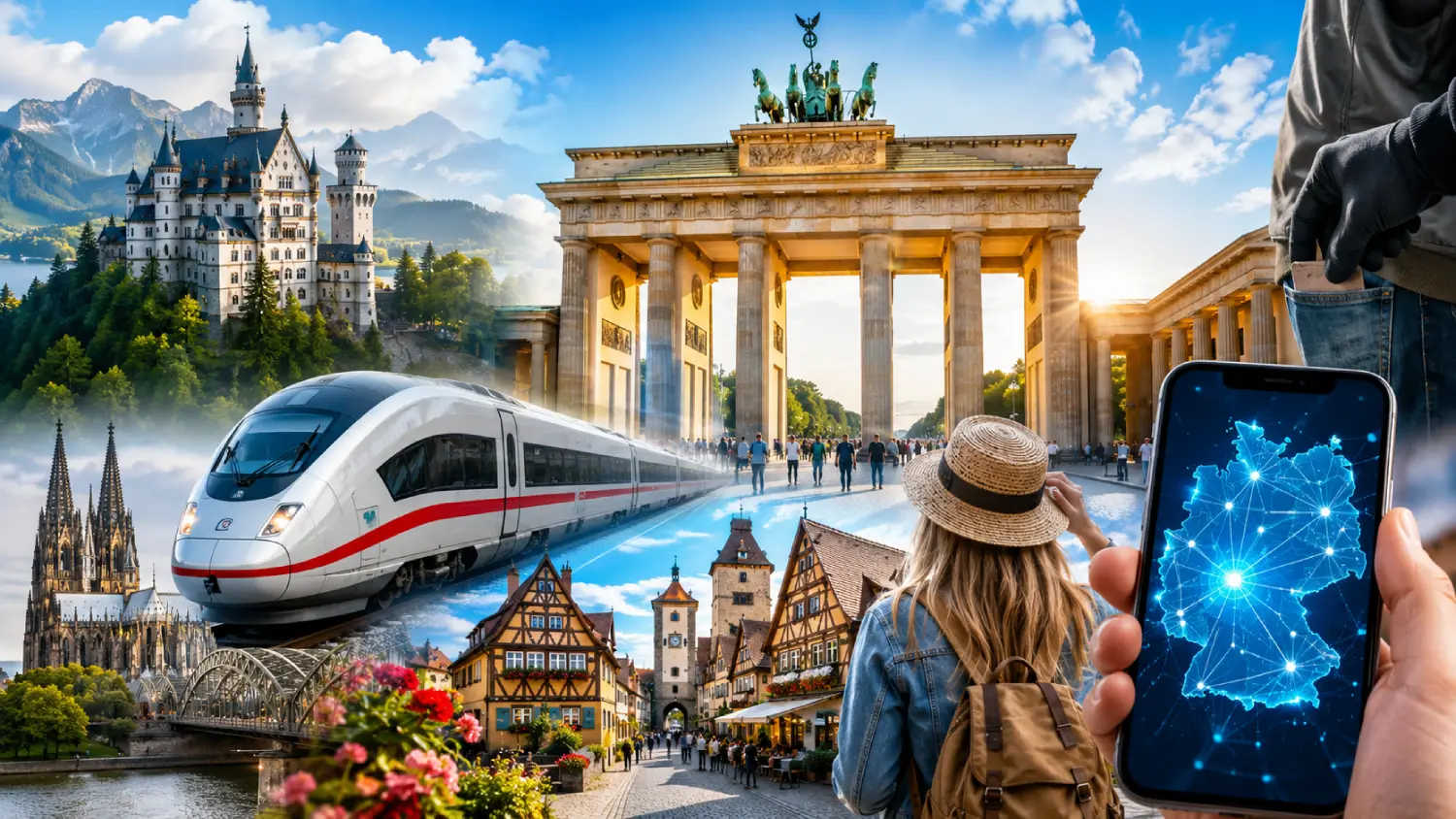

The short answer is yes, but the landscape of tourist safety has shifted significantly. While violent crime against tourists remains rare, opportunistic theft and large-scale demonstrations have surged in major hubs like Berlin, Frankfurt, and Munich. Staying safe means understanding exactly which neighborhoods to avoid after dark and how to protect your digital footprint on the go.
The Reality on the Streets: Protests & Petty Crime
Germany is politically active, and 2026 has seen a sharp rise in organized protests that can disrupt travel plans. While generally peaceful, these demonstrations can quickly escalate and cause massive public transport shutdowns. The US and Canadian governments currently advise exercising a high degree of caution due to these unpredictable gatherings and an elevated threat of terrorism.
The police presence (the Polizei) is highly visible, strict, and generally helpful to tourists. However, they have zero tolerance for public disorder, and tourists can easily run afoul of local ordinances. Before you accidentally break a strict local rule, you need to brush up on Germany Tourist Bans & Laws.
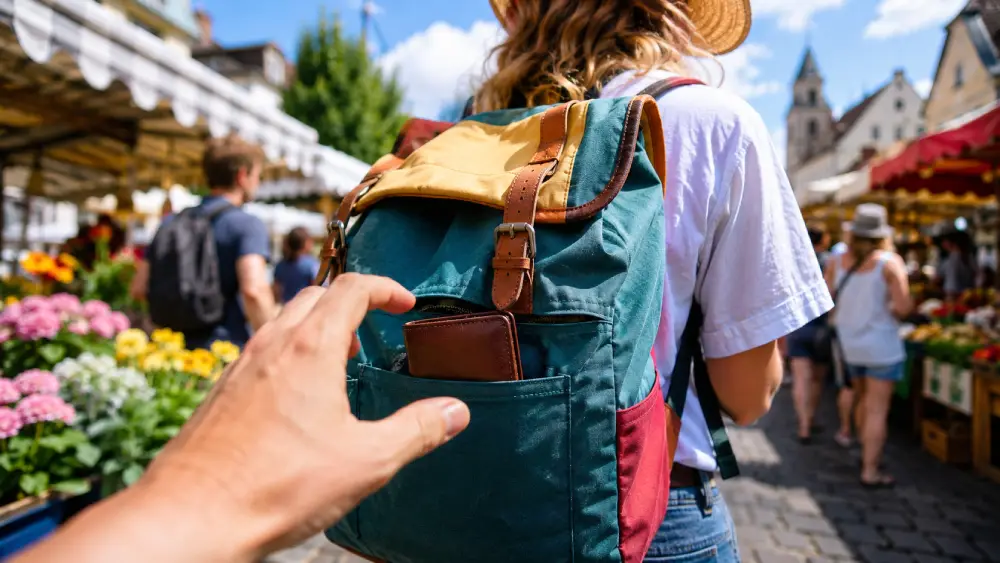
Violent crime is statistically low, but petty crime is a booming industry in crowded tourist areas. Pickpockets operate in organized teams, particularly around major train stations (Hauptbahnhof) and popular tourist landmarks. Never leave your bags unattended, and always keep your wallet in a front pocket or hidden pouch.
Regional Breakdown: Safe Zones vs. Areas to Avoid
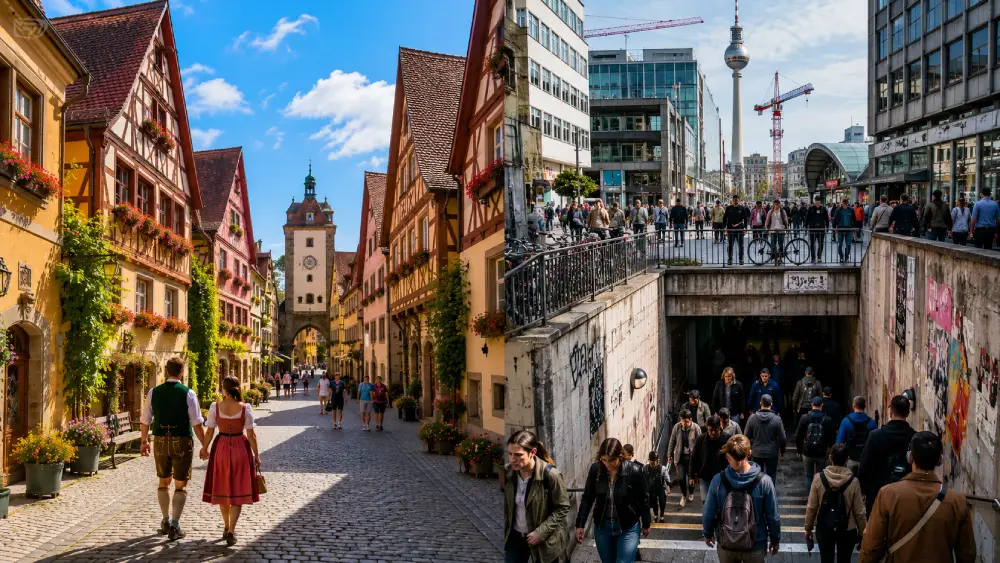
Germany’s major cities are a patchwork of incredibly safe districts and gritty, high-crime zones. Understanding the local geography is your best defense against ending up in a compromising situation.
-
Berlin: The tourist centers of Mitte and Prenzlauer Berg are exceptionally safe day and night. However, you should avoid the immediate areas around Görlitzer Park and Kottbusser Tor after dark due to drug-related activity and higher mugging rates.
-
Frankfurt: The financial district is heavily policed, but the Bahnhofsviertel (the area immediately surrounding the main train station) is notorious for open drug use and unpredictable street behavior. Pass through quickly during the day and avoid walking there at night.
-
Munich: Known as of Germany's safest major cities, Munich is very secure, even late at night. Still, remain vigilant during major festivals, and check our New Year’s Eve in Germany: Ultimate City-by-City Guide if you plan to navigate the massive crowds during winter holidays.
-
Hamburg: The Reeperbahn is a famous nightlife district, but it requires serious street smarts due to aggressive touts, drunk crowds, and frequent pickpocketing. Stick to well-lit main streets and avoid the smaller, unlit alleys.
Transportation Safety: Trains, Taxis, and the Autobahn
Public transportation in Germany is extensive, but it is also the primary hunting ground for thieves. The U-Bahn (subway) and S-Bahn (light rail) are generally safe, but late-night empty carriages can feel intimidating and attract antisocial behavior.
-
Trains: Watch out for the "distraction technique" where someone asks for directions or spills something on you while an accomplice snatches your bag. This is incredibly common on intercity ICE trains.
-
Taxis and Rideshares: Uber and FreeNow are strictly regulated, widely available, and very safe. Licensed taxis are cream-colored and always use a meter, so taxi scams are incredibly rare.
-
Driving: The Autobahn is famous for its unrestricted speed zones, but tourists often underestimate the skill required to navigate it safely. Always stay in the right lane unless overtaking, as locals will approach from behind at extreme speeds.
-
Airports: When arriving, ensure you are not carrying prohibited items that could lead to immediate fines. Always review the Germany Airport Customs Rules before packing your bags.
Tourist Scams: The New 2026 Threats
Scammers in Germany rely on the fact that tourists are often distracted by the sights or struggling with the language barrier. Keep your guard up against these specific traps.
-
The Petition Scam: A group of supposedly deaf or mute individuals will approach you with a clipboard asking for a signature. While you read the fake petition, they are actively picking your pockets.
-
Fake Train Inspectors: Fraudsters in plain clothes will approach you on the S-Bahn demanding to see your ticket, then claim it is invalid and demand an immediate "fine" paid in cash. Real ticket inspectors (Kontrolleur) will always show official ID and possess handheld scanning devices.
-
The ATM Skimmer: Tourist-heavy areas are plagued by tampered ATMs. Always use indoor bank ATMs rather than standalone machines on the street to protect your card details.
-
The "Helpful" Luggage Carrier: At busy train stations, someone may grab your heavy bag to "help" you up the stairs. at the top, they will aggressively demand a large tip.
If you are planning to shop heavily, scammers might try to offer fake tax return services. Always ensure you are following the official Germany VAT Refund to safely get your money back.
Women’s Safety & Solo Travel
Germany is a highly rated destination for solo female travelers, offering a culture that respects independence and personal space. Catcalling is relatively uncommon compared to southern Europe, and women can generally walk alone safely in most neighborhoods.
Nightlife in cities like Berlin is legendary, but you must keep a close eye on your drinks. Drink spiking is a documented issue in major clubs, so never accept a drink you did not see poured and never leave your glass unattended.
Dress codes are generally relaxed and liberal, so you can wear what you feel comfortable in. If you feel harassed or threatened, do not hesitate to loudly tell the person to stop or seek help from nearby security or police.
Health, Tap Water & Nature
Germany’s health and sanitation standards are among the highest in the world. The tap water (Leitungswasser) is absolutely safe to drink everywhere, though locals strongly prefer sparkling bottled water.
-
Ticks and Disease: If you plan on hiking in the Black Forest or southern Bavaria, tick-borne encephalitis (TBE) is a real risk in the warmer months. Wear long pants and use strong bug repellent.
-
Pharmacies: Over-the-counter medicine is heavily restricted. You cannot buy simple painkillers like ibuprofen at a supermarket; you must go to a licensed pharmacy (Apotheke), which will be marked with a large red 'A'.
-
Weather Extremes: Summer 2026 is seeing increasingly severe heat waves, and air conditioning is incredibly rare in German hotels and restaurants. Plan your sightseeing for the early morning and stay hydrated.
The Ultimate Safety Tool: Staying Connected
Having immediate, reliable internet access is non-negotiable for navigating Germany safely. A working connection allows you to instantly call an Uber to escape a sketchy neighborhood, translate warning signs, or pull up real-time public transit alerts.
Need data in Germany? Get an eSIM!
Choose the perfect data plan for your trip

Manage your eSIM in the app
Install, top up and track data.
Relying on public Wi-Fi in train stations or cafes exposes you to serious data hacking risks and leaves you disconnected when you need help most. Instead, a Germany eSIM ensures you have secure, instant data the second your plane lands. If you are comparing your connectivity options, you should read our comprehensive breakdown on How to Get Internet in Germany.
For the most reliable connection, we recommend checking out the Best eSIM for Germany to lock in your data plan before you fly.
Official Travel Advisories (2026 Update)
Global governments have recently updated their threat assessments for Germany based on shifting geopolitical and internal dynamics.
-
USA (State Department): Currently lists Germany at Level 2 (Exercise Increased Caution). The advisory highlights the risk of terrorism and potential for civil unrest during large demonstrations.
-
UK (FCDO): Advises tourists to remain vigilant in public places and around significant tourist sites due to a high threat of terrorist attacks globally. They also strongly advise comprehensive travel insurance.
-
Canada: Recommends exercising a high degree of caution due to the threat of terrorism and high levels of petty crime in major urban centers.
The Verdict: Is Germany Safe?
Germany remains a fundamentally safe, highly organized destination for tourists in 2026. While the risks of petty theft, localized crime in specific train station districts, and unpredictable protests are real, they are easily managed with basic situational awareness. If you secure your belongings, avoid known sketchy neighborhoods after dark, and stay connected to monitor local alerts, your trip will be incredibly secure.
-
Stay connected at all times to navigate safely and check real-time transit and protest alerts.
-
Never leave bags unattended on intercity trains or in busy transit hubs.
-
Avoid the immediate vicinity of major train stations (Hauptbahnhof) late at night in Frankfurt and Berlin.
-
Always use official bank ATMs indoors to avoid sophisticated card skimming devices.
-
Keep your wallet in a front pocket or money belt when exploring crowded tourist attractions.
Note: Travel safety situations can change rapidly. This information is accurate as of May 2026. Always exercise street smarts and consult official advisories before your trip.